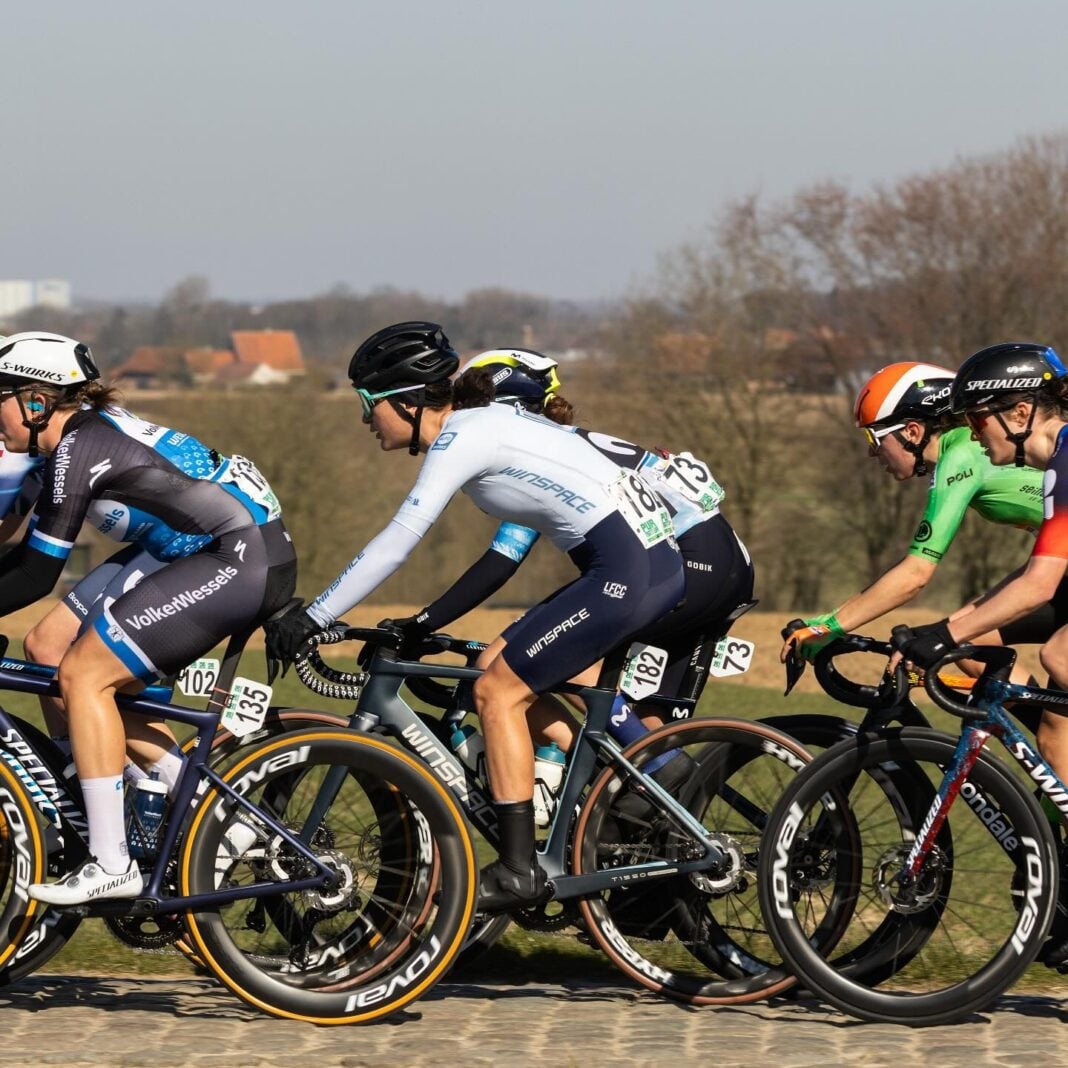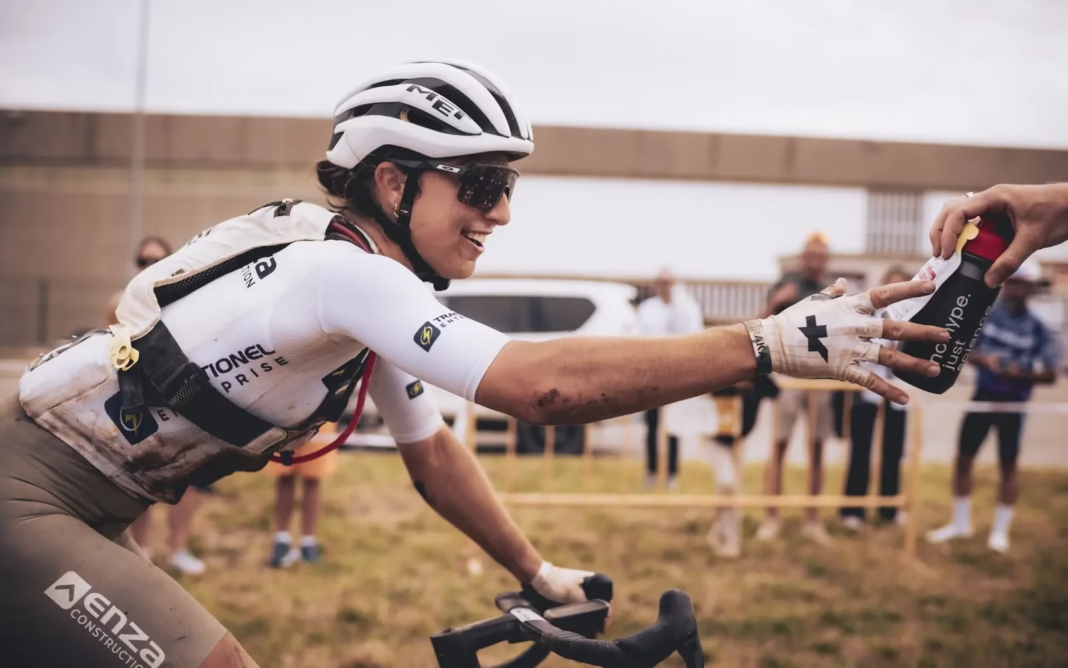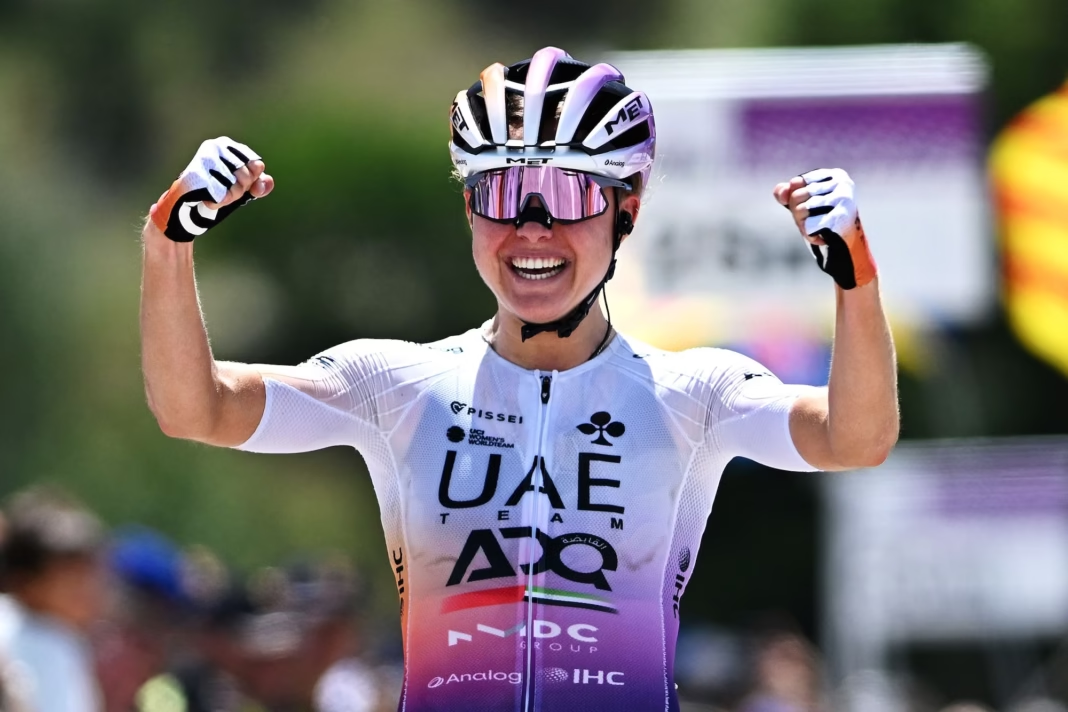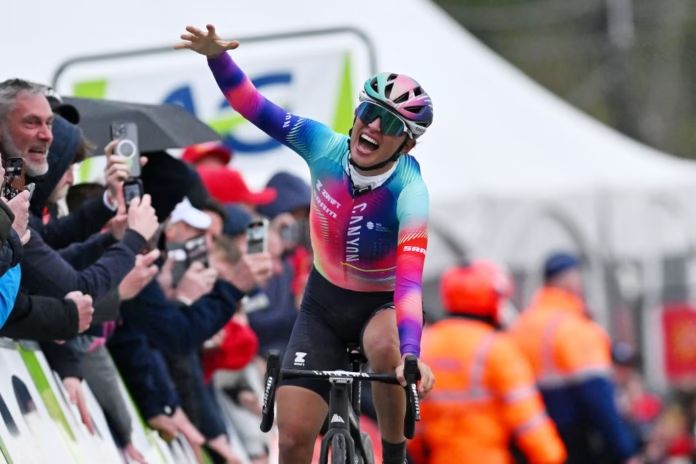
La Flèche Wallonne Femmes is one of the clearest tests in the women’s spring calendar because the race never hides what it is building towards. Everything points back to the Mur de Huy, the steep, exposed and brutally familiar climb that gives the race its identity. It is a one-day race with a simple headline but a much more layered tactical shape, because every team knows where the decisive moment is likely to come, yet very few can control the race cleanly enough to arrive there exactly as planned.
The race has long favoured riders who can climb explosively after hours of accumulated pressure. It is not enough to be a pure climber, because positioning before the Mur matters heavily. It is not enough to be a punchy finisher either, because the gradients demand a sustained effort well beyond a short kick. The best riders here are usually those who can manage the repeated climbs before the finale, save just enough, and then measure one of the most specific finishing efforts in women’s cycling.
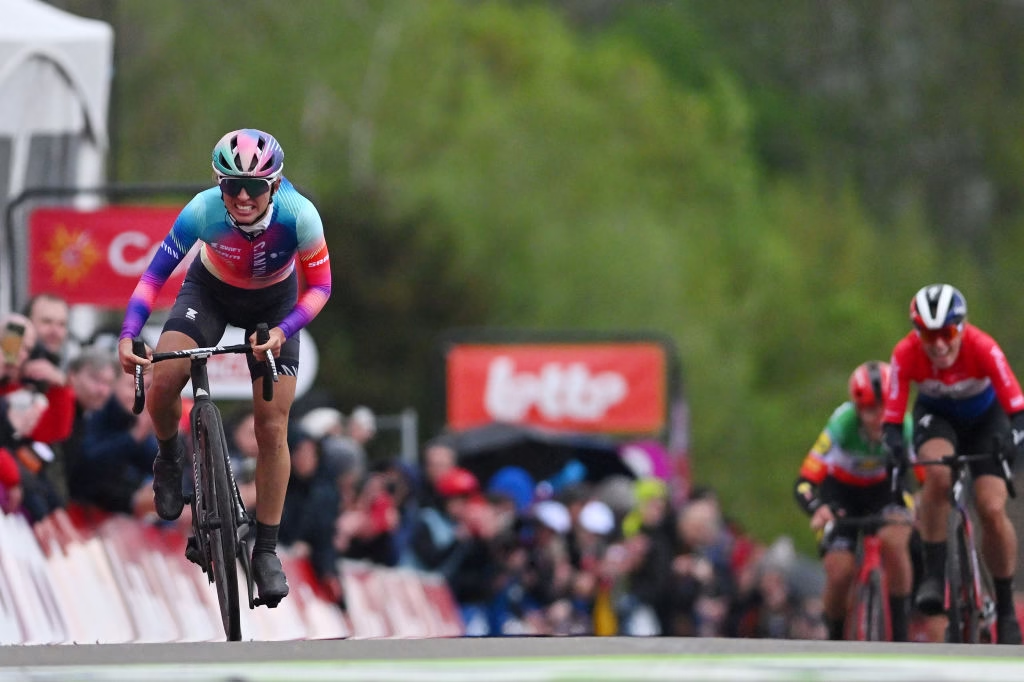
The recent winners underline that point. Puck Pieterse won in 2025 with a performance that confirmed her ability to transfer punchy one-day aggression onto one of the sport’s most unforgiving finishes. Kasia Niewiadoma’s 2024 victory carried a similar sense of timing and resilience, while Demi Vollering’s 2023 win came from the kind of controlled uphill power that has made her one of the defining riders of the Ardennes period. La Flèche Wallonne Femmes rarely produces a random winner, because the Mur tends to expose exactly who has the legs and the nerve.
For 2026, the race again starts and finishes in Huy, with the Mur de Huy acting as both the symbolic and practical centre of the route. The final climb remains the obvious launchpad, but the route before it ensures the outcome is not only about the final few hundred metres. The repeated circuit with climbs such as Ereffe and Cherave gradually removes riders from contention, raises the cost of every positioning error and leaves the strongest contenders to face the Mur with very little margin for misjudgement.
Previous Winners
2025
Puck Pieterse
2024
Kasia Niewiadoma
2023
Demi Vollering
2026 La Flèche Wallonne Femmes route
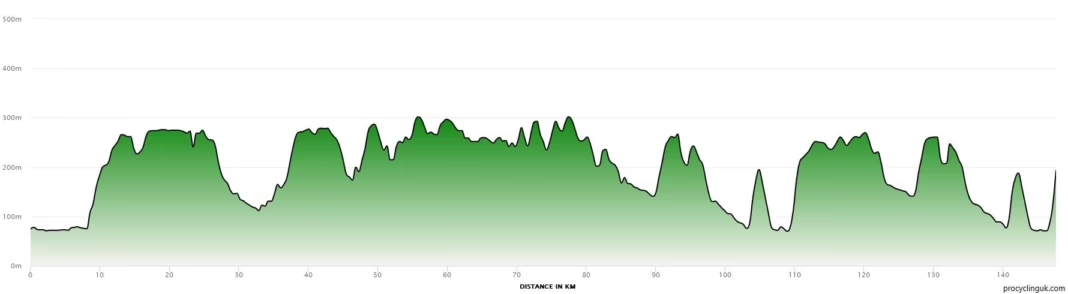
The 2026 La Flèche Wallonne Femmes route covers 148.2 kilometres from Huy to the Mur de Huy, keeping the race tightly connected to the climb that has shaped so much of its history. The route is not designed around long mountain-style ascents, but around repeated stress. The roads around Huy make it difficult for teams to relax, with climbs arriving often enough to disrupt rhythm and technical sections making position valuable well before the final ascent.
The decisive structure comes from the late circuit, where the climbs of Ereffe, Cherave and the Mur de Huy combine to make the final phase increasingly selective. Cherave is especially important because it comes close enough to the finish to disturb any organised lead-out and force the contenders towards the front before the last descent and approach to Huy. Once the race reaches the Mur for the final time, the tactical options narrow dramatically. The gradients bite hardest in the middle of the climb, and any rider who opens too early risks fading before the line. The winner will need power, patience and a precise sense of timing on a finish that gives almost nothing back.
2026 La Flèche Wallonne Femmes live TV coverage
Race Date: Wednesday 22nd April 2026
United Kingdom
Live coverage is available via TNT Sports and HBO Max.
International broadcasters
Across much of Europe, coverage is available via HBO Max, with linear coverage also carried on Warner Bros. Discovery channels in some markets. In Belgium, the race is typically available via RTBF and associated streaming platforms. In the United States, coverage is available via Peacock. In Canada, coverage is available via FloBikes.
2026 La Flèche Wallonne Femmes startlist

2026 La Flèche Wallonne Femmes Contenders
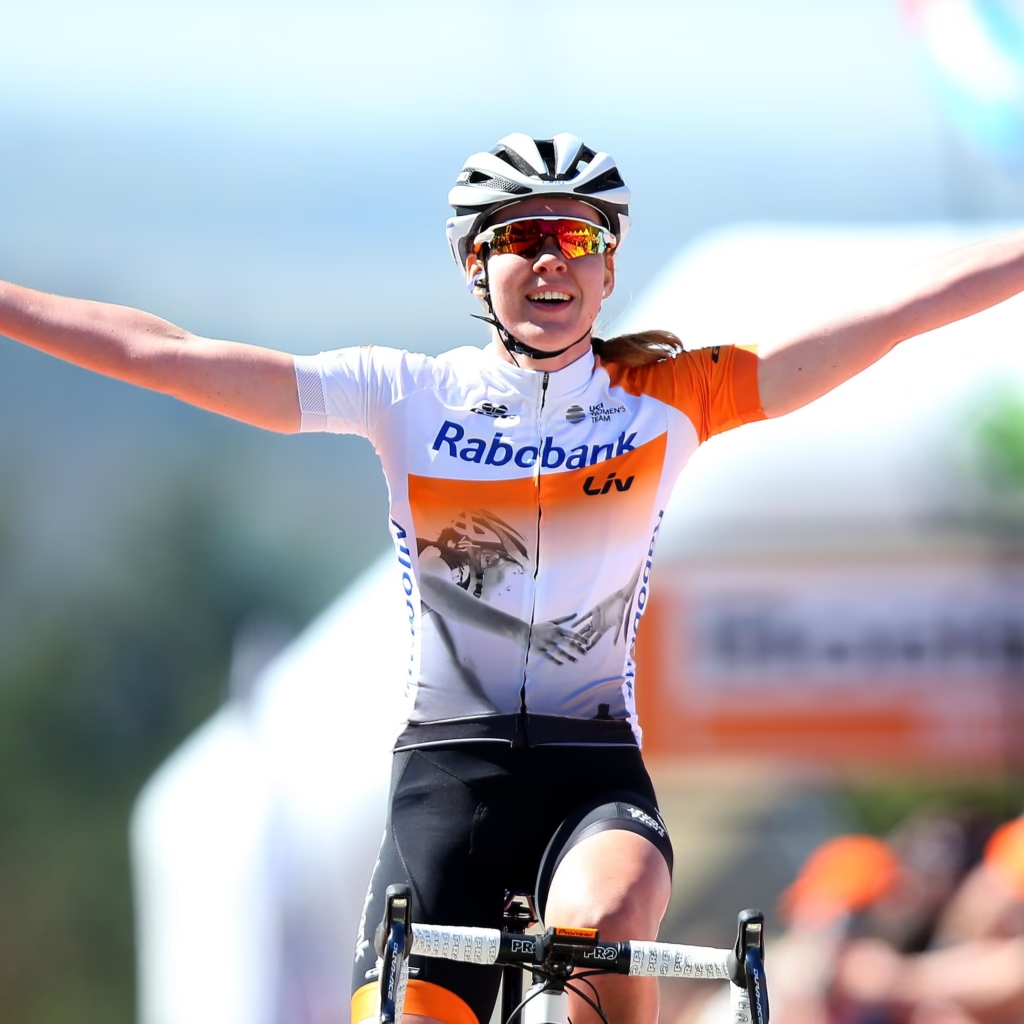 Photo Credit: Getty
A rider who has effectively “owned” the Mur de Huy in the modern era is Anna van der Breggen, and the numbers still look unreal. Seven wins, and those seven wins are her seven podiums, plus one additional top-10 from thirteen starts, with an active streak of seven straight victories from 2015 to 2021 because she has not raced the event since returning. The key detail is how repeatable her approach has been. She knows exactly when to commit on the steepest ramps, and how to arrive there with something left after a day of repeated pressure. With Mischa Bredewold able to animate the late moves and force rivals into chasing early, plus support from Steffi Häberlin and Mikayla Harvey to keep position into Huy, she does not need the team to dominate the whole day, just the final hour.
The most complete challenger is Demi Vollering, because her Flèche record is already elite, one win, five podiums and seven top-10s from seven starts, and her 2026 spring has already delivered a major marker with victory at Omloop het Nieuwsblad. That win matters here because it showed she is sharp in repeated, punchy efforts rather than building slowly into the Ardennes. The likely Vollering script is to make the final circuits hard enough that the Mur becomes a showdown between a smaller group of climbers and puncheurs, not a crowded sprint where positioning decides too much. That is where Elise Chabbey becomes an important teammate, lifting the tempo on the run-in climbs and keeping the group strung out, while Juliette Berthet and Evita Muzic provide depth if the race fractures before the final ascent.
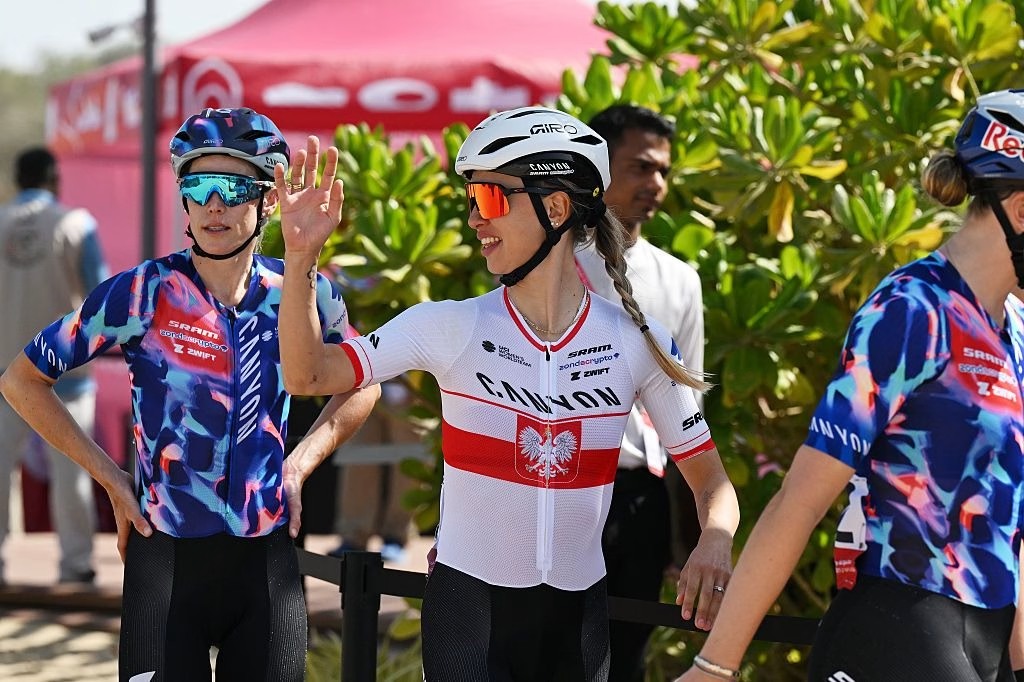
Few riders arrive with a better “Mur de Huy résumé” than Katarzyna Niewiadoma-Phinney, and it is built on years of being there when the race is decided. One win, three podiums and eight top-10s from twelve starts tells you she understands exactly how this finish is won, especially when the day becomes a sequence of attacks and counters rather than one clean build-up to the final climb. The supporting cast from Canyon SRAM fits that same race shape. Cecilie Uttrup Ludwig has a Flèche podium and three top-10s, and she thrives when the climb is raced aggressively rather than as a steady pacing test. Soraya Paladin is a reliable option when the group is reduced and the sprint up the Mur becomes as much about rhythm as raw kick, while Antonia Niedermaier is the kind of rider who can become relevant if the race is hard enough to reward steady climbing rather than pure punch.
The closer the race gets to Huy, the more Liane Lippert tends to move from “strong option” to “real threat”, because she is built for repeated efforts and sharp finishes. A podium and four top-10s from six starts is strong evidence that this is her terrain, and the extra layer in 2026 is form. Winning Vuelta CV Feminas and adding two more second places earlier in the spring points to a rider arriving with confidence and a sharp kick, exactly what you need when the Mur becomes a fight for timing and position. Movistar also have riders who can shape the race before the final climb. Olivia Baril and Francesca Barale can be useful in the phases where the pace rises and positioning becomes decisive, while Tota Magalhães and Sara Martín add depth for a day that can turn attritional if teams decide to push earlier than usual.
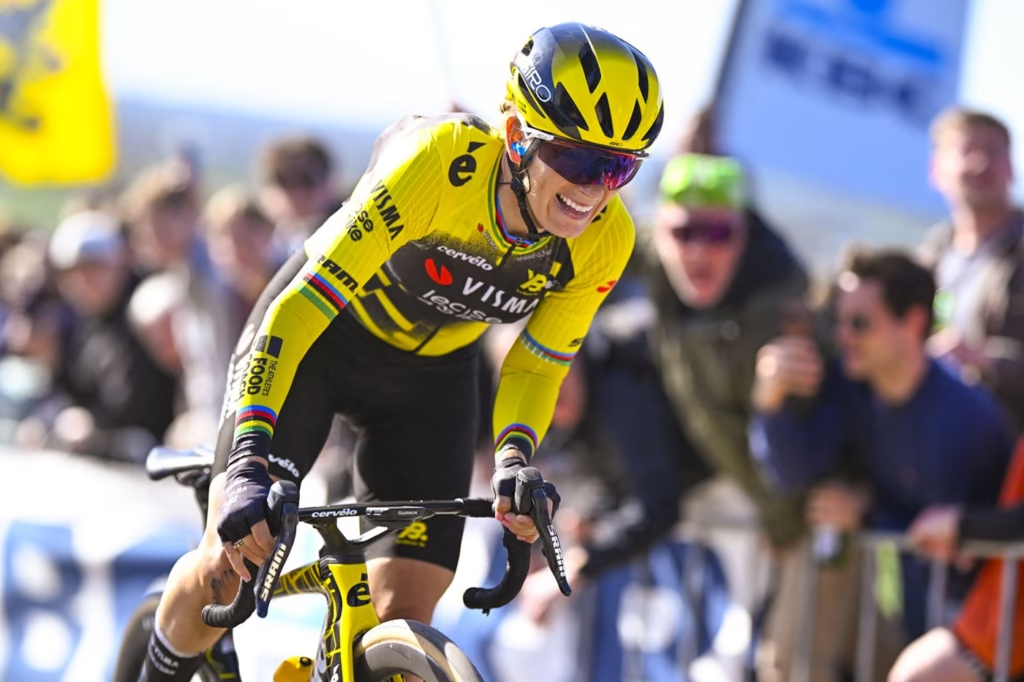
If the finale turns tactical and the favourites start watching each other, Pauline Ferrand-Prevot is exactly the kind of rider who can go early on the Mur and still hold the effort to the line. One win and three top-10s from eight starts shows she understands how to ride this race, and she has never needed a huge run of racing to deliver on the biggest days. Team Visma | Lease a Bike also bring riders who can cope with selective racing and keep their leader in position into the narrow run-in, with Marion Bunel and Viktoria Chladonova offering climbing depth if the race is made harder before the final ascent.
A one-race record rarely tells the full story at Flèche, but Puck Pieterse has already done the hardest part, she arrived once and won once. That matters because the Mur de Huy is a finish many riders need years to learn. The broader 2026 signals support the idea she is still trending upward, with 4th at Milan San Remo showing she can survive Monument-level intensity and still finish, and that mix of durability and punch is exactly what Flèche rewards. If the race is raced aggressively and the final group is small, she can win by launching at the right moment rather than needing to be the strongest for the whole climb. Fenix-Premier Tech also have enough depth to keep her protected into the final approach, with Yara Kastelijn bringing two top-10s here and the kind of consistency that matters when the day becomes a grind.

When the race is reduced through pressure rather than controlled into a sprint, Mavi Garcia becomes more relevant, and her record, five top-10s from nine starts, shows she repeatedly delivers on this course. UAE Team ADQ also have useful options if the race shape changes. Paula Blasi can be aggressive earlier and force teams to chase, while Maeva Squiban is the kind of rider who can profit if a strong group goes clear and is given space. If the Mur is raced as a pacing test rather than a one-kick sprint, UAE’s depth can matter because they can keep multiple riders in the mix deeper into the final hour.
Experience counts at Huy because pacing errors are punished instantly, and that is why Ashleigh Moolman-Pasio remains such a reliable name to include. Two podiums and eleven top-10s from fifteen starts is a profile built for the Mur, discipline, rhythm, and the ability to repeat one final effort even when the legs are heavy. That profile becomes especially valuable when the favourites go too early and fade in the last 200 metres, which happens more often than people admit. AG Insurance-Soudal can shape their day around that reliability, and riders like Alexandra Manly can help keep position into the final run-in, which matters because being shuffled back at the wrong moment can end even a strong climber’s chances before the Mur begins.

A rider who has quietly built a Flèche record through experience and discipline is Amanda Spratt, with two top-10s from fifteen starts, the kind of return that suggests she knows exactly how to manage the day and pace the Mur without detonating. Lidl-Trek also have a rider with a clearer upside on this finish. Niamh Fisher-Black has already landed a top-10 here, and she fits the profile of a rider who can handle repeated climbing and still produce one final, decisive effort on the Mur if the day has been hard enough to strip away some of the punchier finishers. With Riejanne Markus in the line-up, Lidl have the sort of steady support that helps a leader stay calm and well placed into the narrow approach.
Not every Flèche contender needs a huge kick if the group arrives tired enough, and that is where Katrine Aalerud can quietly move into the picture. She suits the version of the Mur de Huy that becomes a pacing test rather than an explosive launch, and that can be enough for a strong result when the favourites have already burned matches earlier in the day. Uno-X Mobility also have riders who can cope with hard racing and still be present late, with Ingvild Gaskjenn offering a useful option if the race becomes tactical and a slightly larger group reaches the final climb.
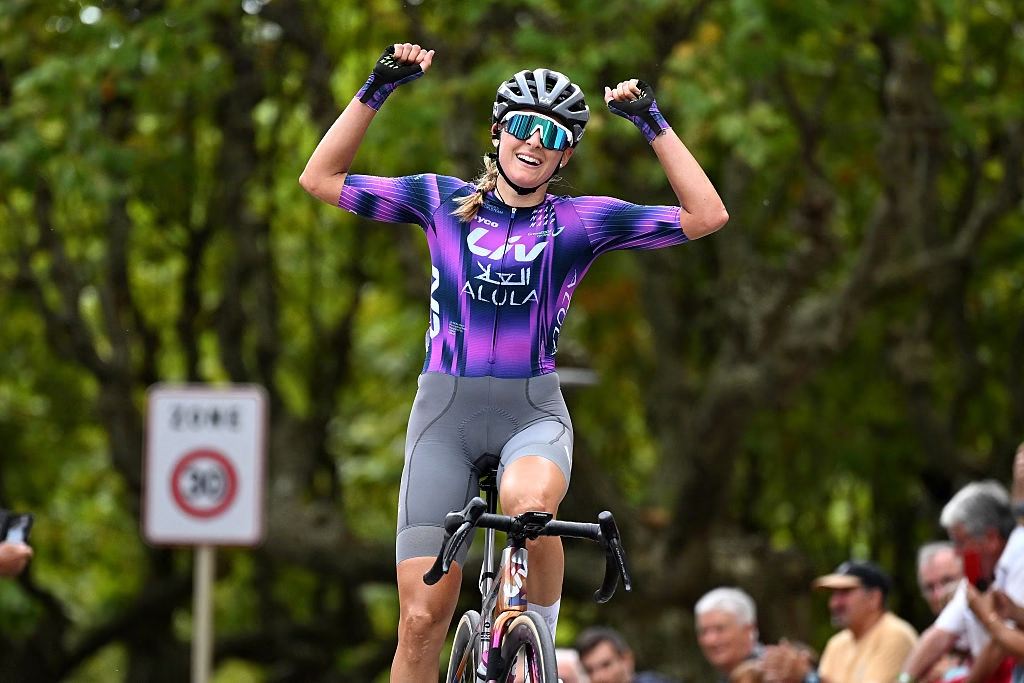
The final climb can also reward riders who thrive in pure, steady climbing pressure, and that is why Monica Trinca Colonel is worth watching if the race is raced hard enough to reduce the group to the strongest climbers and puncheurs. If the favourites mark each other and the pacing on the Mur becomes fragmented, that kind of rider can suddenly turn a “nearly” day into a real result. Another Liv AlUla Jayco card is Silke Smulders, who becomes more relevant if the race is chaotic and the final group is larger than expected, because she can handle repeated efforts and still finish when others are fading.
Top 3 Prediction
⦿ Kasia Niewiadoma-Phinney
⦿ Demi Vollering
⦿ Puck Pieterse
-
 Photo Credit: quentinphotographiebe
 -
 Photo Credit: Getty