The Santos Tour Down Under returns in January as the official curtain-raiser for the 2026 Women’s WorldTour season, once again placing South Australia at the centre of the early-season narrative. All 14 of the 2026 Women’s WorldTour teams are set to contest the three-day stage race, adding depth and tactical variety to what is now the longest women’s edition in the event’s history, at close to 395 kilometres. As ever, the race offers the first meaningful reference points for general classification ambitions, while also creating space for sprinters and opportunists to shape the opening weeks of the year.
The Women’s Tour Down Under has developed rapidly from a symbolic season opener into one of the most important early benchmarks on the Women’s WorldTour calendar. Introduced in 2016 as a one-day criterium, the race initially served as a showcase event alongside the men’s WorldTour opener, offering visibility rather than general classification depth. Its elevation to stage-race status in 2018 marked a clear shift in ambition, aligning Australia’s flagship event with the growing professionalisation of women’s road racing.
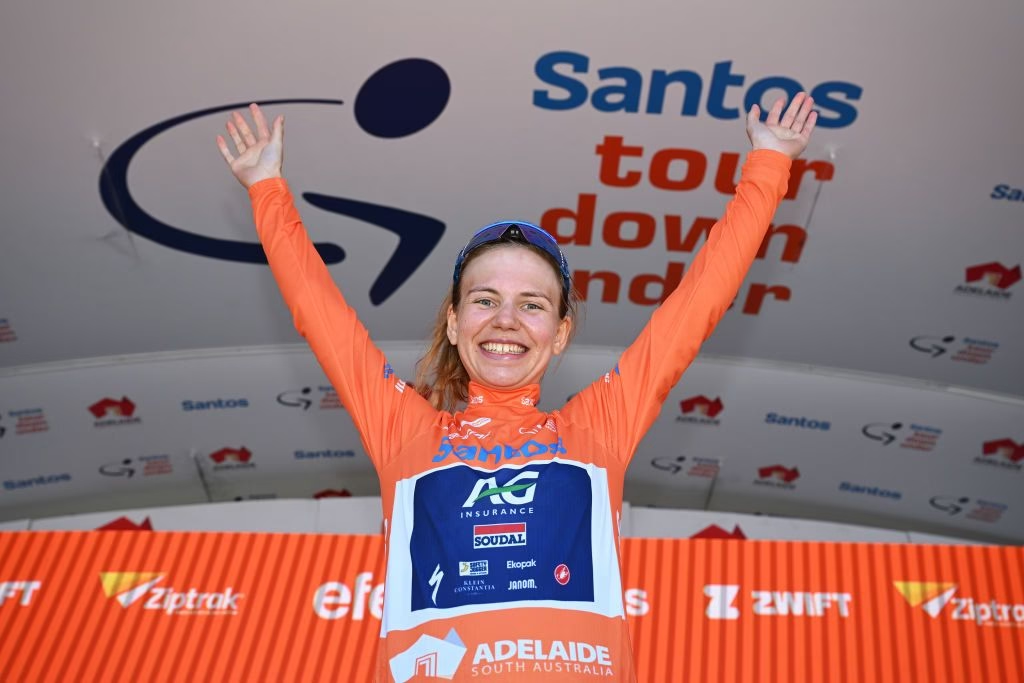
Since then, the event has steadily expanded in both distance and sporting significance. The introduction of hillier terrain and selective finishes in the Adelaide Hills transformed the race from a sprinters’ curtain-raiser into a genuine test for general classification riders. Victories by riders such as Amanda Spratt, Grace Brown and Sarah Gigante underlined the race’s ability to reward climbing strength and consistency, rather than pure speed alone, while also establishing the Tour Down Under as an early proving ground for Australian and international contenders alike.
The move to full Women’s WorldTour status further cemented its position as a key strategic objective for teams planning their seasons. With its January slot, the race often reveals which riders have carried form through the off-season and which teams have already found cohesion. It has also become a platform for emerging riders to measure themselves against established leaders in a controlled but competitive environment, where time gaps are earned through precision rather than attrition.

By 2026, the Women’s Tour Down Under stands as the longest edition in the race’s history, reflecting both increased confidence from organisers and the broader expansion of women’s stage racing. The balance between exposure, terrain diversity and tactical racing has become its defining feature, setting the tone for the months that follow and ensuring that early-season success in South Australia carries genuine weight.
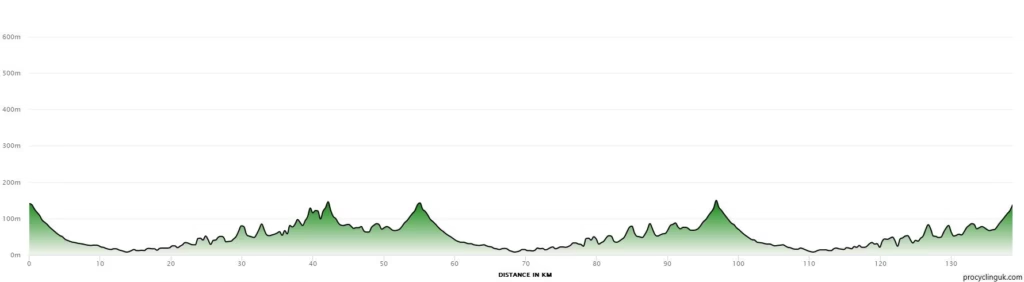
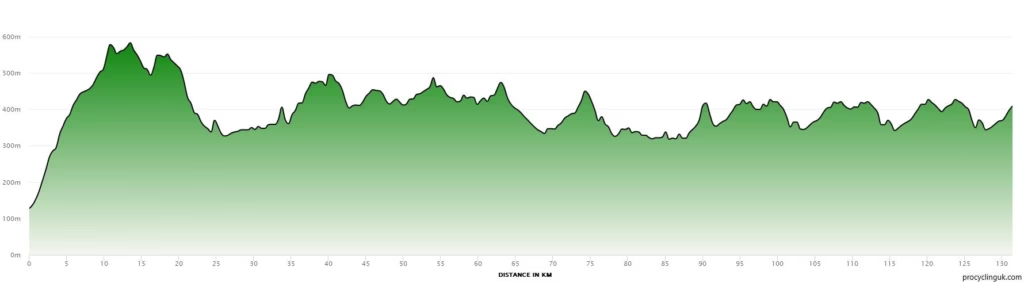
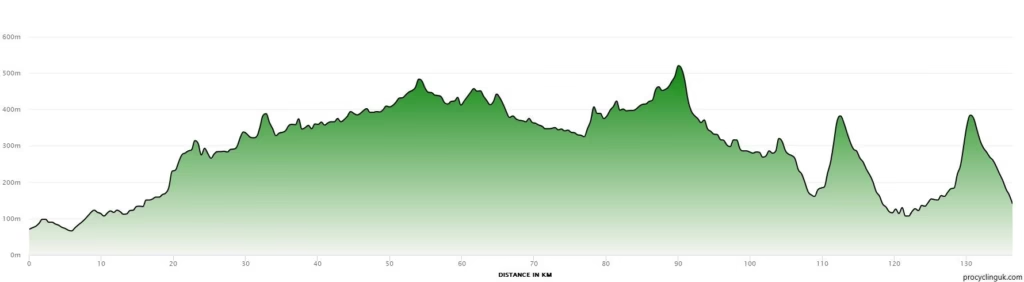
The terrain around Adelaide ensures a selective race despite the early calendar slot. Coastal roads and exposed sections give way to rolling inland terrain, before the Adelaide Hills provide the decisive tests. Stage 1, starting and finishing in Willunga, blends constant undulation with a finale that can favour either a reduced sprint or a late attack after attrition. Stage 2 heads east from Magill towards Paracombe, tightening the focus on climbing strength and positioning on narrow roads. The final stage, from Norwood to Campbelltown, features two ascents of the steep Corkscrew Road climb, a defining feature that traditionally shapes the overall classification and rewards riders who can combine punch with repeatability. There is no Willunga Hill finish this year.
Previous Winners
2025
Noemi Rüegg
2024
Sarah Gigante
2023
Grace Brown
2026 Women’s Tour Down Under Stage Profiles
Stage 1
Stage 2
Stage 3
2026 Women’s Tour Down Under live TV coverage
Race Dates: Saturday 17th January – Monday 19th January 2026
United Kingdom
Live on Discovery+, Max and TNT Sports
- Stage 1 – Saturday 17th January: approx. 00:00–04:00 GMT
- Stage 2 – Sunday 18th January: approx. 00:10–03:30 GMT
- Stage 3 – Monday 19th January: approx. 00:30–04:00 GMT
International broadcasters
In Europe, live coverage is available via Discovery+ and Max, following the same overnight GMT windows. In the United States, the race is shown live on FloBikes, also aligned with the GMT times listed above. In Australia, domestic coverage is provided by SBS, airing during local daytime hours. This should be free and available, but a VPN may be required to watch from outside of Australia – we use ExpressVPN.
2026 Women’s Tour Down Under startlist
 Photo Credit: Getty
2026 Women’s Tour Down Under Contenders
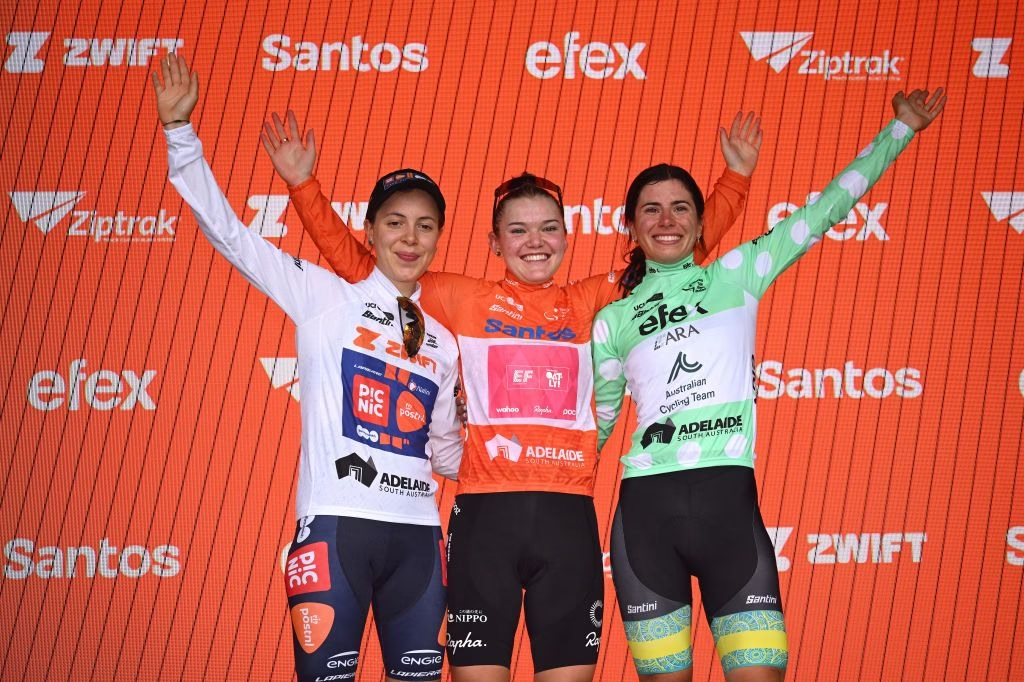
A returning champion and a deep set of options give EF Education-Oatly a genuine GC and stage platform from day one. Noemi Rüegg is the clearest overall reference after winning the Women’s Tour Down Under GC in 2025, and she also took the Willunga Hill stage last year, which underlines that her race management is backed by a decisive finish when it matters. The extra edge for this team is Magdeleine Vallieres, riding with the kind of confidence only a newly crowned World Champion carries, and that late 2025 breakthrough changes how rivals have to read EF tactically because it adds a second rider who can realistically win the race outright if she is given freedom. Kim Cadzow and Henrietta Christie sit in the useful space between support and personal ambition, both capable of staying close enough on the harder days to become top-10 GC factors if the gaps remain small. At the same time, new signing Alice Towers is well-suited to the messier side of the event, the moments when a breakaway has a chance because the sprint teams are watching each other.
A squad built around steadiness and sharp racing should suit AG Insurance-Soudal Team, particularly if the race is decided as much by consistency as by one knockout climb. Mireia Benito appears to be the most credible overall card, a rider whose best route is rarely spectacular but often effective, staying calm through the key selections and letting others make the mistakes that cost time in January. Alexandra Manly brings an important sprint element for reduced finishes, and that matters because the Women’s Tour Down Under rarely hands out perfectly controlled bunch sprints, so riders who can finish fast after a hard day can keep themselves and their teams relevant. Nicole Steigenga is the late move option, the rider who becomes more dangerous the longer the favourites hesitate, while Julie Van De Velde offers a similar profile if the race opens up through aggressive racing rather than pure GC control.
 Photo Credit: Getty
Multiple ways of influencing the race makes Canyon SRAM one of the most awkward teams to race against, because their best outcome does not rely on a single scenario. Neve Bradbury already has proven Women’s Tour Down Under GC credentials after finishing 3rd overall in 2024, and that result shows she can back up climbing ability with three days of execution on these roads. Chloé Dygert is the most obvious stage card after winning the final stage last year in Stirling, and her sustained power means she can shape how hard the race is before the decisive climb even starts, which is often where GC gaps quietly begin. Soraya Paladin offers the steady, all-round consistency that becomes valuable when the overall stays tight and time is won through small splits and good positioning, while Tiffany Cromwell remains a credible breakaway and race-shaping presence who can animate a stage when others are waiting for the obvious moment.
Sprint outcomes are central to FDJ United-SUEZ’s week, but this is also the kind of race where a stage plan can spill naturally into a strong overall if the racing stays selective. Ally Wollaston is the clear finisher to build around, particularly because she is at her best when the group is reduced and the finale is messy, which is often the reality here rather than the exception. Marie Le Net sits in the same conversation as a rider who can survive harder terrain than most sprinters and still finish strongly, making her valuable on days where the sprint is still on but the group is small. Amber Kraak is the rider who can turn a stage into an endurance test with a long move, the sort of effort that forces rivals into early chases and can create time gaps even without a summit finish.
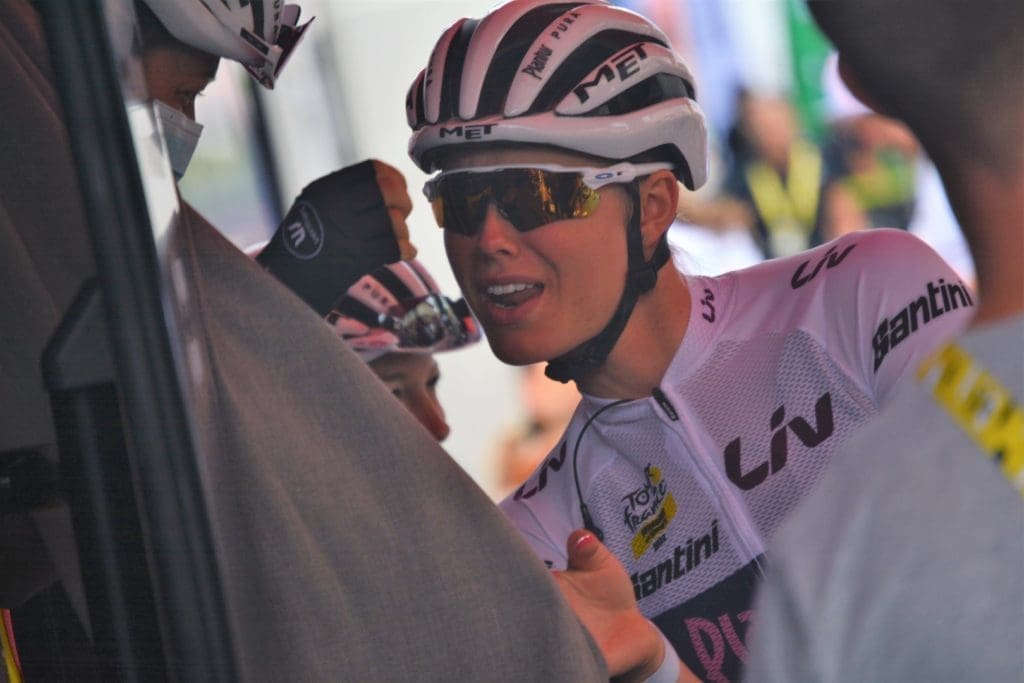
Fenix-Premier Tech feel built for the unpredictable side of the Women’s Tour Down Under, where the best opportunities often appear when control slips and the strongest teams start watching each other. Julie De Wilde is the obvious rider for reduced-group sprints and punchy finales, and in a three-day race that can add up to more than just a stage placing if she repeatedly makes the front selection. Xaydee Van Sinaey looks like the best breakaway option, particularly on a day where sprint teams are hesitant and the winning move needs commitment rather than a perfect lead-out. Carina Schrempf adds another angle as a rider who can survive a hard day and still race aggressively late, which is exactly the profile that can steal a stage when the favourites have one eye on the overall.
A clear stage-first approach makes sense for Human Powered Health, but the line between stage racing and GC impact can be thin when the event is short and the margins are small. Maggie Coles-Lyster is the most obvious finisher, especially if the sprint comes from a reduced group rather than a full peloton, and that is a realistic scenario on these stages. Katia Ragusa is the rider most likely to turn a breakaway into a genuine threat, particularly if the bunch hesitates and the chase becomes disorganised, while Marit Raaijmakers is the steadier card who can drift into a solid overall placing if she keeps the time losses controlled on the key climbs.

Lidl-Trek brings the most proven Women’s Tour Down Under GC record in the field, and it sits squarely with Amanda Spratt. Her recent results alone explain the threat: 2nd overall in 2023, then 4th in 2024 and 7th in 2025, showing she remains consistently close to the top of the race even as the level has lifted. That matters because it speaks to course fit and the ability to hit form early in the season, not just reputation. Gaia Realini gives the team a more climbing-led option if the key moments are raced hard enough to create separation, while Ricarda Bauernfeind is the steady bridge between the two, capable of staying close on the climbs and still racing strongly when the finish is selective. Sprint-wise, Emma Norsgaard remains a core stage threat and a rider who can convert team control into results if the group is still large enough.
A sprint-led identity makes Liv AlUla Jayco one of the most important teams for how the stages will be controlled, because they have multiple riders who can win from reduced groups. Ruby Roseman-Gannon and Georgia Baker are both dangerous when the finale is chaotic and the group is smaller than expected, which is a common pattern at the Women’s Tour Down Under when climbs and heat erode pure sprint trains. That dual threat means Liv can race with patience, letting others control, then delivering late. Ella Wyllie is the rider most likely to keep them relevant on GC if the decisive climbs are raced hard, and her value increases if the overall stays tight enough that staying in touch becomes more important than taking big time gaps.
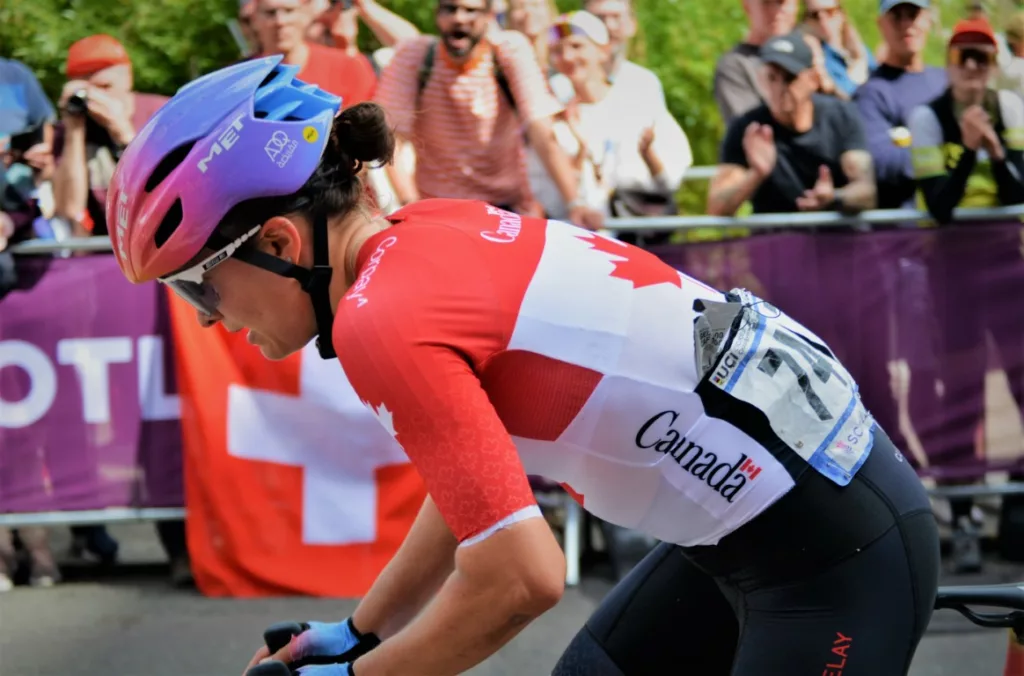
A steady, low-drama week is often the best way to finish high overall here, and that suits Movistar Team if they commit fully to protecting the right rider. Olivia Baril fits the profile of someone who can turn consistency into a strong GC placing, particularly when early-season racing punishes those who overreach on one day and pay for it on the next. Floortje Mackaij is the more aggressive card, a rider who can read moments of hesitation and make a move stick, which is often how stages are stolen when the biggest teams are saving energy.
Opportunism should be Team Picnic PostNL’s strength, because the clearest path to a result here is often choosing the right day to race rather than trying to control every day. Josie Nelson is the rider most likely to turn survival and positioning into a respectable GC finish if the gaps remain modest, while Juliana Londono looks like the team’s best attacking option when a stage is there to be taken from a break.
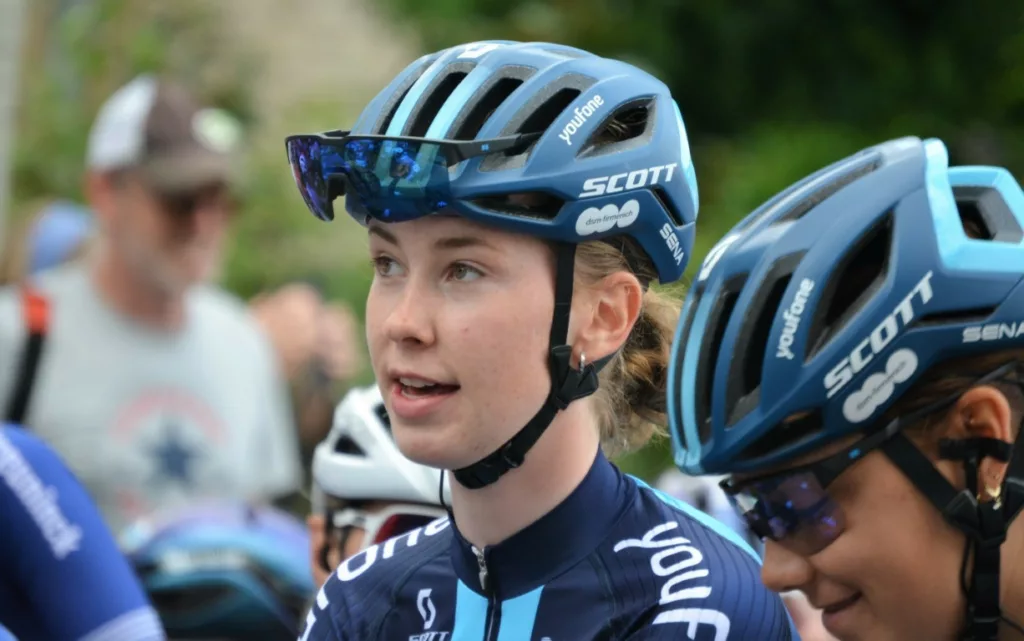
A proven podium finisher gives Team SD Worx-Protime a clear overall target, and their new signing Nienke Vinke’s 2nd place at the Women’s Tour Down Under in 2024 remains one of the strongest direct indicators of course fit in this field. If she starts the year sharply, she has a realistic route back onto the podium, especially with a team strong enough to own positioning before the decisive moments. The stage threat is equally real because the team has several riders who can win from reduced groups: Marta Lach and Femke Gerritse both bring speed that holds up after a hard day, while Julia Kopecky is the kind of rider who can stay in the front selection and still finish fast enough to make the finale count.
A more conservative GC line is the sensible read for Team Visma | Lease a Bike, but they still have riders who can make the race uncomfortable for rivals if they choose to race aggressively. Marion Bunel is the most credible card for selective terrain, particularly if the key climbs are ridden hard enough to reward repeatable climbing and commitment rather than waiting. Sarah Van Dam looks more like the steady support and top-10 outsider type, valuable because she can survive hard racing and stay close enough to benefit if the GC fight becomes tactical. Martina Fidanza is the stage finisher, especially if the sprint is reduced and the pure fast women are already gone, which is a realistic outcome here.

Depth and variety are exactly what UAE Team ADQ bring, which makes them one of the most tactically dangerous squads in the race even before you consider individual strengths. Mavi Garcia is the clearest GC threat, particularly if the event becomes an endurance test where sustained pressure creates real gaps. Erica Magnaldi gives them another climbing-led route to a high overall placing, while Brodie Chapman adds a third serious card because she can combine resilience with the sort of sustained effort that holds up over consecutive hard days. Dominika Wlodarczyk is the rider who can tilt stages through late attacks and opportunistic moves, and in a short race that can create both a stage result and a GC headache for rivals.
Uno-X Mobility look best when the race becomes lively, because they are set to animate the breakaways and late selections rather than fully controlling sprint finishes. Anouska Koster is the most obvious attacking card, particularly if the bunch hesitates and the move of the day needs commitment, while Francesca Pellegrini is the rider who becomes relevant when the sprint is reduced, and lead-outs are disrupted.
Freedom is the biggest asset a national team can have in a season opener, and Australia’s selection can use that to animate stages even without the tools to control them. Alyssa Polites is the rider most likely to translate consistency into a solid overall if she can stay with the front group on the decisive climbs, while Sophie Edwards and Tully Schweitzer look well-suited to breakaway pressure and aggressive stage racing when the bigger teams are watching each other.
Top 3 Prediction
⦿ Marion Bunel
⦿ Noemi Rüegg
⦿ Nienke Vinke