
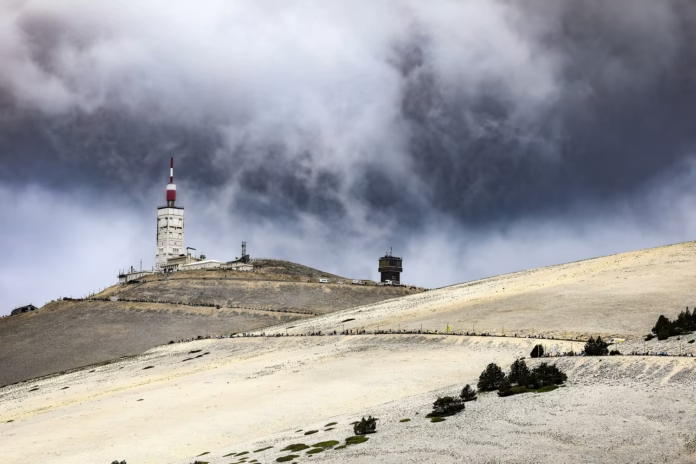
Mont Ventoux has a presence that few climbs can match. Its white limestone summit looms over Provence, its weather can swing from scorching heat to violent winds within minutes, and its gradients have humbled some of cycling’s greatest names. For amateur riders, it is as much a pilgrimage as a challenge. The good news is that with sensible pacing, the right route choice and realistic expectations, Ventoux is entirely achievable.
This guide explores the three classic ascents, how to pace them and what to expect on a mountain that rewards patience far more than power. It also covers the famous La Cinglés du Ventoux challenge, for riders seeking something even more ambitious.
The three ways up Ventoux
Each ascent has its own rhythm, scenery and psychological challenges. The route you choose will shape your entire experience.
Bédoin
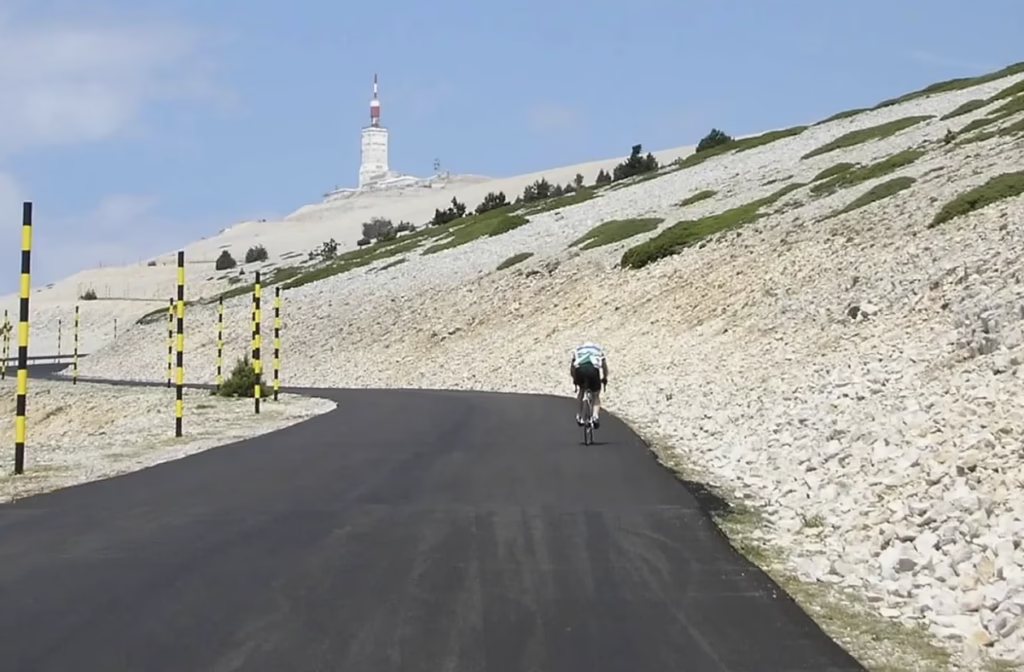
The most iconic route, and the one the Tour de France usually tackles. It begins innocently through vineyards before the road kicks up sharply at Saint-Estève. From here until Chalet Reynard, the forest traps you in a steep, unchanging gradient that hovers around 9 to 11 per cent. There are no views, no visual breaks and almost no relief. Once the trees fall away, the upper slopes feel dramatic and exposed, with wind often dictating your pace as much as gradient.
Malaucène
Often described as Bédoin’s mirror image, but it has a different personality. The opening kilometres bite harder, the middle section varies more, and the steady drags are peppered with switchbacks that test both pacing and morale. The final stretch contains short moments of respite compared to Bédoin, but if the wind is blowing from the north, this side can be harsher.
Sault
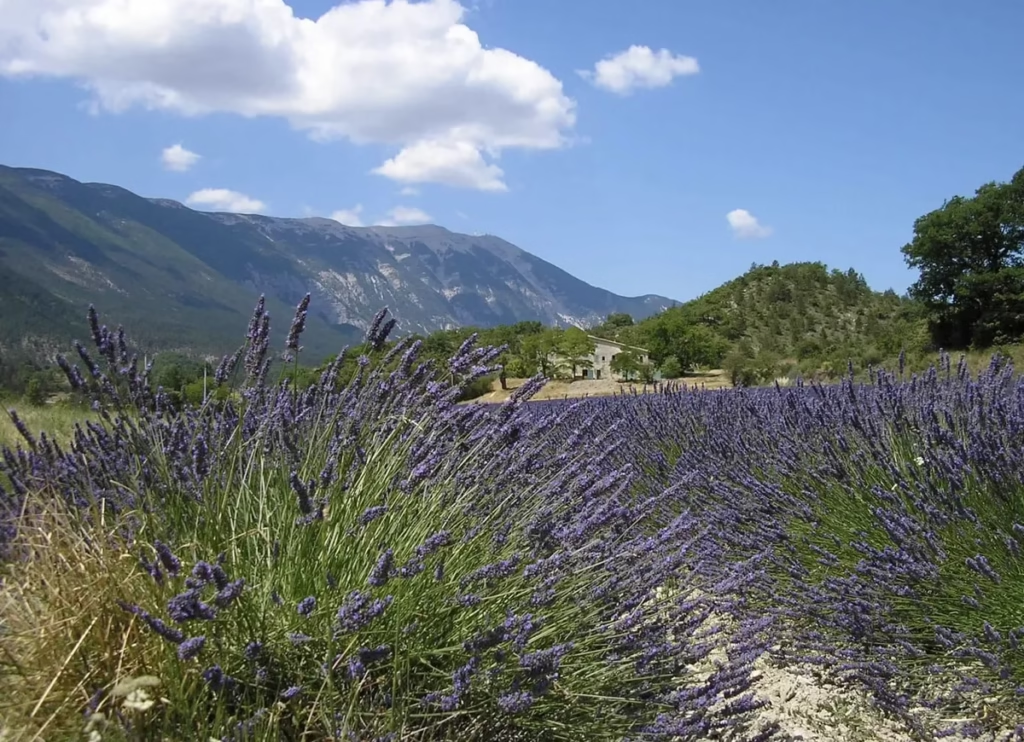
The friendliest way up the mountain. The first half rolls gently through lavender fields at gradients that rarely trouble the legs. This is where most amateur riders find their rhythm. Once you reach Chalet Reynard and join the Bédoin route, the climb’s full severity arrives, but you face it with far more energy in reserve. It is long, scenic and the most welcoming introduction to Ventoux.
How to pace your effort
Ventoux punishes enthusiasm and rewards restraint. All three routes demand a patient, measured approach.
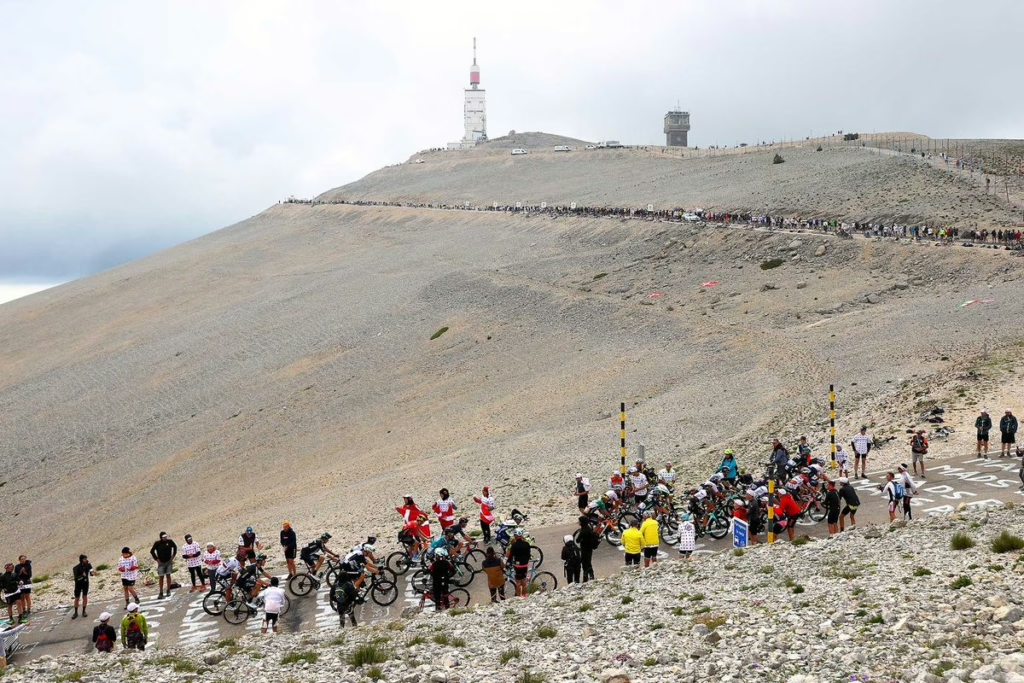
From Bédoin, the key is to under-ride the early kilometres, saving energy for the forest. The steep middle section is a war of attrition, so keep your cadence high and resist the temptation to stand on the pedals too often. If you reach Chalet Reynard feeling in control, the final six kilometres will still hurt, but they will not defeat you.
From Malaucène, the goal is steady output. The fluctuating gradients tempt you to surge on the ramps and ease off on shallower moments, but that quickly drains your reserves. Hold a constant effort and let speed rise and fall naturally.
From Sault, take advantage of the easier start. Settle into a sustainable tempo and prepare for the fierce change in mood after Chalet Reynard. Once on the upper slopes, the pacing strategy mirrors the others: smooth rhythm, controlled breathing and no overreaction to sudden gusts of wind.
Across all routes, a few principles hold true:
- Start easier than it feels necessary
- Focus on cadence, not speed
- Break the climb into segments
- Expect the final six kilometres to feel longer than the distance suggests
The mountain rarely allows a clean rhythm, and the wind often plays a decisive role. Mentally prepare for a final push that demands as much focus as strength.
What to expect on the mountain
Mont Ventoux is as much an experience as it is a climb. The atmosphere changes dramatically as you gain height.
The forest on Bédoin can feel claustrophobic because you cannot see the summit or any natural markers of progress. Malaucène’s varied gradients keep you alert but can disrupt pacing if you respond too aggressively. Sault offers long, sweeping views that make the climb feel more scenic than punishing early on.
Above Chalet Reynard, everything becomes raw. The landscape turns pale and windswept. The tarmac feels exposed. The summit tower seems close yet never quite close enough. Even fit riders find these final kilometres emotionally draining because the environment gives you nothing back.
Temperatures can drop sharply near the top, and descents demand attention. The Bédoin forest is fast and twisty, while the Malaucène side encourages higher speeds with long straights and wider curves. A windproof jacket is essential, even on warm days.
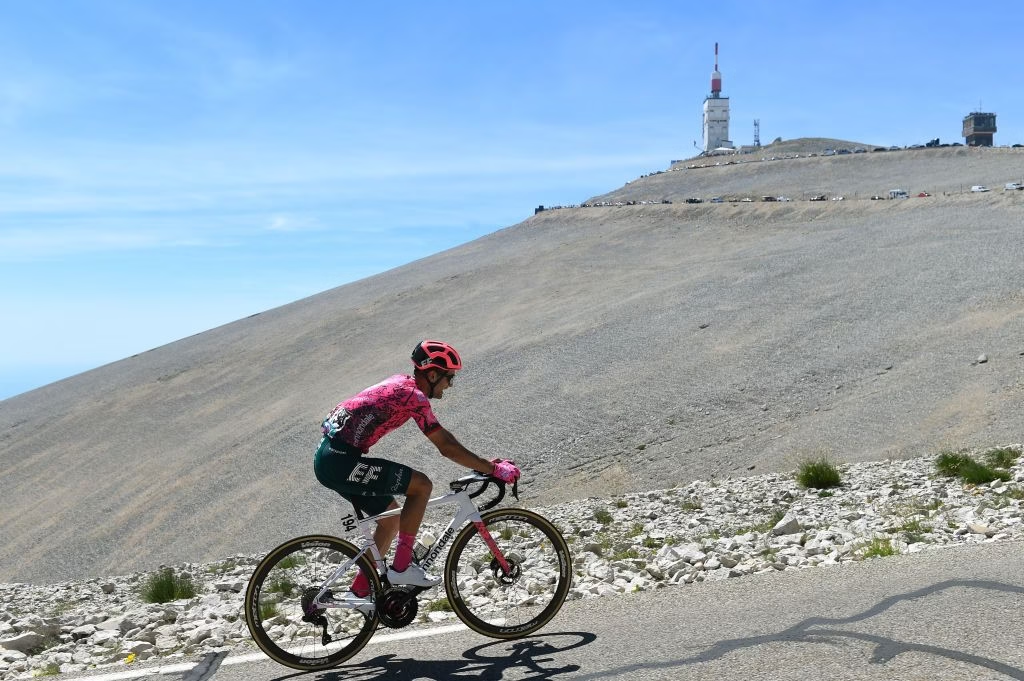
A special challenge: La Cinglés du Ventoux
For riders seeking something more ambitious, Ventoux is home to one of amateur cycling’s most famous endurance tests: La Cinglés du Ventoux.
The challenge is simple to describe and brutal to complete. In one day, you ride:
- All three ascents
- All three descents
- A total of over 4,400 metres of climbing
You receive a medal and certificate if you complete all three climbs on the same day. There are even harder variants that involve additional combinations of ascents and gravel options, but the classic Cinglés is already a serious undertaking.
Completing it requires:
- Early starts
- Strict energy management
- Conservative pacing on the first two climbs
- A strong respect for weather changes
Most riders tackling the Cinglés begin with Sault to preserve freshness, then attempt Bédoin before finishing on Malaucène. Others prefer to get the hardest route out of the way early. Whichever way you structure it, the key is discipline. For many amateurs, it becomes the most memorable challenge of their cycling lives.
 Photo Credit: Getty
Preparing for a successful climb
Ventoux does not demand elite fitness, but it does require sensible preparation. Compact gearing or a wide cassette is essential for most riders, as the gradients are long and unbroken. Hydration needs are higher than expected because the effort is sustained, and the exposed upper slopes magnify heat even on moderate days. Food is equally important, especially if you are attempting a big day like the Cinglés challenge, where energy management becomes as crucial as leg strength.
As you approach the summit from Bédoin or Sault, you will pass one of the most poignant points on the mountain: the Tom Simpson memorial. The British rider collapsed and died here during the 1967 Tour de France, near the final kilometre of the climb. It has since become a place of pilgrimage for cyclists, many of whom stop briefly to pay their respects, place a bidon on the stones or simply gather themselves before tackling the last steep ramps to the observatory.
The memorial is a reminder of both the physical demands of Ventoux and the deep history woven into its slopes. It is also a spot where the wind can be at its strongest, making fatigue feel sharper than expected. Even experienced riders find the combination of emotion, altitude and exposure a moment to approach with calmness.
To prepare well and enjoy the climb:
- Bring layers for the descent
- Carry enough water for the first hour
- Eat small amounts often to maintain steady energy
- Start early if you want quieter roads and gentler temperatures
The mountain feels very different at 9 am compared to midday, and the wind patterns can shift dramatically over the course of a few hours. Planning your timing, pacing and nutrition carefully will make the experience memorable for the right reasons.

The bottom line
Mont Ventoux is intimidating, but it is also achievable. With a measured pace, realistic expectations and a route choice that suits your experience, the mountain becomes a rewarding challenge rather than an overwhelming one. Whether you climb from Bédoin, Malaucène or Sault, you will feel the unique character of Ventoux in every kilometre.
And if you decide to take on La Cinglés du Ventoux, you will join a small and dedicated group of riders who have not only climbed the Giant of Provence, but conquered all three sides in a single unforgettable day.
For amateurs, Ventoux is not just a test of strength. It is a lesson in patience, resilience and pacing. And that is exactly why the memory of reaching the summit stays with you long after the wind and the heat have faded.
Want more French ride ideas like this? Head to our Cycling in France hub for the best bases, must-ride climbs, and practical trip planning tips across the Alps, Pyrenees, the Riviera, and beyond.

