
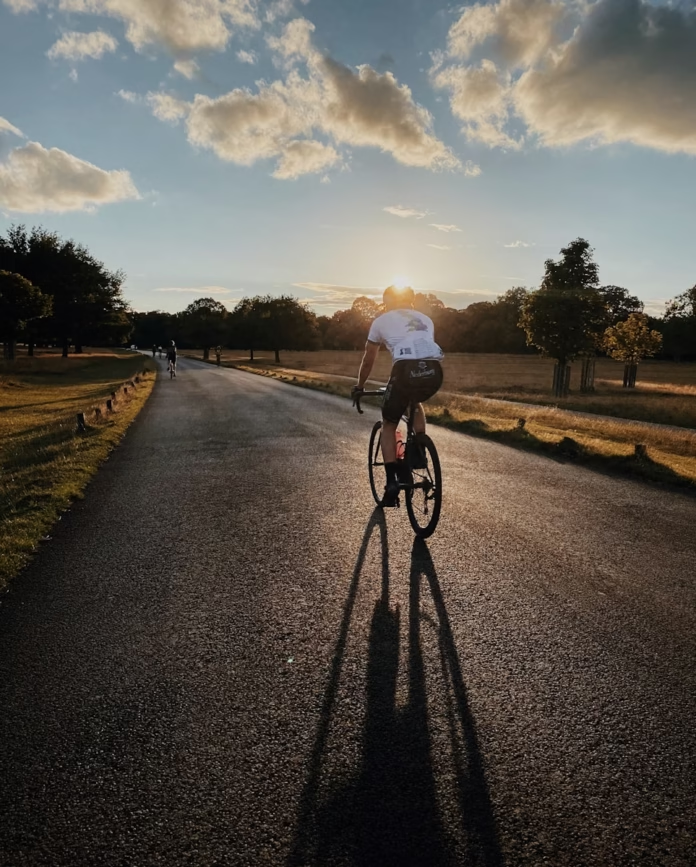
Starting from zero can be intimidating, but cycling is one of the most forgiving sports for beginners. You can build meaningful fitness quickly, progress at your own pace and adjust every ride to how your legs feel on the day. An 8-week plan is long enough to develop real endurance, gain confidence on the bike and establish habits that set you up for much longer goals. The secret lies in steady progress, consistency and keeping each session simple enough to repeat.
This guide breaks down how to build cycling fitness from scratch in just 8 weeks, mixing structured advice with the same clear, analytical approach used in training previews and ride planning. You will find principles that matter, pitfalls to avoid and a full week-by-week plan at the end.
Start slow and stay consistent
If you are new to cycling, fitness grows through frequent, low-intensity rides rather than rare, hard efforts. Your cardiovascular system adapts quickly, but your muscles, joints and contact points need time to toughen up. Riding too far or too fast, too early often leads to soreness, strain or loss of motivation.
The first two weeks are about establishing a routine. Short, easy rides of 20 to 30 minutes are enough to stimulate adaptation. They also help you settle into the basics: comfortable cadence, smooth pedalling and the confidence to handle simple gradients or junctions.
Consistency is the most powerful tool you have. Three or four rides per week create far more progress than one heroic weekend effort.
Build endurance gradually
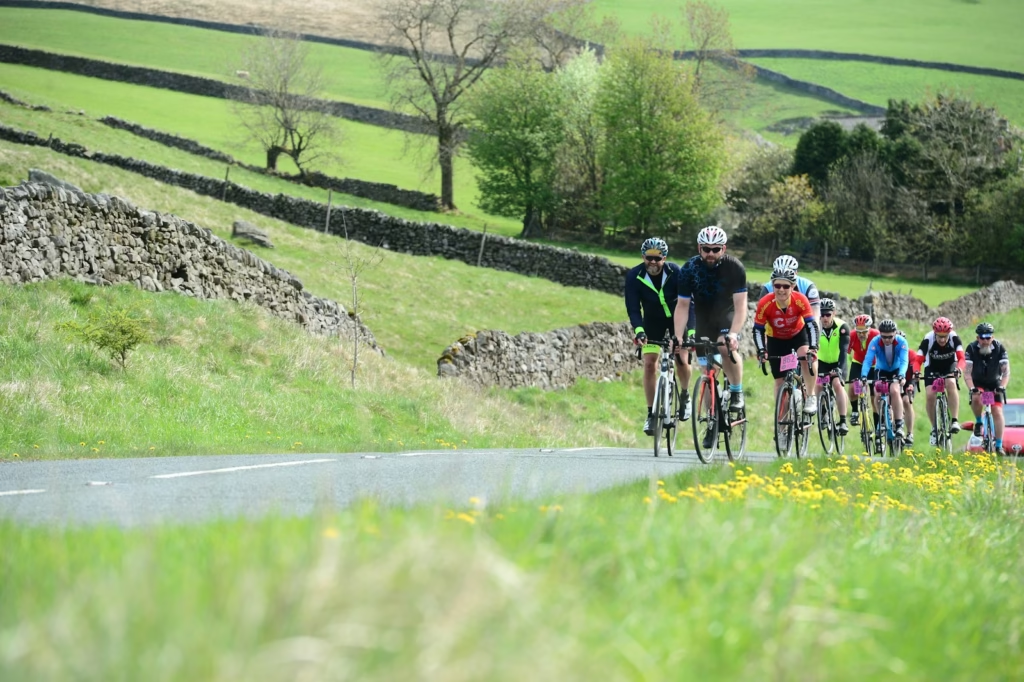
Cycling fitness is built on endurance. That means longer, steady rides where your breathing is light and you could hold a conversation. The early rides may feel slow, but this intensity is where your aerobic foundation grows.
By weeks three and four, you can increase your longest ride to 45 to 60 minutes, then towards 75 minutes as you enter weeks five and six. This gradual increase conditions your muscles to stay comfortable for extended periods and helps you learn pacing. You should finish each ride feeling as though you could have done slightly more. Leaving something in reserve keeps you progressing without burning out.
If your local routes include hills, use them gently. Climbing is an excellent teacher of steady effort, but aim to spin rather than grind. High-cadence climbing reduces strain on untrained muscles.
Add variety without intensity spikes
Fitness grows fastest when you mix endurance with small amounts of controlled challenge. That does not mean sprints or hard intervals. It means introducing short tempo efforts or smoother climbing work to broaden your fitness range without overwhelming your body.
A simple progression looks like this:
- One ride per week at a slightly higher but still controlled pace
- One longer endurance ride at conversational effort
- One or two short, easy recovery rides to maintain routine
These small variations stimulate different energy systems while keeping the overall load manageable.
The key is avoiding intensity spikes. You are not training for race efforts. You are training for steady, repeatable output. Smoothness wins every time.
Strengthen your core cycling habits
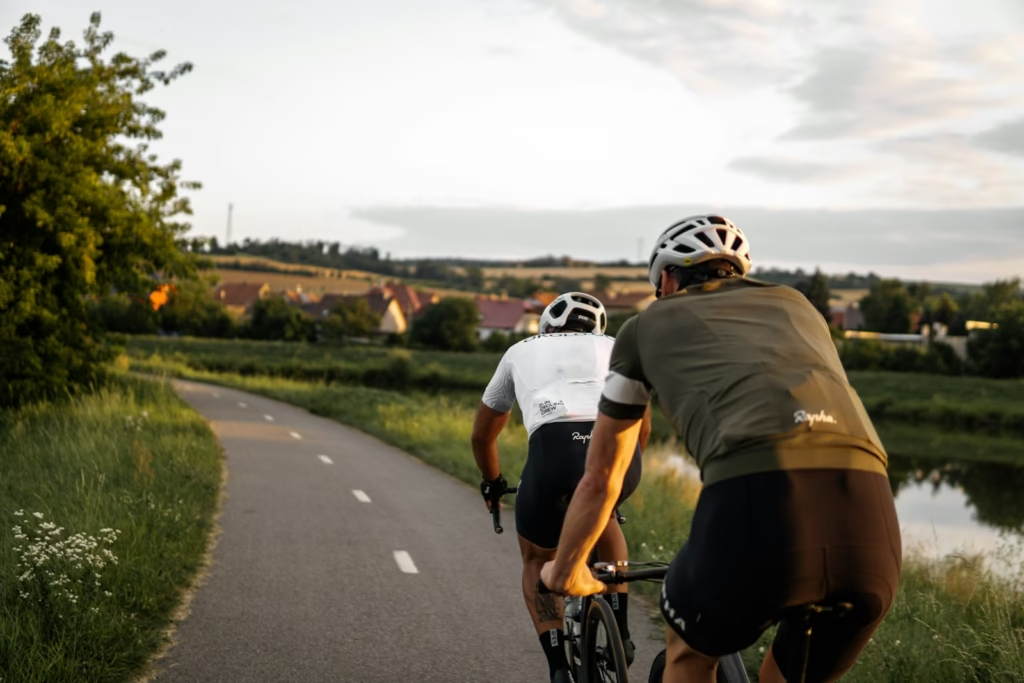
Fitness is not just physiological. It is also behavioural. Small habits compound quickly, particularly in the first eight weeks.
Prioritise:
- Cadence control: aim for 80 to 90 rpm on flat terrain
- Smooth pedalling and stable upper body
- Relaxed grip on the bars
- Steady pacing rather than surges
- Good posture, especially on longer rides
These fundamentals make every ride easier, meaning you gain more fitness because you waste less energy.
Nutrition and hydration for new riders
New cyclists often underestimate how much food and drink they need. Even short rides demand hydration. Sip little and often. If your ride goes beyond 45 to 60 minutes, take a small snack. This prevents sudden energy dips and trains good fuelling habits early.
After each ride, eat a balanced meal with carbohydrates and protein. This accelerates recovery and helps your legs feel stronger for the next session.
Hydration becomes especially important in warmer months. One bottle per hour is a good benchmark.

Avoid the common pitfalls
Building fitness from scratch is as much about avoiding mistakes as it is about following a plan. The most frequent issues for beginners include:
- Riding too hard at the start of each ride
- Increasing distance too quickly
- Ignoring discomfort that signals a bike-fit problem
- Skipping recovery days
- Treating every ride as a test rather than an opportunity to learn
Progress rarely follows a perfect upward line. A slow day, heavy legs or a tough climb are all part of the process. Consistency matters far more than perfection.
The 8-week plan to build cycling fitness from zero
Below is a clear, progressive structure designed for beginners. Distances are not prescribed because terrain and conditions vary. Instead, the focus is on time and effort, which are easier to manage.
Eight-week beginner plan
| Week | Ride 1 | Ride 2 | Ride 3 | Optional Ride | Focus |
|---|---|---|---|---|---|
| 1 | 20 min easy | 25 min easy | 20 min easy | 15 min recovery | Build routine and comfort |
| 2 | 25 min easy | 30 min easy | 30 min relaxed | 20 min recovery | Settle into cadence and pacing |
| 3 | 35 min steady | 30 min easy | 40 min steady | 20 min easy | Extend endurance gently |
| 4 | 45 min steady | 30 min easy | 45 min with small hills | 20 min recovery | Smooth climbing and control |
| 5 | 60 min steady | 35 min easy | 45 min tempo segments | 25 min recovery | Pacing at higher aerobic effort |
| 6 | 75 min endurance | 40 min easy | 45 min steady | 30 min relaxed | Building durability |
| 7 | 80 min endurance | 45 min easy | 50 min tempo segments | 30 min recovery | Confident longer rides |
| 8 | 60 min relaxed | 40 min easy | 75 min steady | Optional 30 min | Consolidate fitness and form |
This plan assumes three rides per week, with a fourth optional session for riders who recover quickly. The core principle is smooth progression. The volume increases gradually, intensity stays controlled, and the training effect accumulates.
Final thoughts


Cycling fitness develops quickly when you give your body consistency, patience and clear structure. The first eight weeks lay the foundation for everything that follows. By keeping rides easy, extending endurance gradually and resisting the temptation to push too hard, you build not just fitness but confidence.
At the end of this plan, you will feel stronger, smoother and far more capable than when you began. More importantly, you will have a sustainable routine that prepares you for group rides, longer distances or even your first cycling holiday. The journey starts with the first 20 minutes. The rest grows naturally from there.

