
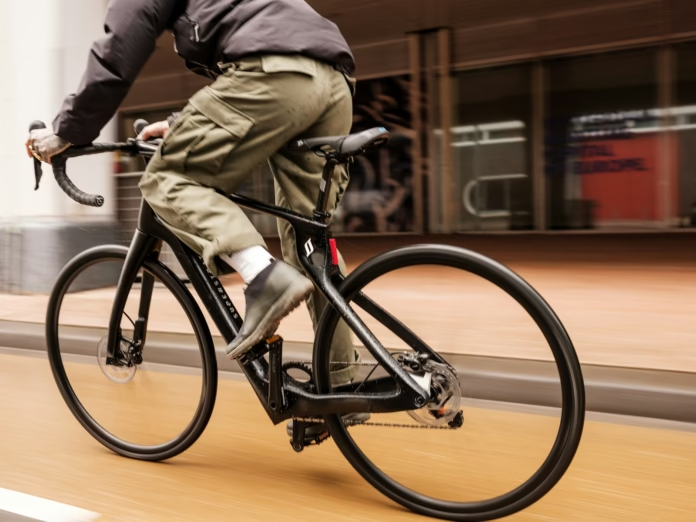
For many riders, the biggest barrier to cycling to work is not distance, terrain or traffic. It is the simple problem of arriving at the office without a shower. The good news is that cycling and being presentable at work are not mutually exclusive. With the right preparation, sensible pacing and a few practical habits, you can commute comfortably and step into the office feeling fresh rather than flustered.
This guide breaks down the strategies that make commuting without a shower realistic for everyday riders. It focuses on practical solutions you can apply immediately, based on what actually works rather than idealised routines.
Start with the right pace for your commute
The easiest way to arrive fresh is to moderate your effort. A bike commute does not need to be a training session. When you ride just below the point where you start to sweat heavily, your body temperature stays more stable, and you finish in a far better state.
Aim for a steady, conversational pace. Spin the pedals lightly, avoid big accelerations from junctions and use gears generously so climbs do not become anaerobic efforts. If you finish the ride feeling like you could comfortably continue for much longer, you have judged it well.
For longer commutes, consider riding gently into work and using the journey home as your harder session. It is far easier to shower at home than in an office with limited facilities.
Clothing that helps you stay cool and dry
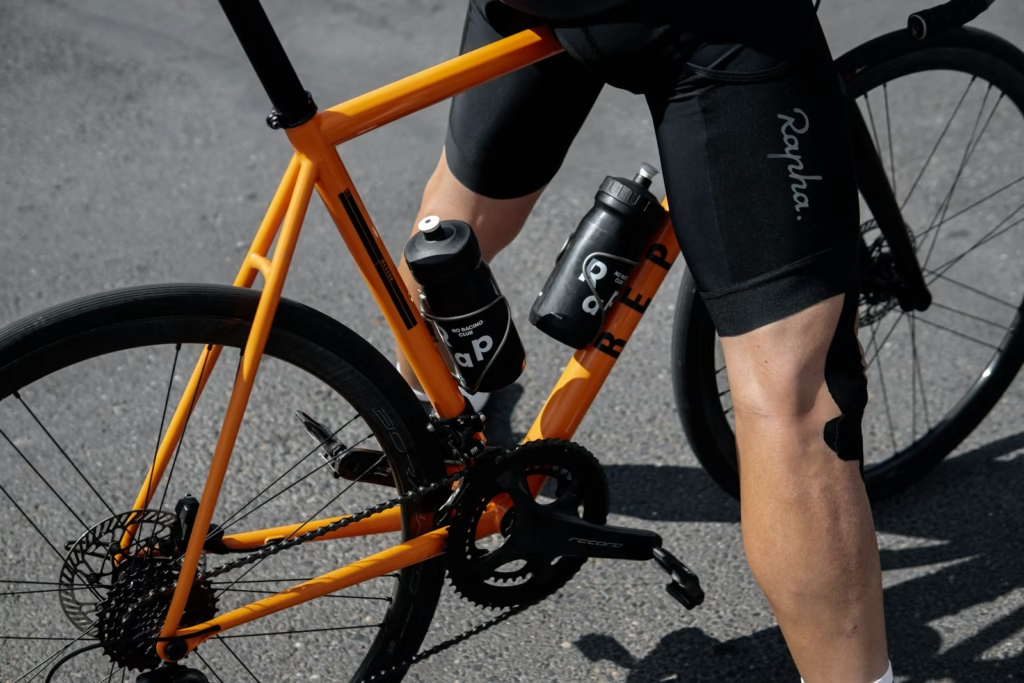
Small adjustments to clothing can make a significant difference. Breathable layers do most of the work, as they help you regulate temperature without holding onto moisture.
Useful principles:
- Choose lightweight, moisture-wicking fabrics for your ride
- In cool weather, use thin layers rather than one heavy garment
- In warm weather, avoid backpacks if possible as they trap heat
- Use mudguards so you do not arrive splattered after wet roads
Many commuters ride in cycling kit and change on arrival. Others ride in normal clothing and carry a fresh shirt. Both approaches work. The key is minimising heat build-up, not dressing for speed.
If you ride in a cycling kit, pack:
- A clean shirt or top
- Fresh underwear or base layer
- A small towel or flannel
This lets you do a quick clean-up that takes less than two minutes.
The two-minute clean-up routine
A short, simple freshen-up makes a huge difference when you do not have access to a shower. You do not need much:
- A pack of body wipes
- A small microfibre towel
- A stick of deodorant
- A compact hairbrush
- Clean socks
Find a quiet corner, changing room or accessible bathroom. Wipe down quickly, dry off, apply deodorant and change into fresh clothing. This routine is faster than most people expect and restores confidence immediately.
If you prefer something more environmentally conscious, reusable cloths and a small bottle of water work just as well.
Manage sweat with smart packing
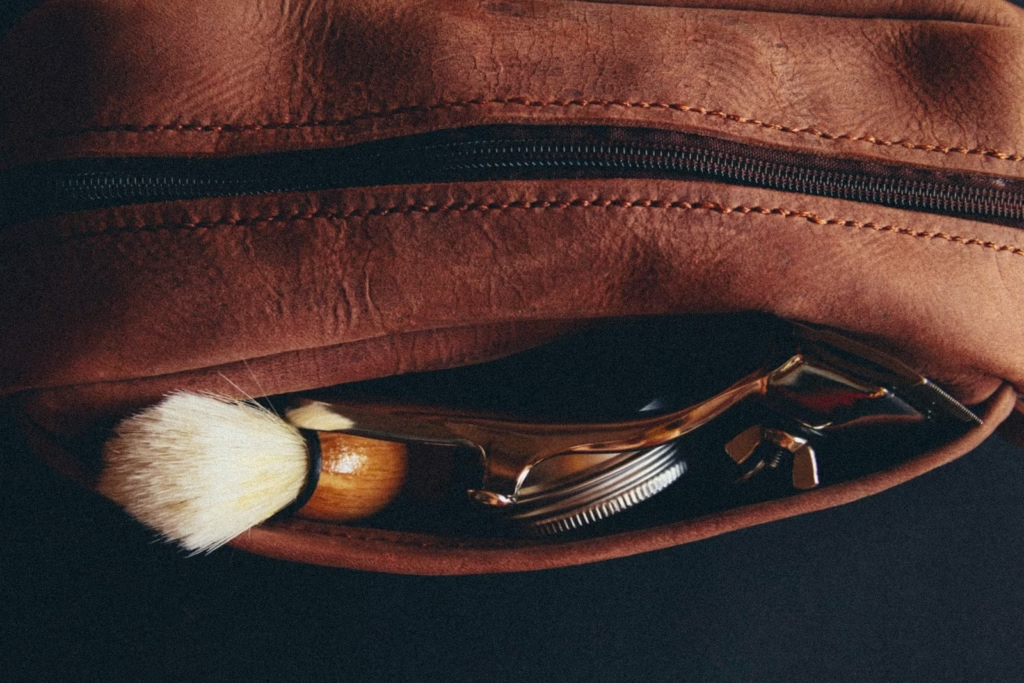
A fresh shirt is the single most effective item to pack. Even if you arrive slightly warm, changing your top transforms how you feel. Consider storing work clothes at the office if your commute is longer. Some riders bring a week’s worth of shirts on Monday and take them home on Friday.
A few other useful items:
- A travel-sized antiperspirant
- Hair ties or clips if you have longer hair
- A lightweight pair of office shoes kept at work
- A compact fan on your desk if your office runs warm
The goal is to minimise the gap between stepping off the bike and feeling presentable.
Plan your route to stay cooler
Not all routes are created equal. Even if your fastest route is direct, it may involve long climbs, heavy traffic or constant stop-start riding which all increase heat and effort.
Explore alternatives:
- Flatter routes where effort stays controlled
- Shaded paths or quieter lanes where you can ride steadily
- Longer but smoother routes that reduce intensity
A good commuting route is the one that keeps you cool and relaxed, not the one that saves the last minute.
If you must tackle hills, position them closer to your workplace on the return journey. Going home sweaty is far easier to manage than arriving sweaty.
Timing helps more than most riders realise
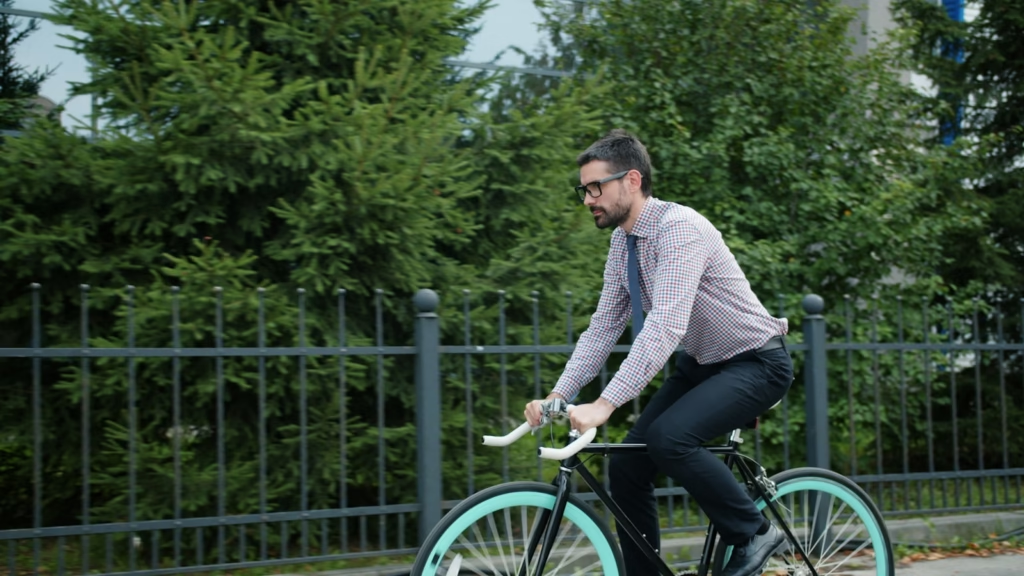
Leaving even ten minutes earlier in the morning can change everything. Cooler temperatures, lighter traffic and calmer riding conditions all reduce effort and sweat. You can ride more gently without losing time at junctions, lights and pinch points.
If your workplace allows flexible hours, consider starting slightly earlier so you ride at the quietest, coolest part of the morning.
Equipment choices that make commuting easier
A few small gear choices help keep the commute smoother:
- Panniers instead of backpacks to improve airflow around your back
- Full mudguards to prevent spray
- A lightweight windproof layer for cool mornings
- A cap or headband to manage helmet-hair
- A well-maintained bike to minimise unexpected effort
A smooth-running bike is crucial. Poorly pumped tyres, rubbing brakes or stiff drivetrains force you to work harder and arrive warmer.
Build a routine that removes stress
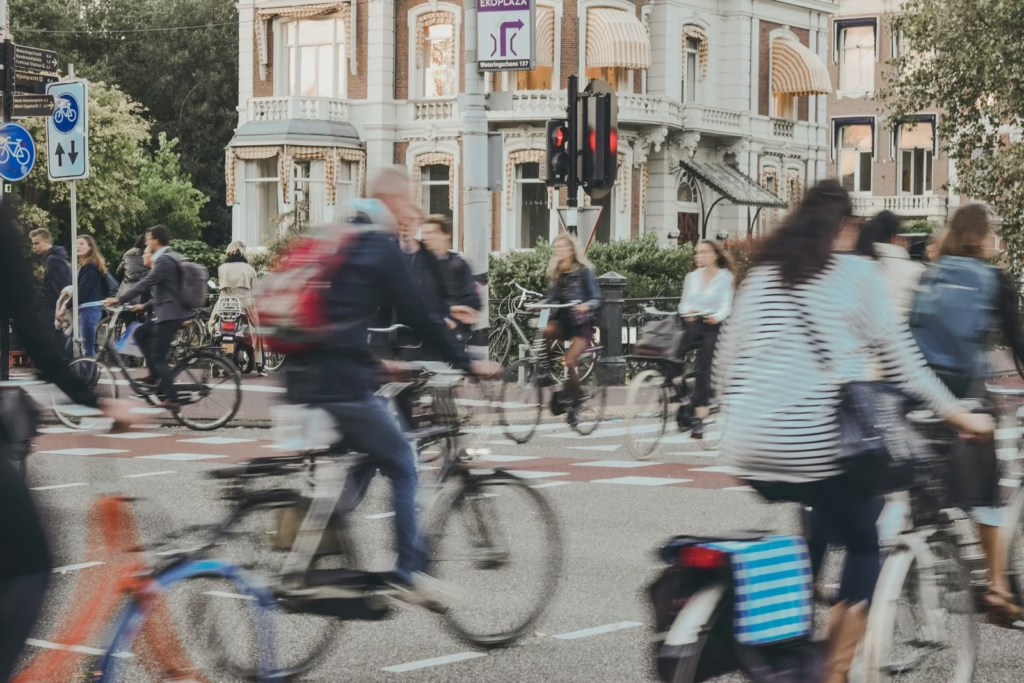
The most successful commuters simplify the process to make it automatic. Pack your work clothing the night before. Keep toiletries at the office. Store a second set of shoes under your desk. Prepare breakfast in advance.
The less you need to think about logistics in the morning, the more relaxed the ride becomes.
Final thoughts
-
 Photo Credit: Getty

Commuting without a shower is entirely realistic with the right approach. Ride at a steady pace, dress sensibly, freshen up quickly upon arrival, and plan your route to prioritise comfort over speed. Over time, the routine becomes second nature, and the morning ride becomes the calmest part of your day.
Cycling to work should feel practical, not complicated. With a few smart adjustments, you can enjoy the fitness, freedom and headspace of commuting by bike without worrying about perfect facilities at the other end.

