
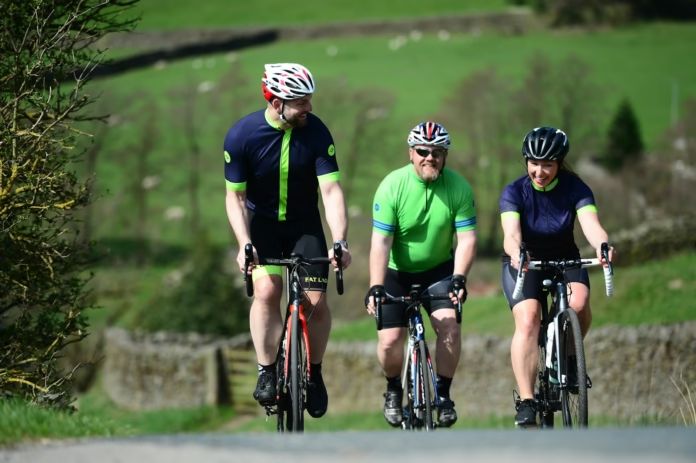
Your first sportive has a habit of feeling bigger than it really is. The route looks long on paper, the start line feels busy, and the build-up can create more nerves than a normal ride ever does. In reality, a sportive is simply a long, well-supported day on the bike. The key to enjoying it is preparation. Knowing what to pack, how to fuel yourself and what the day is likely to feel like removes most of the uncertainty before you even pin on a number.
This guide walks through the essentials in a calm, practical way, focusing on what genuinely matters for a first-time rider rather than overcomplicating the day.
What to pack for your first sportive
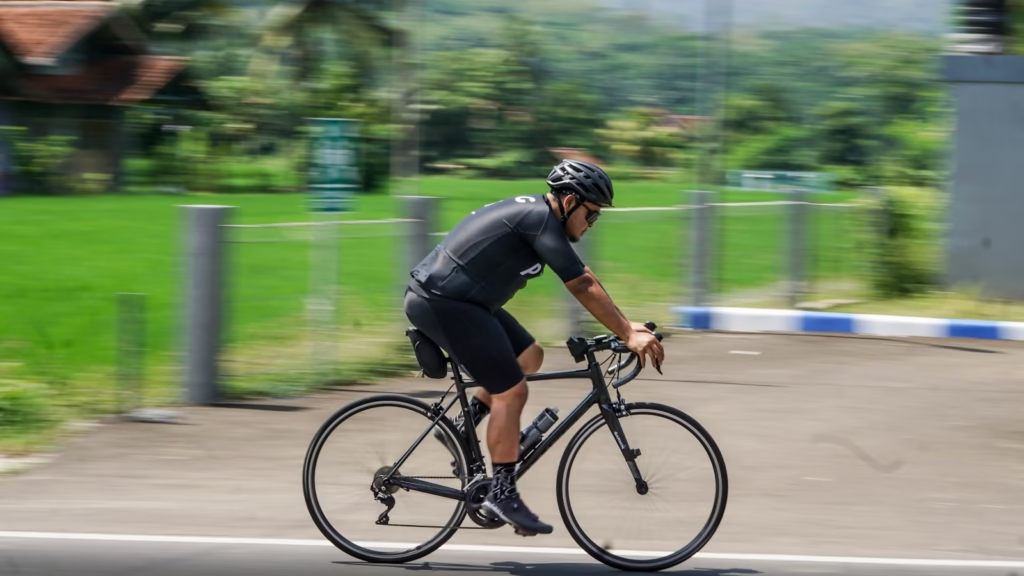
Packing for a sportive is about covering the basics without weighing yourself down. You do not need to prepare for every possible scenario. You just need to be self-sufficient between feed stations and ready for small problems.
On the bike essentials
These items should be with you from the start, either in a saddle bag or jersey pockets:
- One or two spare inner tubes
- Tyre levers
- A compact pump or CO₂ inflator
- A multi-tool
- A phone with battery charge
- Some form of ID and a small amount of cash
Most sportives offer mechanical support, but you cannot rely on it arriving quickly. Being able to fix a puncture yourself keeps the day relaxed.
Clothing choices
Check the forecast the night before, then pack with flexibility in mind. Conditions can change dramatically over several hours.
- A lightweight gilet or windproof layer for early starts and descents
- Arm or knee warmers if temperatures are uncertain
- Full-finger gloves if rain or cold is likely
- Sunglasses to protect your eyes from wind, rain and glare
Avoid using new kit on the day. Comfort matters far more than appearance over long distances.
What to eat and drink on the day
Nutrition is one of the biggest sources of anxiety for first-timers, yet it is also one of the simplest things to get right if you stick to a routine.
Before the start
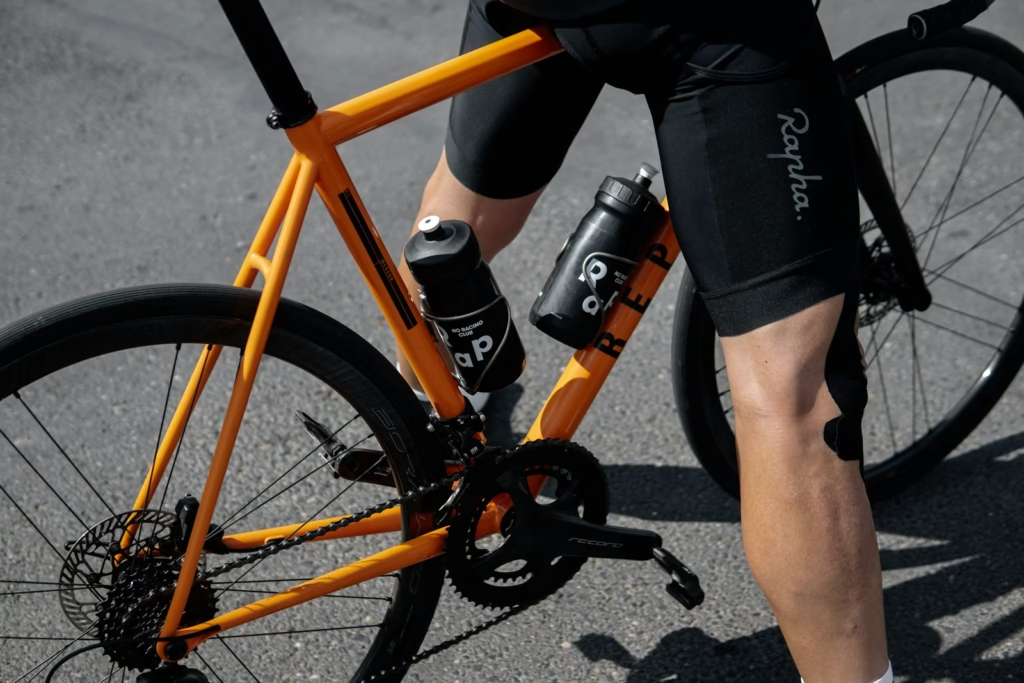
Eat a familiar breakfast two to three hours before riding. This should be carbohydrate-focused and easy to digest. You want to feel fuelled, not heavy. Drink water steadily rather than trying to force fluids at the last minute.
If nerves affect your appetite, even a small amount of food is better than nothing. A banana or slice of toast still helps.
During the ride
The most common mistake is waiting too long to eat. Start fuelling early, even if you feel fine.
As a simple guide:
- Eat something small every 30 to 40 minutes
- Drink regularly, not just when you feel thirsty
- Use feed stations to top up rather than replace everything you carry
Feed station food varies, so treat it as a supplement rather than your entire plan. Carry snacks you already know work for you and use the stops to refill bottles and grab something extra if needed.
After the finish
Once you stop riding, refuel fairly quickly. This helps recovery and makes the journey home far more comfortable. Many events provide food at the finish, but do not rely on it exclusively. A simple meal later in the day completes the process.
What to expect on the road
Understanding how the day tends to unfold removes a lot of pressure. A sportive has a rhythm, and knowing it helps you ride more calmly.
The start
Starts are often busy and a little chaotic. Riders of different abilities set off together, and nerves can make things unpredictable. Do not rush. Settle into your own pace early and let faster riders move on.
The event is long. Nothing is decided in the first ten kilometres.
Riding with others
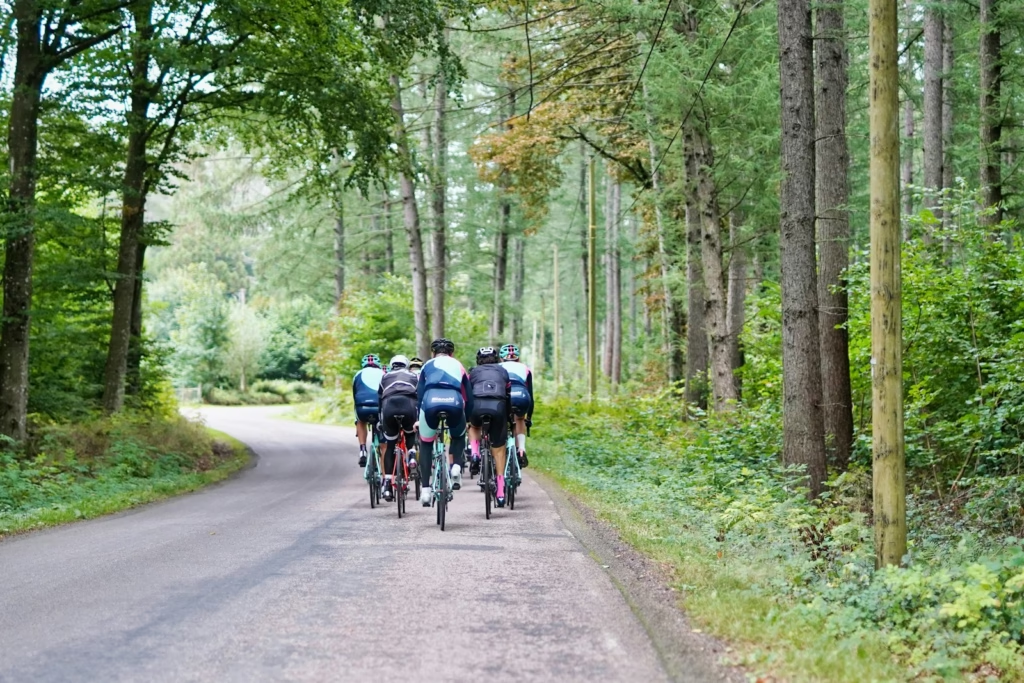
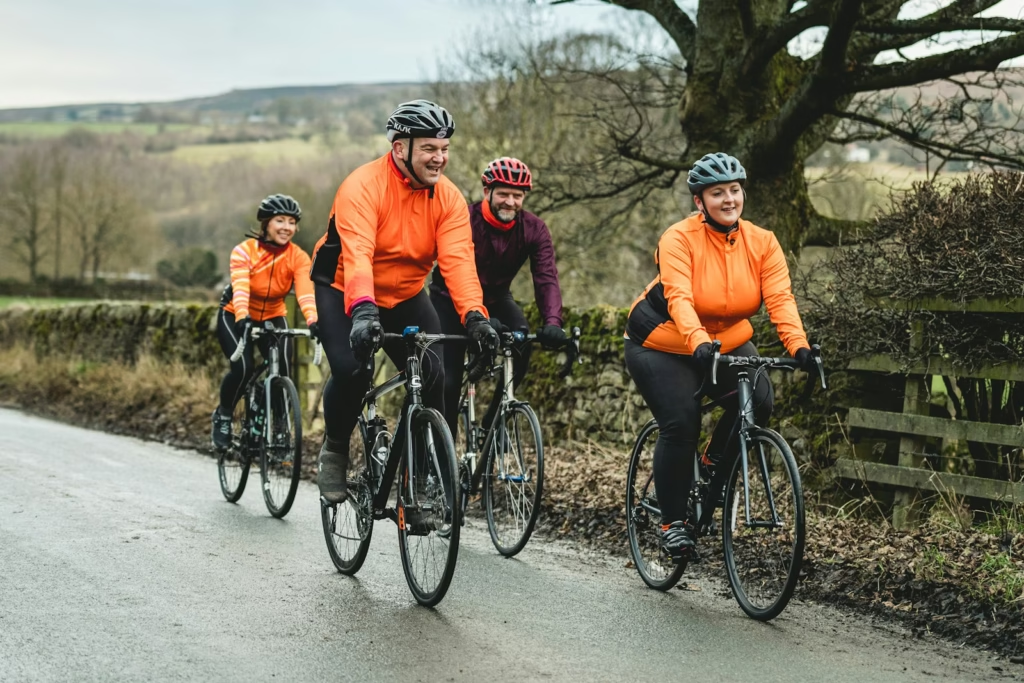
You will likely ride near other cyclists for much of the day, even if you do not plan to sit in groups. Hold a steady line, avoid sudden braking and signal clearly. If group riding makes you uncomfortable, leave space and ride at your own tempo.
There is no obligation to stay with anyone. Riding alone for parts of the day is completely normal.
Feed stations
Feed stations are a chance to reset, not a race. Stop if you need to. Eat, drink, stretch briefly and take a breath. A three-minute pause often saves far more time later by preventing energy dips.
The final third
This is where the day becomes more mental than physical. Fatigue builds, and small problems feel bigger. This is normal. Keep eating, keep drinking and focus on steady progress rather than speed. Most riders feel a lift once they realise the finish is genuinely achievable.
Common first-time mistakes to avoid
Most issues on a first sportive are predictable and easy to sidestep:
- Starting too fast because the group feels quick
- Forgetting to eat until energy suddenly drops
- Wearing untested clothing, shoes or cycle helmets
- Skipping feed stations when already tired
- Comparing yourself constantly to other riders
Ride your own ride. The only meaningful goal is finishing feeling proud rather than emptied.
A simple final checklist
The night before:
- Check your bike: tyres, brakes, chain
- Lay out clothing options
- Pack tools, spares and nutrition
- Charge lights and phone
- Plan travel and arrival time
On the morning:
- Eat something familiar
- Arrive early enough to stay calm
- Start gently and ignore early surges
Final thoughts
-
 Photo Credit: Flavia Ossola
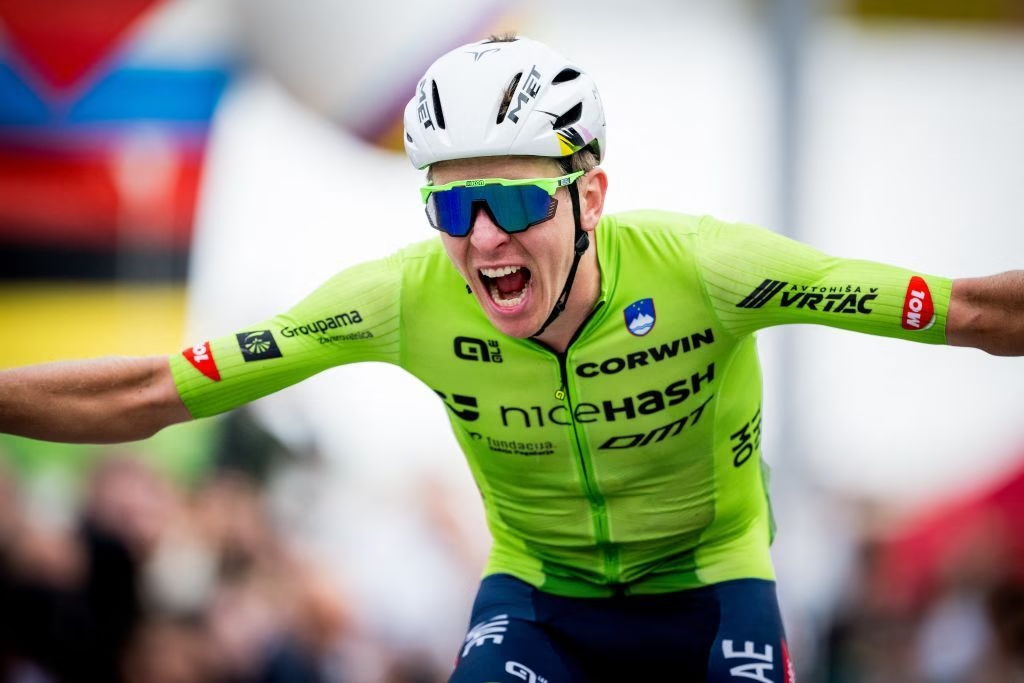
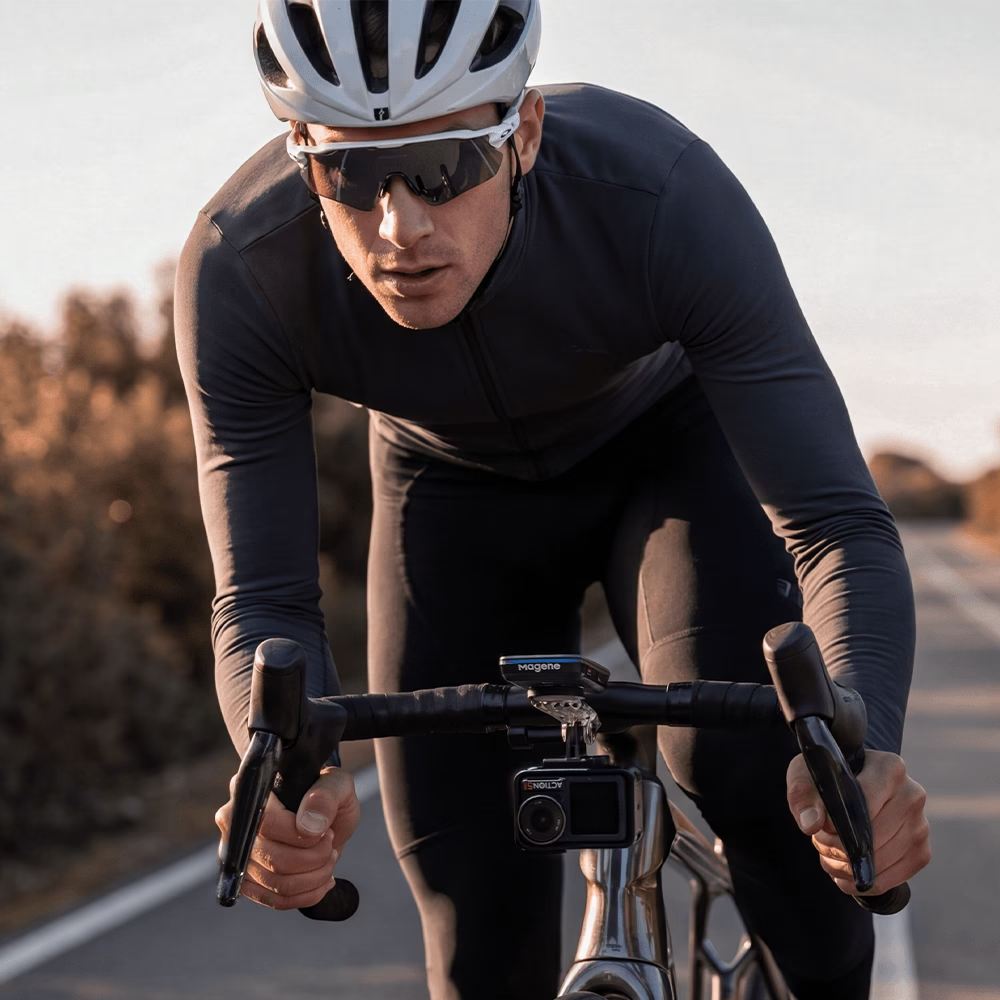
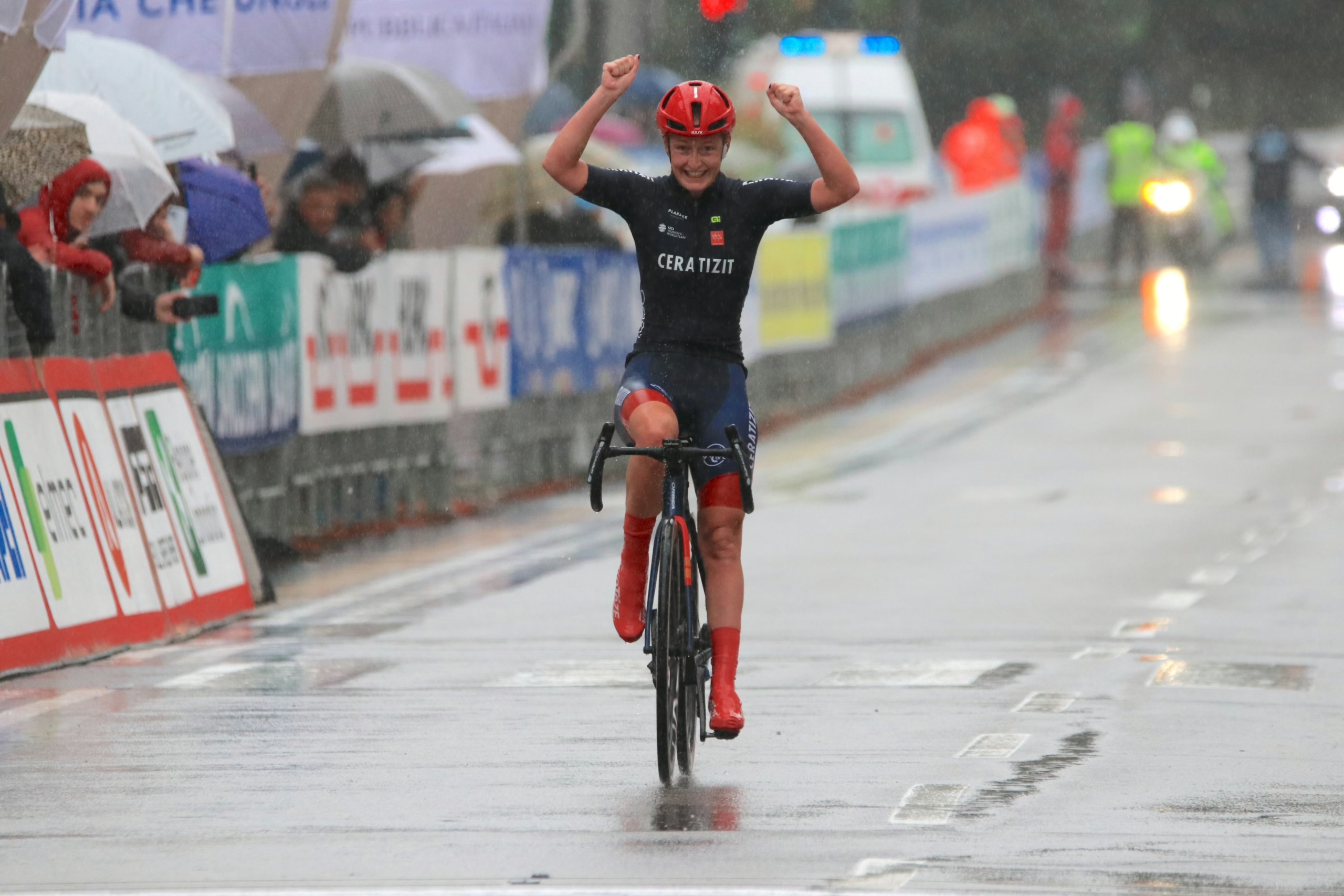
Your first sportive is not a test of toughness. It is a long, well-supported ride designed to be completed by ordinary cyclists with a bit of preparation. If you pack sensibly, fuel consistently and pace yourself with patience, the day unfolds naturally.
Crossing the finish line rarely feels dramatic. It feels quietly satisfying. And more often than not, it plants the idea of the next one before your legs have even cooled down.

