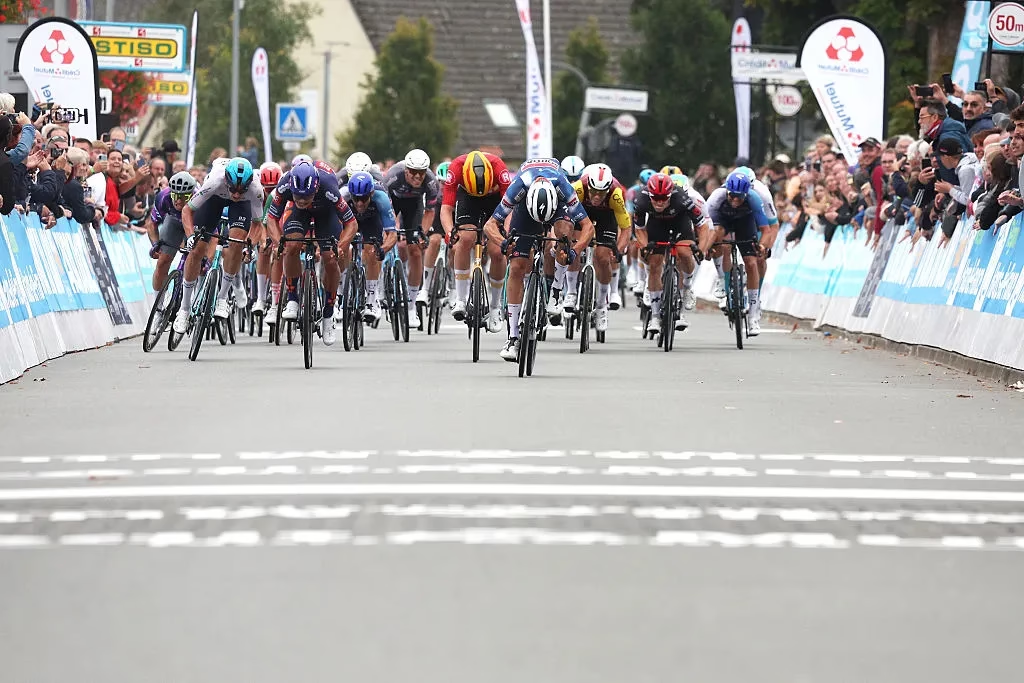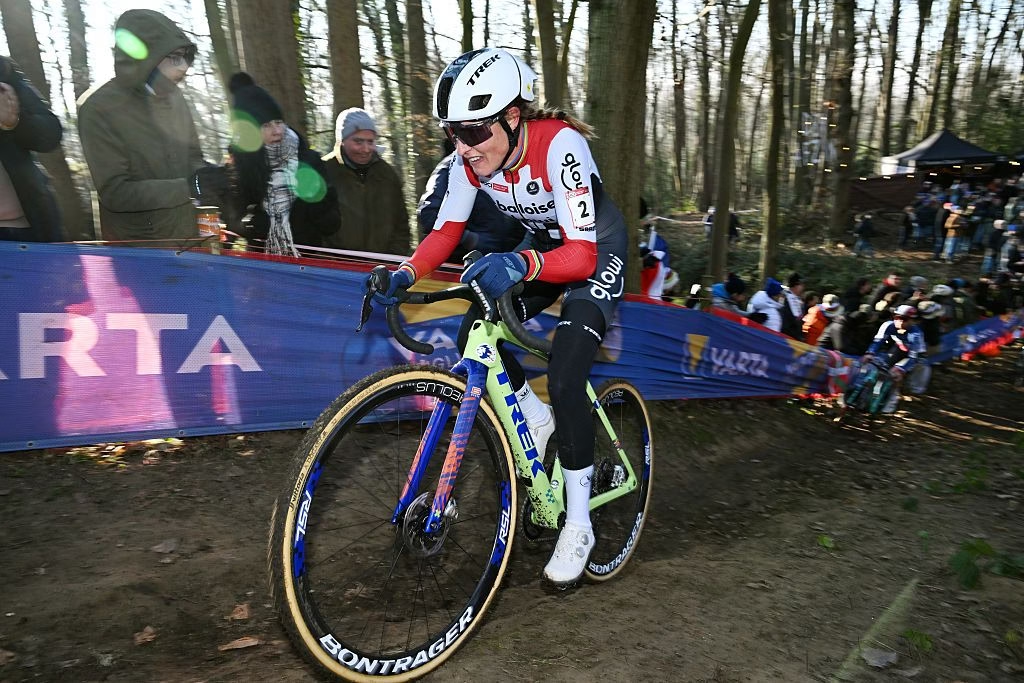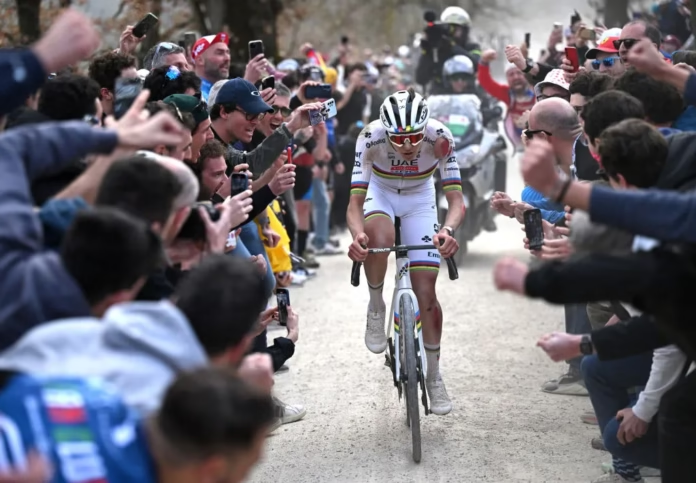
The Men’s WorldTour enters the 2026 season under familiar banners, but with shifting internal pressures. The calendar remains vast, the teams remain powerful, and the biggest races still command global attention. What has changed is the margin for inefficiency. Depth has increased, points have become harder to accumulate casually, and the consequences of sustained underperformance are clearer than ever.
For followers of men’s racing, the WorldTour can appear deceptively simple. Riders win races, teams chase Grand Tours, and the season builds towards a handful of obvious peaks. Beneath that surface, however, sits a system that quietly dictates behaviour across ten months of racing. Points influence scheduling. Obligations shape recruitment. Small results compound into long-term security or risk.
At its core, the Men’s WorldTour is not just a competition between riders, but a negotiation between ambition and stability. Teams chase prestige, but they also chase licence security. Riders seek defining victories, but they operate within structures that increasingly reward consistency, adaptability, and availability. What unfolds on the road is often the visible outcome of planning that began long before the season’s first start line.
This guide explains how the Men’s WorldTour functions as a system, how different races shape behaviour in different ways, and how to interpret results beyond who wins on a given day. It is written for readers who already understand professional road racing, but want a clearer sense of what actually matters as the 2026 season begins.
What the Men’s WorldTour actually is
The Men’s WorldTour is the highest level of professional men’s road cycling, governed by the UCI and built around a fixed group of licensed teams and a defined calendar of races. It combines one-day Classics, week-long stage races, and the three Grand Tours into a single competitive ecosystem that runs from January through to October.
As the 2026 season begins, the scale of that ecosystem remains one of its defining features. WorldTour teams are expected to compete across multiple continents, often with overlapping objectives and limited recovery windows. Unlike lower-tier racing, participation is not discretionary. Teams hold a licence that comes with obligations, including mandatory attendance at WorldTour events, even when the terrain or timing does not align with their strengths.
This obligation shapes almost every aspect of team planning. Recruitment decisions are influenced not just by headline talent, but by the need to field competitive line-ups across a wide range of race profiles. A squad built entirely around Grand Tour GC ambitions must still survive cobbled Classics and flat one-day races. A sprint-focused team cannot ignore mountainous stage races entirely. Over a long season, adaptability becomes a competitive asset.
The calendar itself is uneven by design. A small number of races carry outsized sporting and commercial weight, while others function as connectors between major objectives. The spring Classics establish early hierarchies. Week-long stage races provide form indicators and development space. The Grand Tours concentrate attention, points, and risk. Late-season races often become battlegrounds for teams managing fatigue or protecting ranking positions.
Importantly, the Men’s WorldTour does not reward perfection. With such a long and varied calendar, success is rarely linear. Teams that understand how to absorb setbacks, redistribute effort, and adjust objectives mid-season tend to outperform those chasing a single narrative at all costs.
For readers, this context matters. The Men’s WorldTour is not a league table that resets every weekend. It is a rolling system in which presence, resilience, and cumulative performance shape outcomes as much as isolated victories.
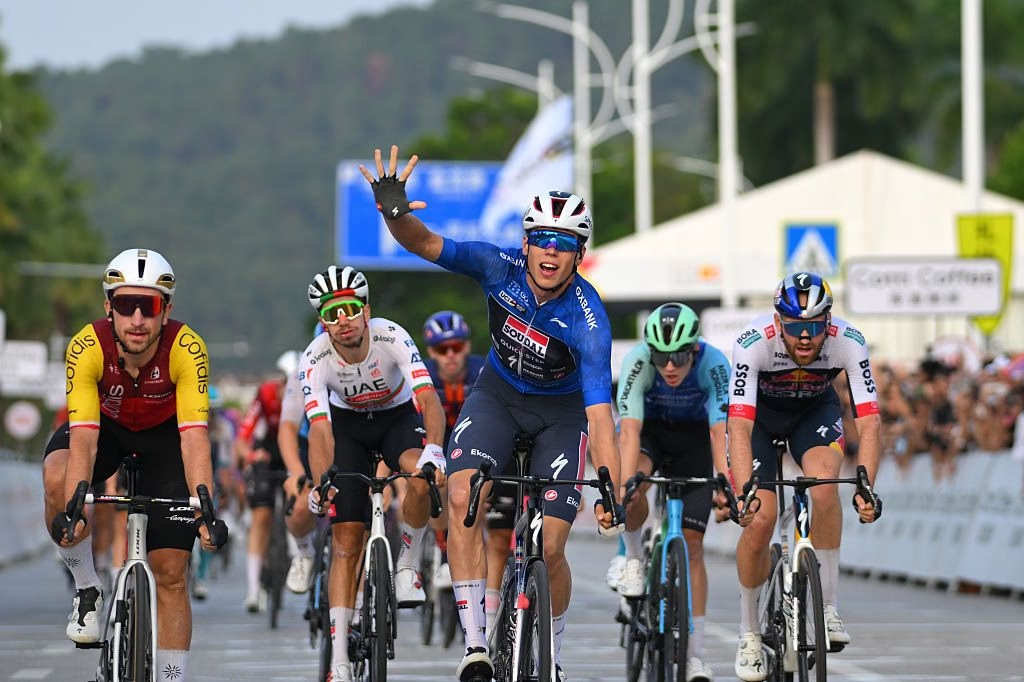 Photo Credit: Getty
Understanding the races and their competitive weight
All Men’s WorldTour races award points and carry obligations, but they do not all shape the season in the same way. As the 2026 season begins, understanding the different roles races play within the calendar is essential to understanding why teams behave as they do.
The spring one-day Classics remain the first major reference point. Races such as Milan-San Remo, the Tour of Flanders and Paris-Roubaix establish early hierarchies and expose both strengths and vulnerabilities within squads. These events are not just prestigious, they are efficient. A strong result delivers significant points in a single day, and performances are closely scrutinised by rivals, sponsors, and media alike.
Different Classics test different attributes. Cobbled races reward depth, positioning, and resilience under chaos. Teams with multiple riders capable of surviving to the finale often outperform those built around a single leader. Hilly Classics such as Amstel Gold Race, Flèche Wallonne and Liège-Bastogne-Liège favour sustained power and tactical patience, with outcomes often shaped by who can respond repeatedly rather than who attacks first.
Week-long stage races serve a more nuanced function. Early-season events like Paris-Nice and Tirreno-Adriatico act as form indicators, particularly for riders targeting the Giro d’Italia or Tour de France later in the year. Later races such as the Critérium du Dauphiné and Tour de Suisse remain the clearest rehearsal spaces for Tour de France ambitions, both in terms of leadership hierarchy and team cohesion.
These races also offer strategic flexibility. A team without a realistic GC contender can still extract value through stage wins, breakaways, and secondary placings. Over several days, consistent visibility and points accumulation can quietly stabilise a team’s season, even without headline success.
The Grand Tours sit at the centre of the WorldTour, but they also compress risk. The Giro d’Italia, Tour de France and Vuelta a España deliver the largest points hauls and the greatest exposure, yet they also magnify the consequences of misfortune. A crash or illness can undo months of planning, and teams increasingly approach Grand Tours as part of a broader seasonal picture rather than isolated objectives.
Not every WorldTour race is designed to select the strongest rider overall. Some events act as form tests, others as opportunities to score efficiently, and others as exercises in damage limitation. As 2026 begins, teams that clearly understand which races matter most to their own objectives tend to race with greater clarity and coherence.
For viewers, the key distinction is between races that define hierarchy and races that generate opportunity. Both shape the season, but they do so in different ways.
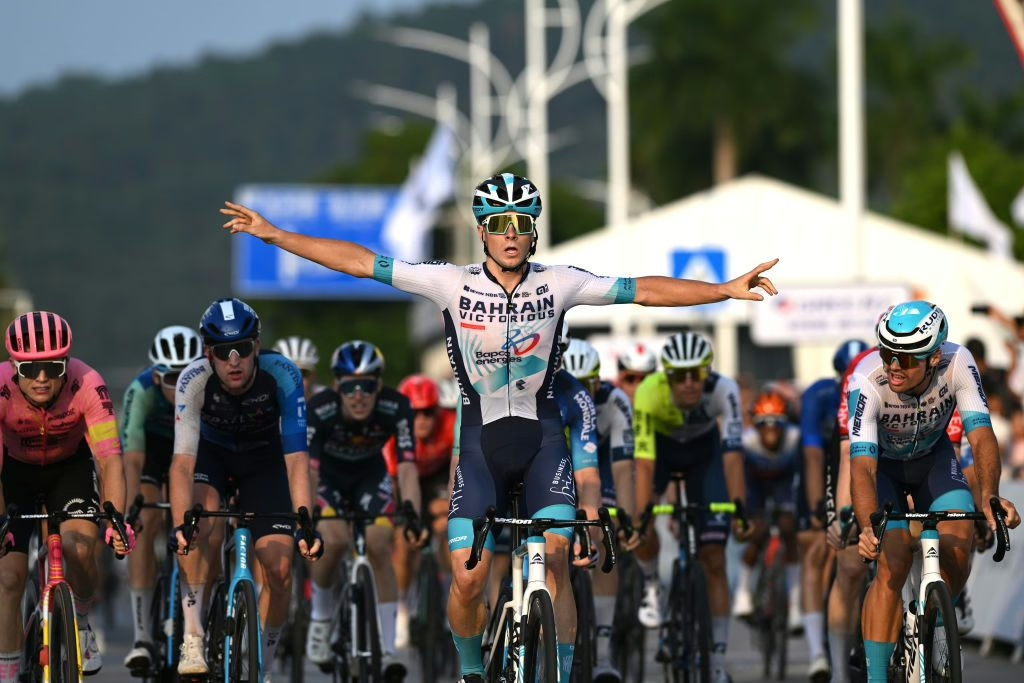
The Men’s WorldTour points system explained
The Men’s WorldTour points system underpins much of what teams do, even when it is not immediately obvious from how races unfold. As the 2026 season begins, its influence is particularly significant because licence security is assessed over rolling multi-year periods rather than single campaigns.
At WorldTour level, points are awarded for placings in one-day races, stage wins, and general classification results. The scale is weighted heavily towards the most prestigious events, but it is deliberately structured to reward accumulation rather than isolated success.
Major one-day Classics award points deep into the top finishers. A rider placing consistently in the top ten across races like the Tour of Flanders, Paris-Roubaix and Liège-Bastogne-Liège can generate a substantial return without ever standing on the top step of the podium. For teams, these results are valuable not only for visibility but for efficiency. One strong day can stabilise weeks of average returns elsewhere.
Stage races amplify this effect. Overall GC placings at WorldTour stage races deliver some of the largest single points hauls available outside the Grand Tours. This is why teams place such emphasis on building functional GC support, even when outright victory appears unlikely. A rider finishing fifth or sixth overall at a race like Paris-Nice or the Critérium du Dauphiné can quietly outperform a teammate who wins a single stage but fades thereafter.
Individual stage wins also carry points, though fewer than GC placings. This creates a clear strategic pathway for teams without a realistic overall contender. By targeting breakaways, sprint opportunities, or transitional stages, teams can accumulate points steadily across a season, particularly in races where GC margins remain tight.
To understand how this plays out, consider a simple scenario. A rider finishes seventh at the Tour of Flanders and ninth at Paris-Roubaix, then places eighth overall at Tirreno-Adriatico. None of these results are headline-grabbing, but together they represent a significant points return. Over a season, patterns like this often matter more to team rankings than occasional victories followed by long periods of invisibility.
These points feed into three parallel systems:
- Individual rider rankings, influencing leadership roles and contracts
- Team rankings, shaping competitive standing
- WorldTour licence evaluations, assessed over multiple seasons
This final element explains much of the defensive racing seen throughout the year. Teams fighting to protect their licence often race with a different set of priorities to those chasing prestige alone. A ninth place secured at the end of a hard race can be more valuable than a risky move for victory that fails.
For viewers, this offers a useful lens. When teams ride aggressively to defend minor placings late in races, they are often racing for the season rather than the day.
Teams and strategy: depth over dependency
As the 2026 season begins, the Men’s WorldTour continues to reward teams built around depth rather than dependency. The length and diversity of the calendar make it increasingly difficult to centre a season around a single rider or objective without exposing vulnerabilities elsewhere.
WorldTour squads are large by design, but size alone does not guarantee resilience. What matters is functional balance. Teams that can field competitive line-ups across flat one-day races, cobbled Classics, hilly terrain, and multi-week stage races are better equipped to absorb disruption. Injury, illness, and misfortune are unavoidable over ten months of racing. Teams that rely too heavily on one leader often struggle to adapt when plans unravel.
Recruitment decisions reflect this reality. Rather than focusing solely on headline signings, teams increasingly prioritise riders who can contribute in multiple contexts. These are riders who can finish races consistently, animate breakaways when leadership options are limited, and still deliver points while supporting others. Over a season, that versatility often proves more valuable than narrow specialisation.
Contract extensions and retention are equally revealing. Teams that secure continuity in key roles often signal long-term planning rather than short-term opportunism. Riders who understand team systems, communication structures, and tactical expectations reduce risk in a calendar where preparation time is limited and recovery windows are short.
This approach is particularly visible among teams operating under points pressure. Rather than chasing occasional wins at all costs, these squads often aim to spread responsibility across the roster. Multiple riders capable of top 15 or top 20 finishes across different race types can stabilise a season more effectively than a single rider chasing high-risk results.
As the WorldTour moves into 2026, the teams best positioned to succeed are not always those with the most recognisable names, but those with the clearest understanding of how to convert opportunity across the full calendar.
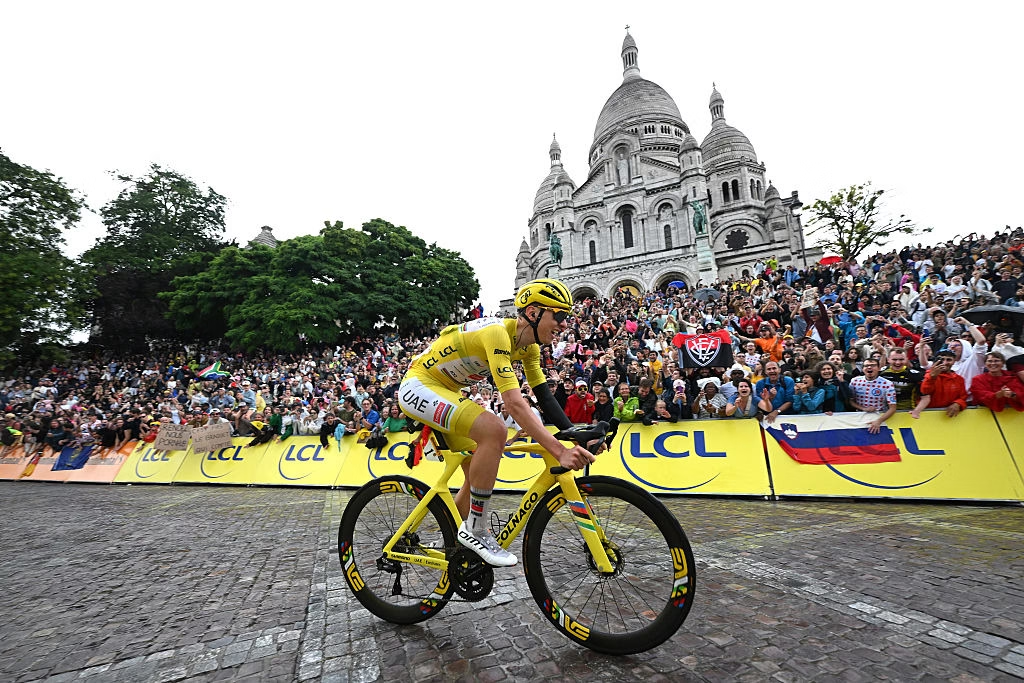
 Photo Credit: LaPresse
How to read a Men’s WorldTour season
As the 2026 season begins, one of the most common mistakes is to judge progress by victories alone. In the Men’s WorldTour, wins matter, but they are only one signal among many. A clearer picture emerges when the season is read through patterns rather than isolated results.
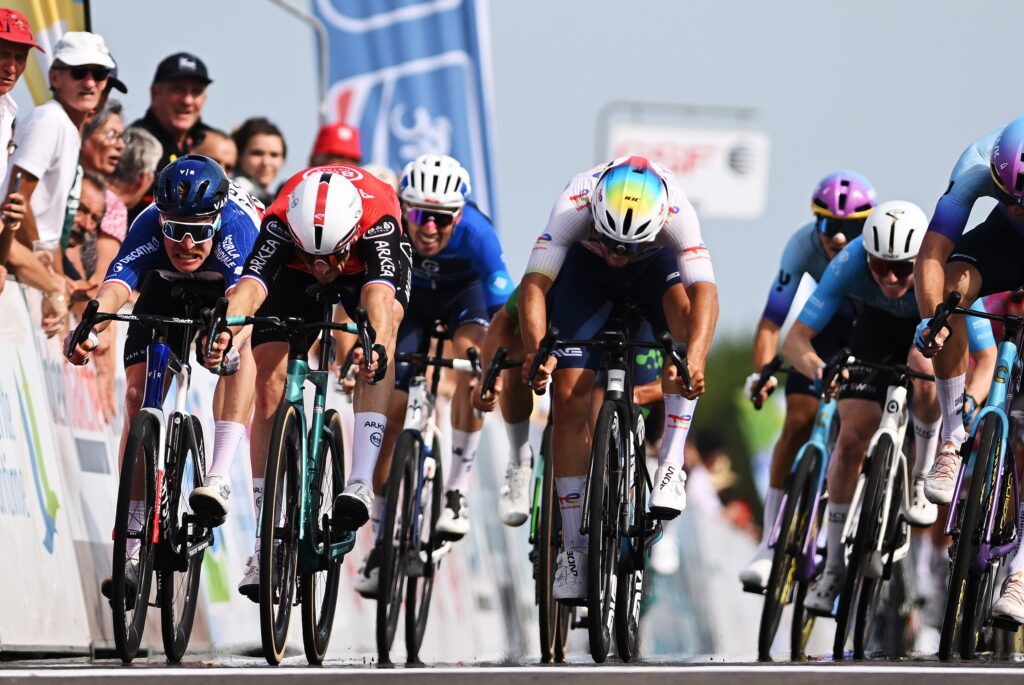
The first pattern to watch is presence in finales. Teams that consistently place riders in the final selection of races, even without winning, often have the strongest internal structures. Repeated top ten or top 15 finishes across different race types usually indicate effective planning and depth, particularly early in the season when form is uneven across the peloton.
Next, observe role allocation. Which riders are protected in key moments, and when does that protection change? Early-season races are often used to test leadership hierarchies. A rider given freedom in March may be preparing for a larger role later in the year, while a rider riding defensively may be conserving effort for a specific block of races.
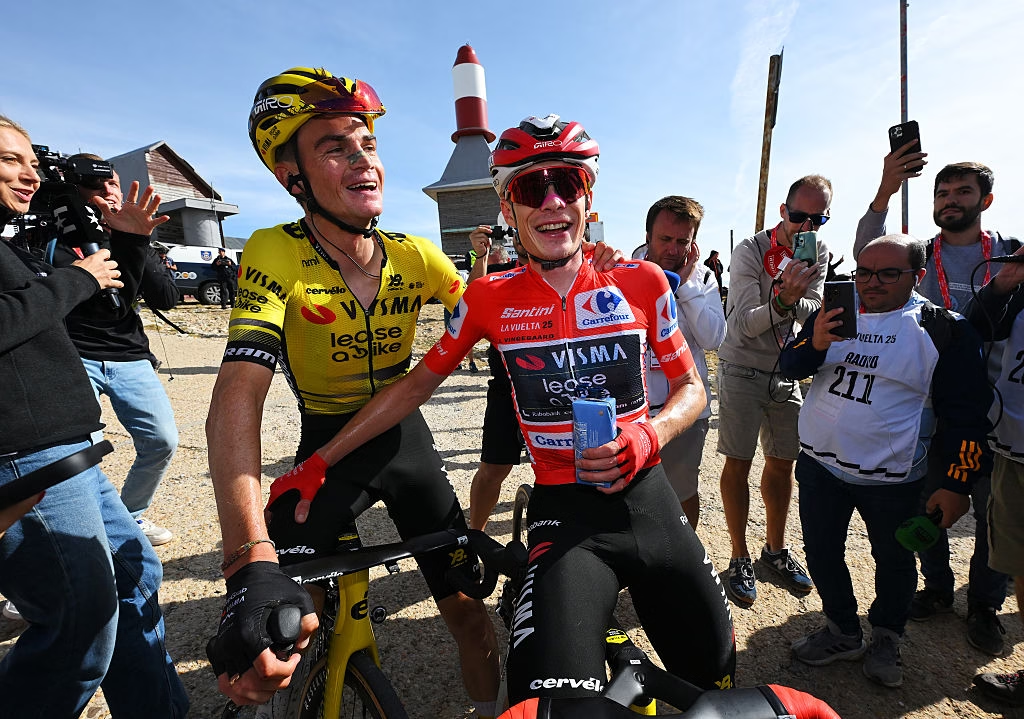 Photo Credit: Getty
Defensive racing is another important signal. Teams riding conservatively to secure eighth, ninth, or tenth place late in races are often responding to points pressure rather than a lack of ambition. This behaviour becomes more pronounced as the season progresses and teams gain clarity on their ranking position relative to rivals.
Calendar sequencing also reveals intent. Teams rarely peak at random. Strong performances clustered around similar race types usually reflect deliberate targeting. If a team repeatedly performs well in hilly one-day races or transitional stage races, it is often by design rather than coincidence.
Finally, context matters. Illness, crashes, travel, and equipment changes all shape performance. A rider finishing outside the top ten after a disrupted preparation may be riding closer to peak than the result suggests. Over a long season, those details often explain sudden improvements or declines better than form alone.
For viewers, the key is patience. The Men’s WorldTour rewards sustained attention. The story of a season is rarely written in a single weekend. It develops through repeated decisions, small gains, and visible adaptation.
 Photo Credit: LaPresse
Where the Men’s WorldTour stands heading into 2026
As the 2026 season begins, the Men’s WorldTour is defined less by prolonged dominance and more by competitive density. While clear leaders still exist in certain disciplines, the margin between the very top and the chasing group has narrowed across much of the calendar. This is particularly evident in one-day racing and week-long stage races, where depth and tactical clarity increasingly outweigh raw superiority.
The calendar now rewards teams that understand how to manage effort across long arcs rather than peak repeatedly at isolated moments. Early-season races are no longer treated purely as preparation. Strong results in February and March can shape ranking positions, squad confidence, and internal hierarchy for months. Conversely, poor starts often force teams into reactive strategies that prioritise points accumulation over ambition.
Grand Tours remain the sport’s focal points, but they no longer exist in isolation. Their influence extends beyond three weeks, affecting how teams allocate resources, manage risk, and deploy riders across the entire season. A successful Grand Tour campaign can stabilise a team’s year. A failed one can place pressure on the remaining calendar.
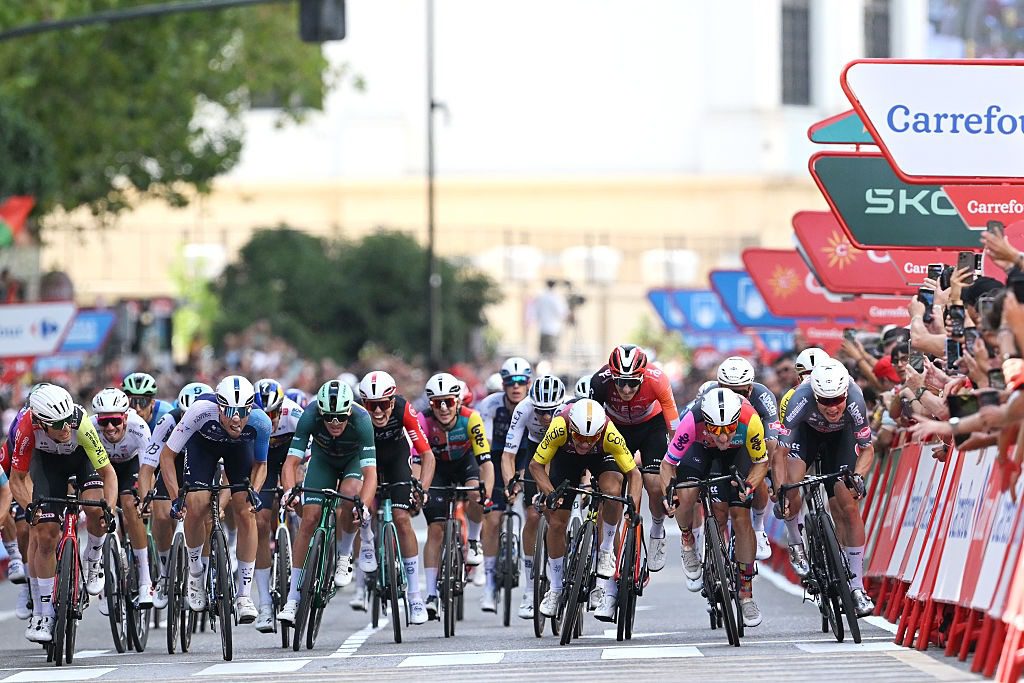 Photo Credit: Getty
One of the most notable features heading into 2026 is how clearly incentives now shape behaviour. Teams are increasingly transparent in their objectives, whether that means chasing prestige, protecting licence security, or developing riders within a controlled framework. This clarity has not reduced unpredictability. Instead, it has made the sport’s underlying logic easier to read.
For followers of men’s cycling, this creates a more layered experience. Races can be enjoyed in isolation, but they also fit into longer narratives shaped by points, obligations, and planning. Success is increasingly measured not just by what is won, but by how consistently teams and riders influence the racing.
Once these structures are understood, the Men’s WorldTour becomes less opaque. The apparent chaos of a long season resolves into patterns of intent, adaptation, and accumulation. Recognising those patterns is key to understanding what unfolds on the road in 2026.