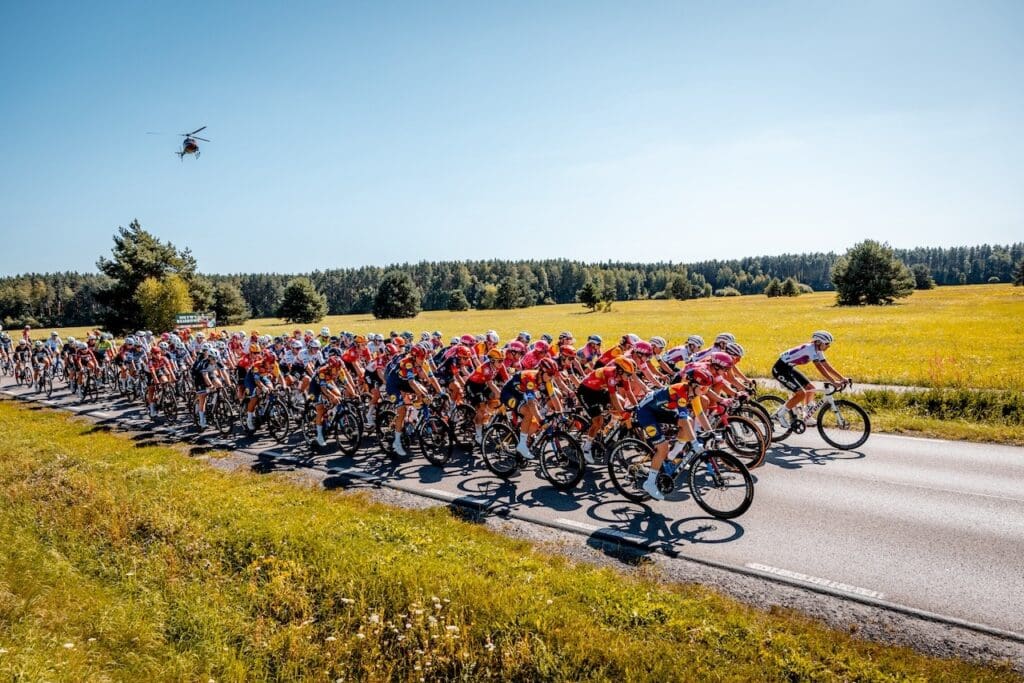
Women’s WorldTour racing is fast and fluid. Riders move as one, attacks form and fade, and a sprint train appears in the final kilometre. But none of this happens by chance. Team strategy guides every move, even when the race feels wild.
The Plan Starts Long Before the Flag Drops
Team strategy begins weeks before a race. Coaches study routes, weather forecasts, and past race results. They also look at data from training and racing. Power numbers, heart rate trends, and recovery scores help show which riders are ready and which need support. All these points allow coaches to build a clear plan. One rider may aim for the win. Another may target a breakaway or protect the leader deep into the race.
Data shapes how risks are judged. Even platforms that offer credit card betting use race stats, recent results, and rider history to set odds. These betting platforms also offer punters safety tools, spending limits, and clear payment choices. The link between racing and betting lies in reading numbers, weighing risk, and acting with control rather than guesswork.
But the numbers don’t decide everything. A rider may look strong on paper yet feel off on the day. Another may exceed expectations despite quiet data. Plans are flexible: riders know the goal but must respond to the race as it unfolds, using both feedback from their bodies and the figures they trust.
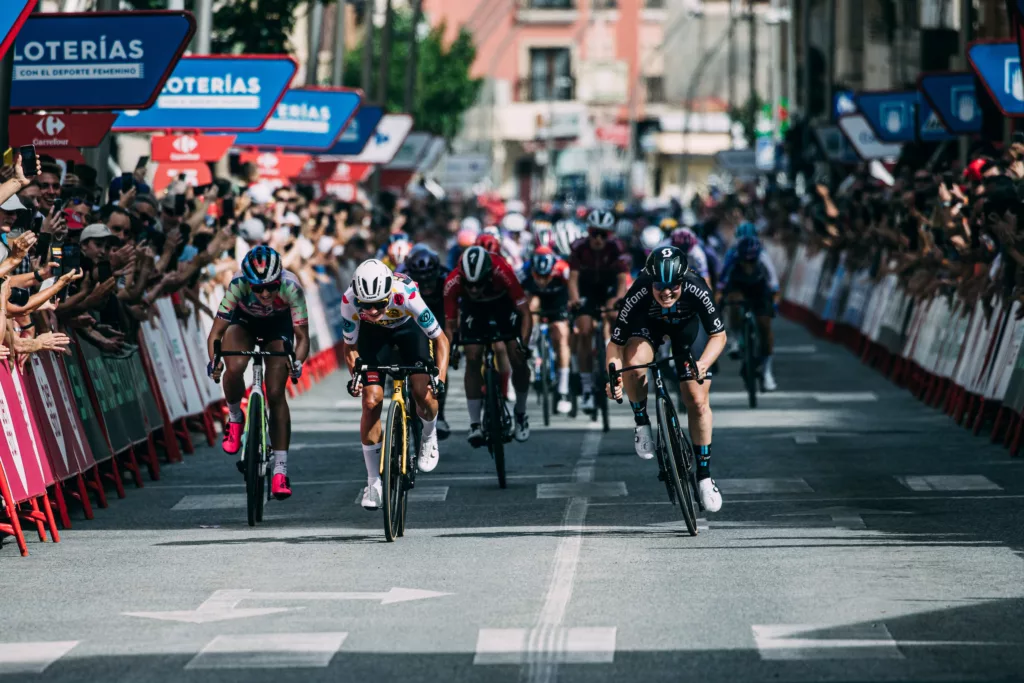 Photo Credit: Francesco Rachello/Tornanti.cc
Roles Inside the Team
Every rider has a job, and these roles shape how the team rides from start to finish.
The team leader is the rider with the best chance to win or place high. The whole plan often points towards this rider, and teammates ride to protect her and save her energy.
Domestiques do the hard work. They fetch bottles, set tempo, and chase breaks. They usually go unnoticed, but they matter more than most fans realise.
Some riders act as road captains. They read the race and talk on the radio, helping adjust the plan when things change.
Women’s teams are often smaller than in the men’s WorldTour, making each role even more crucial. One mistake can leave a leader alone too early, and there simply aren’t enough riders to recover from that.
Reading the Race as It Unfolds
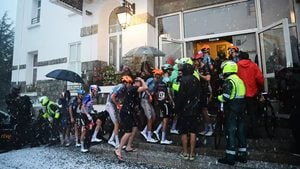
Race day brings chaos. Wind shifts, crashes happen, and rival teams attack at odd times. Strategy becomes a live process, constantly adapting.
Teams watch for key moments: crosswinds that split the bunch, climbs that thin it out, and narrow roads that raise stress and risk. A good team rides near the front to avoid trouble and stay out of danger.
Communication matters here. Riders use radios when allowed, but they also rely on hand signals and quick words. Decisions must be fast and clear, made in split seconds whilst riding at speed.
A team may switch plans mid-race. If a leader feels bad, another rider may get the freedom to attack. If rivals look weak, the pace may rise to test them. Flexibility can be the difference between winning and losing.
 Photo Credit: Getty
Breakaways and When to Let Them Go
Breakaways shape many women’s races, and deciding whether to chase is a big call that teams wrestle with constantly. If a break has no serious threats, teams may let it go. If a dangerous rider slips away, the response must be quick and decisive.
Teams share the chase when goals align. No one wants to do all the work, which leads to short pulls and tense glances between rivals who are suddenly working together.
Sometimes a team sends a rider into the break on purpose, removing the need to chase and adding pressure on other teams.
Knowing when to act takes experience. Rookie riders learn this skill over seasons, not weeks, often making costly mistakes along the way.
Sprint Trains and Lead-Outs
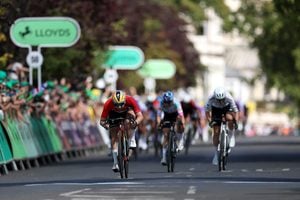
Sprint stages show team strategy in its clearest form. The final kilometres are planned in detail, almost choreographed.
A sprint team forms a train, with each rider taking a turn at the front. Speed stays high to block attacks, and the last rider delivers the sprinter at the perfect moment, usually with 150 to 200 metres to go.
Timing matters more than raw power. Go too early, and you fade before the line. Go too late, and you get boxed in, watching others sprint past.
Even teams without a top sprinter can still make a plan. They can ride for a top ten finish or aim to disrupt rival trains and create chances for an upset.
Climbing Days and Stage Racing
In stage races, climbing days often decide the overall standings. Strategy runs deep, with battles won and lost through controlled aggression.
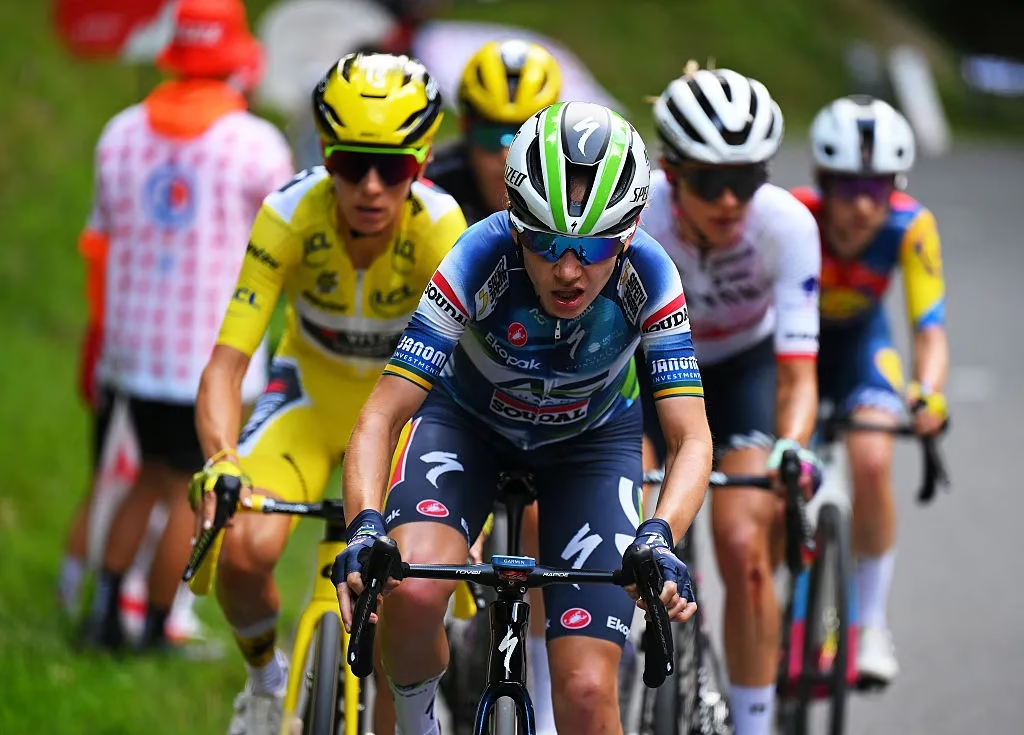
Teams set a steady pace on long climbs, limiting attacks and protecting their leader from energy drain. If a leader feels strong, the team may raise the pace. This tests rivals and exposes weakness. A single surge can crack a race open, shattering a peloton that looked solid moments before.
Energy management rules these days. Riders eat and drink on schedule, and teammates shield the leader from wind and stress, treating her like precious cargo.
Time lost on one bad day can ruin a week of work. Strategy aims to avoid losses before chasing gains, playing defence before thinking about attack.
The Mental Side of Team Strategy
Tactics live in the mind as much as the legs. Trust holds teams together and makes the impossible possible. Riders must believe in the plan and in each other. Doubt leads to hesitation, and hesitation costs races. It’s that simple.
Leaders rely on teammates to make sacrifices, often riding themselves into the ground. Domestiques trust that their work has value, even without headlines or podium appearances.
Pressure plays a role, too. Women’s WorldTour riders race with contracts and careers in mind. Staying calm under stress is a skill teams train for, practising scenarios again and again.
Good teams talk openly after races. They review choices and mistakes, celebrating what worked and learning from what didn’t. Learning never stops, even for the most experienced riders.
Final Thoughts
Team strategy in women’s WorldTour racing is clear once you know where to look. Plans form early but shift with each kilometre. Roles guide effort, and trust binds it all together. Every move has a reason, and every rider plays a part.