
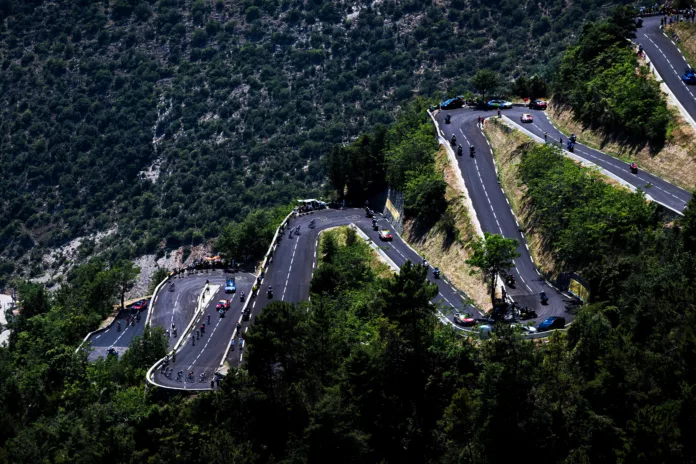
The French Riviera offers some of Europe’s most spectacular cycling, combining Mediterranean coastal routes with challenging Alpine climbs. Whether you’re a beginner seeking gentle seaside rides or an experienced cyclist ready to tackle mountain passes, Nice and the Côte d’Azur deliver unforgettable two-wheeled adventures.
Best Cycling Routes in Nice and the Côte d’Azur
The region boasts over 150 cycling routes, ranging from flat coastal promenades to demanding mountain ascents that reach an elevation of 1,500 metres. Each route offers its own character and challenge, with the landscape transforming dramatically as you move from sea level to the foothills of the Maritime Alps.
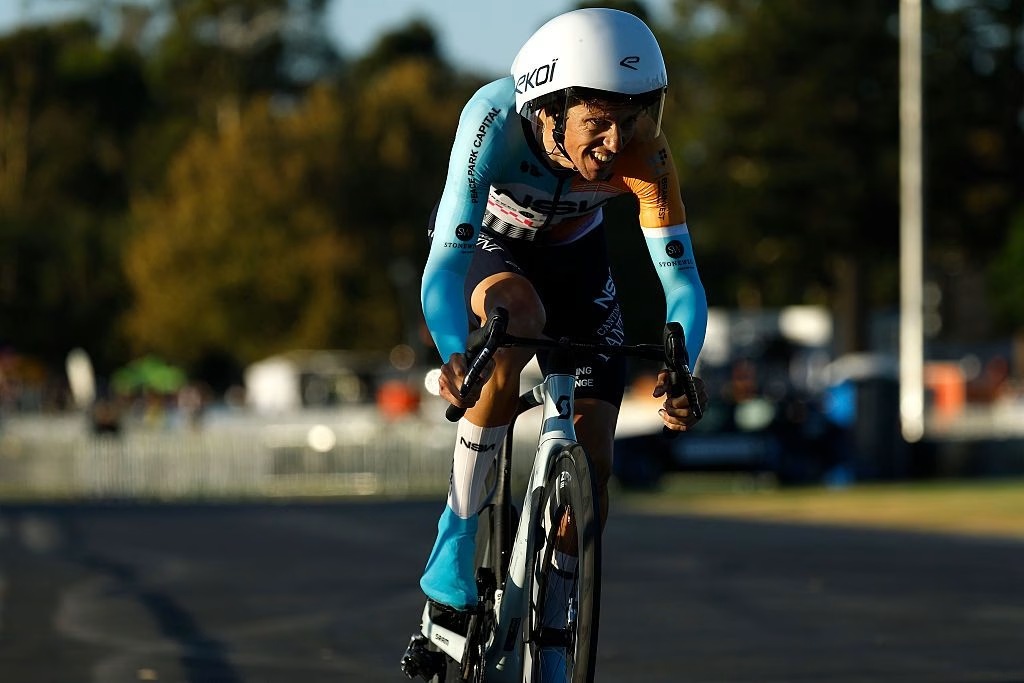
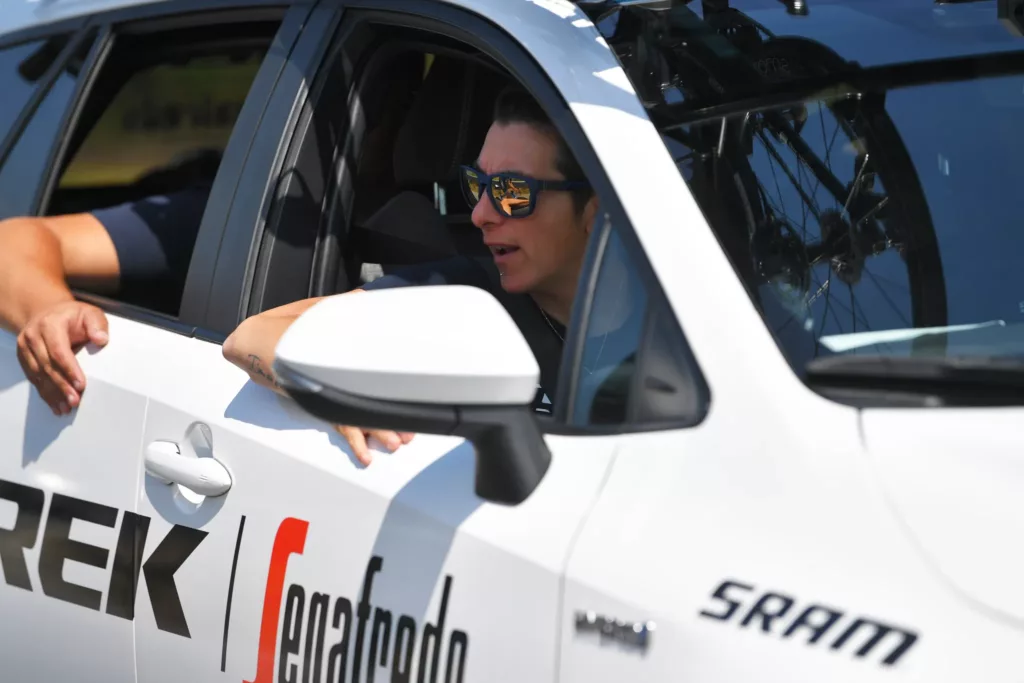
For cyclists inspired by professional racing, the determination and spirit shown by riders in competitive settings resonates beautifully with these stunning French routes. The Côte d’Azur has long been a training ground for professional cyclists, who appreciate both the varied terrain and year-round riding conditions.
The Grand Corniche: Coastal Climbing with Panoramic Views
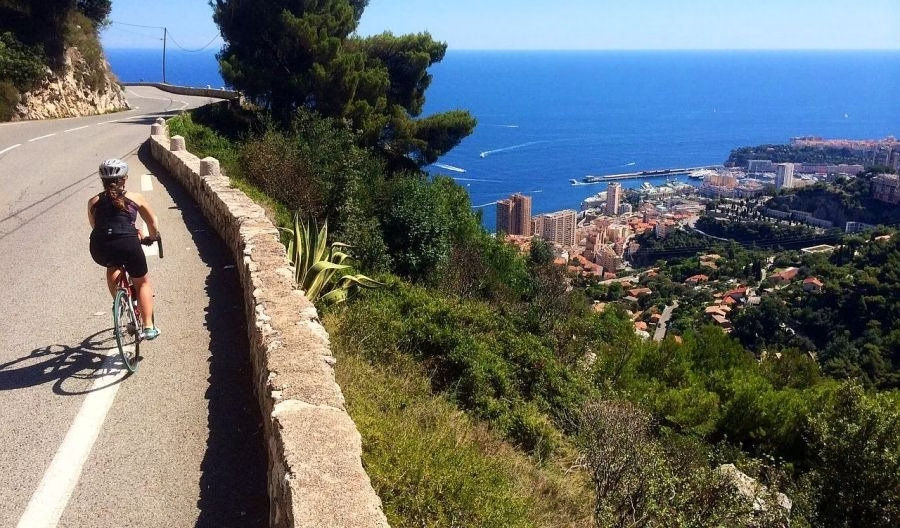
The Grand Corniche represents one of the most iconic cycling routes on the French Riviera. This broad, well-maintained road climbs steadily from Nice, offering increasingly dramatic views as the city shrinks below. The gradient is constant but never punishing – it’s less about brute force and more about finding a sustainable rhythm.
As you ascend, the air grows cooler and the scent of pine mingles with the salty Mediterranean breeze. The coastline unfurls below like a ribbon of impossibly blue water meeting sun-drenched land. Small villages cling to hillsides, their stone houses testament to centuries of resilience. This is a route that demands contemplation, where each pedal stroke rewards you with expanding vistas.
Route characteristics:
- Distance: Varies depending on starting point, typically 15-25km one way
- Gradient: Steady 4-6% with occasional steeper sections
- Surface: Excellent tarmac throughout
- Traffic: Moderate, with wide roads accommodating both cyclists and vehicles
The climbing techniques required here mirror those used by professionals tackling major tours. Understanding proper climbing form and pacing strategies can significantly improve your experience on these sustained gradients.
Èze: Medieval Villages and Technical Climbing
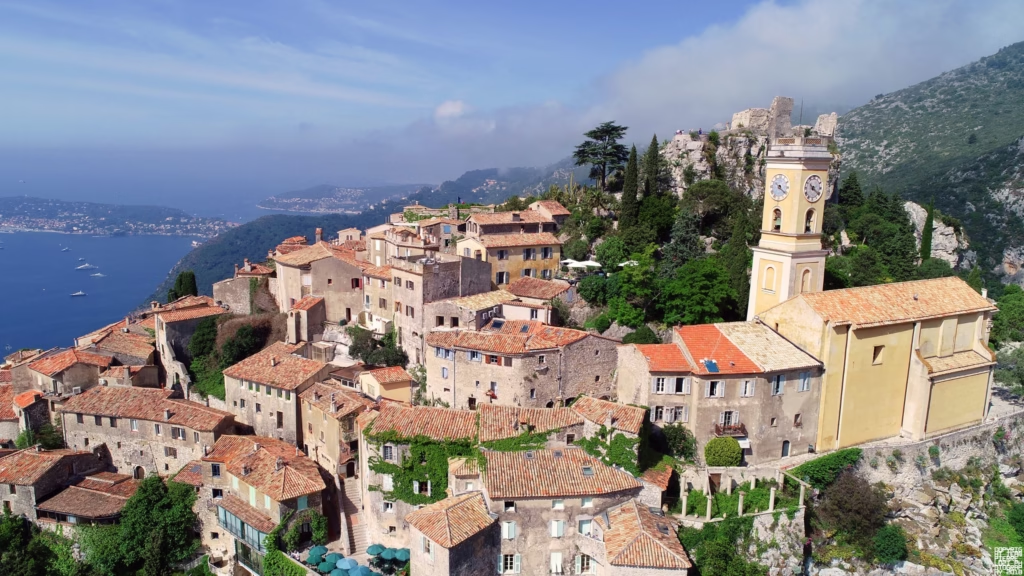
Moving inland from the Grand Corniche reveals a more intimate landscape. The road narrows, weaving through ancient olive groves and fragrant garrigue. The climb to Èze village shifts in character entirely – steeper gradients, tighter bends, and a surface that demands more focus and precision.
This isn’t a single sustained effort but a series of fluctuating gradients. One moment you’re pushing hard, feeling your breath catch, the next you’re on a brief plateau allowing your lungs to recover. The reward comes in increasingly breathtaking perspectives, culminating in Èze itself – a jewel box perched precariously on the cliff edge.
The descent offers a different thrill entirely. The road twists serpentine back towards the coast, requiring confident braking and smooth cornering. It’s not about speed but about fluid interaction with the topography, leaning instinctively into curves as the bike responds with intuitive grace. For tips on mastering technical descents safely, proper technique makes all the difference.
Inland Routes: Maritime Alps Foothills
The foothills of the Maritime Alps present a stark contrast to dramatic coastal vistas. Here the landscape becomes more rugged and untamed. Olive groves give way to scrubland, with occasional cypress trees standing sentinel against the sky. The scent of pine fills the air with rich, earthy aroma.
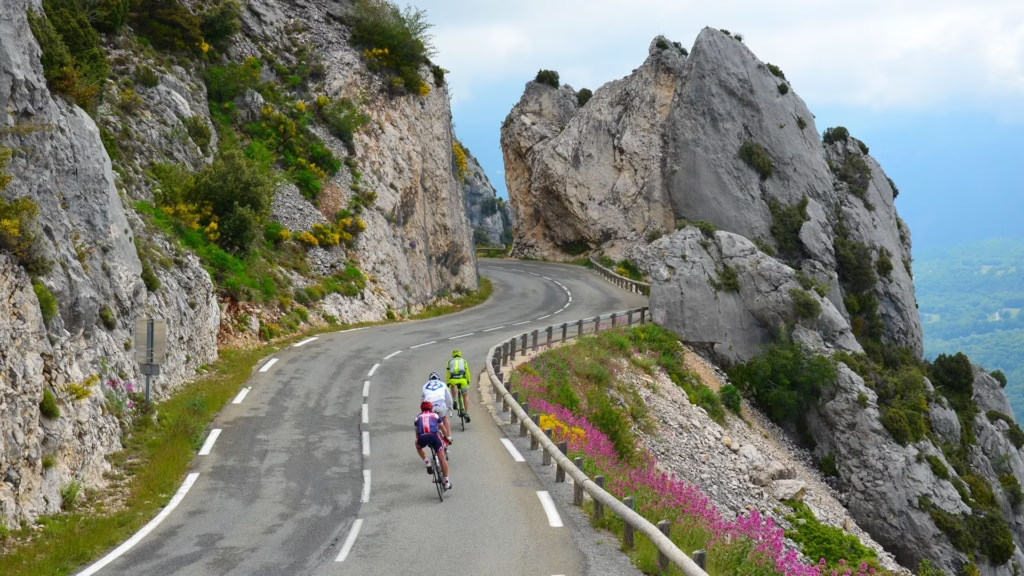
These climbs are more demanding, with gradients more insistent and sustained. The roads narrow considerably, winding through small hamlets where life moves at a pace dictated by sun and seasons. Views shift from expansive sea panoramas to intimate glimpses of rolling hills and secluded valleys, with sunlight dappling through trees to create shifting patterns on the tarmac. The Maritime Alps routes embody that spirit of adventure and personal challenge.
Promenade des Anglais: The Perfect Beginner Route
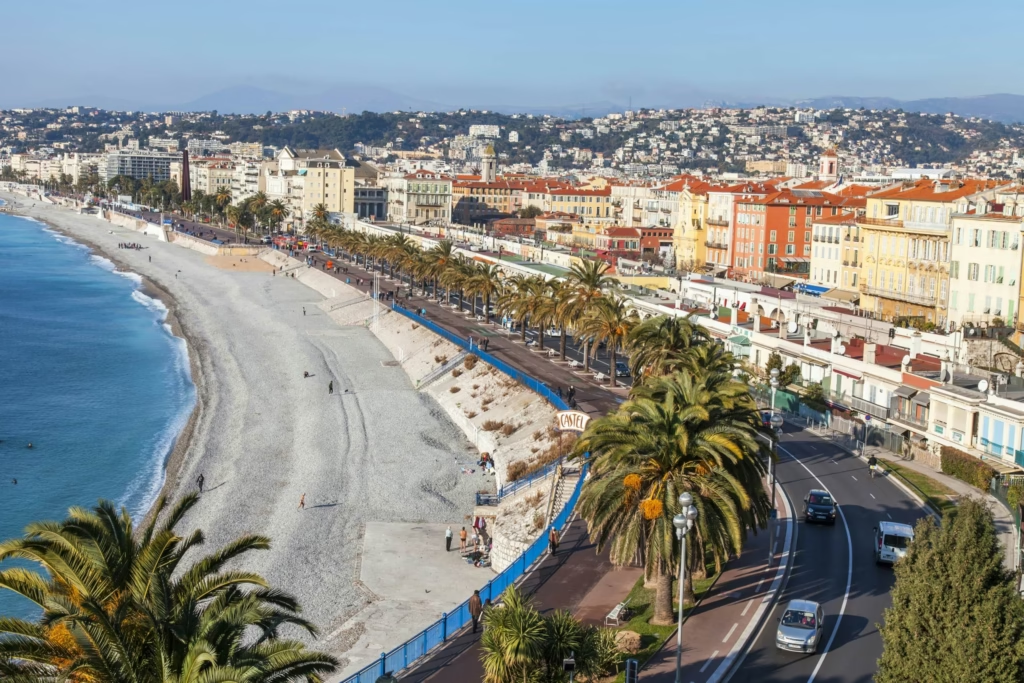
The Promenade des Anglais offers the region’s most accessible cycling experience. This flat, seaside route stretches along the Mediterranean coast with smooth tarmac and dedicated cycling infrastructure. Early morning rides here feature gentle sea breezes, the rhythmic whir of your chain, and soft Mediterranean light painting the elegant buildings in pastel hues.
This route is ideal for warming up, recovery rides, or cyclists new to the region. The gentle terrain allows you to focus on the stunning coastal scenery without the demands of climbing. It’s also perfect for families and those seeking a leisurely cycling experience. For more information about this iconic route, Visit Côte d’Azur provides comprehensive details.
When to Cycle in Nice and the Côte d’Azur
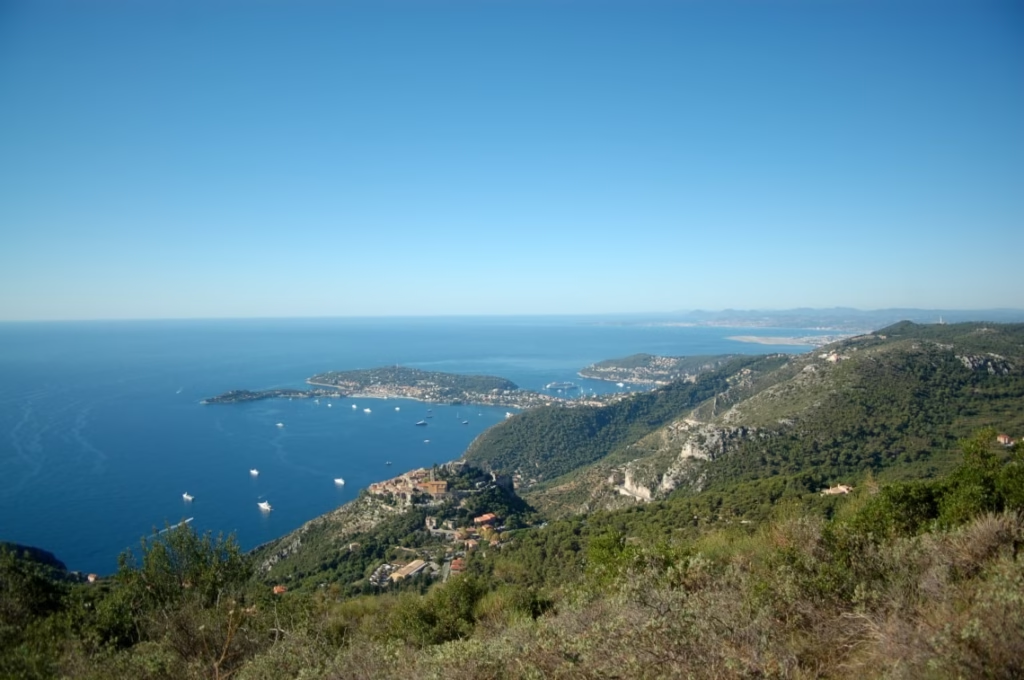
Spring (April to June) and autumn (September to October) offer ideal cycling conditions. Temperatures range between 15-25°C, with mild weather, warm sunshine, and lower humidity than peak summer. The landscape is particularly vibrant during these months, and the roads are less crowded with tourists.
Summer (July and August) brings intense heat that can make strenuous inland climbing uncomfortable, though coastal breezes provide some relief. Understanding how to cycle safely in hot weather conditions becomes essential during peak summer months.
Winter months (November to March) are generally mild but wetter and cooler, with higher elevations potentially experiencing snow that closes mountain passes. If you’re planning winter rides, our guide on cycling in cold and wet conditions offers valuable preparation tips.
Bike Hire and Cycling Infrastructure in Nice
The region features excellent cycling infrastructure with over 50 bike rental stations offering both standard and electric bikes. Nice’s official tourism site lists approved bike rental providers throughout the city. Numerous specialist bike shops provide road bikes, mountain bikes, and e-bikes to suit different abilities and preferences.
The area maintains extensive cycle-friendly infrastructure including:
- Dedicated bike lanes throughout Nice and coastal towns
- Secure bike parking facilities
- Well-maintained roads suitable for road cycling
- Mountain bike trails and gravel routes in the hinterland
- Five annual cycling events including races and community rides
For those considering investing in new equipment for their Côte d’Azur adventure, our comprehensive cycling gear reviews and buying guides can help you choose the right bike and accessories.
Where to Stay: Accommodation for Cyclists
Accommodation options cater to various budgets and preferences:
Hotels: Nice offers everything from luxury establishments along the Promenade des Anglais to budget-friendly city centre options. Similar variety exists in Èze, Monaco, and Menton. Booking.com and Airbnb provide extensive listings with cyclist-friendly filters.
Apartments and vacation rentals: Provide flexibility and space, particularly suited to groups or longer stays.
Chambres d’hôtes (B&Bs): Offer intimate, local experiences in charming hinterland villages or quieter coastal towns.
Cycling-specific accommodation: Some hotels and guesthouses provide secure bike storage, repair facilities, and guided tour options. Research specific towns for best options. Cycling-friendly accommodation directories specialise in cyclist-focused lodging.
Essential Tips for Cycling the Côte d’Azur
The terrain varies dramatically, from gentle coastal flats to sustained mountain climbs exceeding 8% gradient. Distances adapt to individual ability, with routes ranging from short coastal circuits to longer mountain epics.
Road surfaces: Generally excellent tarmac on main routes, though quieter village roads may be narrower with rougher surfaces. Gravel or cyclocross bikes can explore more remote paths in the hinterland.
What to bring: Pack layers for temperature changes between coast and mountains. The air grows noticeably cooler with elevation, and afternoon descents can be chilly. Carry sufficient water for inland climbs where refill points are scarce. Our guide on essential cycling kit for different conditions covers everything you need to pack.
Navigation: While main routes are well-signposted, detailed maps or GPS are recommended for exploring quieter inland roads and villages. Strava and Komoot offer excellent pre-planned routes from local cyclists.
Nutrition and hydration: Long climbs demand proper fuelling. Learn about optimal cycling nutrition strategies to maintain energy throughout demanding rides.
Frequently Asked Questions About Cycling in Nice
Is cycling in Nice suitable for beginners? Yes, numerous routes suit beginners, especially flat coastal areas and dedicated urban cycling paths. The Promenade des Anglais offers perfect introduction to cycling in the region. Mountain trails and hilly routes are more challenging and better suited for experienced cyclists.
Are there guided cycling tours available? The region hosts several cycling events and guided tours throughout the year, including amateur races, charity rides, and organised group tours. These provide opportunities to explore safely whilst enjoying local cycling culture. Check out local cycling clubs and tour operators for scheduled rides and events.
What type of bike is best for the Côte d’Azur? Road bikes suit coastal routes and the main Corniches. For inland exploration and more varied terrain, consider a gravel bike or cyclocross bike. E-bikes are increasingly popular for tackling challenging climbs whilst still enjoying the scenery. Our bike selection guide helps you choose the right machine for your riding style.
Do I need cycling insurance for riding in France? While not legally required, cycling insurance is highly recommended for international riding. Third-party liability insurance is particularly important. Many travel insurance policies include cycling coverage, but verify the terms before your trip.
What are the traffic rules for cyclists in France? French law requires working lights after dark, and high-visibility clothing is recommended. Cyclists must use cycle lanes where provided. Riding two abreast is permitted but cyclists must ride single file when traffic approaches from behind. Understanding French cycling laws ensures a safe, legal ride.
Training for Côte d’Azur Cycling
If you’re planning to tackle the more challenging Alpine climbs, proper training preparation is essential. The sustained gradients and cumulative elevation gain require good fitness and climbing-specific conditioning. Our comprehensive training plans for hill climbing can help you prepare for the region’s toughest routes.
Building endurance through progressive training, incorporating interval work for power development, and practising sustained climbing efforts will all improve your experience on routes like the Grand Corniche and Maritime Alps foothills.
The Côte d’Azur Cycling Experience
Cycling this region offers more than physical exploration of terrain – it’s a sensory immersion into a landscape sculpted by nature and shaped by human history. Beyond its glamorous façade, the Côte d’Azur reveals quiet beauty, enduring tradition, and challenging, rewarding cycling.
-
 Photo Credit: Cor Vos

The gentle rhythm of pedalling along the coast, the sustained effort of mountain climbs, the exhilarating descents – these elements weave together a narrative told in effort, landscape, and light. Whether you’re chasing personal bests on iconic climbs or simply savouring Mediterranean vistas from your saddle, Nice and the Côte d’Azur deliver cycling experiences that linger long after the ride ends.
For more inspiration, training tips, and cycling destination guides, explore our extensive collection of cycling articles and resources at Pro Cycling UK.

