Introduction
There’s a moment most club riders will recognise. You’ve finished the ride, you’re leaning your bike against a wall outside a café, and you clock someone across the road in the same colours. No words needed – you already know roughly how their Sunday started: alarm, kit laid out, tyres checked, a small debate over overshoes, then a roll-out into whatever the British weather has decided to do today.
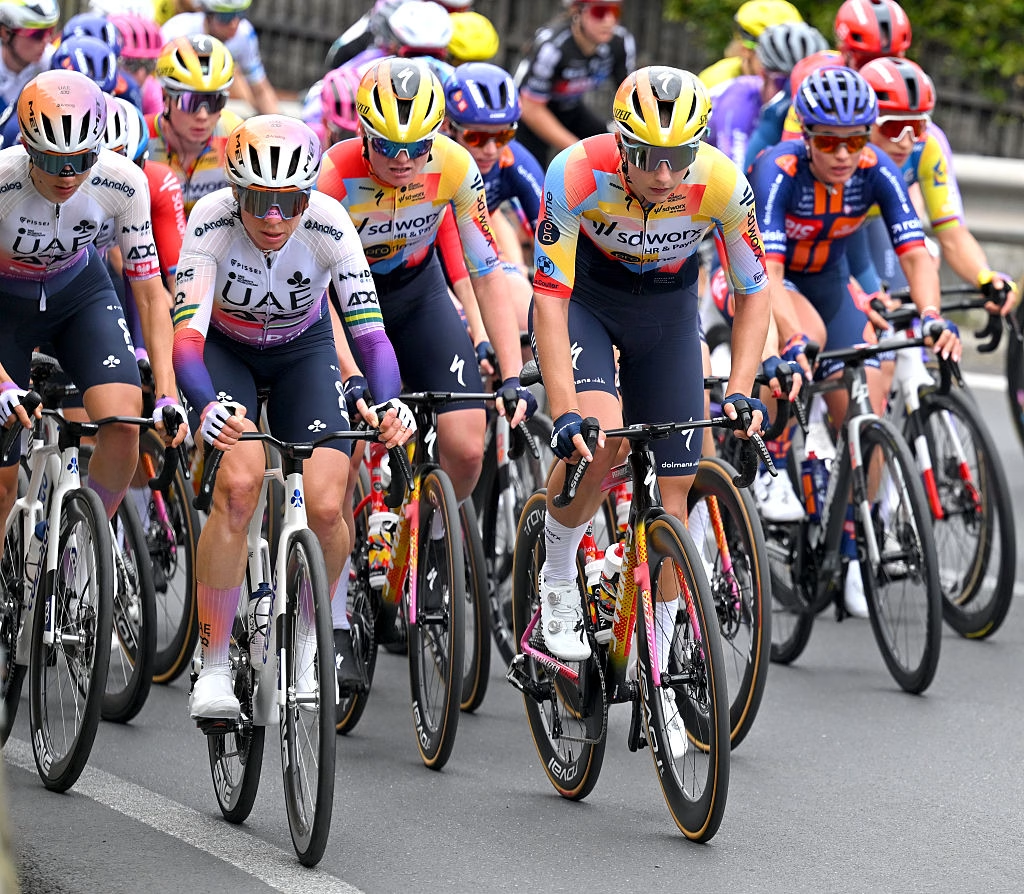
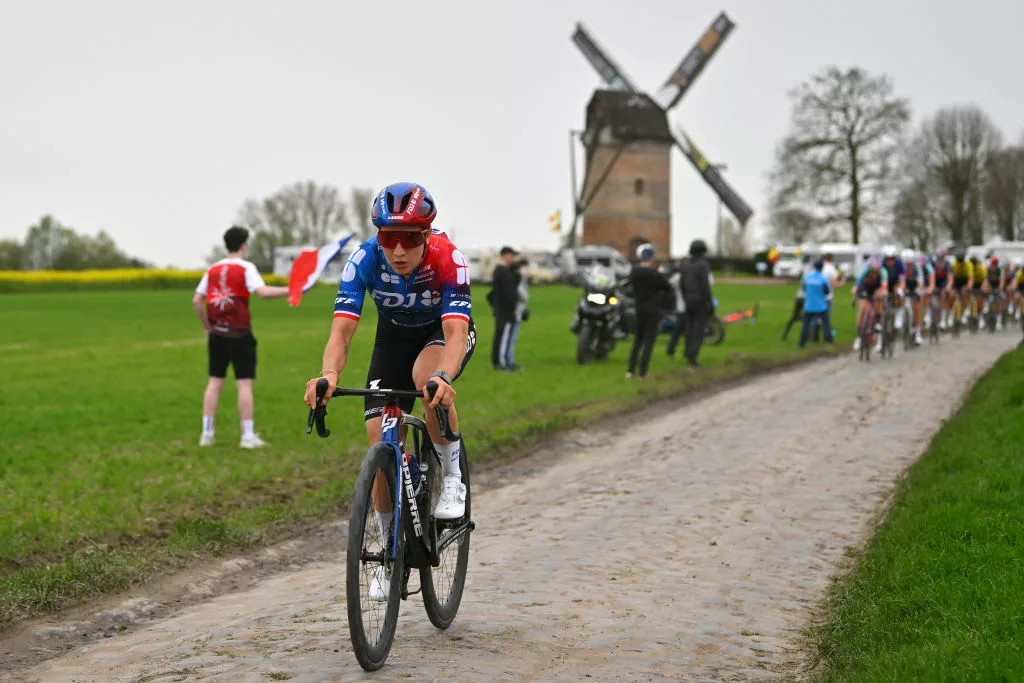
Cycling has always been tied to clothing, not in a superficial way, but in a cultural one. Kit signals what sort of riding you do, who you ride with, and where you belong. It’s practical, yes – but it’s also social shorthand. Club jerseys, team gilets, winter jackets with a familiar crest: they’re part of the landscape at local races, sportives, audax starts, and muddy CX car parks.
What’s interesting is how often that identity carries beyond the bike. Not all cyclists want to wear their complete club kit to the pub after a chain-gang session, or to the start line when they’re volunteering rather than racing. Not everyone in the club even rides in the kit: supporters, partners, parents, new members, and injured riders still turn up to help with sign-on. And that’s where casual, off-bike apparel comes in – hoodies, tees, caps, beanies, overshirts, even a simple sweatshirt with a small mark that says, “I’m part of this.”
This isn’t about turning cycling communities into little clothing brands. It’s more ordinary than that – and more meaningful. Off-bike merch is often just a quiet extension of what cycling clubs have always done: create a shared identity, make people feel included, and be visible in local cycling life. When it’s done well, it doesn’t shout. It sits naturally in someone’s wardrobe because it feels like the club itself: familiar, functional, and genuinely worn.
What follows is a look at why cycling communities naturally create casual merchandise, what makes it actually wearable, and the practical decisions clubs often overlook before they print a single item of clothing.
Why cycling communities naturally create merchandise
Cycling clubs aren’t just groups of people who ride bikes at the same time. They’re communities built around ritual. The exact meeting point every week. The same café stop where the staff already know the order. The actual route is “slightly adjusted” depending on who shows up and how spicy everyone feels.
Kit sits right at the centre of that. Historically, club colours weren’t about fashion. They were about recognition and belonging. In a bunch, the kit helps you spot your people. At a race, it gives you an identity beyond a number. On a windy A-road in February, it’s a reminder that you’re not out there alone.
But cycling culture also has plenty of moments where full-on performance kit isn’t the right tool. Consider a charity ride with half of the participants being first-time riders. A club open day where you want to look welcoming rather than elite. A track league evening where riders wear skinsuits while volunteers wear jeans and waterproofs. A marshalled sportive start where someone needs to be visible, warm, and clearly “with the event,” not necessarily aero.
Then there are the people around the riders: the partner who drives to races and holds a spare wheel, the friend who comes to watch the hill climb, the parents supporting junior riders, the club member injured for six weeks but still turning up for the socials. They might not want – or need – a jersey. But they still want to feel included.
Off-bike merch often grows out of these moments. Sometimes it starts as a practical solution: “We need warm hoodies for the volunteers.” Sometimes it’s celebratory: an anniversary tee, a charity ride sweatshirt, a post-season hoodie for the race team. Sometimes it’s just a natural next step: the club has a logo, a colour scheme, a shared identity – and people want something they can wear on rest days without looking like they’re about to pin on a number.
It also helps that cycling itself is full of small, recognisable symbols. Route names, local climbs, iconic café stops, inside jokes about a particular lane or a specific rider’s habit of “accidentally” turning every ride into a tempo effort. Those details translate surprisingly well into casual apparel. A simple graphic of a local ascent profile. A small coordinate mark. A line of text only club members understand. It’s culture made wearable.
Unlike many sports, cycling has a long tradition of clubs and teams with distinct visual identities. Even if you never race, you’ll probably ride in a group that has some sense of who it is. Off-bike merch is just that identity made more accessible – and often more inclusive.
Off-bike apparel as belonging, not performance
There’s a particular kind of pressure that can come with “proper” club kit. It’s not always intentional, but it’s real. New members sometimes feel like they need to earn the right to wear it. Social riders may not want to commit to expensive kit when they’re still figuring out if the club is for them. Some people simply don’t like wearing head-to-toe team colours unless they’re riding.
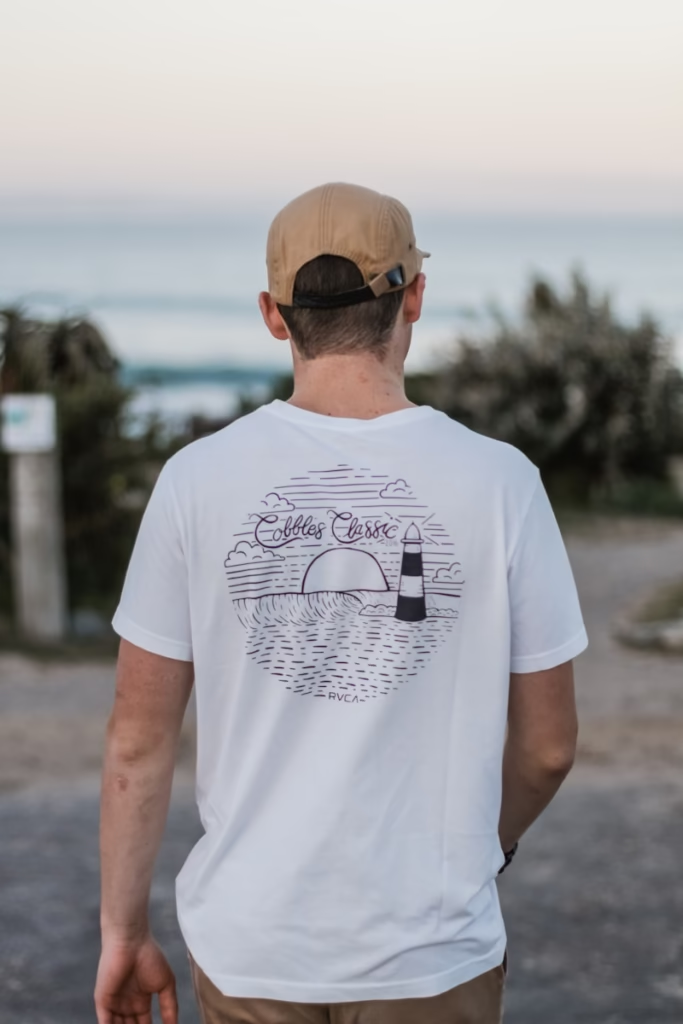
Casual merch removes that pressure. A hoodie with a small chest mark is low stakes. A tee with a subtle reference is an easy purchase and an easy wear. A cap is almost a universal item in cycling culture anyway – something you can throw on post-ride, at an event, or just on a typical day when you’re nipping out.
That matters because cycling communities aren’t made up only of racers. Most clubs have a broad mix: fast groups and steady groups, roadies and gravel riders, people training for sportives, people riding for health, people who show up for the social side. Off-bike merch can become the “everyone” layer – the thing that bridges those groups.
It’s also useful for supporters. If you’ve ever stood at the finish of a local crit, you’ll have seen the small clusters of people wearing something that marks them as part of a team – often not in complete kit, but in a hoodie or jacket with a logo. It creates a sense of presence. It also makes it easier for riders to find their people in a crowd and for new members to spot club volunteers at events.
Another underrated aspect is volunteering and community work. Cycling clubs depend on volunteers: the person handling sign-on, the person putting up signs, the person marshalling, the person managing the club’s social media. Off-bike apparel can be a simple way to recognise their effort and make volunteers feel part of the club’s visible story – without requiring them to wear performance kit when they’re not riding.
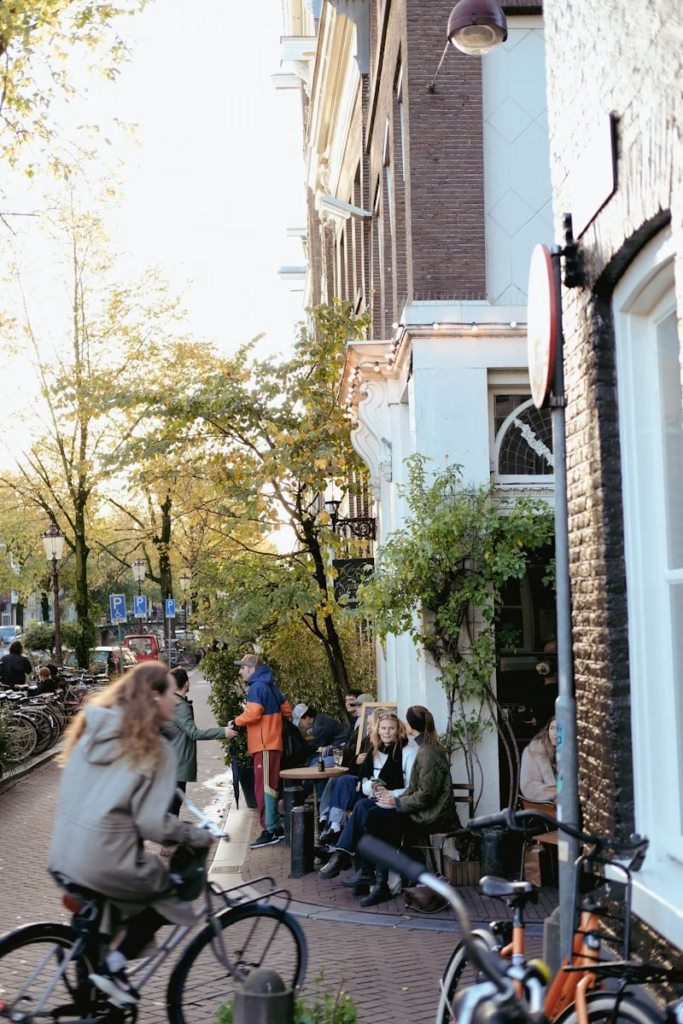
And then there’s the fundamental truth: most of cycling life happens off the bike. The planning, the chatting, the hanging around before and after rides, the post-race debrief, the winter pub nights, the summer BBQs, the club AGM, where someone inevitably suggests moving the meeting point again. Casual apparel sits in those spaces. It helps clubs exist as communities, not just training groups.
Subtlety is the key here. Cycling culture is full of strong opinions – about kit, about aesthetics, about what looks “pro” and what looks naff. Loud graphics can work in some contexts, but everyday apparel usually gets worn more when it feels understated. A small logo. A clean design. A reference that looks like a normal piece of clothing to the general public, but means something to people in the know.
If performance kit says “I ride,” casual merch says “I belong.”
What makes cycling merch actually wearable
Every club has seen it: a batch of merch arrives and half of it ends up living in the back of wardrobes, worn once at best. Not because people don’t like the club, but because the item itself doesn’t fit into everyday life.
The most significant factor is simplicity. It’s tempting to treat a hoodie like a poster. Add the club name, the logo, the sponsor list, the year, the event, a slogan, maybe even a route map for good measure. The result is often something that feels busy and strangely formal – like it’s meant for a group photo rather than real wear.
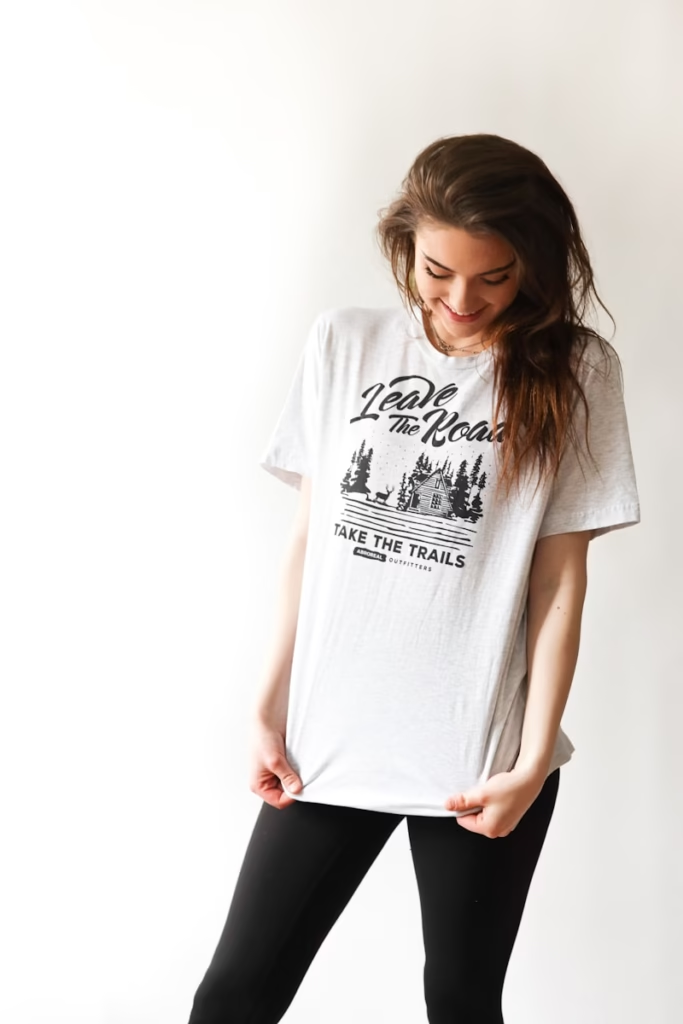
The most wearable club merch tends to be less impactful. One clear idea per item. A small chest logo and nothing else. A single back print with breathing room. A simple graphic that stands on its own. This is especially true for off-bike clothing, where people want something they can wear to work, to the supermarket, or to meet friends who aren’t cyclists.
Fit and style come next. Cycling bodies are diverse. Yes, plenty of riders are lean, but plenty are not – and even lean riders can have broad shoulders, strong legs, and proportions that don’t sit neatly inside fashion cuts. Club merch that only works on one body type quickly becomes worn only by one segment of the membership.
A practical approach is to avoid extreme fits. Super slim hoodies often feel restrictive. Overly boxy tees can look shapeless. The safe middle ground – a regular fit or relaxed cut, a t-shirt that isn’t tight, but isn’t oversized for the sake of it – tends to work best for a broad club audience. If a club wants to offer multiple fits (for example, a more fitted tee and a relaxed one), it can be done, but it adds complexity. The key is not to assume one cut will suit everyone.
Quality matters too, and not in a luxury sense. People don’t compare club merch to other club merch. They compare it to their favourite hoodie – the one that’s soft, warm, and still looks good after a year of washing. If the fabric feels thin, the cuffs feel flimsy, or the garment twists after two washes, it’ll get mentally categorised as “something I only wear at the club.”
Durability is paramount in cycling communities because kits get washed constantly. Even off-bike apparel will be worn around rides, thrown in bags, pulled on after wet sessions, and washed more often than typical casual wear. A garment that looks great fresh out of the box but degrades quickly won’t survive that lifestyle.
Then there’s the “does it look like normal clothing?” test. The most successful casual merch tends to feel like something you’d buy anyway – just with a club identity woven in. That’s why many clubs approach off-bike apparel as custom clothing projects, focusing on garments people would happily wear regardless of whether a ride is involved. The moment it looks like a promotional freebie, people treat it like one.
A good rule of thumb is to imagine the garment without the club mark. Would it still look like a decent hoodie or tee? If not, the design or garment selection likely needs reconsideration.
Practical decisions clubs often overlook
Most cycling clubs don’t fail at merch because they lack enthusiasm. They fail because they underestimate the practical realities: timing, consistency, and the sheer admin involved when a few volunteers are trying to manage clothing for dozens (or hundreds) of people.
Choosing garments that last is the first overlooked decision. It’s easy to focus on the design – the crest, the colour, the clever local reference – and treat the garment itself as an afterthought. But the garment is what people feel. If it doesn’t hold up, the design doesn’t matter.
Longevity isn’t only about fabric thickness. It’s about construction: seams, cuffs, neck ribbing, how the garment retains its shape, and how it holds up to repeated washing. Clubs don’t need to become textile experts, but they do benefit from thinking like cyclists: “Will this still be comfortable after a wet ride and a hot wash?”
Small runs vs big batches is another common blind spot. Ordering a large batch can reduce headaches later, but it also risks waste if you overestimate sizing or demand. Smaller runs reduce risk but can make consistency harder if you reorder later and the garment changes slightly. Clubs often find a balance: one main run timed to a season or event, followed by a smaller reorder later.
Reorders and consistency are where many clubs fall short. The first hoodie run sells well, so you reorder. But the blank has changed, the colour is slightly different, or the print placement has shifted. Members who buy the reorder notice immediately. Cycling people notice details. Consistency is essential not only for aesthetics but also for trust: people want to feel confident that what they buy will match what others have.
Timing around seasons and events is hugely important. Cycling calendars aren’t evenly spread. There are spikes: spring sportive season, summer racing, autumn CX, winter training, Christmas socials. If a club wants merch for an event, leaving it late invites stress. Lead times, proofing, and potential delays are real. The more a club treats merch as part of the season planning, rather than a last-minute add-on, the smoother it tends to go.
Finally, clubs often underestimate the administrative work involved in “just doing hoodies.” Collecting sizes, handling swaps, dealing with late orders, chasing payments, storing stock, and distributing items. Even with the best intentions, this can become a burden if it isn’t planned.
None of this means clubs shouldn’t do merch. It just means it’s worth approaching it like any other club activity: with a bit of structure, a bit of realism, and an understanding that volunteers’ time is precious.
Production considerations for UK cycling groups
Once a club has decided what it wants to make – and has a sense of what “wearable” looks like – production becomes the next set of decisions. Not in the sense of chasing “the perfect supplier,” but in the sense of choosing an approach that suits how cycling clubs actually operate: seasonal peaks, volunteer-led organisation, and the need for consistency.
Lead times around sportive and race calendars are often the first practical issue. If you want hoodies for a spring sportive, the sensible planning starts in winter. If you want tees for a summer charity ride, you need to account for design sign-off, proofing, production, and delivery – plus the reality that people will always ask for extras at the last minute. In cycling, calendars can feel fixed (race dates, league nights), but weather and logistics can shift things. A production plan that allows some slack tends to reduce stress.
Communication speed and proofing matter more than many clubs expect. It’s not unusual for a design to look slightly different when translated onto fabric – colours can shift, placement can feel off, and small text can become less readable. Quick communication helps clubs fix issues early rather than discovering problems after a whole batch arrives. Proofing isn’t about perfectionism; it’s about preventing avoidable waste and disappointment.
Consistency across reorders is crucial for clubs because identity is visual. If one batch of hoodies is noticeably different from the next, it can fragment that identity. For teams and clubs that want merch to function as a quiet uniform, consistency is the key. This is one reason clubs often favour production approaches that make repeat orders straightforward and predictable.
That leads naturally to the question of where production occurs. Some clubs are happy to order from overseas, especially for larger runs. Others prefer to keep production closer for reasons that have less to do with ideology and more to do with practicality: clearer communication, simpler admin, and easier handling of timing and reorders. For UK-based cycling communities, working with providers offering locally produced custom merchandise in the UK can be part of that broader consideration – not as a “better” option in every case, but as one way to keep production aligned with local calendars, reduce logistical friction, and make proofing and repeat runs easier to manage.
It’s also worth noting how club life actually works on the ground. Many clubs rely on volunteer effort, and volunteer time is limited. Production that adds complexity – customs forms, lengthy back-and-forth across time zones, unpredictable delivery windows – can become a burden. On the other hand, for some clubs, overseas production makes sense if they’re doing a large, one-off batch and have the lead time to absorb delays.
The point isn’t to prescribe a single route. It’s to encourage clubs to decide the same way they’d choose a path for a club ride: based on who’s coming, what the goal is, the conditions, and the trade-offs. A fast summer chain-gang and a winter social ride both have their place – but they’re planned differently. Merchandise production is similar.

Conclusion: The best club merch doesn’t shout
Cycling is full of strong signals. Kit, colours, crests, sponsor panels, race numbers – all of it communicates something. But off-bike apparel plays a quieter role. It doesn’t need to perform. It needs to belong.
The best club merch isn’t loud. It doesn’t try to look “pro” or cram every part of the club story onto one garment. Instead, it works like the best parts of cycling culture: understated, practical, and meaningful to the people who understand it. A hoodie that gets worn because it’s genuinely comfortable. A tee that looks like regular clothing but carries a small mark of identity. A cap that becomes part of someone’s everyday kit bag because it’s useful and familiar.
When clubs approach off-bike apparel with that mindset – community first, wearability second, and production realities understood – the result is simple: people actually wear it. Not because they were persuaded to, but because it fits naturally into the life they already live: ride-outs, rest days, volunteer shifts, café stops, and the small rituals that make cycling clubs more than just groups of riders.
And when someone sees that subtle mark across a café terrace or at a windy start line, it does what good cycling culture always does. It sparks a nod. A conversation. A feeling of shared belonging.