British Cycling, Scottish Cycling and Beicio Cymru are calling on government to invest £30 million in a new phase of community cycling facilities, saying the funding could deliver more than 250 new or upgraded sites across England, Scotland and Wales.
The push follows new research into Places to Ride, a programme launched in 2019 and described as the largest investment in community cycling facilities to date. The organisations say the project has delivered over 150 facilities and opportunities across England, helped around half a million people become active, and is linked to estimated NHS savings of £13.1 million through the prevention of long-term health conditions over a five-year period.
The programme’s reported savings include £3.7m for type 2 diabetes and £3.5m for depression, alongside reductions in coronary heart disease, stroke, reduced psychological distress and fewer GP visits. The statement also claims the programme has delivered over £100m in social value nationally, with figures generated using a methodology developed by Sheffield Hallam University, State of Life and Manchester Metropolitan University.
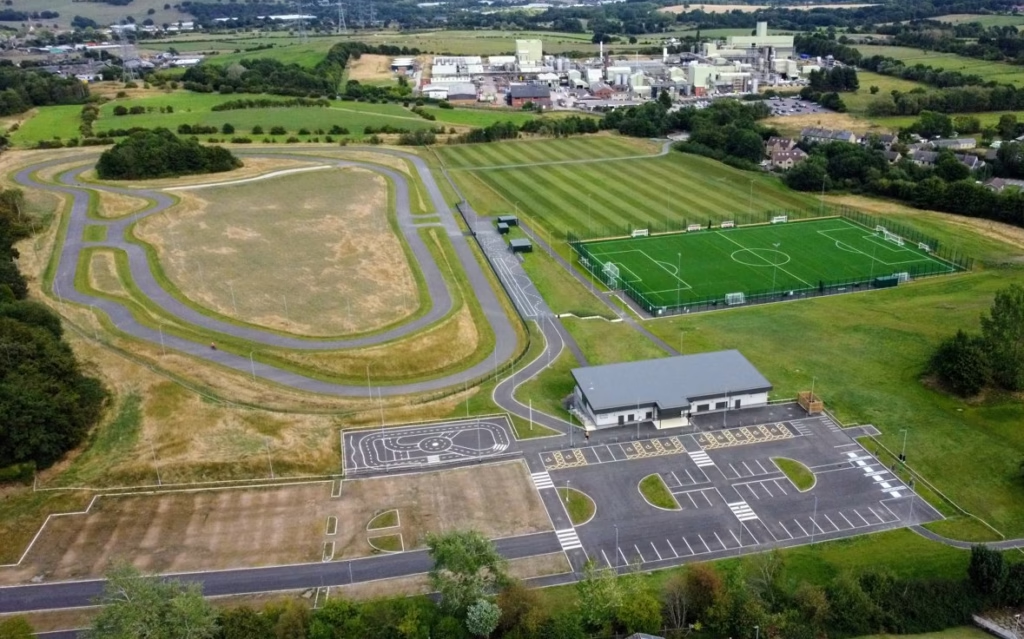
The organisations say the reach has been targeted into communities that have historically had fewer opportunities to take part in cycling. They report that 83% of projects focused on children and young people, 41% targeted women and girls, 35% supported low-income groups, and 41% engaged people with disabilities or long-term health conditions.
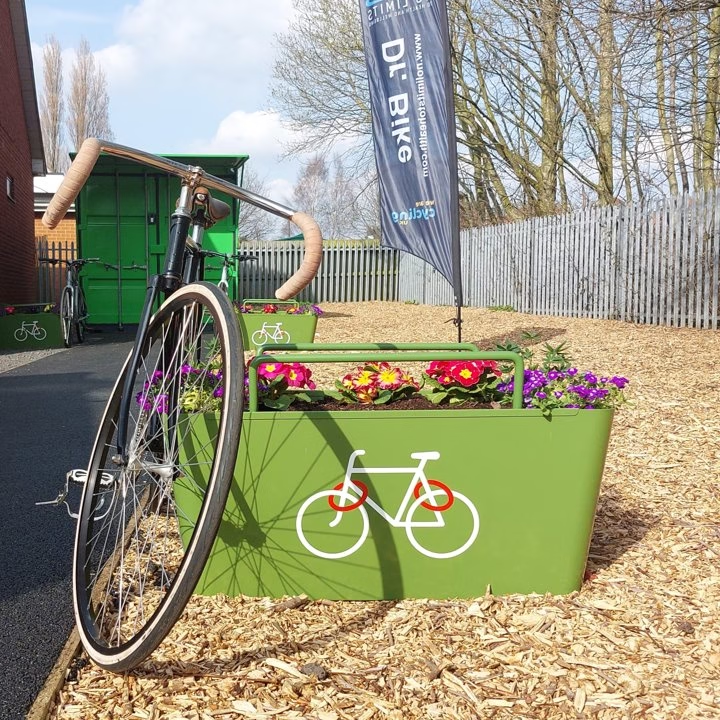
One case study highlighted is the No Limits to Health project in Wolverhampton, which received £8,661 of Places to Ride funding and secured over £3,000 in match funding to buy bikes and safety equipment, plus storage and security. The programme says the project and its three hubs have delivered nearly £50,000 of social value so far, described as £231 per participant.
“No Limits to Health was born from years of working with young people and seeing firsthand how cycling can transform lives,” founder Sam Henry said. “Placing cycle hubs in underserved urban areas has the power to improve the health and wellbeing of individuals and families who might otherwise miss out.”

British Cycling chief executive Jon Dutton said the programme shows the value of “targeted public investment” and argued that a further £30m would deliver high impact while unlocking additional match funding from partners, charities and local authorities. Dutton added that the proposal aligns with health, inclusion and active travel priorities, and could contribute to a longer-term legacy ahead of the 2027 Tour de France and Tour de France Femmes avec Zwift Grand Départs.
In Scotland, Scottish Cycling pointed to the Cycling Facilities Fund, an £8m investment linked to the legacy of the 2023 UCI Cycling World Championships. The governing body says that funding has helped unlock over £18m in match funding for 31 facilities so far, but that significant gaps remain in access across the country.

“There have been some fantastic facility developments in Scotland over the last five years, which have quickly become the centrepiece of communities,” said Scottish Cycling chief executive Nick Rennie, “but we still have large portions of the country without a facility that is easily accessible.”
Beicio Cymru chief executive Caroline Spanton said the evidence supports expanding investment at scale, arguing that better access to cycling facilities improves health outcomes and tackles inequality. Diabetes UK also backed the wider principle, with senior physical activity adviser Neil Gibson saying improved access can help remove practical barriers and support wellbeing for people living with diabetes.
Academic Nina Smith, who conducted a PhD into the social impact of Places to Ride, said projects repeatedly reported improved mental and physical health, reduced isolation, and increased confidence and community connection, particularly for groups often excluded from mainstream sport.