Most punters approach cycling betting the wrong way – chasing favourites, reacting to hype, or relying on gut feeling. In reality, profitable cycling betting is closer to performance analysis than gambling. Races are decided long before the finish line, through terrain profiles, team tactics, rider physiology, weather, and market inefficiencies. This guide breaks down the exact analytical framework professionals use to turn raw race data into value bets, helping you move from guesswork to structured, repeatable decision-making.
Step 1: Understand Race Profiles and Types
A good grasp of race profiles helps you succeed in cycling betting analysis. Professional cycling has races of all types. Each type needs different skills from riders, and this affects your betting choices.
Flat vs. mountain stages: What to expect
You’ll find two main types of cycling races: one-day events (like Paris-Roubaix) and races that span multiple days (like the Tour de France). Each stage type suits different riders:
Race Profile Comparison
| Stage Type | Favoured Rider Type | Physical Characteristics | Betting Consideration |
|---|---|---|---|
| Flat | Sprinters/Time Trialists | Larger, more muscular build | Lower odds, more predictable outcomes |
| Mountain | Climbers | Lightweight, high power-to-weight ratio | Higher odds, more variables |
| Time Trial | Time trial specialists | Strong sustained power output | Individual performance focused |
| Cobbled/Classic | Rouleurs (all-rounders) | Robust, versatile build | Technically demanding, variable odds |
Riders on flat stages deal with three main forces: rolling resistance, friction, and air resistance. Riders who can produce more raw power usually do better here. Mountain stages add gravity as a fourth force, so the power-to-weight ratio becomes vital.
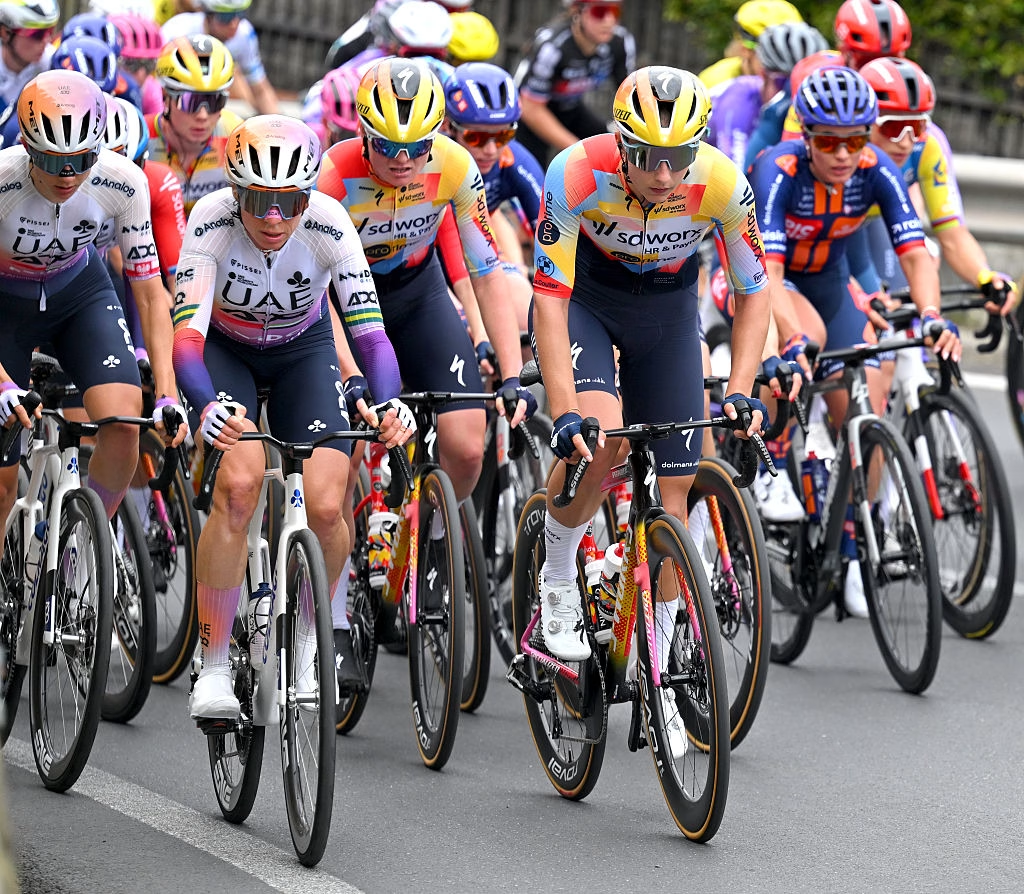
 Photo Credit: ASO-Charly Lopez
How terrain affects rider performance
The terrain plays a big role in how riders perform and who wins races. Here’s something interesting – when climbing, a 10kg weight difference between riders can wipe out a 50-watt power advantage. On top of that, riders often become specialists based on their physical traits:
- Climbers (Grimpeurs): They shine on steep hills thanks to their light build and high power-to-weight ratios
- Sprinters (Sprinteurs): They rule flat finishes with explosive power
- Time Trialists: They keep up high power output without drafting benefits
- Rouleurs (All-rounders): They deliver solid results on any terrain
Weather makes a difference too. Wet conditions make technical descents trickier, while strong crosswinds can really shake things up on exposed flat routes.
Using past race data to predict outcomes
Past performance on similar terrains gives us good clues for betting decisions. Evidence-based models that use race-specific data have picked 6 out of 10 top finishers in previous Tour of Flanders races.
Your analysis should look at:
- Recent rider results on similar terrain
- Weather data effects from the past
- How teams typically perform
- Course challenges (cobbles, gradients, technical sections)
Team dynamics matter a lot. Good team support can boost a rider’s chances, especially in mountain stages where support riders protect their leaders until key moments.
A full picture of these elements gives you an edge in finding bets that beat the public odds.
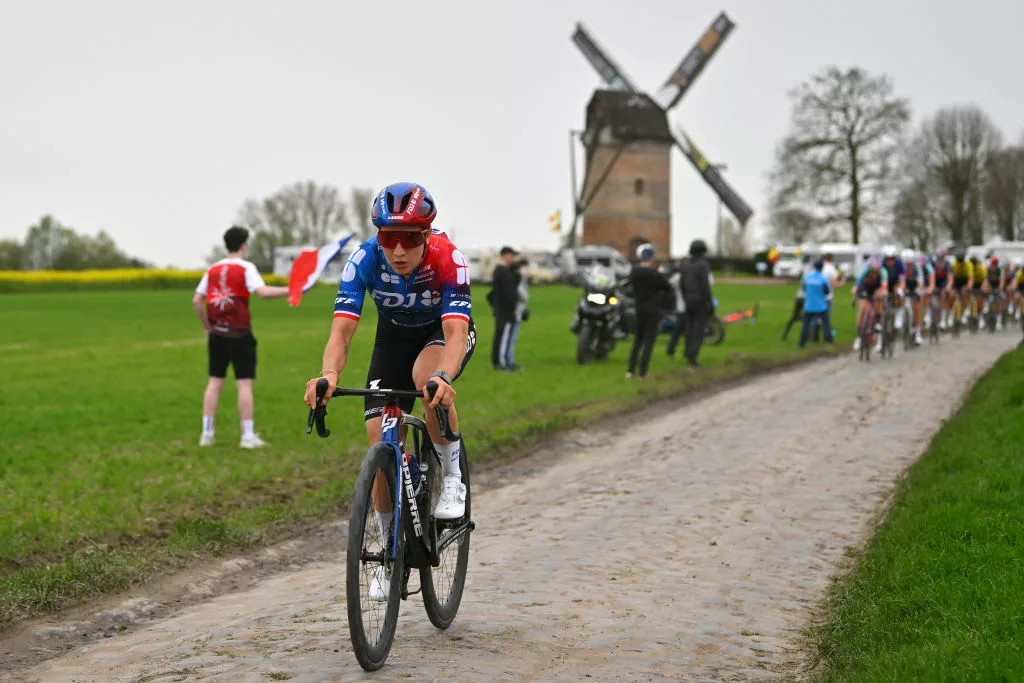
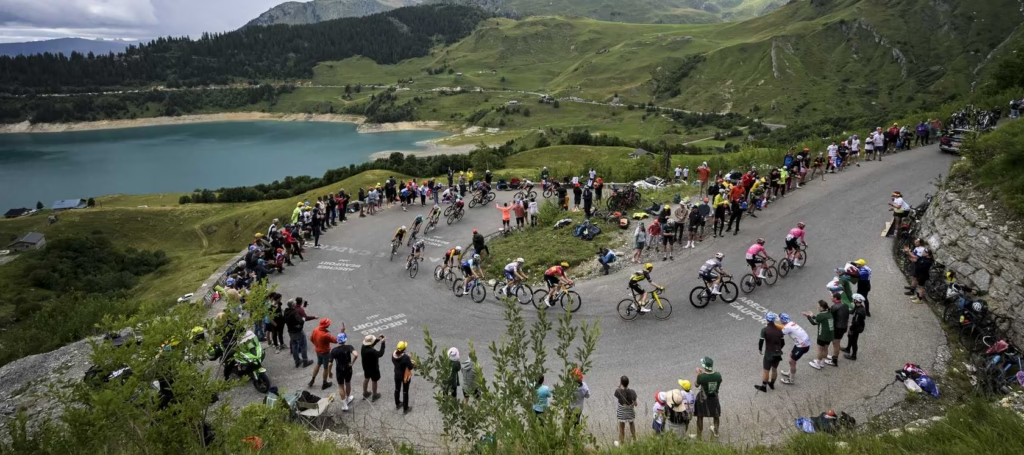 Photo Credit: A.S.O./Charly Lopez
Step 2: Evaluate Riders and Team Dynamics
Becoming skilled at race profiles is just the start. Your success in cycling betting depends on how well you understand the human side. A team’s chemistry plays just as big a role as individual talent in determining who wins.
Assessing rider form and fitness
A rider’s current form is one of the most crucial betting factors. Performance levels can swing wildly based on physical condition. Here’s what you need to learn about to make smart bets:
- Recent performances: Get into results from the last few races
- Training updates: Keep an eye on social media for fitness clues
- Injury reports: Stay up to date on health issues that might affect performance
- Recovery progress: Watch how riders handle themselves after tough races
Riders who consistently finish in the top 10 in similar events are usually strong picks for upcoming races. Race stats like average speed, climb times, and sprint finishes give a complete picture of what a cyclist can do.
Understanding team roles and strategies
Cycling teams work with specific roles that directly affect your betting choices:
| Role | Function | Betting Consideration |
|---|---|---|
| Protected Rider/Leader | Designated to win either stage or overall | Primary betting candidate |
| Domestiques | Support leaders through wind protection, pacing, etc. | Improve leader’s winning probability |
| Climbers | Excel on mountainous terrain | Key for mountain stages |
| Sprinters | Powerful riders for high-velocity finishes | Favoured for flat stages |
Research shows that having teammates in both the front group and groups behind makes winning more likely. Yes, it is strategic gold when teams have riders in breakaway groups because it creates free-riding chances.
How team support influences race results
Team support can completely change how a race ends up. Riders who draft behind teammates face 40% less wind resistance and save tonnes of energy. So, a strong team can:
- Shield their leader from wind
- Control the peloton’s pace
- Manage breakaways effectively
Teams with well-coordinated lead-out trains put their sprinters in perfect positions to win. Even the best finishers struggle without good backup. Of course, trust between teammates leads to better communication, coordination, and problem-solving when things get tough.
Your cycling betting analysis needs to factor in these team dynamics. This gives you an edge in finding value bets that go beyond just looking at individual rider stats.
 Photo Credit: LaPresse
Step 3: Analyse External Factors and Odds
The outcome of cycling races depends heavily on external factors. These elements play a vital role in cycling betting analysis.
Weather and how it affects race outcomes
Race dynamics and betting opportunities change dramatically with weather conditions. Riders face treacherous roads in the rain that lead to more crashes and mechanical issues. The 2019 Tour de France saw temperatures hit 40°C in the shade and 60°C in the sun. Teams had to use ice vests and extra hydration to cope.
Different riders react differently to weather:
- Cold conditions: Performance drops 10% with every 1°C decrease in muscle temperature
- Wet roads: These cause 26% of all cycling-related hospital visits
- Strong winds: Riders can break away or form echelons more easily
Looking at odds on different platforms
My experience shows that comparing odds is one of the fastest ways to spot real value. Bookmakers’ odds should never be taken at face value, especially if you rely on just one source. Independent breakdowns, such as an Odds.ph review, are useful for understanding how odds are framed across different markets and where pricing inconsistencies tend to appear. Here’s what actually works in practice:
- Look up the same event on multiple bookmakers
- Work out the margin (it goes over 100% when you add all implied probabilities)
- Search for odds that don’t match up – they often show where the value lies
Finding value bets by tracking odds changes
Changes in odds can tell us a lot about what’s really happening behind the scenes. Here are some patterns I’ve seen repeatedly over the years, both when betting myself and when analysing markets in detail – much like the approach used in a professional casino review at Casinoguiden.biz, where movements and data trends matter more than surface-level numbers.
Here are some patterns I’ve seen over the years:
| Odds Movement | Potential Meaning | Betting Action |
|---|---|---|
| Shortening for favourite | Improved form/conditions | Act quickly before value disappears |
| Lengthening unexpectedly | Concerns about form/strategy | Break down the situation before betting |
| Fast changes mid-race | Weather changes or crashes | Look for in-play opportunities |
The best profits come from watching these movements during live events. Odds change faster as the race situation develops.
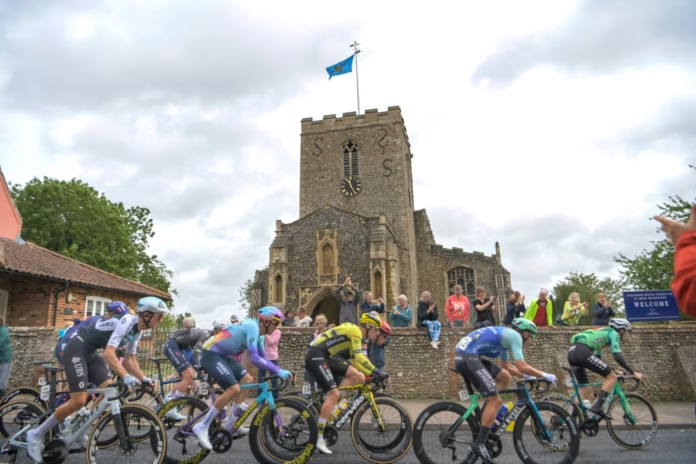
 Photo Credit: ASO-Charly Lopez
Step 4: Build a Smart Betting Strategy
Smart money management is the foundation of successful cycling betting analysis. A disciplined approach works better than impulsive gambling to build a lasting strategy.
Setting a bankroll and betting limits
The right bankroll management starts with a specific budget you can afford to lose. My experience shows that betting 1-5% of your total bankroll gives you the best balance. You can use higher percentages for more confident picks, but never go above 5% to avoid too much risk. This flat-betting strategy helps minimise losses while you stay active in betting.
Varying your bets across events
A portfolio approach helps prevent big losses from a single failed bet. During six-day events, I spread my bets across different types:
- Small stakes on longshot overall winners
- Medium stakes on strong Madison teams
- Confident bets on pure sprinters in specific disciplines
This variety creates multiple chances to win throughout competitions.
Tracking and learning from past bets
Good record-keeping turns casual betting into a strategic approach. I keep detailed notes of every bet, including:
- Amount wagered
- Odds received
- Outcome and profit/loss
This organised method helps spot patterns in winning bets and gives informed guidance for future picks.
Rider Performance & Historical Context
You should never assess a rider in isolation. Instead, compare:
- Performance on similar stage profiles
- Results after rest days
- Output trends across a multi-stage race
Tools like FirstCycling allow filtering by:
- Climbing stages vs flat stages
- One-day races vs Grand Tours
- Finishing position consistency, not just wins
Expert edge: Remember that even bookmakers are prone to overweighting #1 rated winnings over time, and we are currently looking for ways to flock with the sheep. You should have conviction in your own methodology, and blinders help keep your eyes off everyone else’s.
Bottom line
Cycling betting is about preparation, not instinct. Take profiles of different races, factors affecting riders’ forms, loyalties to teams, environmental factors and a disciplined approach to money management, and suddenly the odds seem to have lost their mystery. Your advantage isn’t found in picking winners; it’s in being able to successfully ascertain the mispriced outcomes. The more you can understand how you reach that decision, the more cycling betting becomes a long-term positive expectation game rather than speculation.