
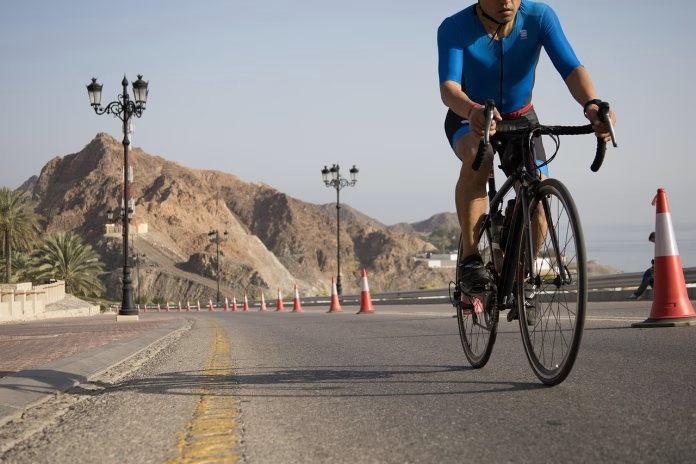
Over the past two decades, the UAE has transformed cycling from a niche hobby enjoyed by a small group of people into a popular sport and lifestyle, supported by purpose-built velodromes, races, and club culture. This development follows a clear logic: cycling is an environmentally friendly form of transport, a mass sport, and a popular platform for promoting healthy lifestyles and international branding. In a country where heat and traffic are major obstacles, dedicated, well-lit tracks and a controlled environment make year-round training more realistic. IDA experts reviewed completed and planned projects to assess the UAE’s contribution to the development of cycling.
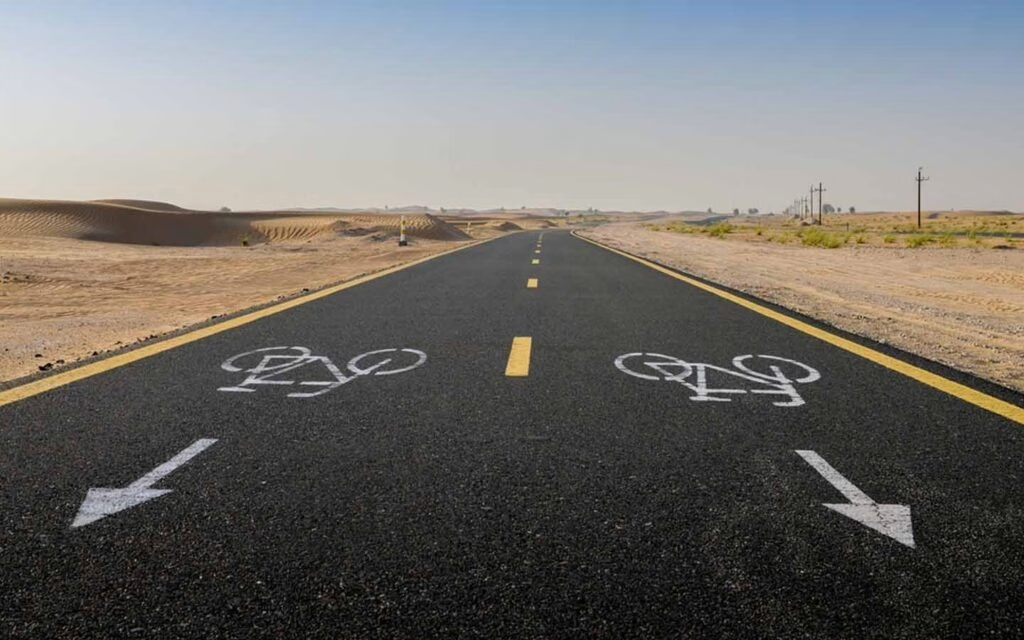
What the UAE already built for cyclists
Dubai: desert-distance training at scale
Dubai’s best-known cycling asset is the Al Qudra Cycling Track, designed for long, uninterrupted mileage in a low-traffic setting. It is widely used for endurance sessions, group rides, and preparation for local races, with a headline figure of 86 km of track. For cyclists, the practical value is consistency: reliable surface quality, minimal junction interruptions, and a route profile that suits structured training.
Abu Dhabi: multiple circuits and event-ready facilities
Abu Dhabi has invested in dedicated hubs that combine training loops with amenities and lighting, supporting early-morning and evening rides. A notable example is Hudayriyat Island, promoted as having 28 km of cycling track, built as part of a wider sports and leisure district. In addition, the emirate has stand-alone circuits such as Al Wathba, valued by riders for clear distance options and night riding.
Why this matters to the UAE
The intent is not only recreational. High-quality cycling infrastructure helps deliver measurable public-health goals, supports sports tourism, and fits the UAE’s broader agenda of liveability and diversified leisure economies. It also provides an entry point sport: cycling scales from beginners to elite training without needing specialist venues in every neighbourhood, as long as safe, continuous routes exist.
How cyclists rate it in practice
Among sport cyclists, the strongest feedback is typically about safety and ride continuity: dedicated tracks reduce conflict with traffic, lighting extends usable hours, and consistent surfaces enable training plans. The main constraints remain climate in peak summer daytime, limited shade on open tracks, and the need for stronger last-mile connectivity so riders can reach circuits without relying on cars.
Future direction and projects
RTA Cycling Track Master Plan to 2030
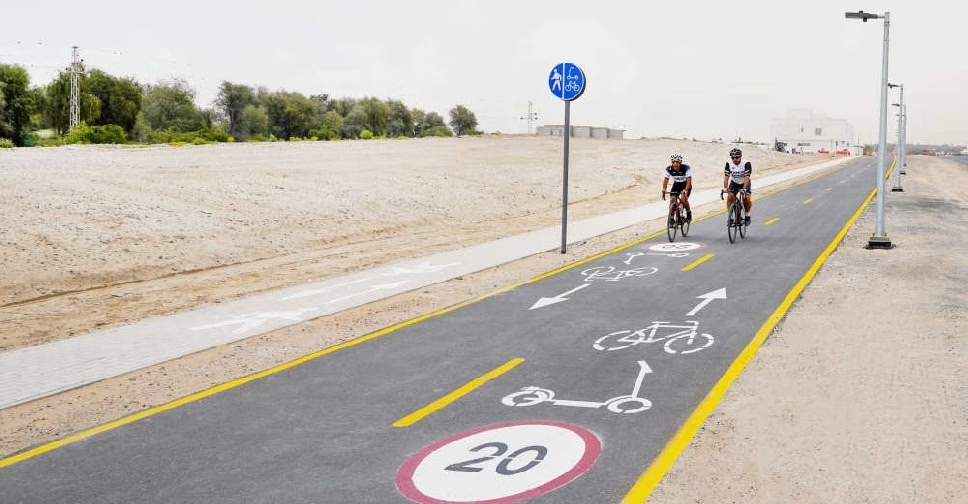
Dubai’s Roads and Transport Authority has an explicit expansion target: increase the emirate’s dedicated cycling network from roughly 560 km to 1,000 km by 2030. The practical emphasis is connectivity, linking coastal districts such as Jumeirah, Al Sufouh and Dubai Marina to major external training routes such as Al Qudra, Seih Al Salam and Nad Al Sheba via intermediary corridors including Al Barsha and Dubai Hills. This matters for sport because it reduces the “drive-to-ride” dependency and makes longer training blocks possible with fewer breaks and safer crossings.
The Loop: 93 km climate-controlled active corridor concept
In parallel, Dubai has a high-profile proposal branded The Loop: a 93 km climate-controlled running and cycling corridor concept, positioned as a step-change for year-round active travel in a hot climate. It is best read as an ambitious mobility and liveability concept rather than a finished asset; its ultimate value for cyclists will depend on delivery, access points, and how well it integrates with the RTA network rather than functioning as a standalone attraction.
Abu Dhabi: performance venues plus new continuous corridors
Abu Dhabi’s Department of Municipalities and Transport has been rolling out additional cycling corridors along the Abu Dhabi–Al Ain Road, with recent phases described as creating continuous links outside Abu Dhabi Island and connecting into existing tracks. For sport riders, the significance is not only kilometres added, but continuity: fewer dead-ends, better route planning for endurance sessions, and more options for point-to-point training rather than repetitive loops.
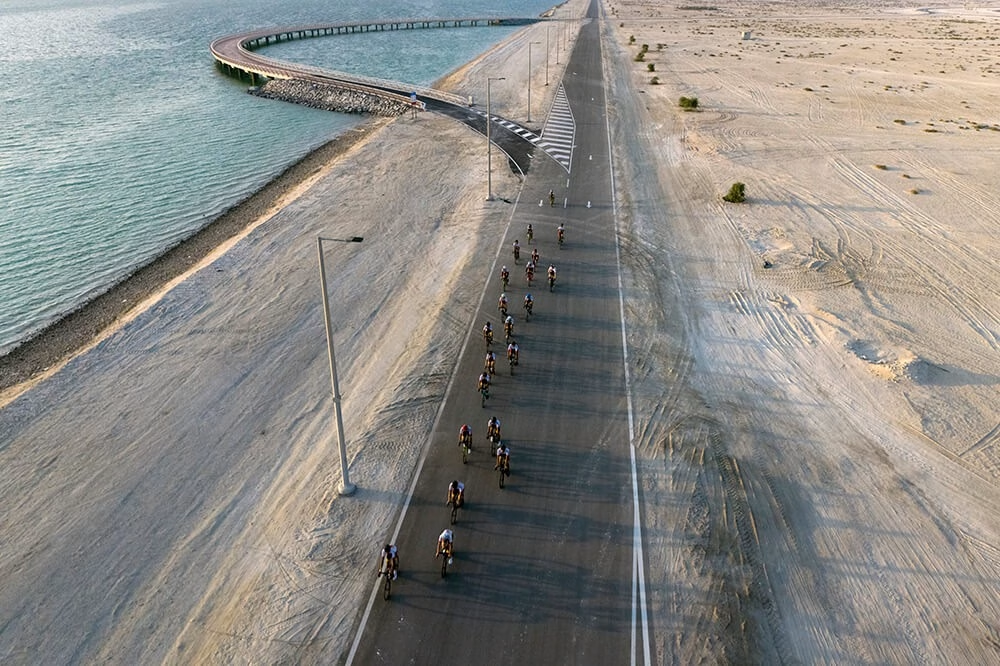
Hudayriyat Island: multi-sport expansion with track-cycling ambitions
Hudayriyat continues to develop as a flagship sport precinct, and published masterplan descriptions include a velodrome alongside extensive cycling and running infrastructure. Separate project documentation also indicates a spectator capacity threshold in the thousands for the velodrome component, signalling intent to host major events and structured training. This is different in nature from a road loop: it is about creating an indoor, event-grade track cycling venue that can support elite programmes and winter camps.
Sharjah: dedicated facility-led growth
-
 Photo Credit: Getty
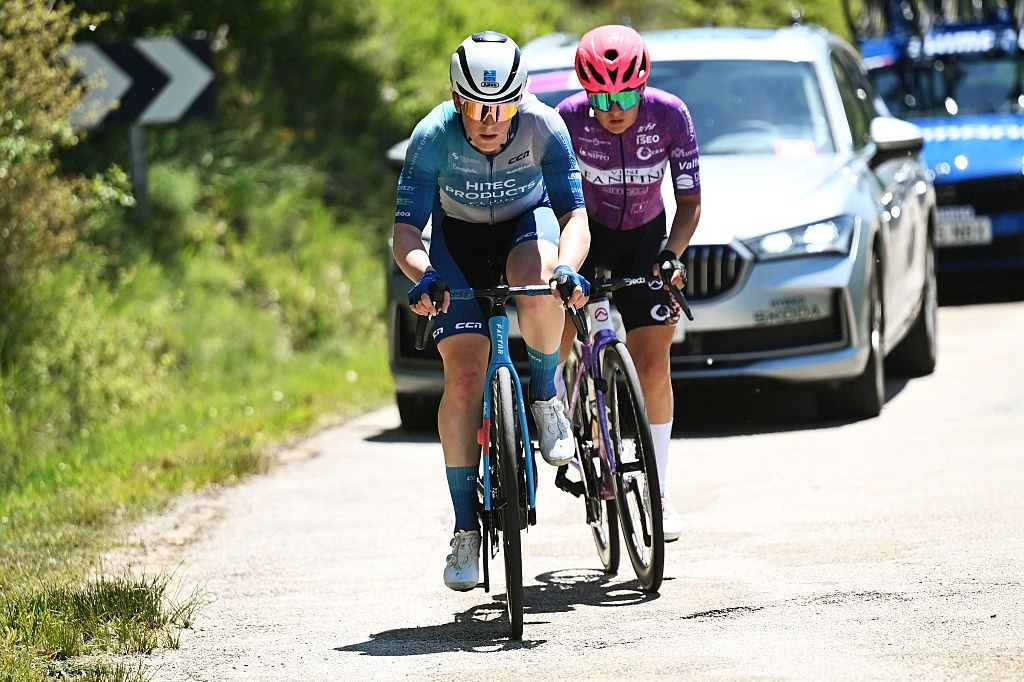
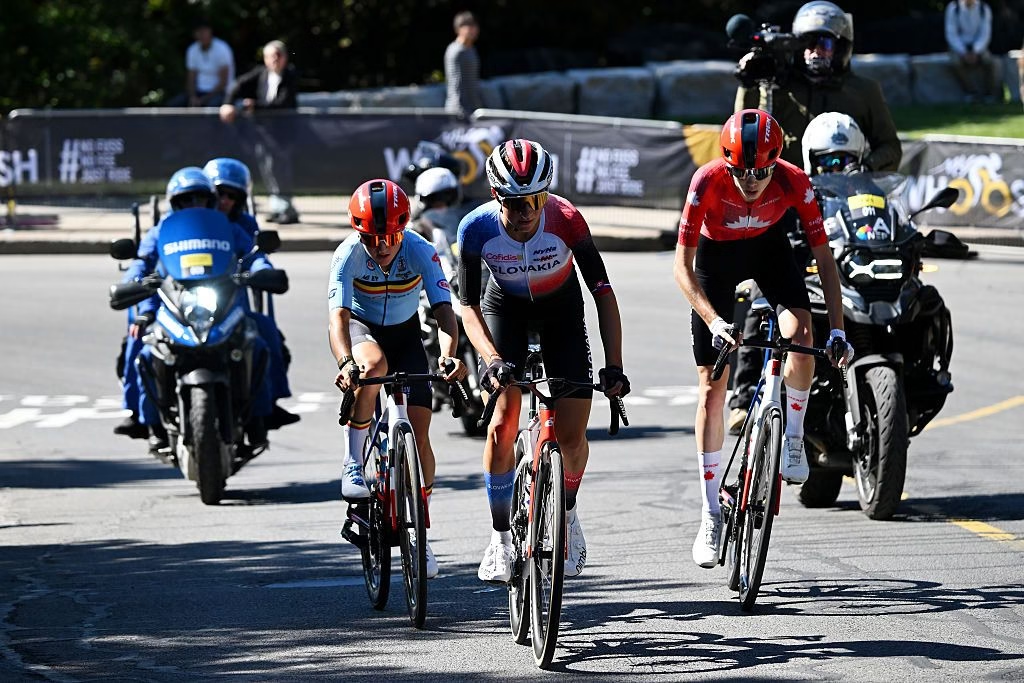
Sharjah’s approach has been more facility-led: a clear example is Masaar Track, promoted as a 6.6 km loop within a landscaped development. For cyclists, it fills a distinct niche: predictable laps, controlled access, and convenience for regular training without needing to travel to Dubai or Abu Dhabi’s larger circuits.
Practical note for UK travellers: do you need an IDP in the UAE?
For British visitors hiring a car in the UAE, requirements can depend on the rental company and the licence format. The safest approach is to check the UK government guidance for driving abroad and confirm directly with the hire provider before travel.

