
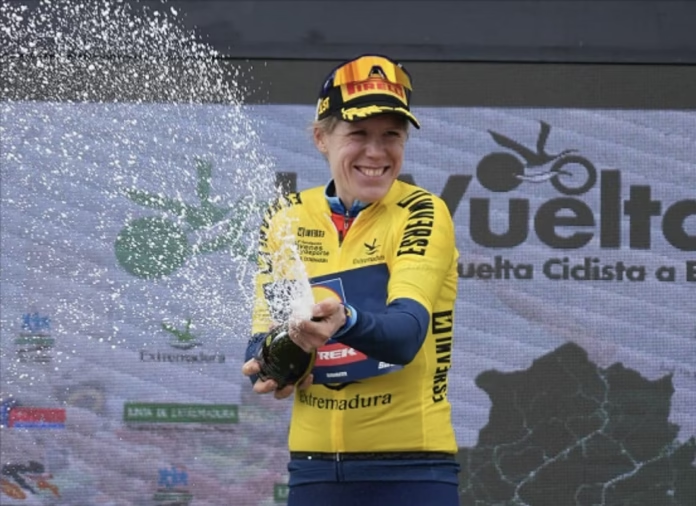
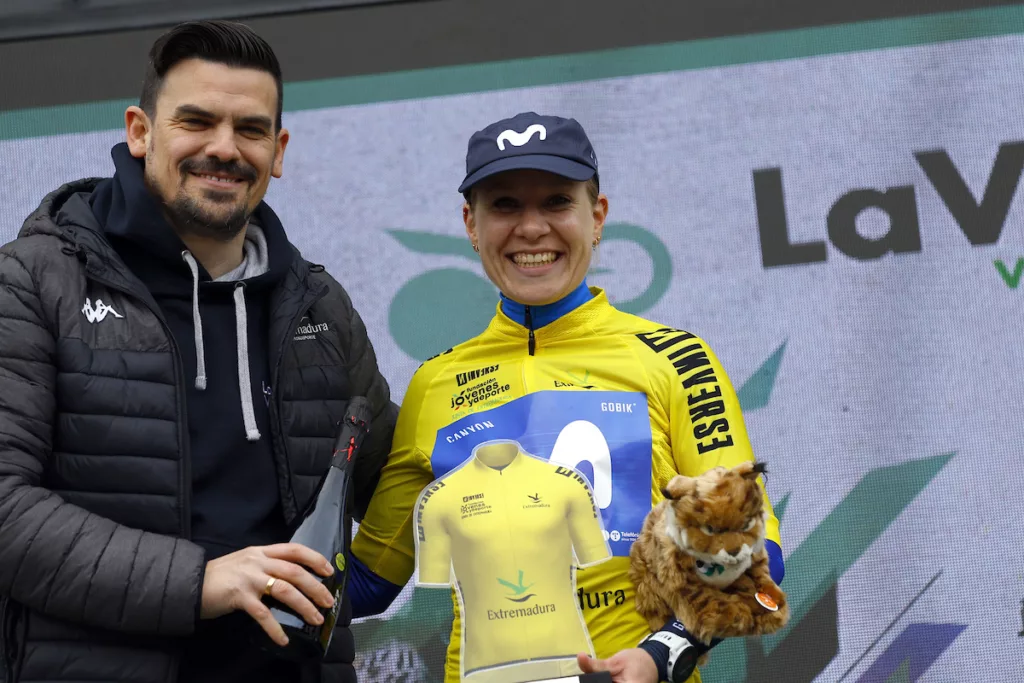
There is a moment early in the Spanish spring when the road tilts upward, the time trial has already done its damage, and the race distils itself to a handful of riders with enough left to contest a finish in Extremadura. The Vuelta a Extremadura Femenina has established itself in just four editions as a race that demands honest answers across every format: the clock on Stage 1 forces riders to show their hand before a bunch has even formed, and the climbs of Stage 3 ensure that anyone who built an artificial lead cannot hide. Ellen van Dijk took a famous victory in her final pro season last year.
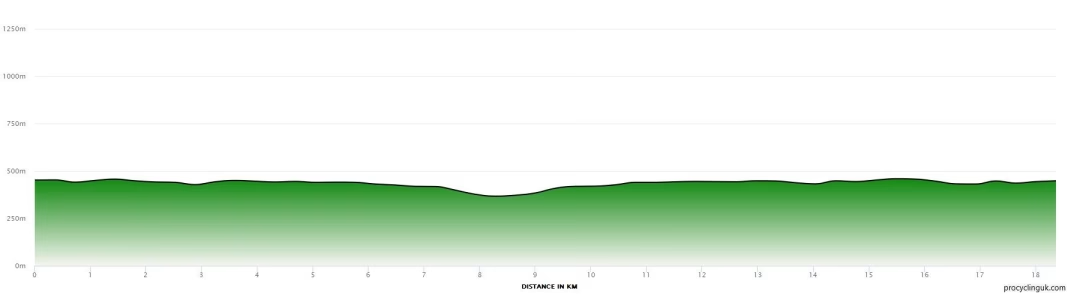
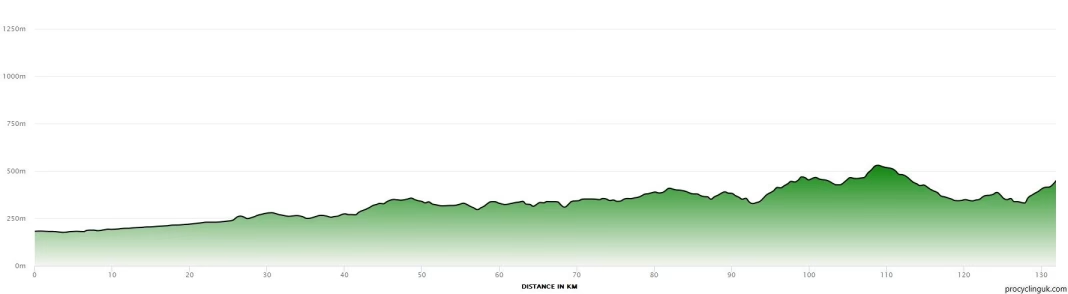
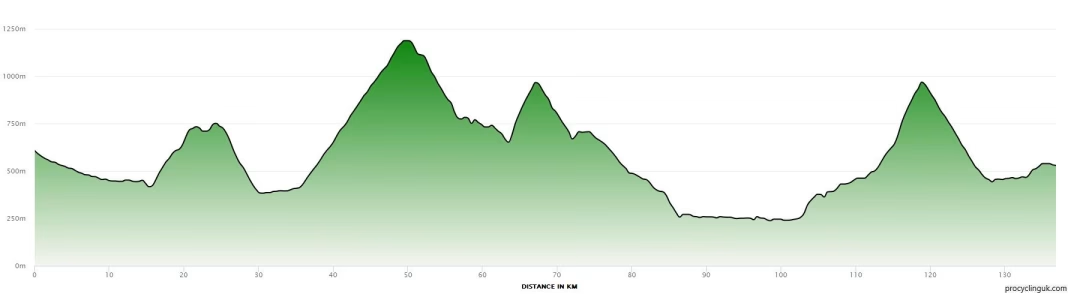
The 2026 edition covers 290.6 kilometres across three stages between 6 and 8 March. The most significant format change from previous years is the replacement of the team time trial with an 18.4-kilometre individual time trial in Herrera del Duque on Stage 1, meaning GC gaps are built or lost on individual ability rather than collective effort from the very first day. Stage 2 is a 132.8-kilometre road stage from Pueblonuevo del Guadiana to Fuente del Maestre, largely flat and exposed to wind across the comarcas of Vegas Bajas and Tierra de Barros, offering a sprint finish but with the threat of echelons if the wind turns aggressive on the open roads near La Albuera. Stage 3 is the race’s true test: 139.4 kilometres from Jerte to Jaraíz de la Vera with over 2,500 metres of climbing packed into the Valle del Jerte and La Vera, where the final classification will be decided.
The Stage 1 time trial rolls out from Herrera del Duque towards Peloche on the shores of the García Sola reservoir before looping back through the final four kilometres to the finish. At 18.4 kilometres, it is the longest individual time trial in the race’s history, and the rolling terrain will separate specialists from those merely trying to limit losses. Stage 2 is likely to be straightforward unless the wind splits the peloton on the exposed sections near La Albuera, but the sprint itself may not be clean if GC riders choose to use any late crosswind to press their advantage further. Stage 3 is where the race is finally resolved. La Puria opens the account, then the Puerto de Piornal climbs for almost 17 kilometres from Valdastillas at an average gradient above five per cent, reaching 1,270 metres altitude. After a descent and a long transitional section through the Vera foothills, La Desesperá arrives twice in the closing 50 kilometres, the second ascent coming with fewer than 20 kilometres remaining before Jaraíz de la Vera. A rider who surrendered significant time in the time trial will need to attack before the final climb rather than respond to others; a rider who arrives at Stage 3 with a cushion can afford to follow and strike only when the group finally fractures.
Previous Winners
2025
Ellen van Dijk
2024
Mareille Meijer
2023
Megan Armitage
2026 Vuelta a Extremadura Femenina route
2026 Vuelta a Extremadura Femenina live TV coverage
Race Dates: Friday 6th March to Sunday 8th March 2026
All three stages will be broadcast live and free on the SportPublicTV YouTube channel.
Stage 1 coverage begins at 13:20 GMT, Stage 2 at 13:15 GMT and Stage 3 at 11:00 GMT.
2026 Vuelta a Extremadura Femenina startlist
The startlist is not yet complete. Lidl-Trek, Human Powered Health and UAE Team ADQ are all confirmed participants but their individual rider selections have not yet been announced.

2026 Vuelta a Extremadura Femenina contenders
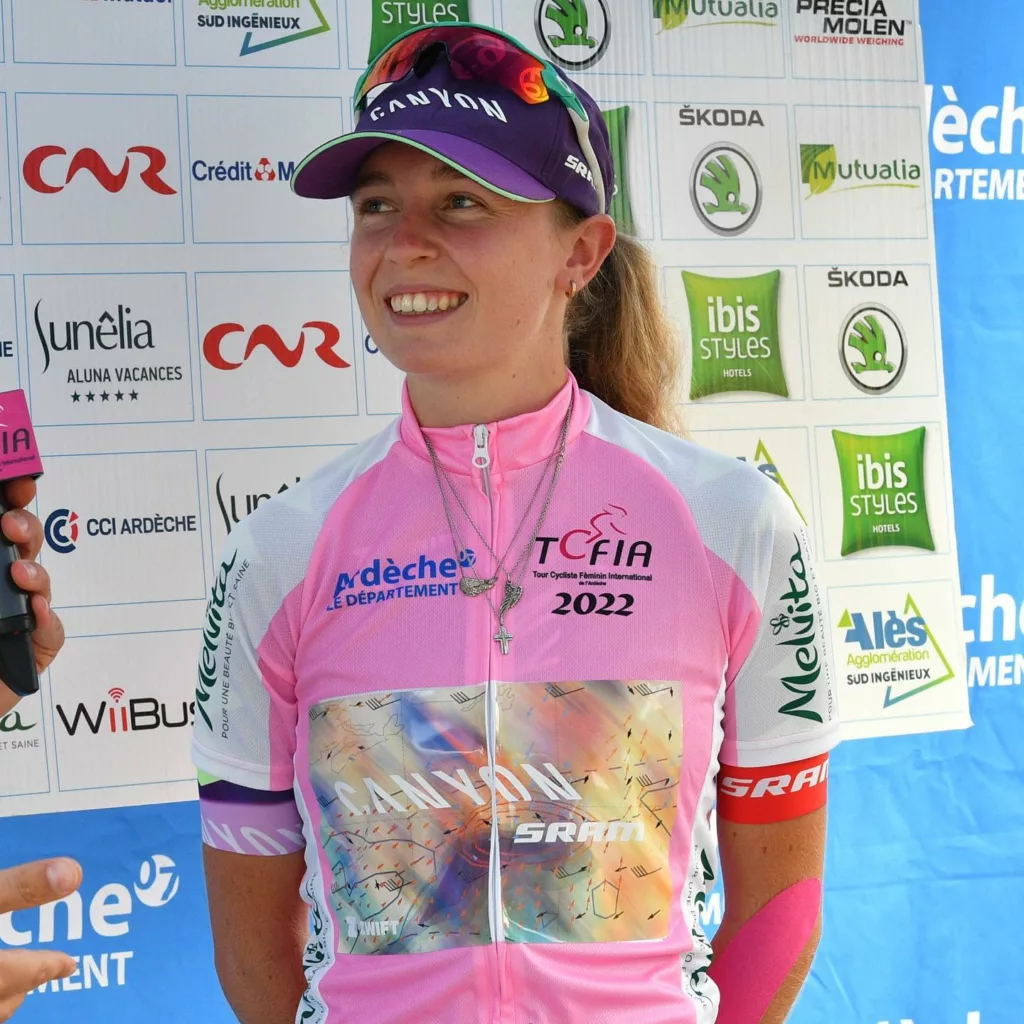
The most dangerous combination in this field is a rider who can both win the time trial and survive Stage 3, and Antonia Niedermaier of Canyon SRAM fits that description better than almost anyone on the confirmed start list. She is the reigning Elite German National Time Trial champion, was fourth at the 2024 UCI Road World Championships time trial just nine seconds off the podium, and finished fifth overall at the Giro d’Italia in 2025, one place better than her 2024 result. Her career pattern is consistent: she performs best when a race combines sustained climbing with a time trial that lets her build a lead early rather than having to attack on the road stage alone, and this race is structured precisely to reward that combination. Zoe Backstedt is the Canyon SRAM rider to watch on Stage 3, with strong early 2026 road form and the ability to handle high-intensity sustained efforts that suits the repeated climbing of La Desesperá well. If Stage 2 arrives together, Chiara Consonni is a genuine sprint threat and gives the team a stage win option before the GC battle reaches its conclusion.
The most compelling returning contender in the confirmed field is Mareille Meijer, who won this race outright in 2024 and lines up again in 2026 for Movistar Team. A rider who has already won from a particular format and parcours carries knowledge that recent form alone cannot replicate, and Meijer’s understanding of where this race is decided gives her a tactical advantage that will be difficult to neutralise. The added dimension at Movistar is Olivia Baril, the Canadian National Time Trial champion, who gives the team a genuine second threat on Stage 1. Having two riders capable of building time in the time trial rather than limiting losses changes how every other team must approach the opening day, and if either Meijer or Baril takes a meaningful Stage 1 lead, Movistar can sit on their advantage and force others to take risks on Stage 3.

The most in-form rider in the confirmed field arriving from outside the WorldTour is Paula Patiño of Laboral Kutxa-Fundación Euskadi, whose 2026 season opened with a stage win and overall victory at the Tour El Salvador in January, the first race under her new team’s colours after seven seasons at Movistar. A Colombian climber whose strength has always been most visible on multi-day races with summit finishes, she is exactly the type of rider Stage 3 is designed to expose. The question is whether her time trial losses on Stage 1 are small enough to keep the GC fight open by the time Piornal and La Desesperá arrive, because if she reaches the final climb within touching distance of the leaders, she becomes the most dangerous attacker in the race. Laboral Kutxa have more than one GC card to play. Usoa Ostolaza is a credible threat on the climbs, though her time trial is likely to leave her further back than Patiño after Stage 1, meaning she will need Stage 3 to be aggressive enough to overhaul that deficit. Yuliia Biriukova arrives with momentum after winning the Grand Prix El Salvador and finishing 2nd in the Grand Prix San Salvador, form that suggests she has the condition to back up over consecutive days and make her presence felt on the queen stage.
The FDJ United-SUEZ selection does not include the team’s headline names but there is genuine GC potential in the riders who are here. Vittoria Guazzini is the most natural overall contender, with TT pedigree from multiple national title wins giving her the ability to build time on Stage 1 and arrive at Stage 3 with something to defend rather than having to gamble from behind. Lauren Dickson is the quieter option to keep an eye on in GC, a consistent stage racer who may not advertise herself as a favourite but can move up the classification on a hard day if others struggle on the second passage of La Desesperá. If Stage 2 arrives together, Ally Wollaston is a genuine sprint threat and gives the team a stage win option before the GC battle reaches its conclusion.

The Cofidis Women Team selection offers two quite different threats depending on how the race develops. Victorie Guilman is best suited to rolling stages where accumulated pressure matters more than a single explosive effort, and if Stage 2 develops into a hard, wind-affected day rather than a straightforward sprint, she becomes more relevant than her stage racing palmarès might suggest at first glance. Nikola Nosková is the more interesting name for Stage 3: she can climb well enough to stay with the front group on Piornal and La Desesperá, but her time trial is likely to leave her with too much to recover in the GC to trouble the overall leaders. A stage win from a well-timed attack on the final climb is the more realistic target, particularly if the GC riders are too focused on watching each other to cover a move from someone they are not counting as a general classification threat.
A stage win on Stage 3 is also a realistic outcome for Ainara Albert Bosch of the Spain national team, who arrived at this race having finished 4th at the Tour El Salvador in January 2026. Racing on home roads with the freedom of a national team rather than the obligations of a protected leader, she can afford to attack at a moment that suits her rather than when tactics dictate it, and that freedom on the climbs of La Vera makes her one of the hardest riders to account for when the race reaches its decisive phase.
 Photo Credit: Zac Williams/AusCycling
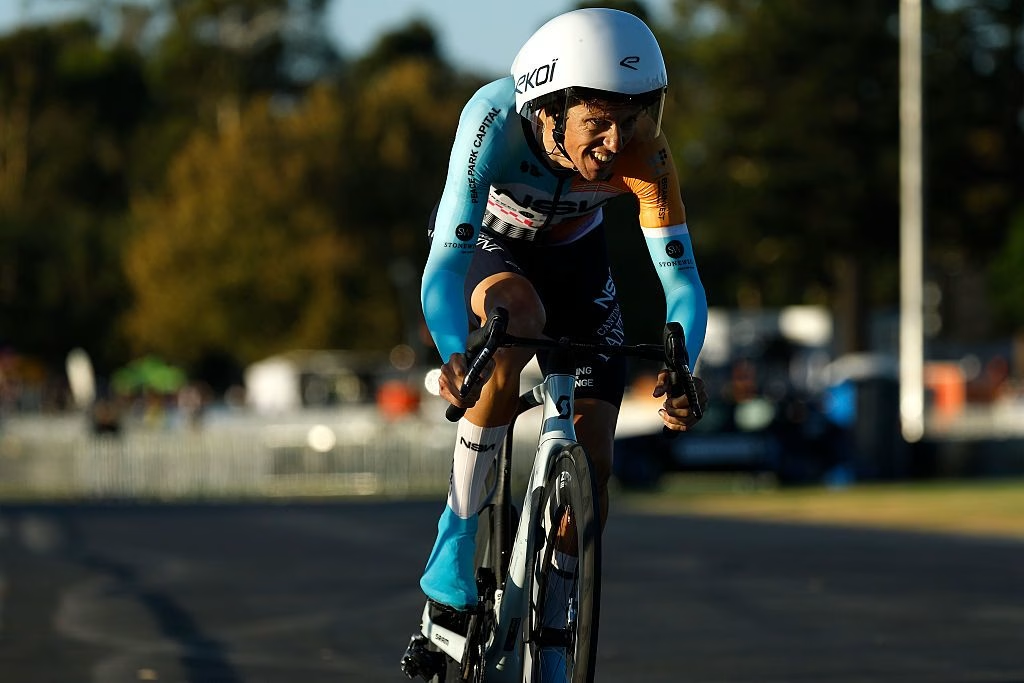
The most promising outside card in the confirmed field is Lucinda Stewart of Liv AlUla Jayco Women’s Continental Team, who won the Australian National Champs in January 2025 as a 20-year-old, outsprinting a breakaway group on a circuit featuring climbs of up to 12 per cent per lap. That performance pointed to a rider comfortable with sustained tempo and capable of reading a race from inside a move rather than relying on team control. She is not a proven stage race GC performer yet, but her climbing profile and ability to stay in the right group makes her one of the more interesting names to follow if Stage 3 fractures early and a small group builds a gap before the final passage of La Desesperá.
-
 Photo Credit: Cor Vos
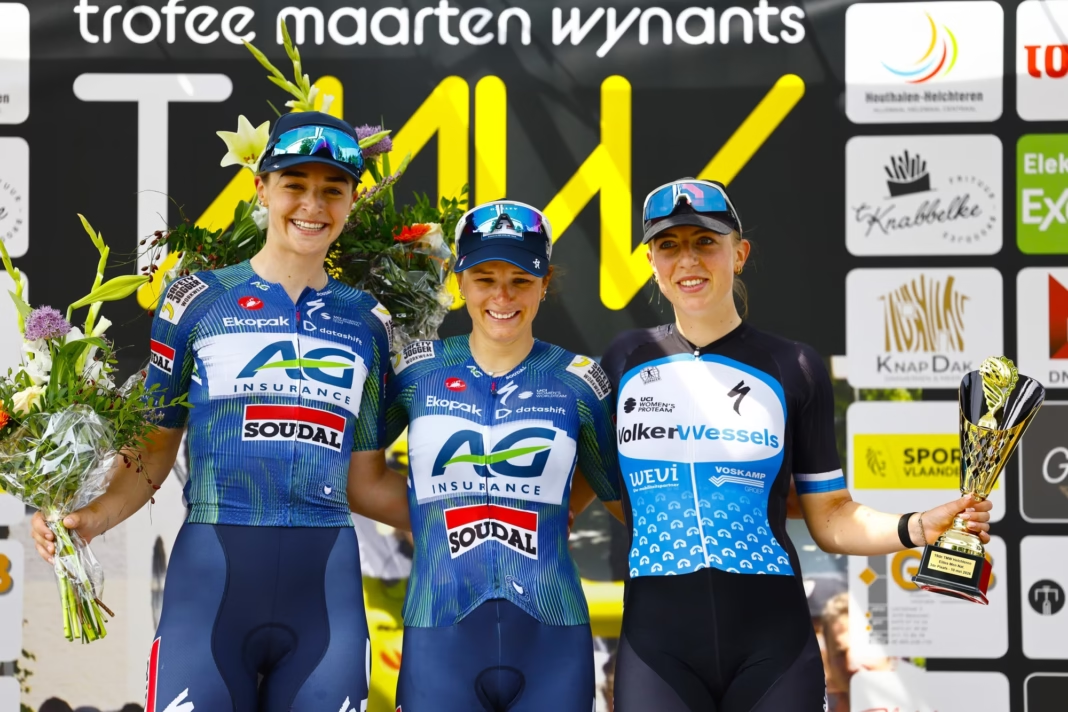
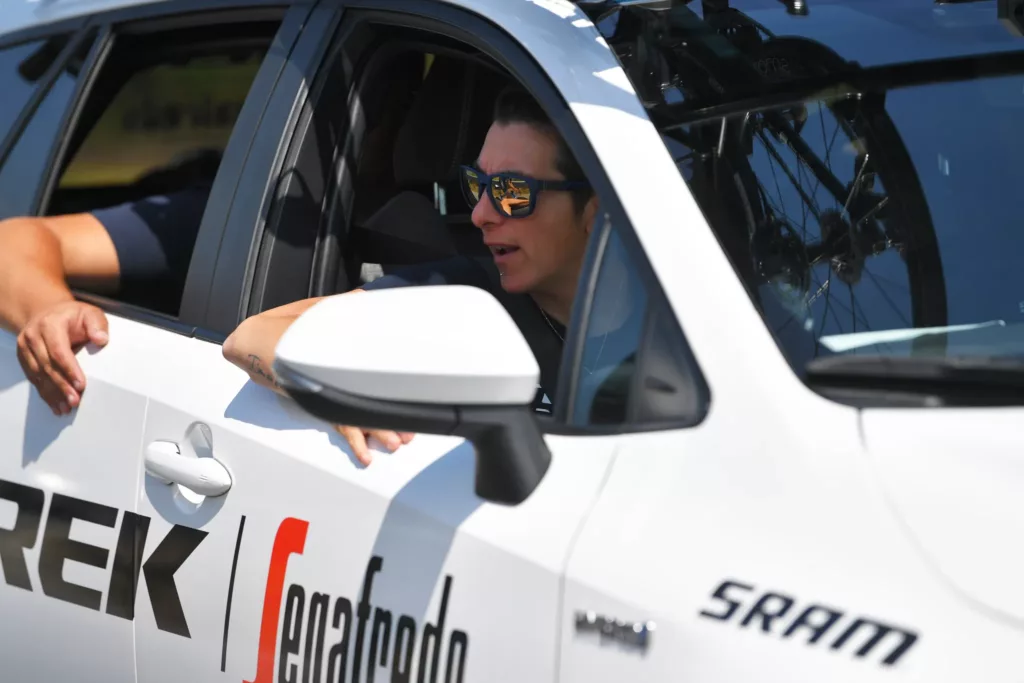
Three teams have confirmed participation but are yet to announce their rider selections: Lidl-Trek, Human Powered Health and UAE Team ADQ. Depending on who each team sends, any one of them could significantly alter the contender picture. Lidl-Trek in particular have riders whose combined time trial and climbing profiles suit this race format extremely well, and their selection will be one of the final pieces of the puzzle before Stage 1 rolls out of Herrera del Duque.
Top 3 Prediction
⦿ Antonia Niedermaier
⦿ Mareille Meijer
⦿ Paula Patiño

