In Flanders Fields 2026 is one of the most interesting races of the spring because it arrives with a new name, a new start and the suggestion that something bigger has changed.
But only part of that is true.
Yes, the race formerly known as Gent-Wevelgem has been rebranded as In Flanders Fields – from Middelkerke to Wevelgem. Yes, the men’s race now starts in Middelkerke for the first time. And yes, that changes the shape of the opening part of the day. But this is still recognisably the same race at its core: a Belgian one-day classic built on wind, exposed roads, plugstreets, Heuvelland climbs and the repeated question of whether the fast riders can still survive once the race gets serious.
That is what makes it so useful for a new fan. It sits in that fascinating space between a pure sprinters’ race and a full cobbled war. It is rarely simple, but it is usually very readable.
If you want the wider historical background first, ProCyclingUK’s A brief history of Gent-Wevelgem Women helps explain how the wider event moved into its new In Flanders Fields identity for 2026.
What is In Flanders Fields 2026?
This is the men’s WorldTour race previously run as Gent-Wevelgem.
The name has changed, but the sporting logic remains familiar. It is still one of the key races of the Flemish spring, still one of the most important one-day tests before the Tour of Flanders, and still one of the best races on the calendar for understanding how wind, terrain and timing can shape a result without needing a mountain or a cobbled berg every few kilometres.
That matters because In Flanders Fields occupies a very specific place in the spring. It is not a Monument, but it is often raced with Monument-level intensity. Riders and teams know a big result here says something real about their level.
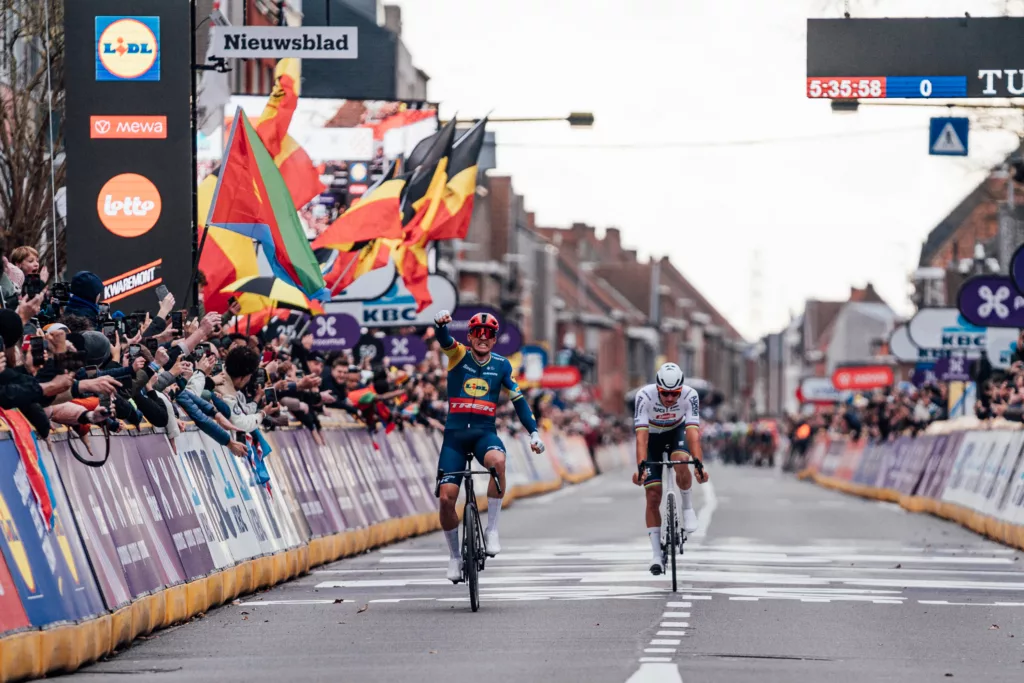 Photo Credit: Zac Williams/SWpix.com
What has changed for 2026?
The biggest change is right at the start.
The men’s race now begins in Middelkerke, on the coast, rather than in Ypres. That shift is important enough that the race has taken on its new official title, In Flanders Fields – from Middelkerke to Wevelgem. The finish remains in Wevelgem, and much of the race’s deeper identity remains familiar, but the opening phase is now more coastal and more exposed from the outset.
That matters because the route now heads toward Veurne and the Moeren from an even more natural direction. In practical terms, the race no longer grows gradually into its wind threat. The threat is built in from very early on.
For beginners, that is the main thing to grasp. The new name matters, the new start matters, but the race still revolves around the same broad tension: can the strongest teams make the race selective enough before the finish?
Where does the race start and finish?
The race starts in Middelkerke and finishes on Vanackerestraat in Wevelgem.
That is an important combination. Middelkerke immediately points the race toward the coast and the exposed roads that can create early stress. Wevelgem, meanwhile, remains one of the most familiar finishes of the Belgian spring and keeps the event tied to the same sort of ending it has long produced.
So the race now looks different at the beginning, but not entirely at the end. That is a useful way to understand the 2026 edition. The opening has shifted. The finishing logic has not disappeared.
How long is the 2026 race?
The men’s race covers 240.8 km.
That is long enough for the race to tell several different stories in one day. The early part can be shaped by wind and positioning. The middle section becomes more technical and attritional through the plugstreets and the run toward Heuvelland. Then the later phase asks whether the climbers and classics specialists can turn that damage into something decisive before the run-in to Wevelgem.
This is not a short race with one dramatic set-piece. It is a long race that gradually narrows the list of likely winners.
What are the key parts of the route?
There are three main elements to understand.
The first is the Moeren. That remains one of the defining landscapes of the race. Flat, exposed and always capable of changing everything if the wind lines up properly, it is the section that gives this event its particular sense of danger. The new start in Middelkerke only makes that feel even more central.
The second is the plugstreets. These gravel sectors are not there as decoration. They give the race a distinct character and add a different kind of pressure to the day. Riders need handling, positioning and calm under stress, not just raw strength.
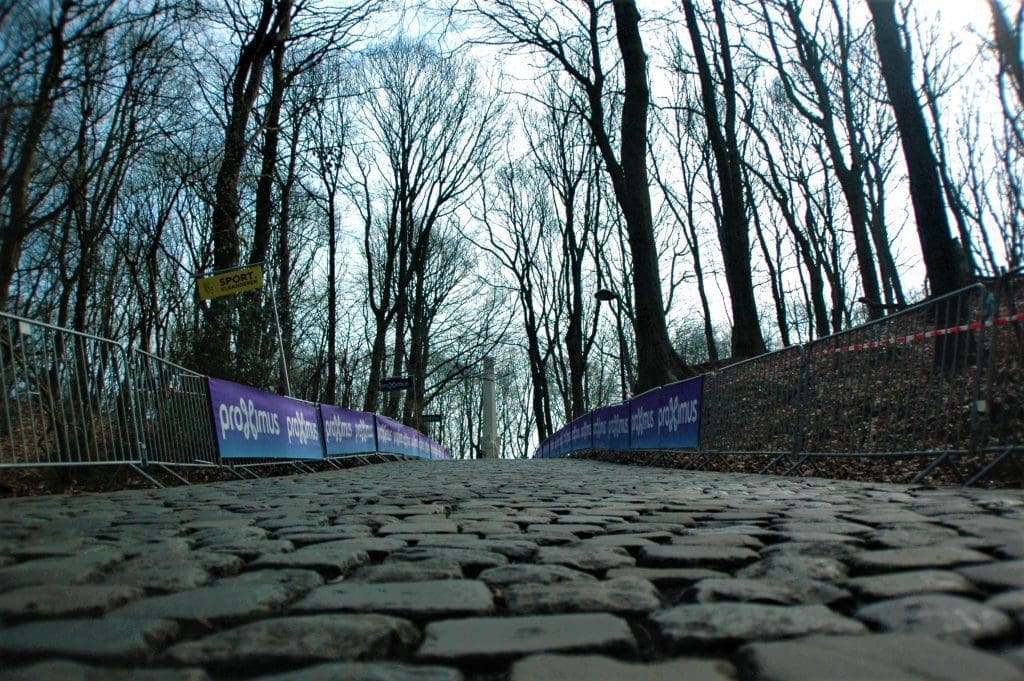
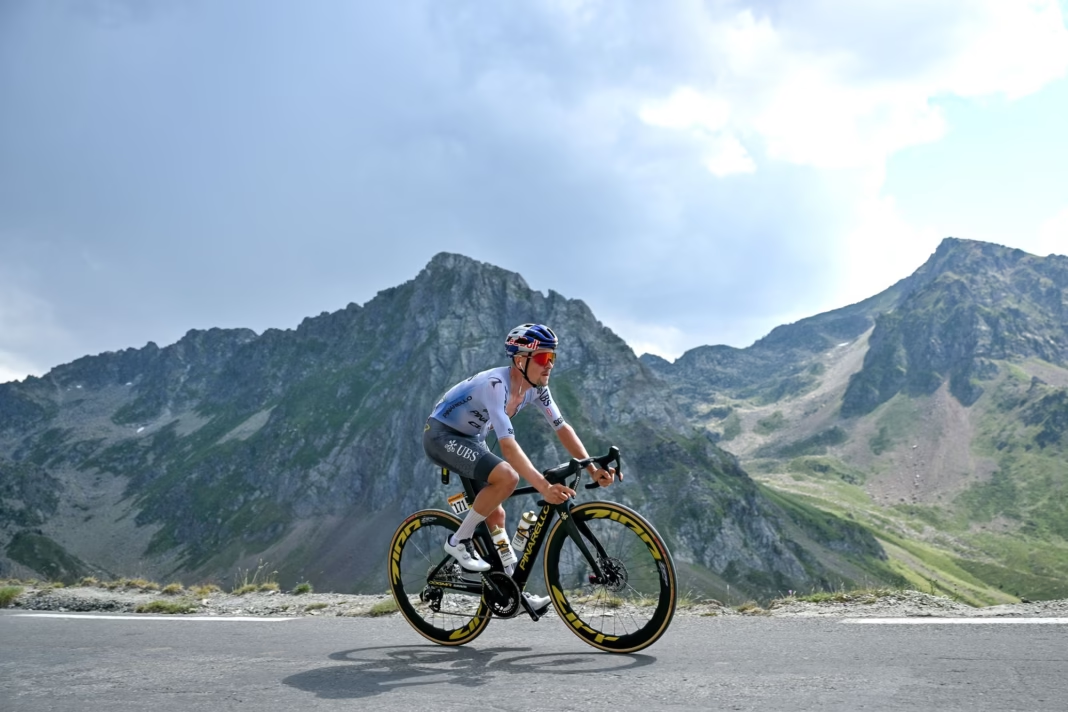
The third is Heuvelland, especially climbs such as the Monteberg, Scherpenberg, Baneberg and, above all, the Kemmelberg. That is where the race starts asking harder questions of the sprinters and where the stronger one-day riders often begin trying to force the race into something smaller and more selective.
-
 Photo Credit: Getty


Why is the Kemmelberg so important?
Because it is the clearest pressure point in the race.
The Kemmelberg is not just a climb. It is the moment where the race usually has to show its hand. By the time the riders reach it, the bunch has already spent a long time fighting wind, speed and road position. That means the climb does not need to be enormous to matter. It only needs to arrive at the right moment, and here it does.
That is why Gent-Wevelgem, and now In Flanders Fields, has always been more than a sprinters’ race. The Kemmelberg gives the stronger classics riders a chance to break the race, or at least to make it selective enough that only the most durable fast finishers stay relevant.
It is the point where the race often stops being theoretical.
What kind of rider does this route suit?
That is what makes the race so good. It suits more than one type, but not equally.
A pure climber is not ideal here. The race is too flat and too fast for that. A pure sprinter is not ideal either unless he can survive wind, gravel and repeated climbing pressure. The best fit is usually a durable sprinter or a classics-style all-rounder, someone who can handle everything the race throws up and still make good use of the finish.
That is why the winners list for this race has often felt so interesting. It has room for elite sprinters, but also for strong one-day riders who can break the race open before the line.
Why is this race so useful before Flanders?
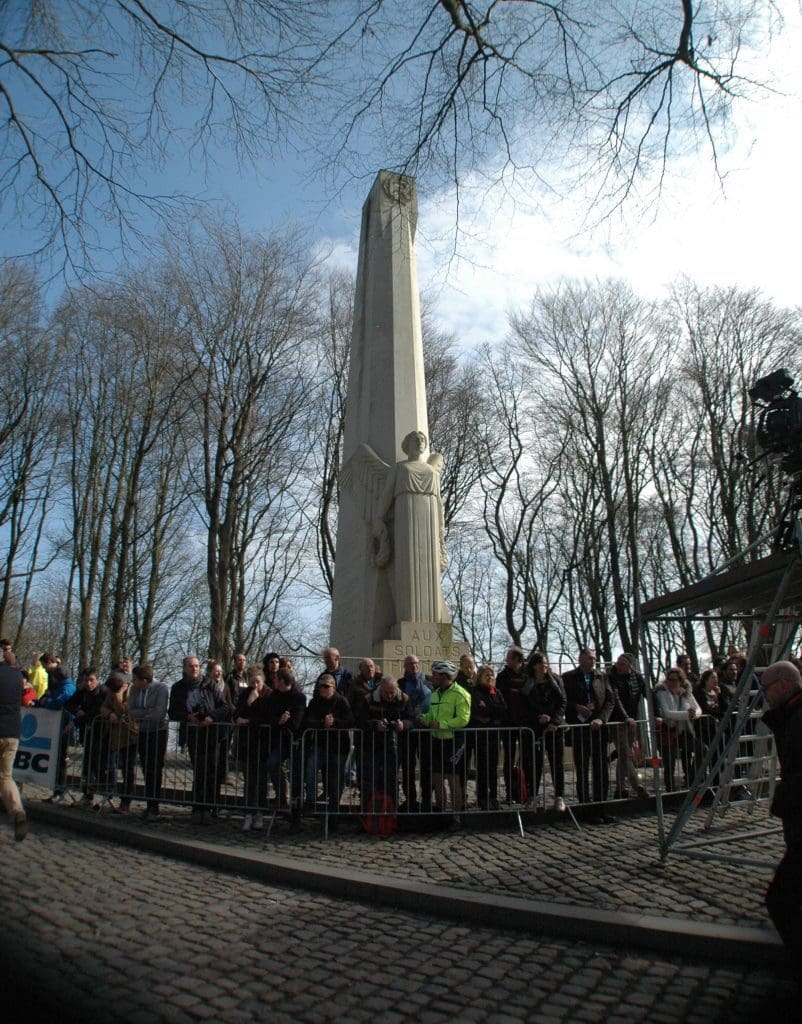
Because it shows which teams can make hard racing work on Belgian roads.
That is the race’s real value in the calendar. It comes before the Tour of Flanders, but it is not simply a prelude. It is one of the best tests of whether a rider and a team can handle the strain of the northern spring when the roads are exposed, the bunch is nervous and the route demands multiple kinds of strength.
That is also why it is worth watching as a new fan. If you understand In Flanders Fields, you start to understand a lot about how the rest of the spring works.
For a useful comparison with a more overtly selective Flemish race, ProCyclingUK’s Beginner’s guide to Dwars door Vlaanderen Women 2026 shows how repeated cobbled climbs create pressure in a different way, while the Beginner’s guide to Tour of Flanders Women 2026 explains the more brutal exam that usually follows.
What should new fans watch for?
Watch the race in phases.
First, pay attention to the bunch in the open roads before and through the Moeren. If the wind is active, that part of the race can change everything very quickly.
Second, watch how teams handle the plugstreets and the build-up toward Heuvelland. That is where organisation and confidence start to matter just as much as legs.
Third, once the climbs arrive, especially the Kemmelberg, watch which riders are still moving with intent rather than just hanging on. That is usually where the race starts naming its real contenders.
And then remember one more thing: even after the hills, the race is not always settled. Wevelgem still leaves room for a reduced sprint, a late solo move or a small-group finish.
So what should you expect from In Flanders Fields 2026?
Expect a race that starts with more coastal tension than before.
Expect the Moeren to matter as much as ever, perhaps more.
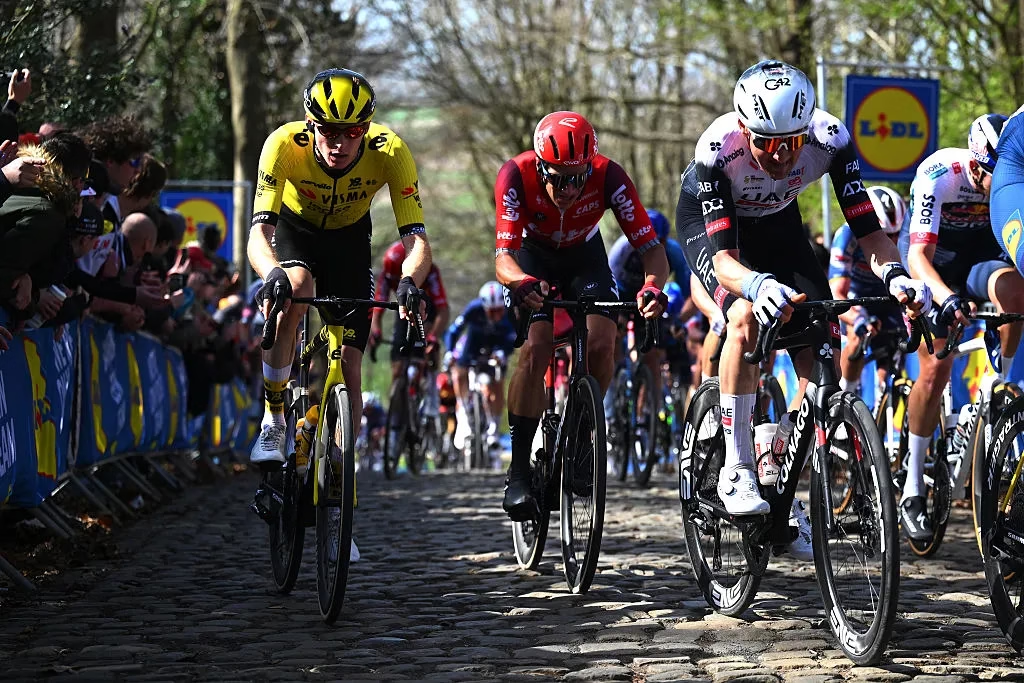
Expect the plugstreets and Heuvelland climbs to turn a fast race into a selective one.
And expect a race that still feels very much like Gent-Wevelgem even with a new name above the door. In Flanders Fields 2026 may be a rebrand, but it remains one of the clearest and most distinctive one-day races of the Belgian spring.