
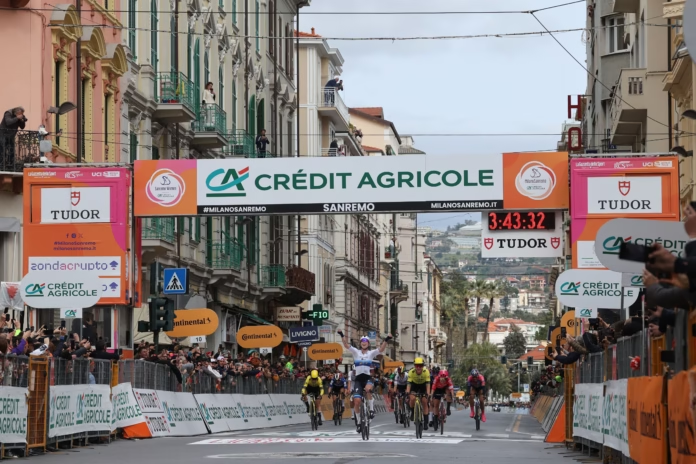
Milan-San Remo Donne 2026 looks set to be raced very differently from the cautious first edition. Last year, the finale was tense but conservative. The Cipressa was approached with more hesitation than aggression; the biggest move did not properly land until very late on the Poggio, and the result was a reduced sprint on Via Roma that played straight into Lorena Wiebes’ hands. If the same script unfolds again on the 21st March, the defending champion will be extremely hard to beat.
That is why the central tactical question this weekend is not simply who attacks on the Poggio. It is whether the strongest anti-sprint teams are willing to make the race hard enough, early enough, to stop Wiebes reaching Sanremo in control.
If you want the broader route context first, ProCyclingUK’s Milan-Sanremo Women 2026 route guide lays out why the Cipressa and Poggio matter so much. For race day details, How to watch Milan-San Remo Women 2026 in the UK has the full broadcast information.
 Photo Credit: LaPresse
Last year showed what not to do against Wiebes
The main lesson from the 2025 edition is brutally simple. If you allow Milan-San Remo Donne to stay controlled until the Poggio and only unleash one major attack near the summit or just after it, Wiebes can still survive well enough to win. That is exactly what happened. Elisa Longo Borghini nearly stole the race with her late move, but nearly is the key word there. She was caught close enough to the line for Wiebes to do what Wiebes does.
That is why so much of the pre-race mood this week has focused on the Cipressa. The strongest riders and teams know that a repeat of 2025 is the most comfortable possible scenario for SD Worx-Protime if Wiebes is still in the front group.
Will the teams wait for the Poggio again?
Some will still want that option in reserve, but the teams trying to beat Wiebes should not make it their only plan.
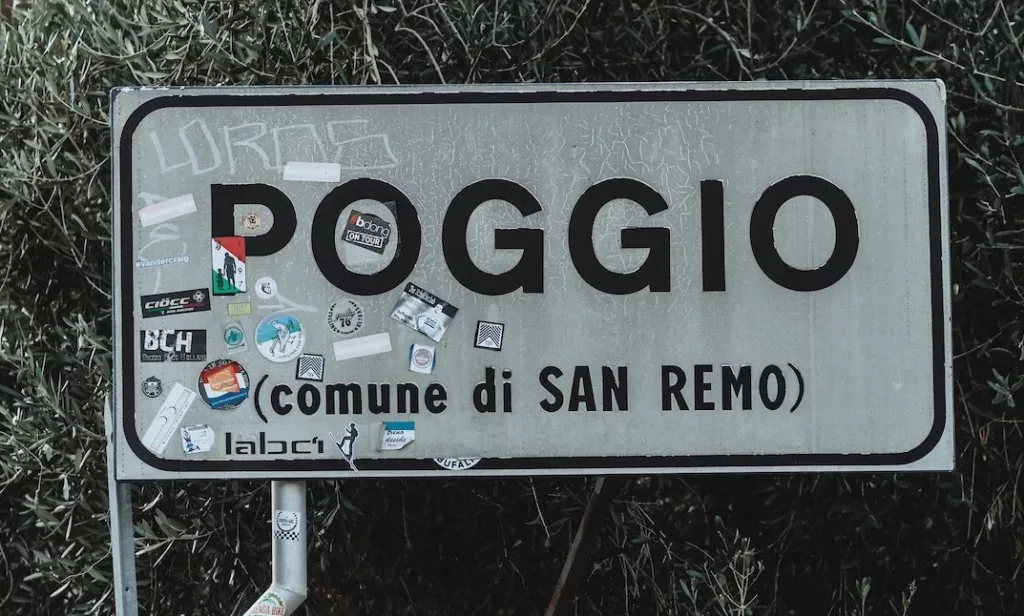
The Poggio remains the obvious focal point because it is the final climb and because the race always tightens there. A clean acceleration on the Poggio still has the power to split the front group, especially if the descent is taken at full commitment and the run to Via Roma becomes disorganised. For riders like Marianne Vos, Lotte Kopecky, Kasia Niewiadoma-Phinney and Puck Pieterse, that terrain is still one of the clearest opportunities to turn the race in their favour.
But relying only on the Poggio carries a clear problem. If Wiebes reaches it without significant fatigue damage and with even minimal support around her, the climb is usually not hard enough on its own to guarantee that she is dropped. It may stretch the group, it may thin out the numbers, but that is not the same thing as removing the fastest finisher from the equation. If she survives within contact over the top, the reduced sprint on Via Roma again becomes the most likely outcome.
-
 Photo Credit: Getty

The Cipressa looks like the real pressure point
The Cipressa is where this year’s race feels most likely to change shape.
Not necessarily because the winning move will go there and stay away all the way to Sanremo, though that cannot be ruled out. More because the Cipressa is the best place to start the process of dropping Wiebes. It is longer than the Poggio, it can be ridden in a more sustained way, and it creates a much longer sequence of pressure before the finish. If the race goes hard there, then stays hard over the top, through the transition, and into the Poggio, suddenly Wiebes has to pass three tests rather than one.
That is the central tactical shift many teams should be chasing. The goal is not simply to attack on the Cipressa. The goal is to use the Cipressa to strip away teammates, sap sprint legs and make the Poggio the second blow rather than the first. Last year, the Poggio was treated as the opening argument. This year, the teams trying to stop Wiebes need the Cipressa to be the opening argument and the Poggio to be the closing one.
Could teams try even earlier?
Yes, but probably more as attrition than as the race-winning move.
Trying something before the Cipressa makes sense if the intention is to force SD Worx-Protime to work, close gaps and spend riders in positioning battles before the decisive climbs even begin. That kind of racing could matter a great deal. If Kopecky is still fresh enough to shepherd Wiebes perfectly into the Cipressa and then cover attacks on the Poggio, SD Worx-Protime are in an exceptionally strong position. If the team has already had to spend heavily before the last 30km, that equation changes.
So expect attacks, pressure and perhaps a selective pace long before the Cipressa, but treat those moves mainly as preparation. The actual route only becomes truly transformative when the Cipressa and Poggio arrive. It is still hard to imagine the decisive solo being launched much earlier unless several major teams commit at once, and the chase behind becomes politically paralysed.
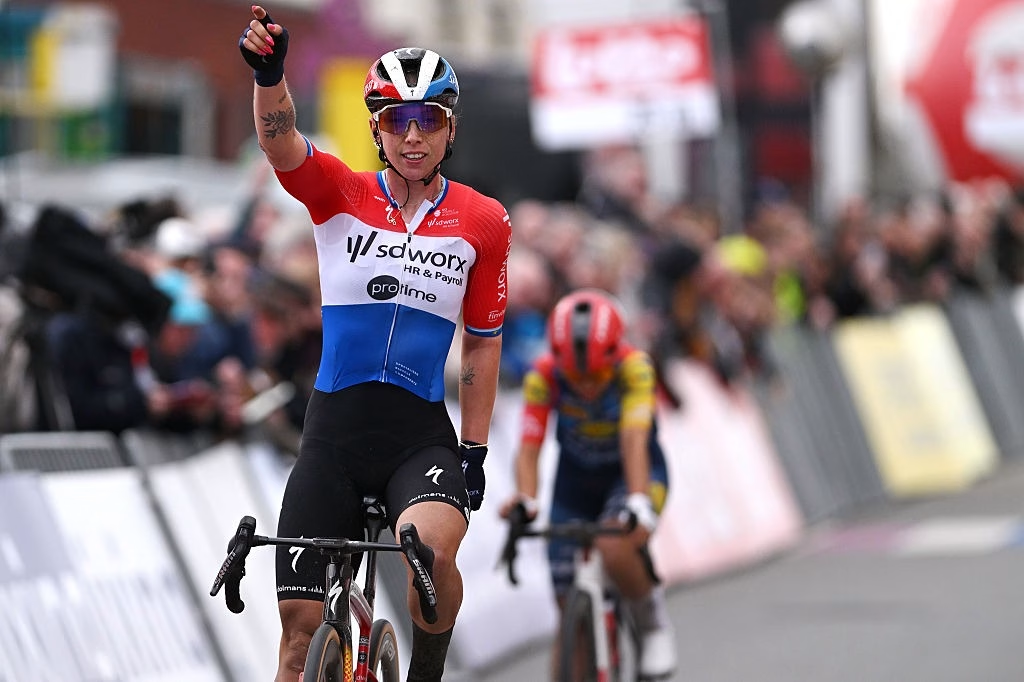
How do teams actually drop Lorena Wiebes?
This is the heart of the race.
The mistake is to think Wiebes can be dropped by one spectacular acceleration alone. More often, she has to be worn down through sequence, pace and repeat effort. That requires collective pressure from several teams and it requires those teams not to panic if the first attack does not immediately create a winning gap.
The ideal anti-Wiebes plan looks something like this.
First, force SD Worx-Protime to work before the Cipressa. That can come through nuisance moves, hard positioning and making the run-in stressful enough that their support riders have to close gaps rather than simply escort.
Second, ride the Cipressa hard from the bottom. Not just one flashy attack near the top, but a full-gas climb that turns the effort into a sustained selection. This is where teams with genuine depth can do damage.
Third, keep attacking over the top and in the descent. This is critical. If Wiebes is distanced but still close, any hesitation can bring her back. The move has to continue beyond the summit.
Fourth, use the Poggio to finish the job. If Wiebes starts the Poggio under pressure and with fewer teammates, a decisive acceleration there becomes much more dangerous. If she starts it comfortably, the odds swing back towards the sprint.
That is why the Cipressa matters so much. It is not necessarily the place where the winner rides clear forever. It is the place where the conditions for dropping Wiebes can be created.
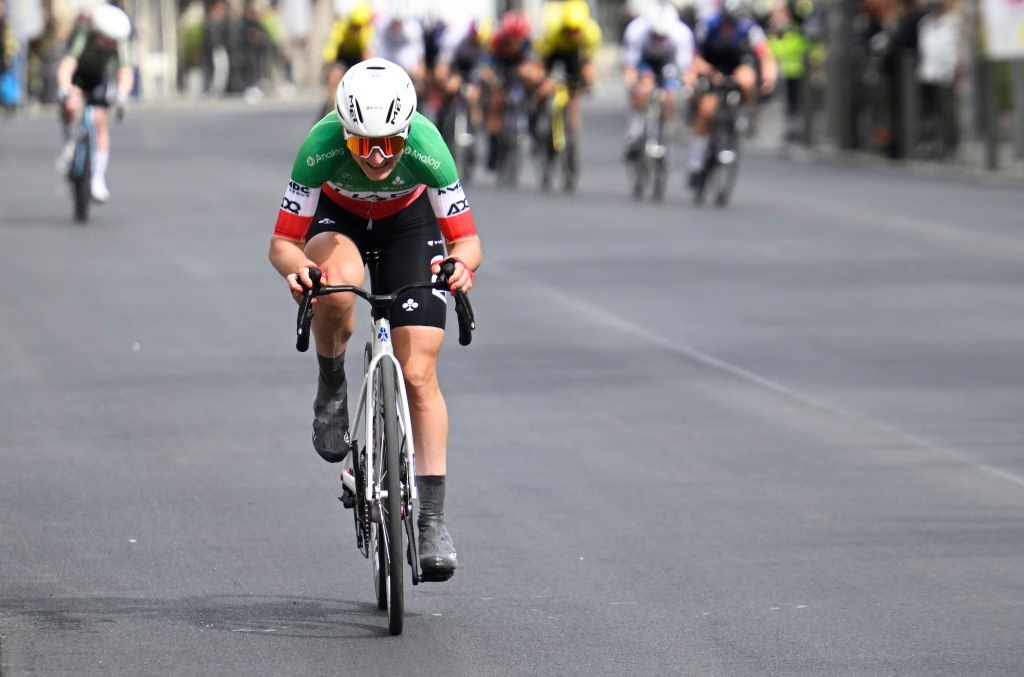
Which teams are most likely to force that approach?
UAE Team ADQ should be the team that makes it hard
If there is one team that looks built to open the race on the Cipressa, it is UAE Team ADQ. Elisa Longo Borghini has already made it clear that she expects a more open and explosive race than last year, and her team has the depth to support that kind of approach. She is not the only card they can play, which matters tactically because it means UAE do not have to ride a one-dimensional finale.
That gives them the freedom to race in layers. They can set a high pace early on the Cipressa, use another rider to force a reaction, then still keep Longo Borghini for the sharper, more decisive move later. If they race only for a repeat of last year’s late Poggio attack, they risk repeating last year’s result. If they use their numbers to make the Cipressa truly selective, they have a much better chance of isolating Wiebes before the final climb.
Their recent spring form also supports that reading. Longo Borghini has already looked sharp in Italy, and UAE’s wider team strength has been obvious in the Italian block. That does not guarantee they can break SD Worx-Protime, but it does suggest they are the team best equipped to try.
Team Visma | Lease a Bike can race with more patience
Vos and Team Visma | Lease a Bike do not need to force the race quite as brutally as UAE, but they should still prefer a harder Cipressa than they got in 2025.
Vos is one of the few riders who can still win from a selective sprint if Wiebes has been softened enough. That gives Visma a very interesting role in the race. They can contribute to making things difficult without needing to be the only team on the front. They can sit on when SD Worx-Protime are chasing, choose their moments, and trust Vos to read the finale if the front group is reduced enough.
That kind of tactical restraint could be very powerful. Visma are not obliged to launch the first big move. In some ways, it may suit them better if UAE Team ADQ carry more of that burden. But they absolutely benefit if the Cipressa is ridden much harder than last season.
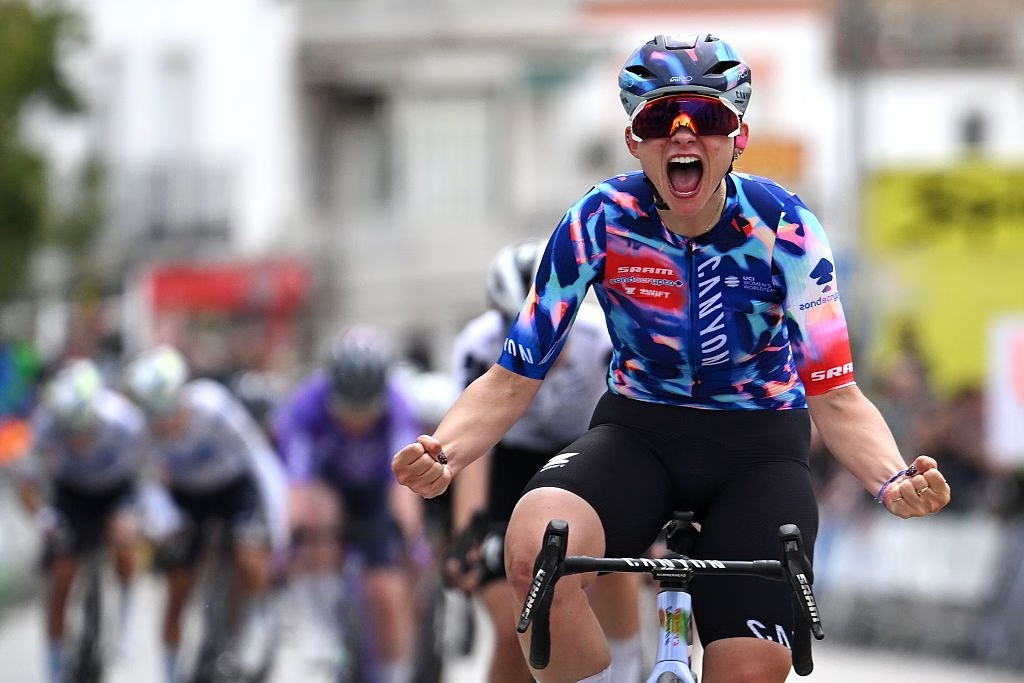
Canyon SRAM zondacrypto have one of the smartest two-card set-ups
Kasia Niewiadoma-Phinney and Chiara Consonni give Canyon SRAM zondacrypto a genuinely useful split strategy.
Niewiadoma-Phinney is one of the riders most likely to animate the Poggio and perhaps even the Cipressa if the race opens earlier. Consonni, meanwhile, gives the team a fallback if the race proves less selective than expected. That means Canyon can afford to be proactive rather than reactive. They do not need to sit still and wait for the perfect scenario. They can help force a harder race and still have an answer if it comes back together more than expected.
That flexibility could be one of the most interesting tactical elements in the whole race. Teams with a clear sprinter only may hesitate to go too hard too soon. Teams with a pure climber only may have no choice but to attack. Canyon can move between those worlds.
SD Worx-Protime are not as predictable as everyone thinks
This is what makes the race more complex than a simple anti-Wiebes alliance.
Because while every rival team has reason to make the race harder, SD Worx-Protime are not actually limited to a passive sprint-control script. Kopecky has made it clear they see themselves as having two leaders. That means SD Worx-Protime can race the Cipressa and Poggio aggressively through Kopecky while still keeping Wiebes as the fallback option if the attacks do not stick.
That is a frightening position for everyone else. If Kopecky is on good enough legs to go with the main attacking moves, rival teams may struggle to tell whether SD Worx-Protime are under pressure or simply playing both sides of the finale brilliantly. And if her Nokere Koerse win has genuinely restored confidence after a less convincing start to the spring, that gives the team even more freedom in how they approach Sanremo.
So what is the most likely tactical pattern?
The most likely script is not total chaos from 50km out. It is something more specific.
The run-in should be harder and more nervous than last year. The race before the Cipressa may already be more selective because teams now understand the cost of arriving there too passively. On the Cipressa itself, expect UAE Team ADQ to be among the first teams to try to turn the climb into a real launchpad rather than a waiting room. Other teams should join that effort because nobody wants to tow Wiebes to Via Roma.
That first wave may not decide the race outright. Wiebes may still survive the Cipressa. But if she does, the crucial question will be in what condition and with how much support. If the answer is tired and isolated, then the Poggio becomes a much more dangerous place than it was in 2025. If the answer is comfortable and protected, then the reduced sprint remains the default outcome.
In that sense, the race may still be won on the Poggio or even after it. But it will probably be shaped on the Cipressa.
 Photo Credit: LaPreese
Final verdict
Milan-San Remo Donne 2026 should be more aggressive than the first edition because the peloton now understands the tactical trap of racing too conservatively against Lorena Wiebes. Last year showed that holding everything back for one late Poggio move is simply too generous if the fastest finisher in the race is still there.
The teams trying to beat her need to make the race hard in layers. Earlier pressure. A serious Cipressa. Continued aggression over the top. Then a Poggio attack that lands on already tired legs.
That is the clearest route to dropping Wiebes, or at least blunting her enough that riders like Vos, Kopecky, Longo Borghini, Niewiadoma-Phinney or Pieterse can turn the finale into something less certain on Via Roma.
And that is why the most important tactical question this weekend is not whether someone attacks on the Poggio. It is whether enough teams are brave enough to start the real race before it.

