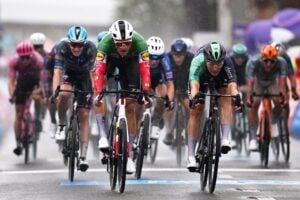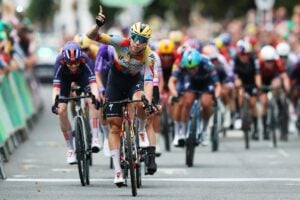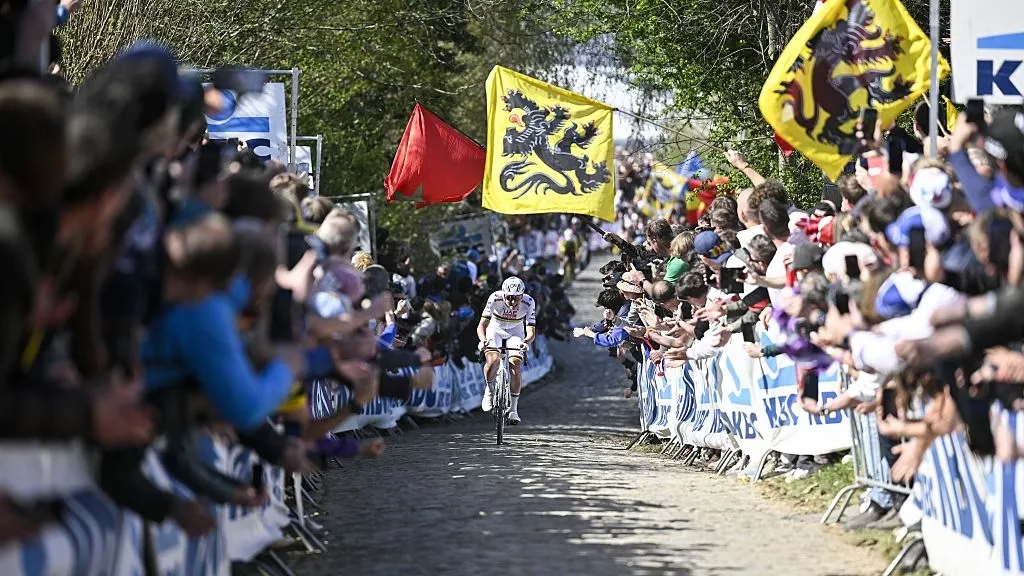
Ronde van Vlaanderen 2026 has the kind of line-up that suits both the race’s Flemish identity and its global status. The headline battle is easy enough to spot, but the more interesting part of this Men’s Tour of Flanders team-by-team guide is how many squads arrive with more than one realistic way to shape the race. Some have an outright favourite. Others have depth, counter-attacking options or sprint insurance if the front group stays slightly larger than expected. That is usually where De Ronde is decided, not only by who is strongest, but by who still has cards left when the final Oude Kwaremont and Paterberg arrive.
UAE Team Emirates – XRG
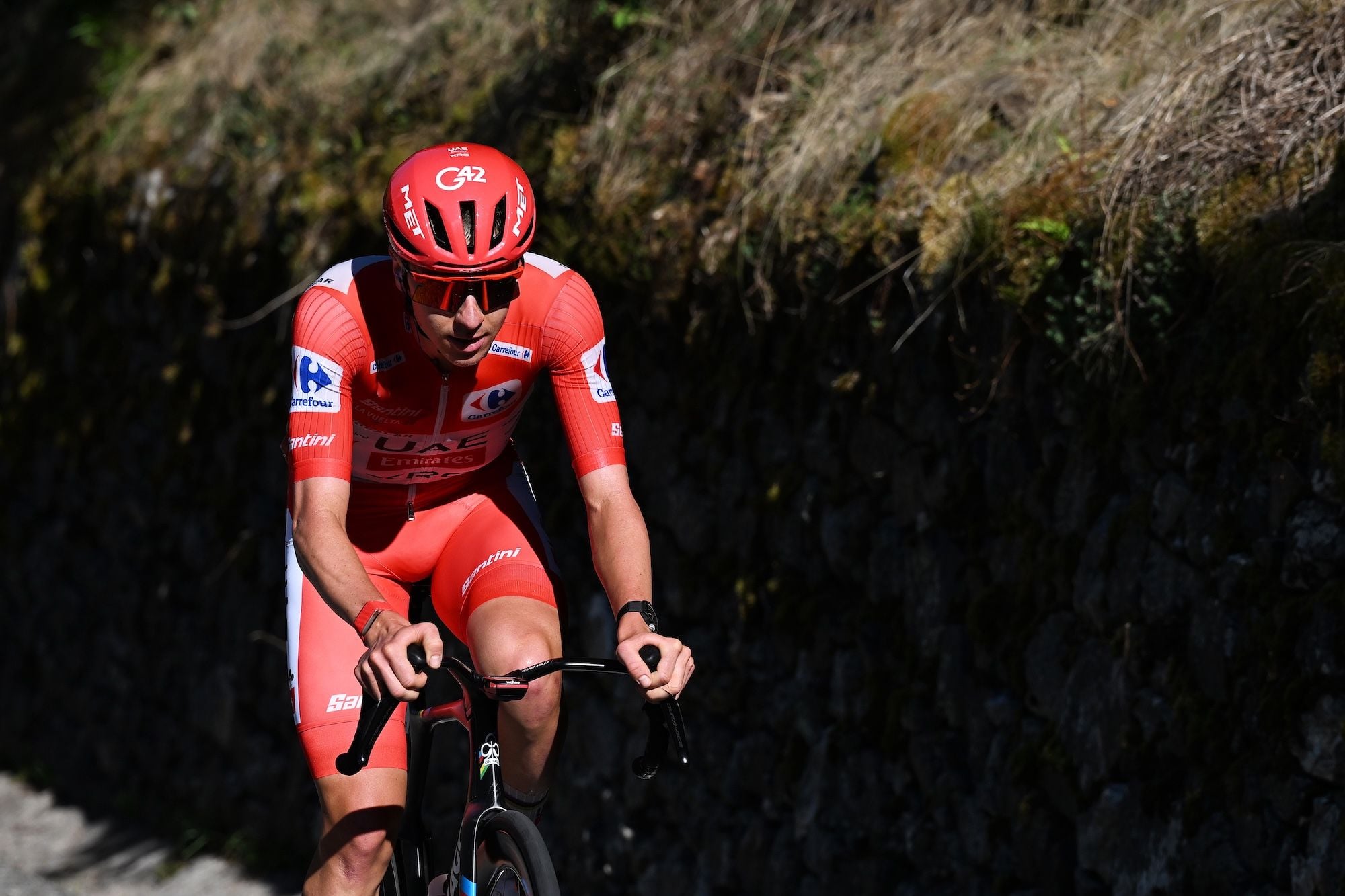
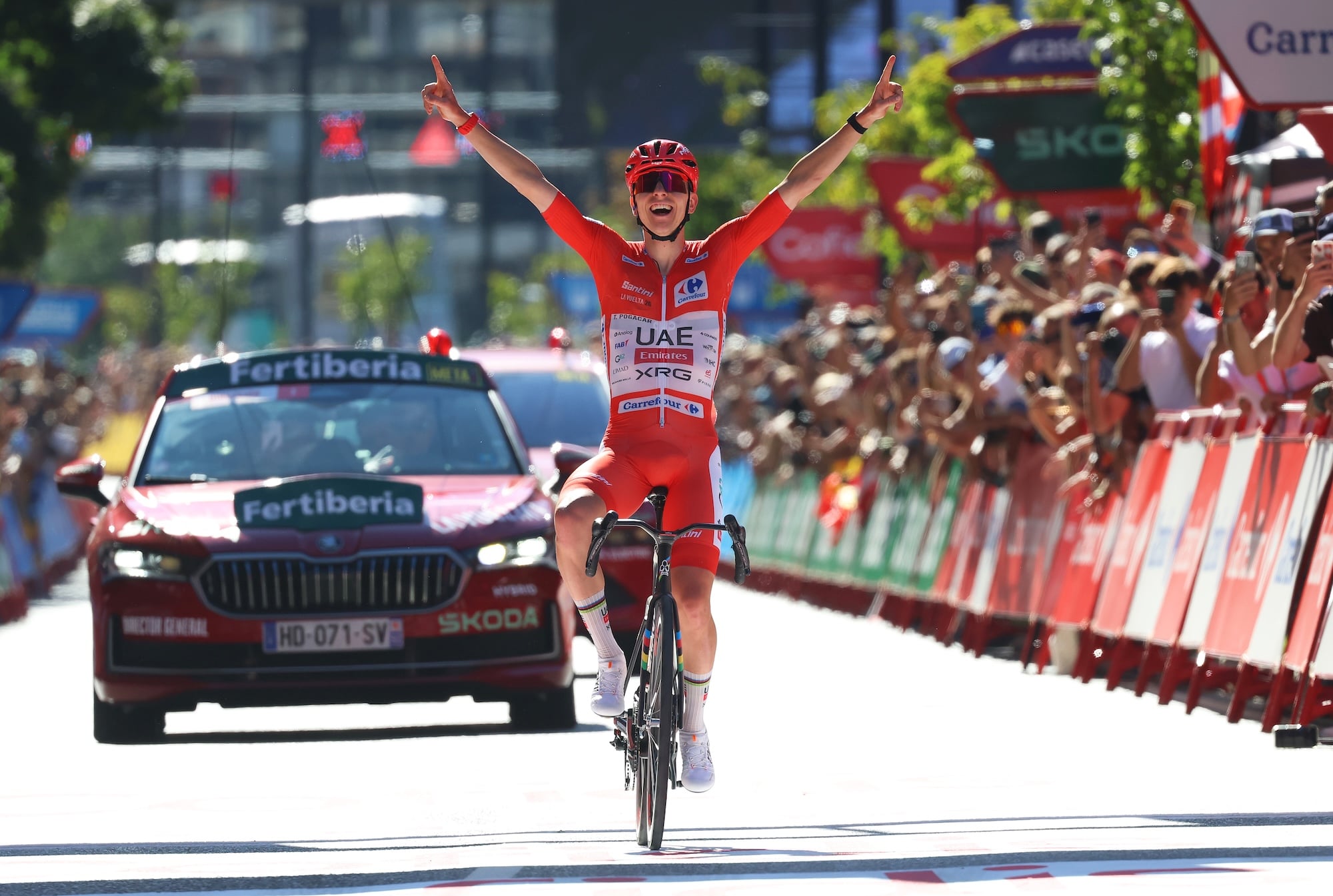
Tadej Pogačar is the obvious centre of gravity here, and that alone makes UAE one of the defining teams in Men’s Tour of Flanders 2026. But the support around him matters too. Nils Politt, Florian Vermeersch, Antonio Morgado and Mikkel Bjerg give the team a hard-racing platform that should let them keep pressure on long before the final climbs. If Pogačar attacks from distance, UAE have the horsepower to make that move count rather than leaving him isolated too early.
Alpecin-Premier Tech
Mathieu van der Poel gives Alpecin the clearest single race-winner in the field alongside Pogačar, but this is not a one-rider team in practical terms. Kaden Groves offers a different finishing option if the race becomes more tactical than explosive, while Silvan Dillier, Oscar Riesebeek and Florian Sénéchal give the squad enough grit to keep Van der Poel in the right place. If the race turns into a head-to-head showdown, Alpecin will be content. If it stays more open, they still have enough depth to improvise.
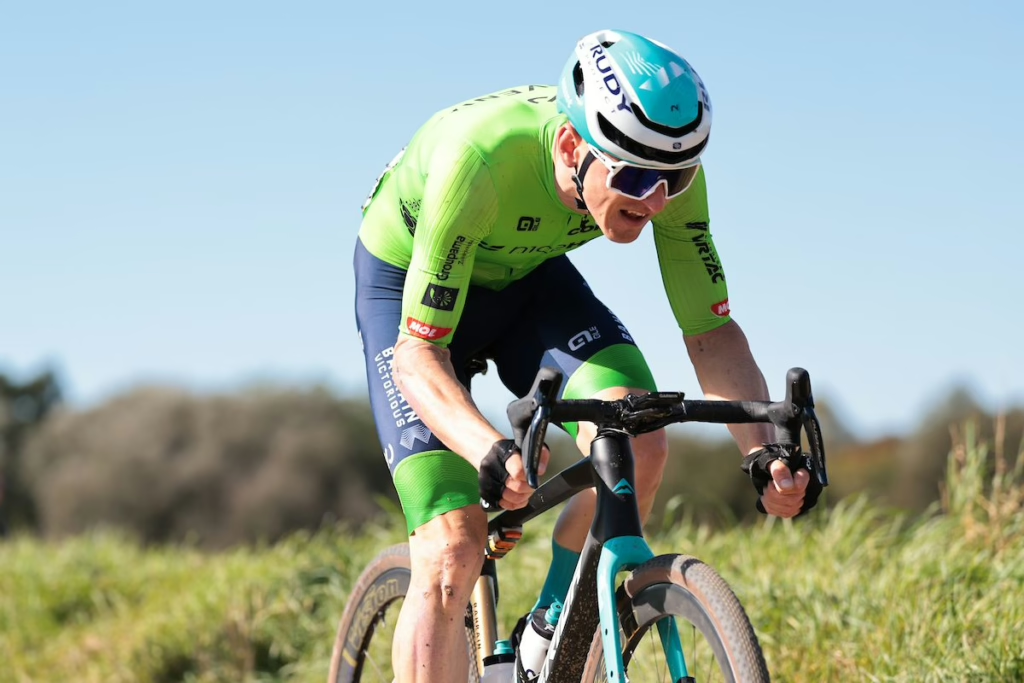 Photo Credit: Getty
Bahrain Victorious
Matej Mohorič remains the headline name here because he can win in unconventional ways, which always gives him value in a Monument. Alec Segaert is another interesting inclusion, especially if the race becomes more attritional than explosive, while Pau Miquel and Matevž Govekar add support options rather than clear second leadership. Bahrain do not arrive with the same obvious authority as the biggest favourites, but they are the kind of team that could still influence the race through aggression rather than control.
Decathlon AG2R La Mondiale
This looks more like a team built around resilience and opportunism than outright victory. Oliver Naesen remains the most obvious cobbled name, with Stan Dewulf another rider who suits this sort of race, while Daan Hoole and Stefan Bissegger bring engines that can be useful if the race fragments. The younger names add freshness, but the core strength here is still experience. Decathlon may not have the most likely winner on paper, but they do have enough know-how to stay relevant deep into the race.
EF Education-EasyPost
Kasper Asgreen is the key figure here because his ceiling in Flanders is already proven, and if he has the legs he is still one of the more dangerous riders in this race. Michael Valgren and Mikkel Honoré give EF further Classics depth, while Luke Lamperti and Colby Simmons add a slightly different edge. This is the sort of line-up that can race aggressively from distance rather than simply waiting for the final Kwaremont-Paterberg sequence.
Groupama-FDJ
Valentin Madouas remains the rider most likely to give Groupama a major result here, especially if the race becomes selective without turning completely destructive. Romain Grégoire is another name worth watching because his trajectory keeps pushing upwards, even if this is still a very specific Monument test. Johan Jacobs and Bastien Tronchon strengthen the line-up further. Groupama may not control the race, but they have enough talent to place a rider in the decisive front end of it.
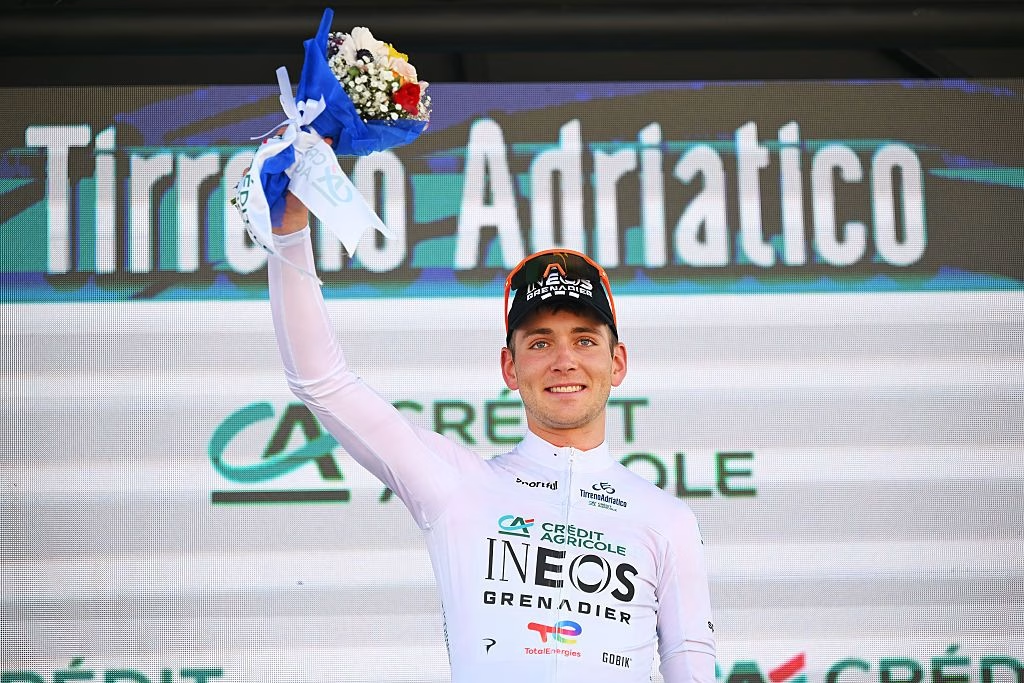 Photo Credit: Getty
INEOS Grenadiers
INEOS arrive with a line-up that feels deeper than it first appears. Magnus Sheffield, Ben Turner and Sam Watson all suit hard, nervous one-day racing, while Connor Swift adds experience and Josh Tarling brings the sort of raw power that could matter if conditions make the race heavier. This is not a team with one obvious all-in leader, but it is a squad that can still shape the race through numbers if enough of them survive into the final 60 kilometres.
Lidl-Trek
Mads Pedersen and Mathias Vacek give Lidl-Trek one of the strongest combinations in the race. Pedersen is the obvious headline name, but Vacek’s presence matters because it reduces how predictable the team has to be. Søren Kragh Andersen and Edward Theuns add further cobbled know-how, while the younger names in the squad show how much confidence Lidl-Trek have in their wider depth. On paper, this is one of the teams best equipped to keep multiple options alive deep into Men’s Tour of Flanders 2026.
Lotto
Arnaud De Lie is still the rider this team revolves around, and his presence alone gives the race extra intrigue because he can still win from scenarios that would not suit the pure climbers or pure attackers. Jenno Berckmoes and Cedric Beullens give Lotto useful support, while Toon Aerts adds an interesting off-road edge to the line-up. The main question is whether they can get enough teammates with De Lie into the decisive part of the race.
-
 Photo Credit: Sprint Cycling Agency
Movistar Team
Iván García Cortina is the obvious focal point here, with Gonzalo Serrano and Jon Barrenetxea offering further one-day strength. Carlos Canal and Lorenzo Milesi add younger energy, while Albert Torres gives the line-up experience. Movistar’s problem is not a lack of solid riders, but the absence of an obvious race-winning favourite against the very biggest names. They may need the race to become messy and tactical rather than brutally selective.
Intermarché-Wanty
Biniam Girmay gives this team immediate relevance, because if he survives the climbs in the right front group he remains one of the most dangerous finishers in the race. Lewis Askey is another name worth watching, while Matis Louvel and Riley Sheehan add useful support. This is not the strongest cobbled squad in the field, but it is one of the more interesting because Girmay changes the tactical calculation for everyone else if he is still there in the closing kilometres.
Red Bull-BORA-hansgrohe
This is one of the most interesting teams in the race because it feels built around strength in numbers rather than one absolute leader. Laurence Pithie, Jan Tratnik, Mick van Dijke and Tim van Dijke all look capable of contributing meaningfully to a hard Flanders. The question is whether one of them can make the final leap from strong presence to genuine winning position. It is a team with real tactical depth, but still perhaps missing that one fully proven Monument focal point.
Soudal Quick-Step
There is a slightly unusual feel to this line-up because the usual old Quick-Step certainty no longer applies in quite the same way. Yves Lampaert remains a natural fit for this race, while the wider group gives them enough experience to stay tactically relevant. Soudal Quick-Step no longer arrive with the same aura they carried in the Tom Boonen era, but they still have enough quality to be a factor, especially if the race opens up tactically and rewards patience as much as force.
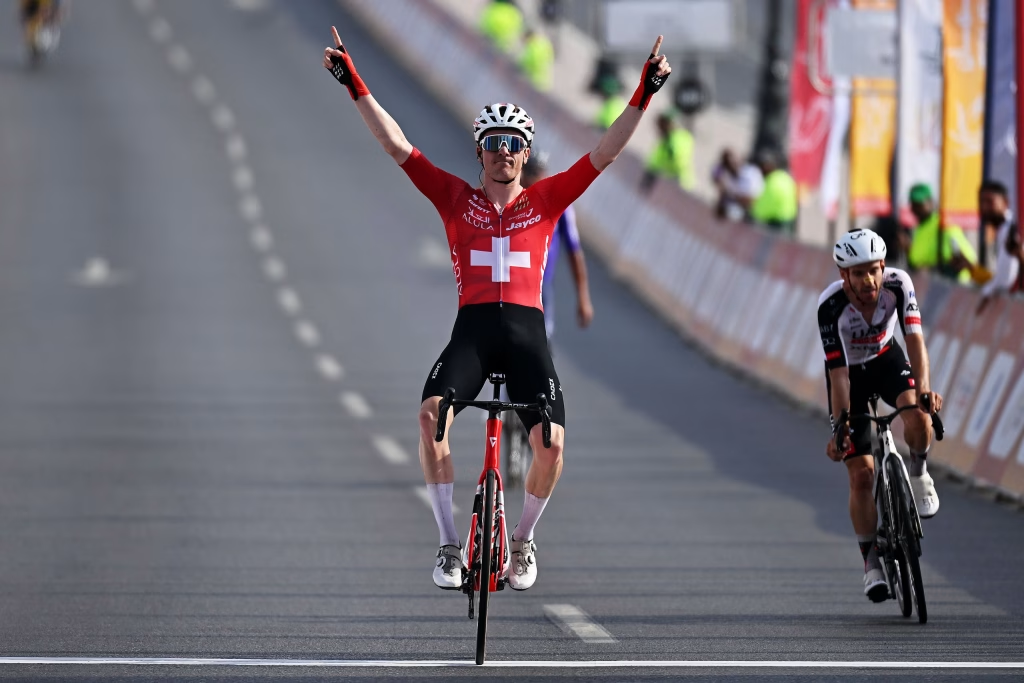 Photo Credit: Getty
Team Jayco AlUla
Mauro Schmid is the most interesting name here because his all-round ability gives him more routes into the race than a pure cobbles rider or a pure sprinter. Luke Durbridge and Jasha Sütterlin bring useful support, while Dries De Bondt and Luka Mezgec add further experience. Jayco do not look built to dominate, but they do have enough versatility to stay opportunistic if the race develops in layers rather than one clean selection.
Team Picnic PostNL
This is a younger and slightly lighter-looking line-up than some of their rivals, with Sean Flynn, Tim Naberman and Niklas Märkl among the more familiar names. Julius van den Berg gives the team road captaincy qualities, while younger inclusions show where the team’s development focus still lies. On paper, Picnic PostNL look more likely to animate parts of the race than win it, but these are often the races where younger squads learn quickest.
Team Visma | Lease a Bike
Wout van Aert gives Visma the kind of leader every team wants for Flanders, but the more interesting part of the line-up is what sits behind him. Christophe Laporte, Edoardo Affini, Per Strand Hagenes and Matthew Brennan make this a squad with enough power and tactical flexibility to support several race shapes. If Van Aert has the legs, Visma have the team to keep him covered deep into the final. If he does not, they still have riders capable of influencing the race in other ways.
Tudor Pro Cycling Team
Luca Mozzato is the most obvious name to watch here, with Matteo Trentin and Marco Haller giving Tudor a strong experience base. This is not a team with the same ceiling as the biggest WorldTour squads, but it is one with enough experience to exploit hesitation from others. Tudor could be one of the more awkward teams for favourites to read if they get a rider into the right move.
Uno-X Mobility
Rasmus Tiller, Søren Wærenskjold and Jonas Abrahamsen give Uno-X a clear Scandinavian identity that suits this kind of hard, physical race. Tiller remains the rider most likely to feature late, while Wærenskjold offers finishing potential if the front group is not too small. This is another team that may not control the race, but it has enough strength to make the day uncomfortable for bigger squads.
XDS Astana Team
Alberto Bettiol gives Astana the most obvious route into the race because he already knows how to win major one-days through unpredictability and force. Davide Ballerini and Mike Teunissen strengthen that significantly, with Aaron Gate and Arjen Livyns adding more support. This is actually a more interesting line-up than it might first appear, because there is enough experience and enough toughness here to make Astana relevant if the race fractures in multiple waves.

Cofidis
Dylan Teuns is the biggest name here, though this is not a race that plays most cleanly to his best terrain. Jenthe Biermans, Alexis Renard and Hugo Page give Cofidis a few more ways into the race, while Piet Allegaert adds experience. They look more like a team aiming for a smart top-10 or top-15 result than one built to challenge the race’s main favourites head-on.
Q36.5 Pro Cycling Team
Fred Wright stands out immediately because his one-day instincts and resilience suit a race like this, while Brent Van Moer and Frederik Frison offer further support on familiar roads. Emīls Liepiņš gives them a possible finishing card if the race plays unusually. This is not a line-up built to impose itself, but it has enough riders who understand hard northern racing to make its presence felt.
TotalEnergies
Anthony Turgis is the clear leader here, and that is enough to make TotalEnergies worth watching. He has already shown he can survive the hardest one-days and still finish them off well. Thomas Gachignard, Thomas Bonnet and Samuel Leroux add further support, while Alexys Brunel gives the team another powerful engine. Their best route is probably through an aggressive, selective race where Turgis can stay just off the biggest favourites and capitalise late.
-
Photo Credit: Sprint Cycling Agency
Burgos Burpellet BH
This is one of the more developmental line-ups in the field, with Jambaljamts Sainbayar and Eric Fagúndez among the more recognisable names. Burgos are unlikely to shape the finale, but races like this are still valuable for smaller teams because surviving deep into the race can be a result in itself. If they place a rider in the early move and keep one or two riders visible later on, that would already count as a good day.
Team Flanders-Baloise
For a home team, the ambitions will naturally extend beyond simple visibility. The line-up is built around younger Belgian talent rather than a fully proven Monument finisher, which makes the challenge obvious against deeper and stronger squads. But that also tends to sharpen the racing instinct of teams like this, and they should be active early on familiar roads.
Unibet Tietema Rockets
This is not one of the races where they are likely to fight for victory, but that does not mean they cannot be visible. In a race as long and selective as Flanders, simply being part of the narrative for a while still matters. Teams like this usually need to race on instinct and aggression rather than wait for a perfect scenario that never comes.
The bigger picture for Men’s Tour of Flanders 2026
The stronger squads on paper remain the obvious ones: UAE Team Emirates – XRG, Alpecin-Premier Tech, Lidl-Trek and Team Visma | Lease a Bike. But Ronde van Vlaanderen rarely becomes as simple as a favourites list. The route still has enough stress points to strip support away quickly, and once that happens the race becomes more about which riders can keep making the right decisions under pressure. That is why this Tour of Flanders team-by-team guide matters. It is not just a list of who starts, but a map of who still might matter when De Ronde finally opens up.