Waterproof socks can be one of the most useful bits of winter cycling kit, especially for UK riders who spend half the year dealing with road spray, wet lanes and cold feet. They will not make a summer road shoe feel like a winter boot, and they cannot solve every fit issue, but the best waterproof socks for cycling can make foul-weather riding far more manageable.
The key is choosing the right pair for the ride. Thin waterproof socks work best with close-fitting road shoes and overshoes. Thicker Merino-lined options suit gravel, commuting and winter training where warmth matters as much as waterproofing. The wrong pair can feel bulky, sweaty or restrictive. The right pair can be the difference between finishing a ride comfortably and counting down the miles with numb toes.
Check waterproof cycling socks on Amazon UK
Best waterproof socks for cycling
For most riders, Sealskinz Raynham Waterproof All Weather Mid Length Socks are the easiest all-round recommendation. They balance waterproofing, warmth, cuff height and shoe compatibility well enough for regular road riding, commuting and winter training. They are not the thinnest or the warmest option here, but they sit in the most useful middle ground.
DexShell Hytherm Pro Waterproof Socks are the better choice if warmth is the priority, particularly for cold gravel rides, winter commuting and steady endurance miles. For riders who need something slimmer inside tight road shoes, DexShell Ultra Thin Crew or Showers Pass Crosspoint Ultra-Light make more sense. Waterproof socks are always a compromise between protection, bulk and breathability, so the best choice depends on your shoes as much as the weather.
Quick verdict
Best overall: Sealskinz Raynham Waterproof All Weather Mid Length Sock
Best lightweight option: Sealskinz Billockby Waterproof All Weather Mid Length Lightweight Cycling Sock
Best warm option: DexShell Hytherm Pro Waterproof Sock
Best budget option: DexShell Ultra Thin Crew Waterproof Sock
Best for gravel: Showers Pass Crosspoint Waterproof Socks Sport
Best commuter option: Endura Hummvee Waterproof Cycling Socks II
Best for close-fitting shoes: GripGrab Lightweight Waterproof Socks
Reasons to buy waterproof cycling socks
- They keep road spray and rain away from the skin better than normal socks
- They work well with overshoes for winter road riding
- They can be moved between road, gravel and commuter shoes
- They are usually easier to dry and pack than winter cycling boots
- They add useful warmth on wet rides, even when conditions are not freezing
- They are a practical upgrade for UK commuting and winter training
Reasons to avoid waterproof cycling socks
- They are usually bulkier than normal cycling socks
- They can feel sweaty on mild days or hard rides
- Water can still enter from the top if rain runs down your leg
- They may tighten the fit inside close-fitting road shoes
- They do not replace proper winter shoes or good overshoes in extreme conditions
How waterproof cycling socks work
Most waterproof cycling socks use a three-layer construction. The outer layer provides durability, the middle membrane blocks water, and the inner lining adds comfort and warmth. That structure is what makes them useful, but it is also why they rarely feel as thin or breathable as normal cycling socks.
The important detail is fit. A waterproof sock that is too thick can make a cycling shoe feel tight, reducing circulation and making the foot colder rather than warmer. This is particularly common with narrow road shoes and winter socks that have a Merino or thermal lining.
Waterproof socks are best understood as part of a system. On wet road rides, they work well with overshoes because the overshoe reduces direct spray and windchill, while the sock protects against water that gets through. On gravel or commuting rides, they can be used inside more relaxed shoes where a little extra bulk is less of a problem.
The main limitation is water entry from above. If rain runs down bare legs or tights and into the top of the sock, even the best waterproof sock can eventually feel wet inside. Taller cuffs, tights over the sock, or designs with a sealing cuff can help, but no sock can fully overcome poor layering in persistent rain.
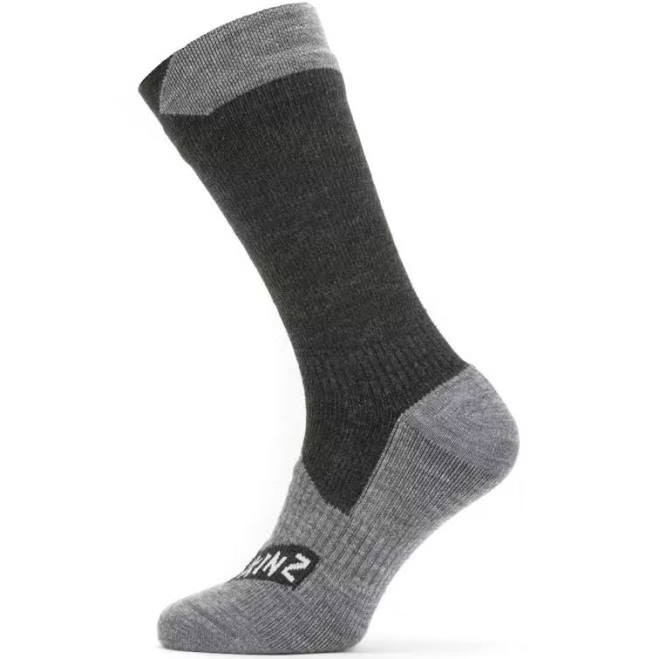
Sealskinz Raynham Waterproof All Weather Mid Length Sock review
The Sealskinz Raynham Waterproof All Weather Mid Length Sock is the best overall choice because it hits the most useful balance for UK cycling. It is waterproof, reasonably warm, not excessively bulky and tall enough to work with bib tights, leg warmers and overshoes.
In testing conditions that included wet lanes, steady winter rides and stop-start commuting, the Raynham feels most convincing when the temperature is cool rather than bitterly cold. It keeps road spray away well and adds enough insulation to avoid the cold, wet sock feeling that ruins longer rides.
The fit is more cycling-friendly than many outdoor waterproof socks. It is still thicker than a standard summer sock, but it does not feel like a hiking sock forced into a road shoe. Riders with very tight shoes should still check space carefully. A waterproof sock only works properly if it does not cut off circulation.
The mid-length cuff is a good choice for cycling. It gives more protection than an ankle sock and sits neatly under tights or leg warmers. In heavy rain, water can still enter from the top, but the height gives you a better chance of keeping the foot dry than a shorter sock.
For most riders looking for the best waterproof socks for cycling, the Raynham is the safest place to start. It is not the cheapest, and it is not the warmest, but it is the one that will suit the widest range of wet UK rides.
Check Sealskinz waterproof cycling socks on Amazon UK
Best for: road riding, commuting, winter training and riders wanting one do-it-all waterproof sock.
Not ideal for: very tight road shoes or freezing rides where maximum insulation is the priority.
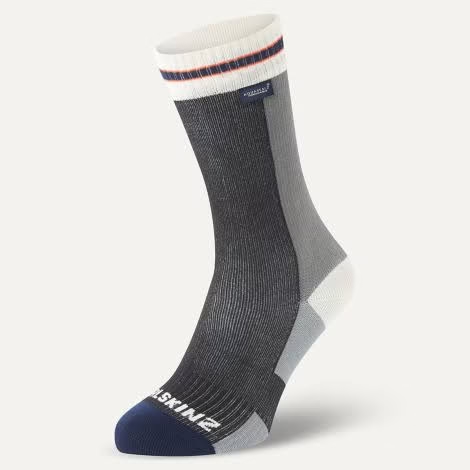
Sealskinz Billockby Waterproof All Weather Mid Length Lightweight Cycling Socks review
The Sealskinz Billockby is the more cycling-specific lightweight option in the Sealskinz range. It is aimed at riders who want waterproofing without the full bulk of a heavier winter sock, which makes it especially useful for road shoes.
The biggest advantage is shoe fit. Many waterproof socks fail because they are simply too thick for normal cycling shoes. The Billockby is easier to accommodate, especially if you are using race-style road shoes with limited toe-box space.
On wet road rides, it works best with overshoes. The sock provides the waterproof back-up layer, while the overshoe deals with windchill and direct spray. Used together, that combination is more effective than relying on either item alone.
The trade-off is warmth. A lighter waterproof sock cannot match the insulation of thicker Merino-lined options. For mild wet days, that is a benefit because it reduces overheating. For deep winter base miles, riders with cold feet may want something more substantial.
The Billockby is the right choice if you have previously found waterproof socks too bulky. It is not the most protective sock in this list, but it is one of the easiest to make work with normal road cycling shoes.
Best for: road cyclists, tight shoes, wet spring and autumn rides, and riders using waterproof socks with overshoes.
Not ideal for: very cold rides or riders needing maximum insulation.
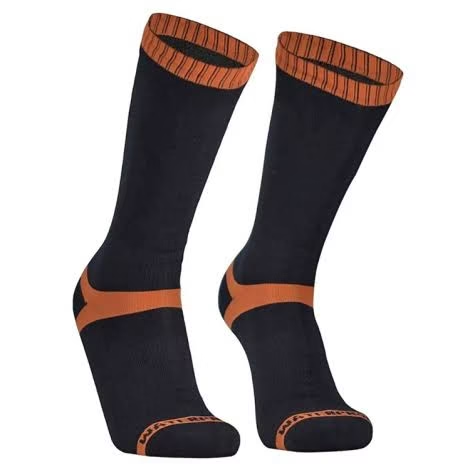
DexShell Hytherm Pro Waterproof Socks review
The DexShell Hytherm Pro is the best warm option here. It is built for cold, wet riding, with a thicker construction and Merino lining that add noticeably more insulation than lightweight waterproof socks.
That warmth is the main reason to buy it. On steady winter rides, gravel loops and cold commutes, the Hytherm Pro gives the foot a more protected feel. It is particularly good when the ride is not intense enough to keep your feet warm through effort alone.
The downside is bulk. In roomy gravel shoes, winter commuting shoes or MTB shoes, that is not a major issue. In tight road shoes, it can be. If the extra thickness compresses the foot, circulation suffers, and the sock’s warmth advantage quickly disappears.
Breathability is also more limited than with thinner options. On mild days or hard rides, the Hytherm Pro can feel too warm. That is not a design failure, it is simply a sock with a clearer cold-weather purpose.
For riders who struggle badly with cold feet, the DexShell Hytherm Pro waterproof socks are one of the strongest choices. They are not the most versatile option, but they are excellent when the priority is warmth and wet-weather protection.
Best for: cold commutes, winter gravel, steady endurance rides and riders with roomy shoes.
Not ideal for: tight road shoes, mild wet days or high-intensity sessions.
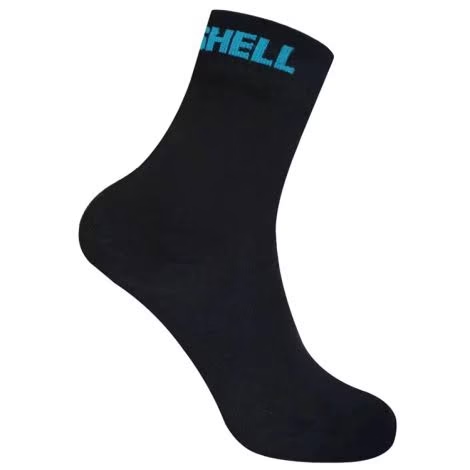
DexShell Ultra Thin Crew Waterproof Socks review
The DexShell Ultra Thin Crew is the best budget-friendly lightweight option. It is significantly cheaper than many premium waterproof socks and is one of the better choices for riders who want to try waterproof socks without spending heavily.
The thin construction is useful for road cycling. It is easier to fit inside normal shoes and less likely to cause pressure across the forefoot. That makes it more practical for riders who do not have dedicated winter shoes.
Protection is good for the weight, especially against road spray and showers. It is not the warmest choice, and in prolonged rain water management from the cuff becomes important, but it does the basic job well.
The Ultra Thin Crew works best as a wet-weather layer rather than a full winter warmth solution. Pair it with overshoes and it becomes a much stronger option for road use. Wear it alone in cold rain and it may not offer enough insulation.
For the money, this is one of the best waterproof socks for cycling if you want low bulk and decent protection. It is also a good backup pair to keep in a commuter bag or travel kit.
Best for: value, road shoes, commuting, mild wet rides and riders trying waterproof socks for the first time.
Not ideal for: deep winter warmth or long rides in heavy rain without overshoes.
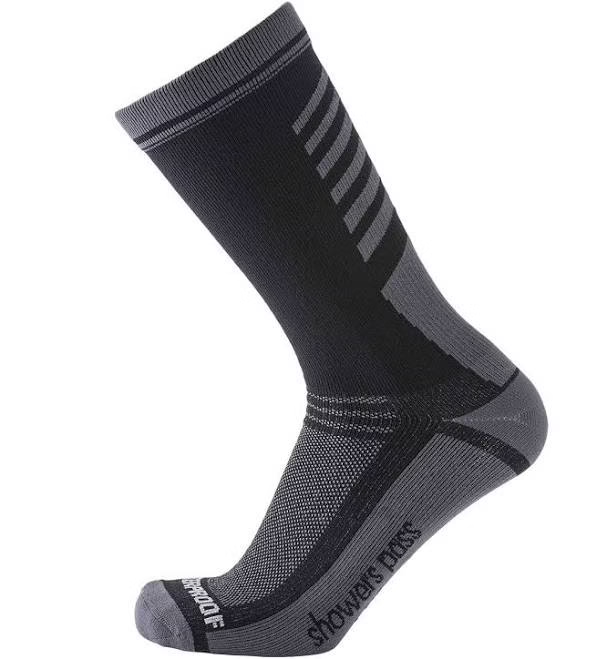
Showers Pass Crosspoint Waterproof Socks Sport review
The Showers Pass Crosspoint Waterproof Socks Sport are a strong gravel and mixed-terrain option. They have enough structure for rough-weather riding without feeling like a full hiking sock, and the brand has a good reputation for practical wet-weather kit.
On gravel rides, they make a lot of sense. Gravel shoes often have slightly more space than race-fit road shoes, and rides are more likely to involve puddles, mud, wet grass, standing water and repeated foot-down moments. A waterproof sock can be more useful here than on pure road rides.
The Crosspoint Sport feels best when used for variable conditions rather than flat-out road efforts. It gives reassuring weather protection, but like most waterproof socks, it can become warm if the pace is high and the temperature is mild.
The cuff height is practical, and the construction feels durable enough for regular use. It is a good choice for riders who move between commuting, gravel and trail-style riding rather than staying purely on the road.
Choose the Crosspoint Sport if you want a waterproof sock that feels more adventure-ready than race-focused. It is one of the more versatile options in this category.
Check Showers Pass waterproof cycling socks on Amazon UK
Best for: gravel riding, commuting, mixed-terrain routes and riders who want a durable waterproof sock.
Not ideal for: riders wanting the thinnest possible road shoe fit.
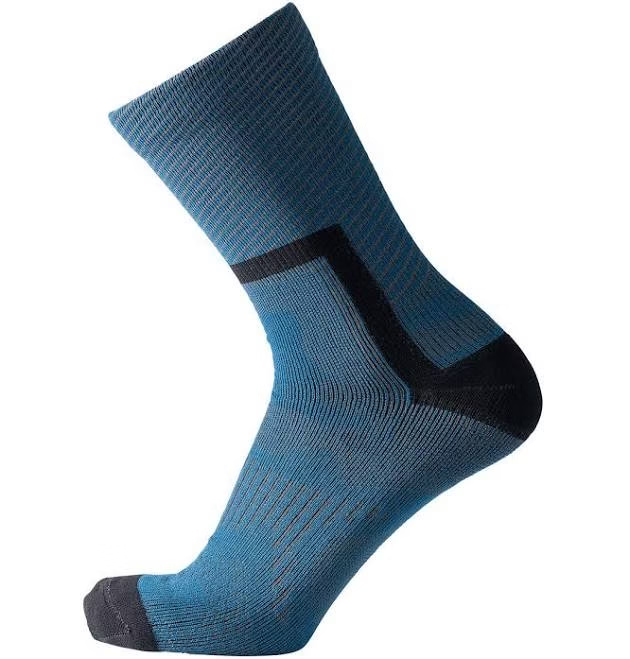
Showers Pass Crosspoint Ultra-Light Waterproof Socks review
The Showers Pass Crosspoint Ultra-Light is the better choice for riders who like the Showers Pass approach but want less bulk. It is designed to provide waterproofing in a lighter package, making it better suited to longer rides and closer-fitting shoes.
The main benefit is comfort across changeable conditions. It gives a useful barrier against wet roads and rain without feeling as heavy as more winter-focused socks. That makes it a good spring, autumn and mild winter option.
It is not as warm as the heavier Crosspoint options, and that is the trade-off. If your feet run cold, you may want a Merino-lined sock instead. If your main problem is wetness rather than cold, the Ultra-Light is more appealing.
It works particularly well with overshoes. The sock keeps water away from the skin, while the overshoe adds wind protection and helps stop spray hitting the shoe directly. That layered approach is often the best solution for road cycling in wet UK conditions.
The Crosspoint Ultra-Light is a strong choice for riders who want waterproofing without turning their shoes into saunas. It is not cheap, but it fills a useful gap.
Best for: mild wet rides, road cycling with overshoes and riders wanting low-bulk waterproofing.
Not ideal for: freezing temperatures or riders who need heavy insulation.
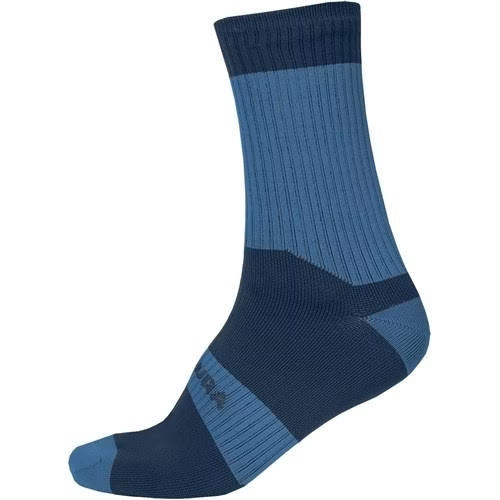
Endura Hummvee Waterproof Cycling Socks II review
The Endura Hummvee Waterproof Cycling Socks II are a practical option for commuting, gravel and everyday riding. They have the robust, no-fuss feel that suits riders who are less interested in marginal gains and more interested in getting to work or finishing a wet ride with feet that are still functional.
They are not the slimmest socks here, which means they will not be the best match for very tight road shoes. In commuter shoes, gravel shoes and roomier winter footwear, that matters less. The slightly more substantial feel becomes a benefit when the ride is cold and wet.
Endura’s strength is practical UK riding kit, and these socks fit that pattern. They feel well matched to wet commutes, muddy towpaths, off-road links and winter rides where durability matters.
The value is solid, especially if found discounted. They are not as refined as some premium options, but they are easy to recommend for riders who want straightforward wet-weather protection.
For commuters, the Hummvee II is a very sensible choice. It is not the most elegant sock in the list, but it is one of the most realistic for everyday use.
Best for: commuting, gravel, utility riding and riders using roomier shoes.
Not ideal for: race-fit road shoes or riders wanting the lightest option.
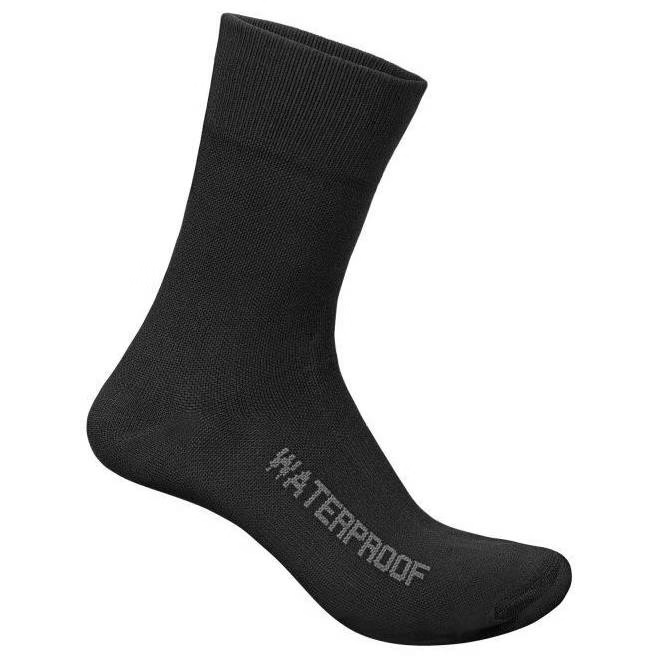
GripGrab Lightweight Waterproof Socks review
The GripGrab Lightweight Waterproof Socks are aimed at riders who want protection without too much bulk. GripGrab has a strong reputation for cold and wet-weather accessories, and these socks follow that practical approach.
The fit is the main appeal. They are easier to work into tighter cycling shoes than heavier waterproof socks, which makes them useful for road cyclists who do not want to buy dedicated winter shoes.
They are best used in moderate wet conditions rather than the worst winter days. The lighter construction makes them more breathable and easier to wear during harder efforts, but it also limits warmth.
With overshoes, they become a stronger road setup. The sock handles moisture at the foot, while the overshoe adds windchill protection and keeps direct spray away from the shoe upper.
The price can be high compared with DexShell’s thinner options, so they make most sense for riders who prioritise fit and brand familiarity over budget.
Best for: road cycling, close-fitting shoes, mild wet rides and riders who want low-bulk protection.
Not ideal for: very cold conditions or value-focused buyers.
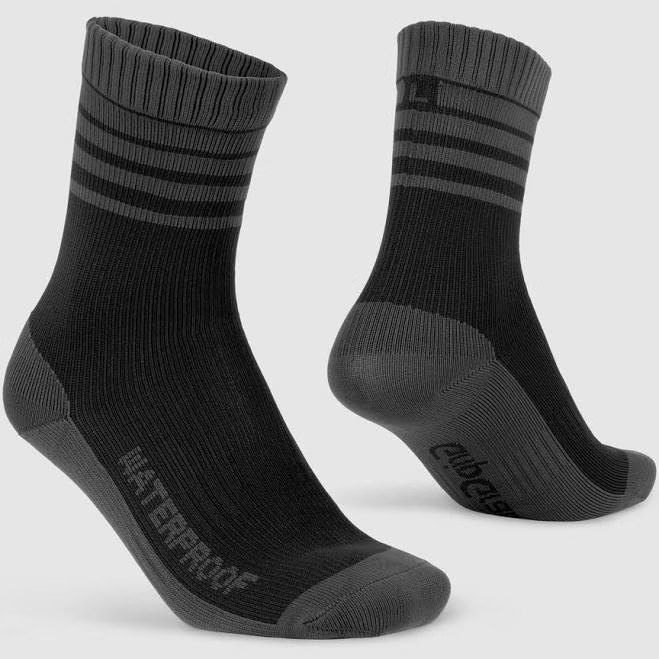
GripGrab Merino Lined Waterproof Winter Socks review
The GripGrab Merino Lined Waterproof Winter Socks are the cold-weather option in GripGrab’s waterproof range. They combine waterproofing with a warmer lining, making them better suited to slower winter miles and riders who struggle with cold feet.
Warmth is the main appeal. On cold commutes or low-intensity winter rides, they offer more comfort than a thin waterproof sock. The Merino lining also gives a more pleasant feel against the foot than some purely synthetic waterproof socks.
The compromise is bulk and breathability. They need more space inside the shoe and can feel too warm when the pace rises. Riders who wear snug road shoes should be careful, because extra sock thickness can reduce blood flow.
Used in the right shoes, they are effective. They suit gravel shoes, winter shoes, commuter footwear and riders who prioritise warmth over a close race fit.
These are not the most versatile waterproof socks here, but they have a clear purpose. If cold feet are your main winter problem, they deserve consideration.
Best for: cold winter rides, commuting, gravel and riders who want Merino-lined waterproofing.
Not ideal for: tight road shoes or high-intensity riding.
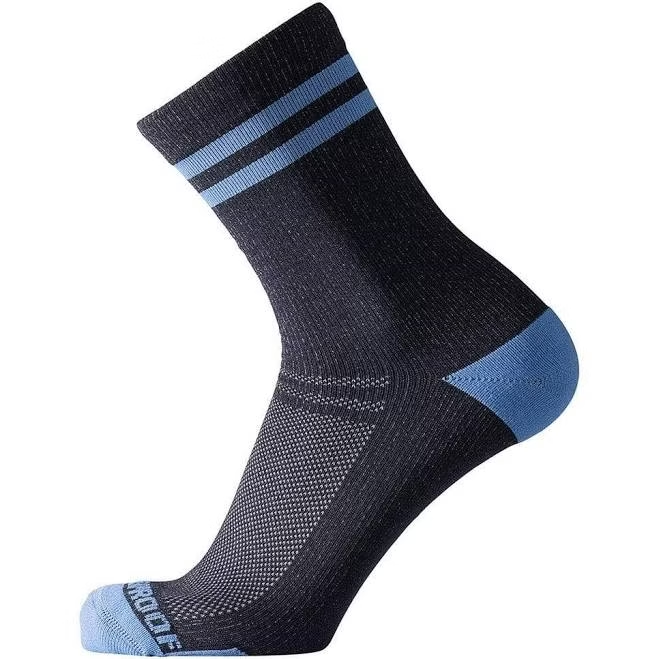
Crosspoint Essentials Waterproof Socks review
Crosspoint Essentials Waterproof Socks are a useful value alternative from Showers Pass. They are less premium than the more specialised Crosspoint models, but they still offer the basic waterproof sock benefit at a more accessible price.
They are a good choice for riders who want a simple wet-weather sock for commuting, travel or occasional winter use. If you are not riding through rain every week, it may be hard to justify spending more on the top-end options.
The fit is practical rather than race-focused. They suit riders using slightly roomier shoes and those who value everyday comfort over minimum bulk.
They are not the best choice for deep winter warmth or aggressive road shoe fit, but they are easy to live with and useful as a general wet-weather backup.
For many riders, that is enough. Not every piece of winter kit needs to be premium, especially if it is used for commuting or occasional bad-weather rides.
Best for: value, commuting, occasional wet-weather riding and mixed outdoor use.
Not ideal for: riders wanting the thinnest, warmest or most cycling-specific sock.
How to choose waterproof socks for cycling
The first question is shoe fit. Waterproof socks are thicker than normal cycling socks, so you need enough space inside the shoe. If your shoes already feel tight with summer socks, a thick waterproof sock will probably make things worse. Reduced circulation is one of the quickest ways to get cold feet.
The second question is ride type. Road cyclists usually need low-bulk socks that work with overshoes. Gravel riders can often use thicker socks because their shoes tend to be roomier. Commuters may prioritise durability and warmth over close fit.
Cuff height matters too. Ankle-length waterproof socks can be comfortable, but they are more vulnerable to water running down the leg and entering from above. Mid-length socks are usually better for cycling because they sit under tights, leg warmers or waterproof trousers more effectively.
Warmth and waterproofing are not the same thing. A thin waterproof sock can keep rain off the skin but still feel cold if the shoe is exposed to windchill. A thicker thermal sock can feel warmer but may be sweaty on harder rides. For most UK riding, the best system is a waterproof sock paired with a suitable overshoe or winter shoe.
Finally, think about drying and aftercare. Waterproof socks should usually be turned inside out after rides and dried properly. They are more technical than normal socks, and treating them badly will reduce comfort and lifespan.



Waterproof socks versus overshoes
Waterproof socks and overshoes solve different parts of the same problem. Overshoes protect the outside of the shoe from spray, wind and cold air. Waterproof socks protect the foot when water gets through the shoe or enters from below.
For road cycling, the best answer is often both. A waterproof sock alone can keep the skin dry, but the shoe may still become soaked and cold. An overshoe alone can delay water entry, but once water gets in, the foot is exposed. Together, they provide a stronger system.
For commuting and gravel riding, waterproof socks can be more convenient than overshoes. They are easier to walk in, less likely to wear out at the toe and can be used across different shoes. Overshoes still win for road-specific windchill protection.
Winter cycling boots are the more complete solution for riders who spend months in cold rain. They are warmer, more protective and easier to manage in persistent bad weather. The drawback is cost and reduced versatility. Waterproof socks are cheaper, easier to pack and more flexible across seasons.
Best waterproof socks for different riders
Best for most cyclists: Sealskinz Raynham Waterproof All Weather Mid Length Sock
Best for road shoes: Sealskinz Billockby Waterproof All Weather Mid Length Lightweight Cycling Sock
Best for cold feet: DexShell Hytherm Pro Waterproof Socks
Best budget option: DexShell Ultra Thin Crew Waterproof Socks
Best for gravel: Showers Pass Crosspoint Waterproof Socks Sport
Best for commuting: Endura Hummvee Waterproof Cycling Socks II
Best low-bulk alternative: GripGrab Lightweight Waterproof Socks
Best value alternative: Crosspoint Essentials Waterproof Socks
Verdict
The best waterproof socks for cycling are the ones that fit your shoes and match your riding conditions. For most UK riders, Sealskinz Raynham Waterproof All Weather Mid Length Socks are the best all-round choice. They offer a strong mix of weather protection, comfort, warmth and practical cuff height.
Road cyclists using tighter shoes should look at lighter options such as the Sealskinz Billockby, DexShell Ultra Thin Crew or Showers Pass Crosspoint Ultra-Light. They give up some warmth, but they are easier to live with inside normal cycling shoes.
For cold-weather riding, DexShell Hytherm Pro and GripGrab Merino Lined Waterproof Winter Socks make more sense. They are warmer, thicker and better suited to gravel shoes, commuting shoes and winter footwear. The penalty is bulk, which can be a real issue in close-fitting road shoes.
The single biggest reason to buy waterproof cycling socks is that they make wet rides more comfortable without requiring dedicated winter boots. The single biggest reason to hesitate is fit. If the sock makes your shoe too tight, even the best waterproofing will not save the ride.