
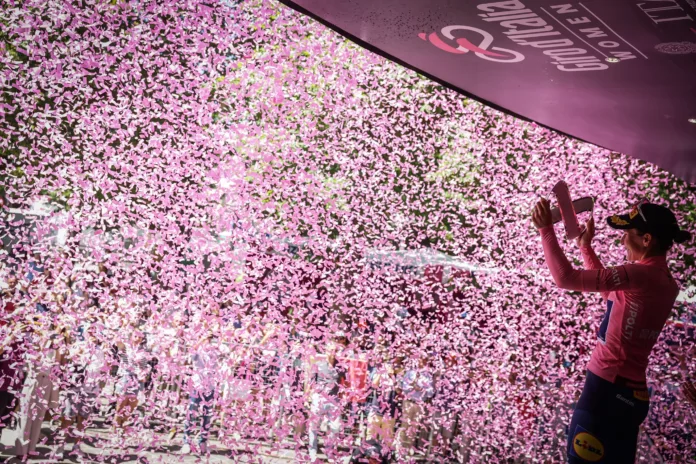
The Giro d’Italia Women 2026 returns with one of its most ambitious modern routes, running from Saturday, 30th May to Sunday, 7th June across nine stages and 1,153.7km. The race starts in Cesenatico, finishes in Saluzzo and builds towards a mountainous final weekend that includes the Colle delle Finestre, Sestriere and a final stage around Saluzzo.
This is a route with a clear shape. The opening stages give sprinters and fast finishers chances to take early control, but the race becomes steadily harder through the middle of the week. Stage 4 brings a 12.7km uphill time trial to Nevegal, Stage 5 moves into mountain terrain around Santo Stefano di Cadore, and the final two stages should decide the maglia rosa in the high mountains.
The headline feature is the Colle delle Finestre on Stage 8. It is one of the most famous modern climbs in Italian cycling, partly because of its length and gradient, and partly because the upper section includes gravel. Its inclusion gives the Giro d’Italia Women 2026 a landmark climb that immediately changes the scale of the race.
For wider context on the biggest women’s stage races, our La Vuelta Femenina coverage and Tour de France Femmes coverage follow the other major Grand Tour-style events on the women’s calendar.
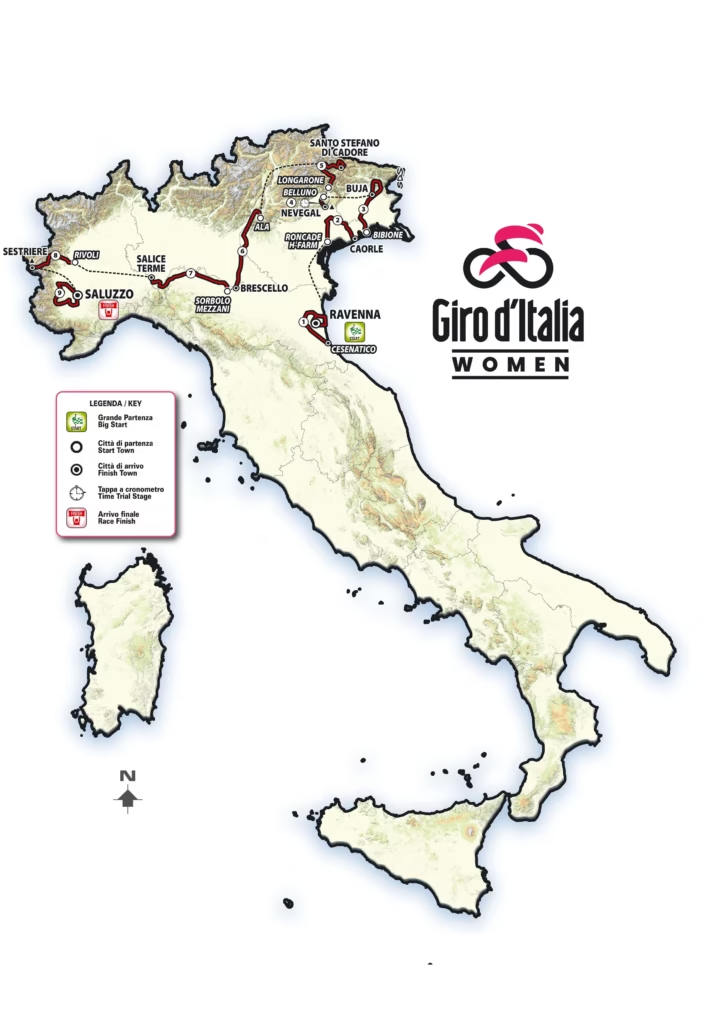
Giro d’Italia Women 2026 route overview
The 2026 Giro d’Italia Women covers nine stages from Cesenatico to Saluzzo. The route includes flat sprint stages, hilly transition days, a meaningful uphill time trial and a mountain-heavy final weekend.
The total distance is 1,153.7km, with around 12,500 metres of climbing. That gives the race more depth than a short stage-race format and makes it a proper general classification test rather than a single-climb contest.
The route begins on the Adriatic side of Italy, moves through Veneto and Friuli-Venezia Giulia, then heads towards the mountains of the north before finishing in Piedmont. It is a race that grows in difficulty, which should keep the GC open until the final weekend.
The nine stages are:
- Stage 1, Saturday, 30th May: Cesenatico to Ravenna, 139km
- Stage 2, Sunday, 31st May: Roncade H-Farm to Caorle, 146km
- Stage 3, Monday, 1st June: Bibione to Buja, 154km
- Stage 4, Tuesday, 2nd June: Belluno to Nevegal, 12.7km individual time trial
- Stage 5, Wednesday, 3rd June: Longarone to Santo Stefano di Cadore, 138km
- Stage 6, Thursday, 4th June: Ala to Brescello, 155km
- Stage 7, Friday, 5th June: Sorbolo Mezzani to Salice Terme, 165km
- Stage 8, Saturday, 6th June: Rivoli to Sestriere, 101km
- Stage 9, Sunday, 7th June: Saluzzo to Saluzzo, 143km
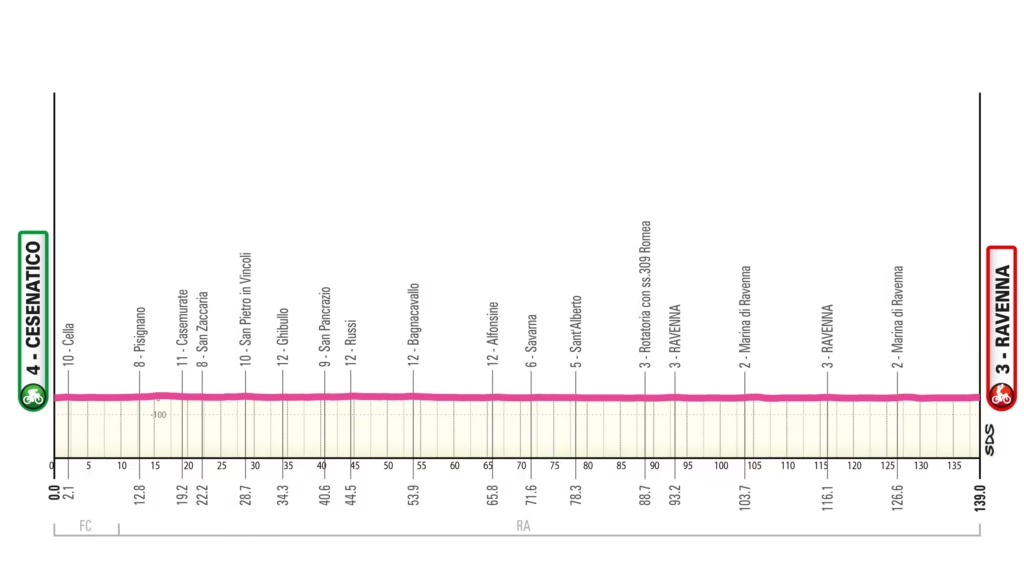
Stage 1: Cesenatico to Ravenna, 139km
The Giro d’Italia Women 2026 begins in Cesenatico, a town with deep cycling associations, before heading to Ravenna for what should be one of the clearest sprint opportunities of the race.
At 139km, the opening stage gives the sprinters a realistic chance to fight for the first maglia rosa. The profile is flat enough for the fast teams to control, and the first day of a major stage race always carries extra value. A stage win here means more than an early victory. It means the first pink jersey of the race.
That said, opening stages are rarely calm. The whole peloton starts fresh, every team wants position, and the sprint trains have to find their rhythm immediately. The main GC contenders should not need to show themselves, but they will still need to avoid crashes, splits and unnecessary stress.
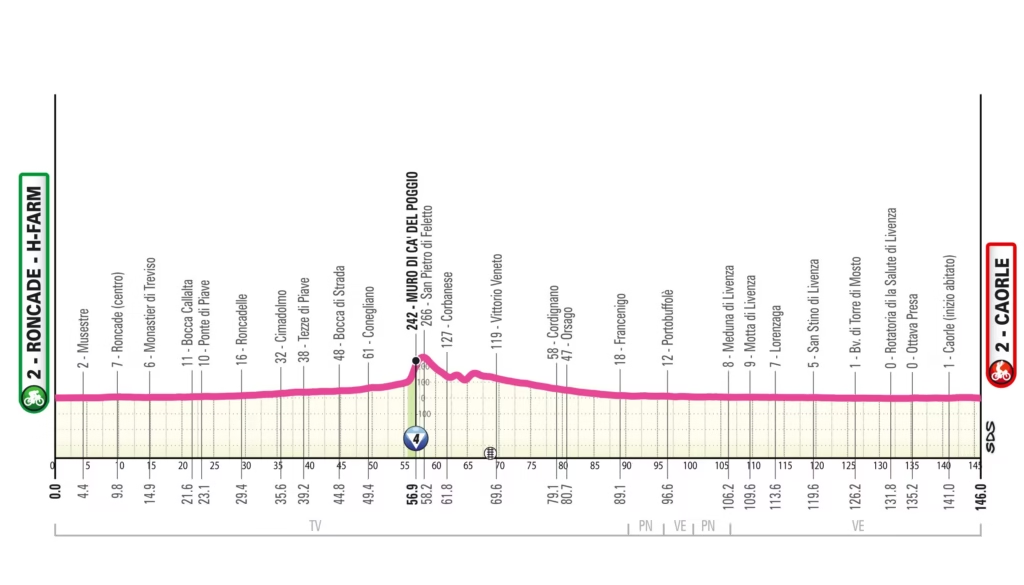
Stage 2: Roncade H-Farm to Caorle, 146km
Stage 2 runs from Roncade H-Farm to Caorle over 146km and should give the sprinters another major opportunity. It is the second flat stage in a row, which means the early race lead could remain with the fast finishers if they handle the opening weekend cleanly.
Caorle has appeared in major Italian races before and should provide a fast finish if the peloton stays together. The route is not expected to create major GC gaps, but it still matters because positioning, bonus seconds and early classification points can shape the first phase of the race.
For teams with pure sprinters, this is one of the stages they cannot afford to waste. Once the race moves beyond the opening weekend, the opportunities become more complicated.
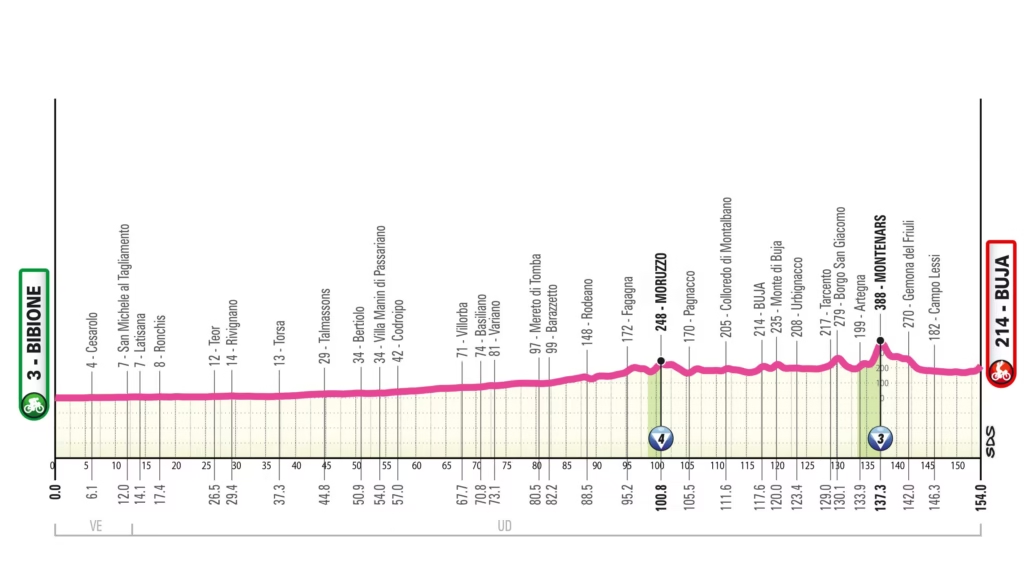
Stage 3: Bibione to Buja, 154km
Stage 3 from Bibione to Buja is the first stage where the route becomes more awkward. At 154km, it is long by modern women’s stage-race standards, and the hilly terrain should begin to shift the race away from the pure sprinters.
This is the kind of stage that can be difficult to control. It is not a full mountain stage, but it should bring enough climbing and rolling terrain to encourage attacks. Teams with punchy riders, strong all-rounders and GC options may see this as a chance to test the race before the time trial.
For the maglia rosa contenders, Stage 3 is about alertness. The race may not be won here, but it can become more complicated if a rider misses a split or gets caught behind on a technical section.

Stage 4: Belluno to Nevegal, 12.7km individual time trial
Stage 4 is one of the most important days of the race. The 12.7km individual time trial from Belluno to Nevegal is short, but it is uphill and steep enough to create real gaps.
This is not a standard flat time trial where aerodynamic specialists alone have the advantage. The climb to Nevegal should reward riders who can combine pacing, climbing strength and time-trial discipline. The steep sections, with gradients reaching into double figures, mean riders who go too deep early could lose time rapidly near the top.
The stage could create the first serious GC hierarchy. A strong climber who can time trial well may gain a major advantage, while lighter climbers who struggle with pacing against the clock could be forced to attack later in the race.

Stage 5: Longarone to Santo Stefano di Cadore, 138km
Stage 5 keeps the race in difficult northern terrain, running from Longarone to Santo Stefano di Cadore over 138km. After the uphill time trial, this is where the road stage climbing begins to matter properly.
The route moves through mountainous territory and should test recovery after the Nevegal effort. That makes it dangerous. Riders who went too deep in the time trial may struggle to back up their performance, while teams with several climbers could begin applying pressure.
This stage is unlikely to be easy to control. It suits breakaway riders, strong climbers and GC teams wanting to make the race harder before the final weekend. The Dolomite setting also means the weather and descents could add another layer of difficulty.
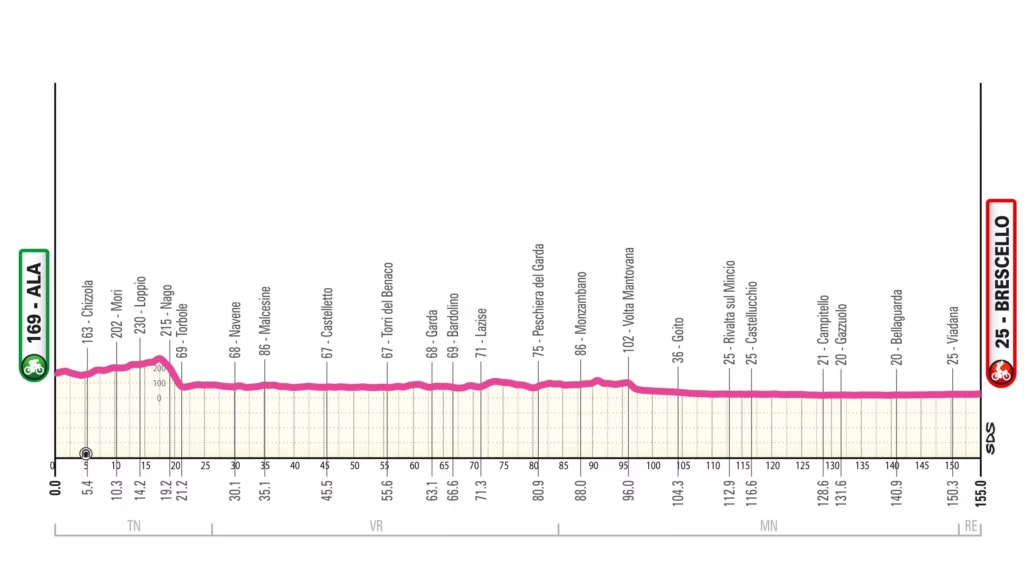
Stage 6: Ala to Brescello, 155km
Stage 6 from Ala to Brescello offers a change of rhythm. At 155km, it is another long stage, but the flatter profile should give the sprinters a chance to return after two more selective days.
That does not make it irrelevant for the GC. Long flat stages can still be stressful, especially if wind, fatigue or positioning problems enter the race. After the uphill time trial and mountain stage, teams may also be tired, which can make chase organisation less predictable.
For the sprinters, this is a valuable opportunity because the final weekend will be much too hard. For GC riders, it is a day to stay safe, eat properly and conserve energy before the race turns towards its decisive phase.
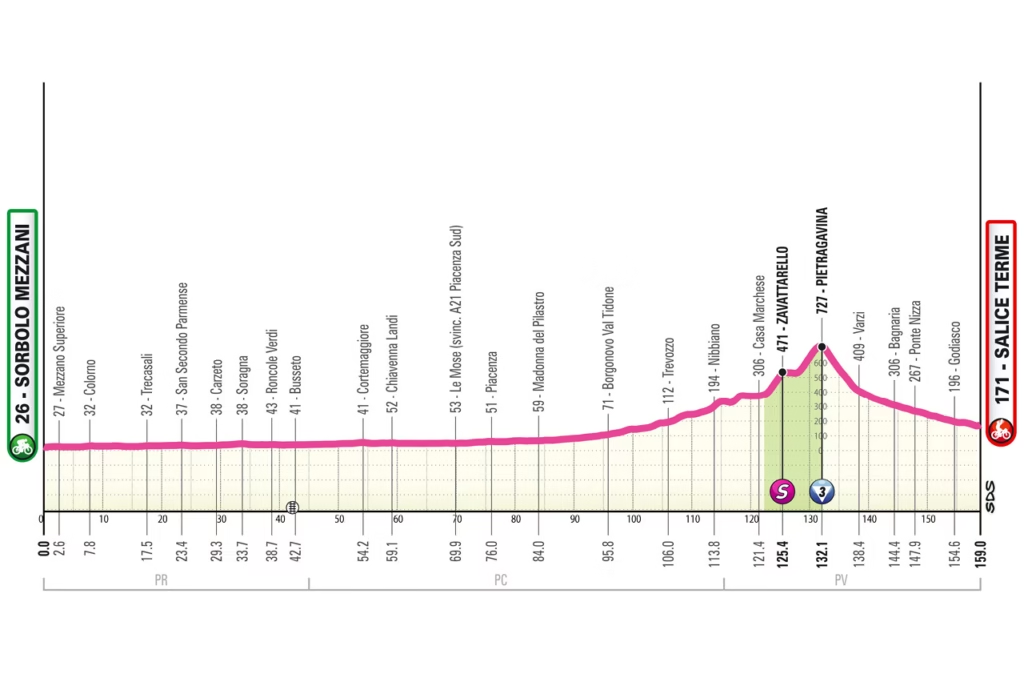
Stage 7: Sorbolo Mezzani to Salice Terme, 165km
Stage 7 is the longest stage of the race, running 165km from Sorbolo Mezzani to Salice Terme. It is classed as hilly and arrives at an important point in the Giro, immediately before the queen stage to Sestriere.
The length alone makes it significant. A 165km stage late in a women’s Grand Tour-style race can create fatigue even without major mountains. Add hilly terrain and the possibility of attacks, and it becomes a day where the GC contenders cannot relax.
Salice Terme should suit versatile riders more than pure sprinters. Breakaway riders will look at this stage carefully, while teams with punchy GC leaders may try to create pressure without committing everything before Stage 8.
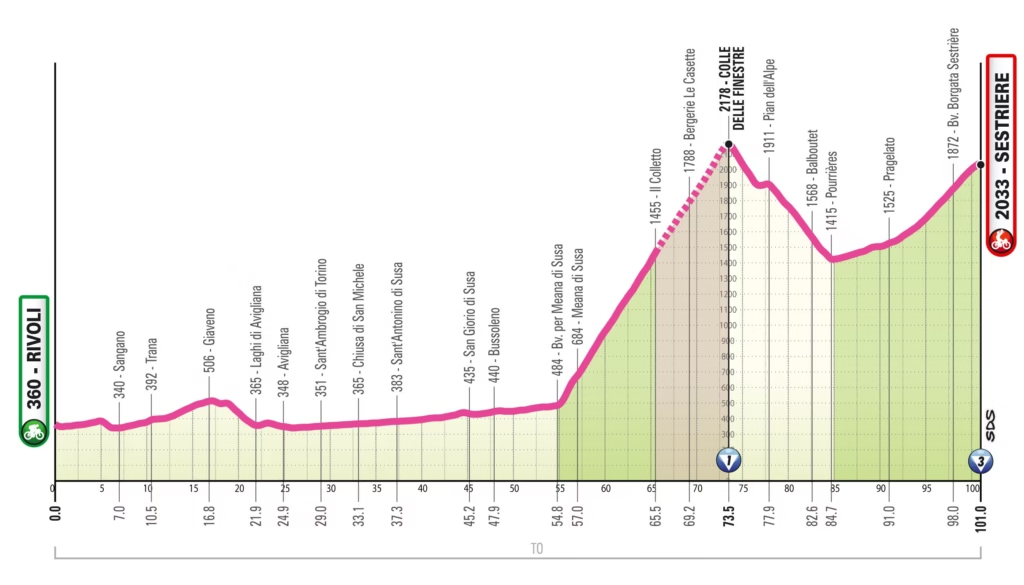
Stage 8: Rivoli to Sestriere, 101km
Stage 8 is the queen stage of the Giro d’Italia Women 2026. It runs from Rivoli to Sestriere over 101km and includes the Colle delle Finestre, the climb that gives this route its defining image.
The Finestre is a climb with a serious reputation. It is long, steep and partly gravel, which makes it a test of climbing strength, bike handling, pacing and composure. The upper gravel section can break rhythm, increase mechanical risk and make the climb feel even harder than the numbers suggest.
After the Finestre, the route continues towards Sestriere. That means the stage is not simply about reaching the top of one climb. Riders will need to manage the descent, regroup if possible, and still have enough left for the final ascent.
This is the stage most likely to decide the race. The time gaps could be substantial, especially if one of the main contenders cracks on the Finestre. It is also the day where teams with depth can make the biggest difference, using support riders before the climb to position leaders and control the early break.
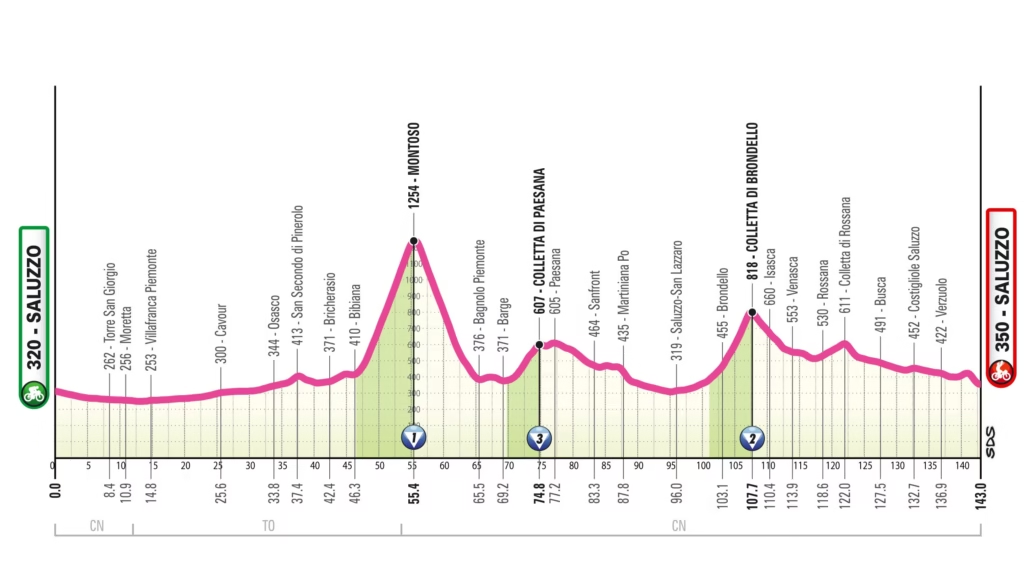
Stage 9: Saluzzo to Saluzzo, 143km
The race ends with a 143km mountain stage starting and finishing in Saluzzo. That is an important design choice because it means the Giro does not finish with a ceremonial stage. The final day can still change the overall classification.
After the Finestre and Sestriere, the peloton will already be tired. A final mountain stage around Saluzzo gives climbers one last chance to attack, while any race leader will need a strong team and careful pacing to defend the maglia rosa.
This stage could become tactical. If the GC gaps are close after Stage 8, riders may have to attack from distance. If the leader has a larger advantage, the race may become a battle for the remaining podium places, stage victory and secondary classifications.
Either way, the final stage keeps pressure on until the end. That is exactly what a route like this should do.
Where will the Giro d’Italia Women 2026 be decided?
The race should be decided across three key moments: the uphill time trial on Stage 4, the mountain stage to Sestriere on Stage 8, and the final stage around Saluzzo.
Stage 4 will create the first meaningful time gaps. It is short, but steep enough to reward riders who can climb at time-trial intensity. A rider who loses heavily there will have to race aggressively later.
Stage 8 is the central stage of the race. The Colle delle Finestre is hard enough to break the field apart, and the final climb to Sestriere gives the strongest riders another chance to extend their advantage.
Stage 9 then keeps the race alive. It gives anyone who lost time on Stage 8 a final chance, while also testing whether the race leader can recover after the queen stage.
The structure is strong because the race does not rely on one decisive day alone. It builds pressure gradually, then asks the contenders to perform on repeated difficult stages.
What kind of rider can win the Giro d’Italia Women 2026?
The ideal winner is a complete climber: strong uphill, disciplined in a time trial and able to recover across nine days. Pure sprint speed will not decide the overall, but positioning and tactical awareness still matter through the flatter opening stages.
A rider with strong climbing ability but a weak time trial may struggle after Stage 4. A strong time triallist who cannot handle the Finestre and Sestriere will also be exposed. The winner needs both.
This route should favour riders such as Elisa Longo Borghini, Demi Vollering, Kasia Niewiadoma, Juliette Berthet, Sarah Gigante (if fit), Gaia Realini and other GC riders who can survive multiple types of pressure. The final start list will decide the exact hierarchy, but the route itself clearly favours riders who can climb repeatedly and manage a hard uphill time trial.
For more on the broader women’s stage-race picture, our women’s cycling race guides track the riders and teams across the season.
What does the route mean for sprinters?
The sprinters have a clear role in the opening part of the race. Stages 1 and 2 should be major targets, while Stage 6 offers another likely opportunity after the first mountain block.
That gives fast riders enough incentive to start the race, but not enough terrain to dominate it. The route becomes too hard for pure sprinters after the opening days, and the final weekend is clearly designed for climbers.
The points classification could still be interesting. If a sprinter builds a strong lead early, they may be able to defend it by surviving the mountains. But if the climbs become too severe and GC riders take repeated high finishes, the competition could tighten late in the race.

What does the route mean for breakaways?
Breakaways should have chances, especially from Stage 3 onward. The hilly stage to Buja, the mountain stage to Santo Stefano di Cadore, the long hilly stage to Salice Terme and the final stage around Saluzzo all offer opportunities for riders outside the GC battle.
The key will be timing. Early in the race, sprint teams may keep control. In the middle of the race, GC teams may hesitate if the break does not threaten the overall. By the final weekend, the race may be too hard and too important for a break to stay away unless it contains very strong climbers.
This route should reward aggressive teams. Riders who wait only for the obvious days may miss their chance. The Giro d’Italia Women often opens up when teams are brave enough to attack before the race becomes fully controlled.
Why the 2026 Giro d’Italia Women route matters
The 2026 route matters because it gives the race a clear identity. The Giro d’Italia Women has often been at its best when it embraces difficult terrain, and this edition does that with a serious time trial, proper mountain stages and one of Italy’s most famous modern climbs.
The inclusion of the Colle delle Finestre is especially important. Women’s cycling needs iconic climbs, not only because they are hard, but because they create stories that carry beyond one edition of a race. The Finestre gives the 2026 Giro a clear centrepiece.
The move to a June position also helps the race stand on its own more clearly. It no longer sits in the shadow of the men’s Tour de France in the same way, and that gives the women’s Giro a better chance to command attention during a key part of the season.
The simplest summary is this: the Giro d’Italia Women 2026 starts with opportunities for sprinters, turns through an uphill time trial, then builds towards a mountainous final weekend that should decide the maglia rosa on the Colle delle Finestre, Sestriere and Saluzzo. It is a route for complete climbers, not one-dimensional specialists.

