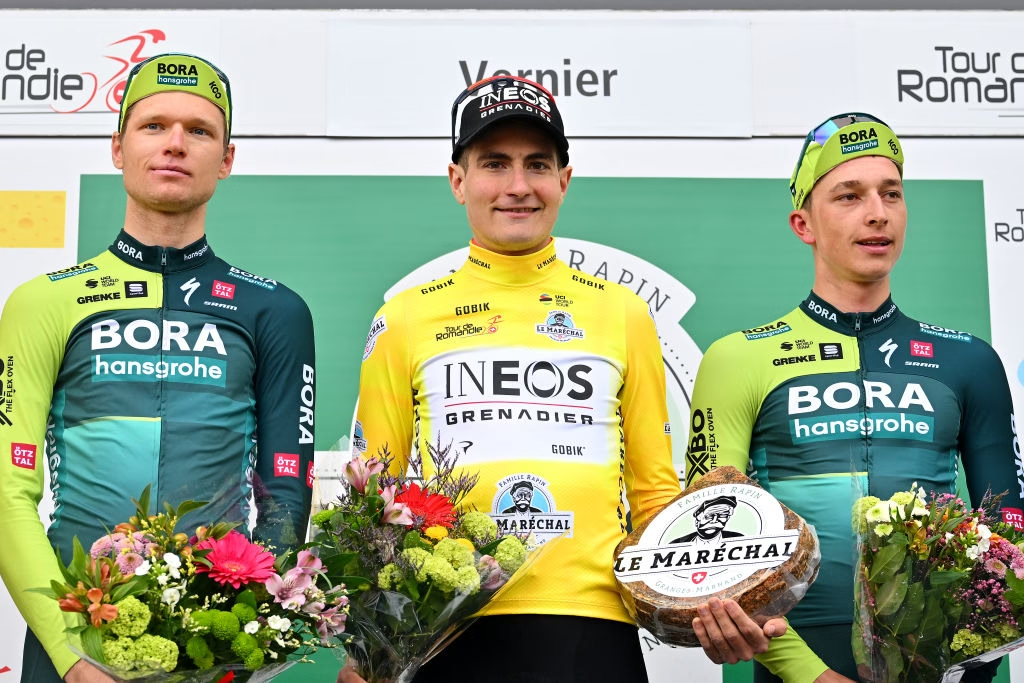
The Men’s Tour de Romandie has never relied on Monument-level mythology to earn its place on the calendar. Instead, it has built its status through consistency, route design and timing. Held in the French-speaking part of Switzerland, the race has long served as one of the key late-spring tests for stage racers, offering a compact but demanding week that usually rewards riders who can climb, time-trial and stay sharp across changing terrain. That blend is why it still holds an important place in men’s cycling history.
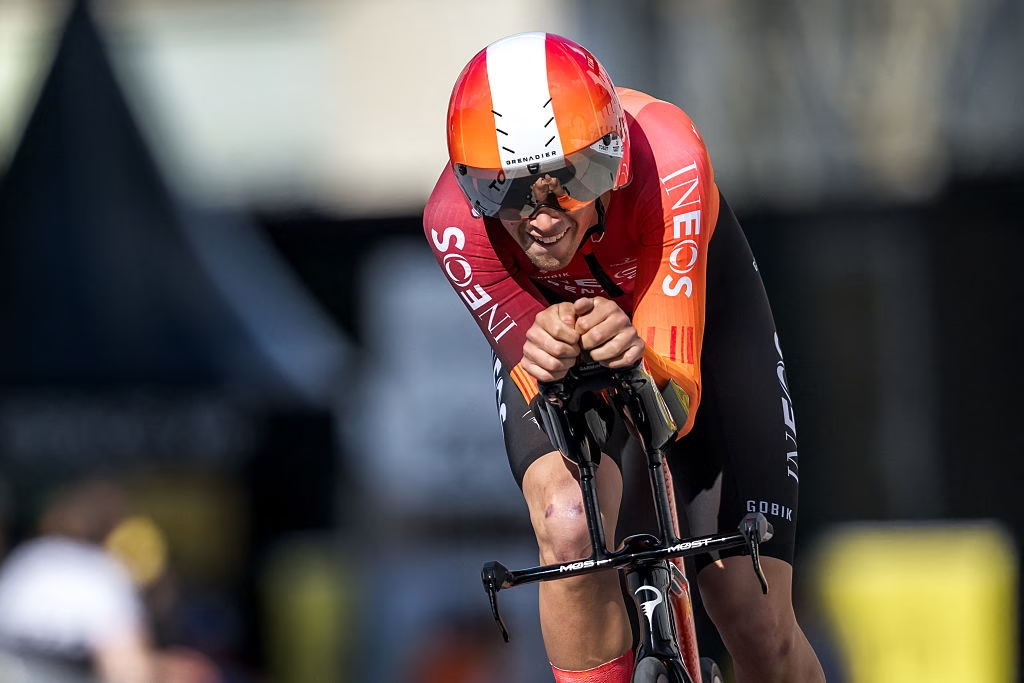 Photo Credit: Getty
How the race began
The race began in 1947 after the idea was discussed in 1946 by Max Girardet, André Jaccard, Fernand Jayet and Paul Denier of the Union Cycliste Suisse. It was originally meant to be a one-off race to mark the UCS’s 50th anniversary, but it proved successful enough to become a permanent fixture. The first winner was Désiré Keteleer, and from there the Tour de Romandie quickly established itself as one of the key stage races in Switzerland.
What kind of race Tour de Romandie became
From the beginning, Romandie tended to reward balance rather than one overwhelming speciality. The routes rarely allow a pure climber, a pure time triallist or a pure sprinter to dominate without weaknesses being exposed somewhere else in the week. That is a large part of the race’s appeal. Over time, it has become one of the more revealing one-week stage races on the calendar, often giving an early indication of which riders are carrying genuine stage-race form into the next phase of the season.
Its place in the calendar has also helped define its importance. Sitting in late April or early May, the race has frequently acted as a bridge between the Spring Classics and the Grand Tour season. For some riders it has been a final sharpening block before the Giro d’Italia, while for others it has served as a broader benchmark for stage-race condition. That role has made the Tour de Romandie especially useful to follow, because it often reveals who is genuinely ready rather than who simply looked strong in one isolated result.
The riders who shaped its history
The winners’ list reflects that variety. Stephen Roche remains the only rider to have won the Tour de Romandie three times, taking overall victory in 1983, 1984 and 1987. Behind him sits a long line of two-time winners, including Ferdi Kübler, Cadel Evans, Chris Froome and Primož Roglič. That spread of names says plenty about the kind of rider the race attracts. Romandie has often appealed to riders with real general classification depth rather than those built only for shorter bursts of form.
Modern editions have usually followed a familiar formula. A prologue or short time trial often sets the early order, the hillier and mountain stages then expose the climbers and all-rounders, and the general classification can stay open deep into the week. That structure has helped create a strong modern roll of honour, with winners such as Bradley Wiggins, Chris Froome, Nairo Quintana, Richie Porte, Primož Roglič, Geraint Thomas, Adam Yates, Carlos Rodríguez and João Almeida all underlining the race’s quality.
Why the race still matters
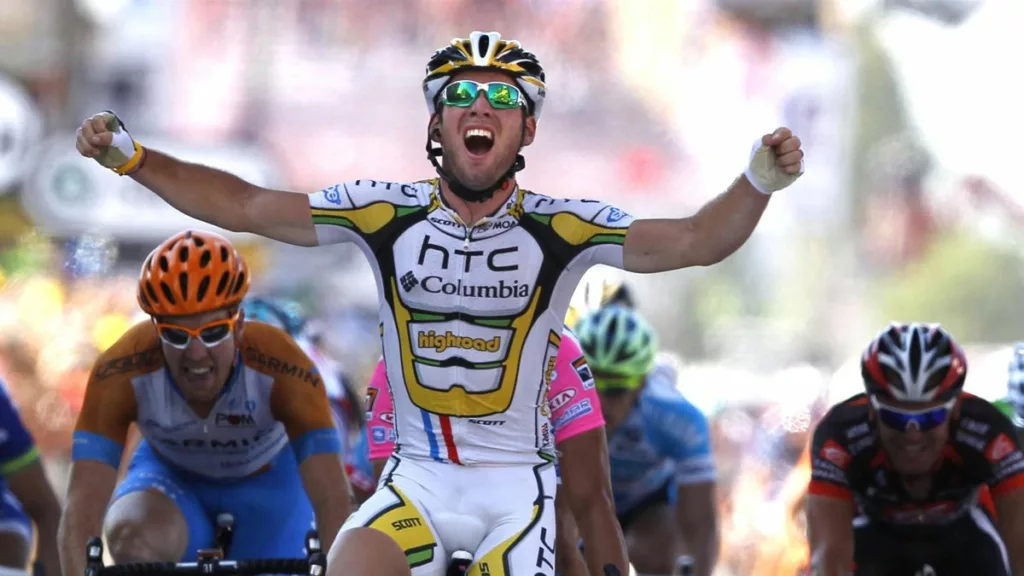
The stage-win records add another layer to the race’s history. Mario Cipollini remains the most prolific stage winner in Tour de Romandie history with 12 stage victories, ahead of Hugo Koblet and Ferdi Kübler on eight each. Michael Albasini sits next on seven, while Tony Rominger, Johan van der Velde, Knut Knudsen and Gianni Motta each reached six. That list captures another side of Romandie. While the general classification tends to reward all-round stage racers, the individual stages have often gone to a much wider variety of specialists.
What gives the race its enduring value is that it feels both prestigious and practical. It may not carry the same global attention as the biggest Grand Tours, but within the men’s calendar, it has become one of the most respected one-week races. It continues to attract major riders because it offers a serious sporting test, and it continues to matter for fans because it so often provides an early, useful read on the next phase of the season. That is why the Tour de Romandie has endured – not as a historical curiosity, but as one of the calendar’s most reliable and revealing stage races.
Last 15 Men’s Tour de Romandie GC winners
- 2025 – João Almeida
- 2024 – Carlos Rodríguez
- 2023 – Adam Yates
- 2022 – Aleksandr Vlasov
- 2021 – Geraint Thomas
- 2020 – no race
- 2019 – Primož Roglič
- 2018 – Primož Roglič
- 2017 – Richie Porte
- 2016 – Nairo Quintana
- 2015 – Ilnur Zakarin
- 2014 – Chris Froome
- 2013 – Chris Froome
- 2012 – Bradley Wiggins
- 2011 – Cadel Evans
- 2010 – Simon Špilak
Riders with the most stage wins in Men’s Tour de Romandie
- Mario Cipollini – 12
- Hugo Koblet – 8
- Ferdi Kübler – 8
- Michael Albasini – 7
- Tony Rominger – 6
- Johan van der Velde – 6
- Knut Knudsen – 6
- Gianni Motta – 6
- Paolo Savoldelli – 5
- Laurent Dufaux – 5