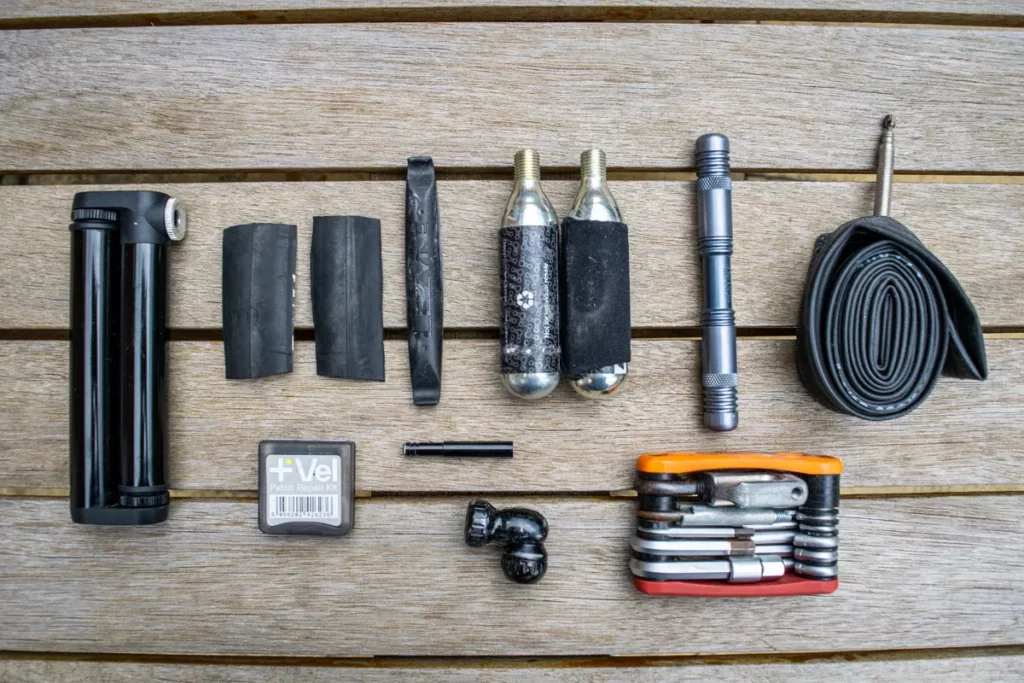
Every cyclist eventually learns the same lesson: it is not the big mechanical failures that ruin most rides, it is the small, predictable problems. A puncture two miles from home, a slipped chain at the bottom of a climb or a loose bolt rattling itself free on rough roads. None of these issues are dramatic, yet all can stop a ride dead if you are unprepared.
The aim isn’t to carry a mobile workshop. It is to bring just enough tools and spares to fix the most common breakdowns quickly and confidently. Once you understand what those situations look like, assembling the right kit becomes much simpler.
Why a small toolkit matters
Modern bikes are reliable, but they are not immune to the realities of British roads: potholes, wet grit, flint, debris and constant vibration. Most mechanical hiccups fall into three categories: punctures, loose components and minor drivetrain issues. With a few carefully chosen items, you can fix all three at the roadside in minutes.
The other reason to carry essentials is psychological. There is a calmness that comes from knowing you can sort problems yourself. It turns underprepared panic into routine maintenance, even on long solo rides.
The core items every rider should carry
A spare inner tube
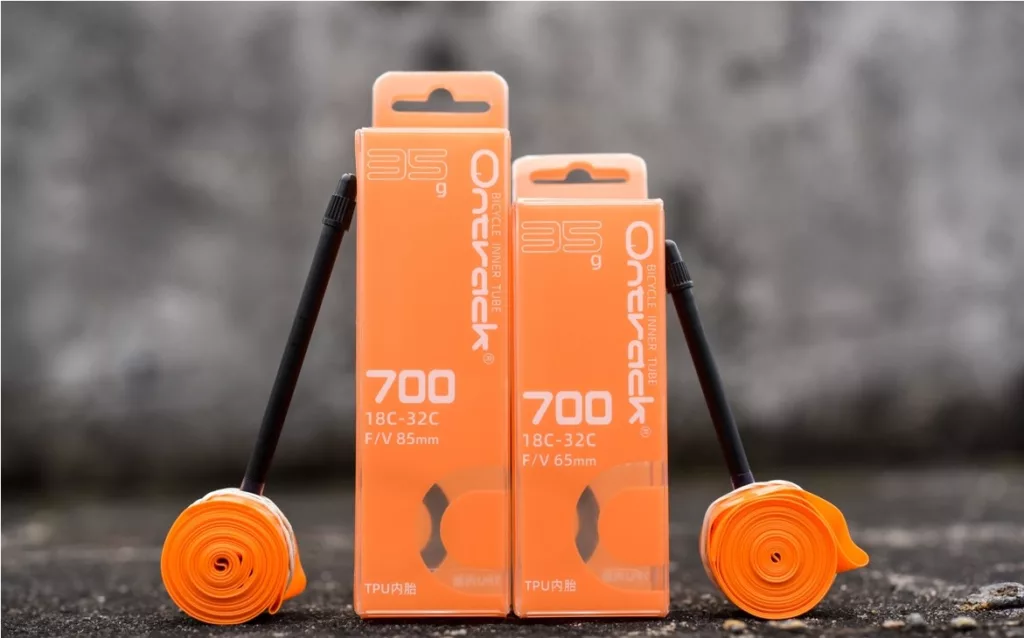
This is non-negotiable for anyone running standard clincher tyres. Even if you plan to repair your puncture, replacing the tube is faster and far more reliable when you are cold, wet or losing daylight. Make sure the valve length matches your rims and check it occasionally for accidental pinch holes. TPU tubes are a great size for any bag on the go.
Tyre levers
A simple, cheap tool that you will use more than any other. Three levers make the job easy, but even one high-quality lever will help you remove the tyre without damaging the rim. Look for a smooth edge and solid build rather than something too flexible.
A mini pump or CO2 inflator
You need a way to get rolling again after fitting a new tube.
- A mini pump is reliable and never runs out of charge or gas.
- A CO2 inflator is fast and convenient, especially in winter, but should always be paired with a backup pump for longer rides.
Choosing between the two is about preference, but carrying one or the other is essential.
A multi-tool
A good multi-tool solves 90 per cent of roadside adjustments, from tightening a slipping saddle clamp to aligning a handlebar that moved after a knock. Look for:
- 3, 4, 5 and 6 mm Allen keys
- A T25 Torx key (used on many modern bolts, especially disc brakes)
- A Phillips screwdriver
- Optional extras like a chain tool
Weight matters less than reliability and usability.
A chain quick link (and ideally a small chain tool)
Chains rarely snap, but when they do, the ride is over without a quick link. These tiny spares weigh almost nothing and can join a broken chain in seconds. If your multi-tool includes a chain tool, even better. If not, pack a small, dedicated one for longer rides.
Helpful extras that make a big difference
A puncture repair kit
This is your fallback if you puncture more than once. Modern glueless patches are quick and tidy for emergency use. Traditional glue kits take a little time but create a more durable fix. Neither replaces the convenience of a spare tube, but both extend your ride home if luck turns against you.
Tyre boot or emergency patch
A cut tyre cannot hold a tube, even a brand new one. A tyre boot is a tough adhesive patch you place inside the tyre to reinforce the damaged area. In a pinch, a folded banknote or energy-bar wrapper can serve the same purpose, but a real boot is more reliable.
A small cash note or contactless backup
Not a tool, but incredibly practical. Whether you need food, a train ticket or an unexpected café stop, having a payment option makes mechanical disasters far less stressful.
A pair of nitrile gloves
When your chain derails or breaks, greasy hands make everything harder. A lightweight pair of gloves saves your palms, your bar tape and whatever you’re wearing.
Cable ties or a short Velcro strap
These weigh almost nothing and fix all sorts of problems: a rattling mudguard, a loose light mount, a bag strap that won’t stay put. They are the definition of small effort, big benefit.
The best way to carry your tools and spares
Most riders use one of three approaches:
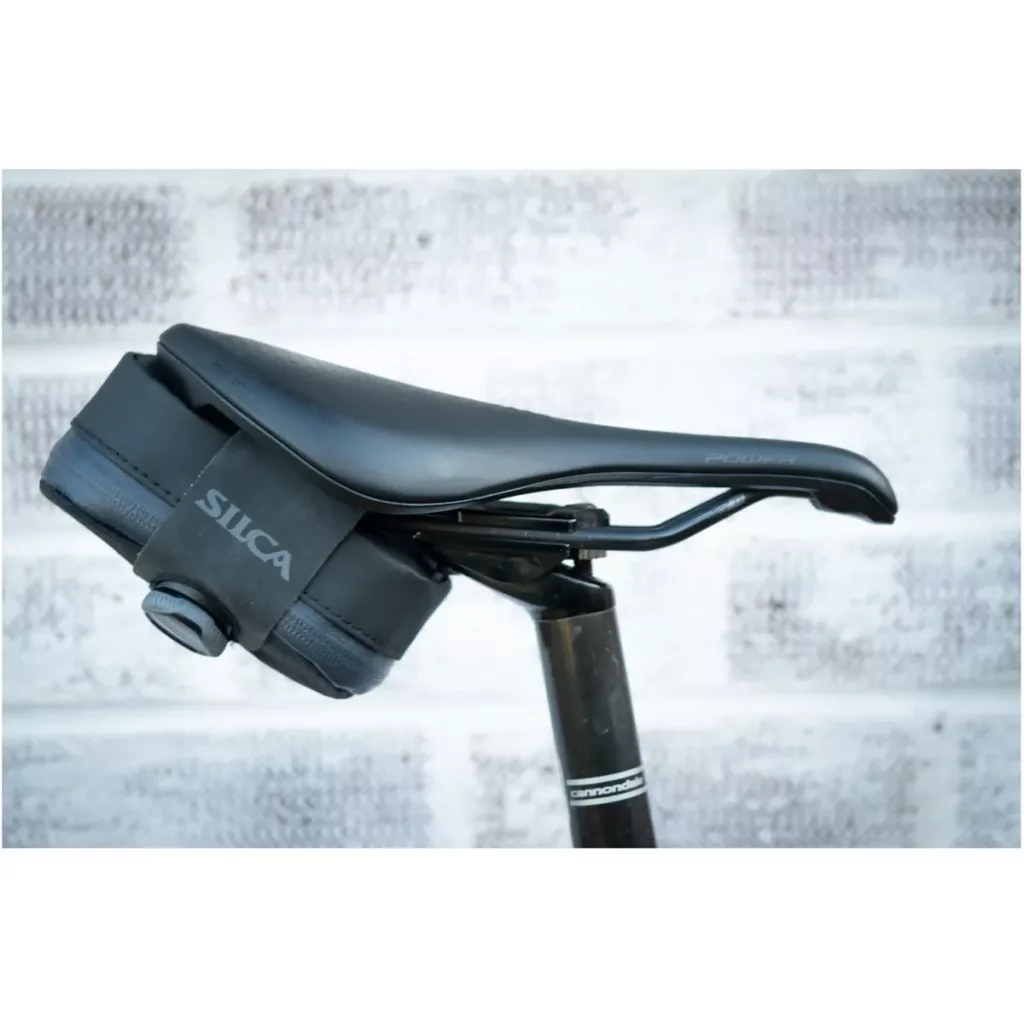
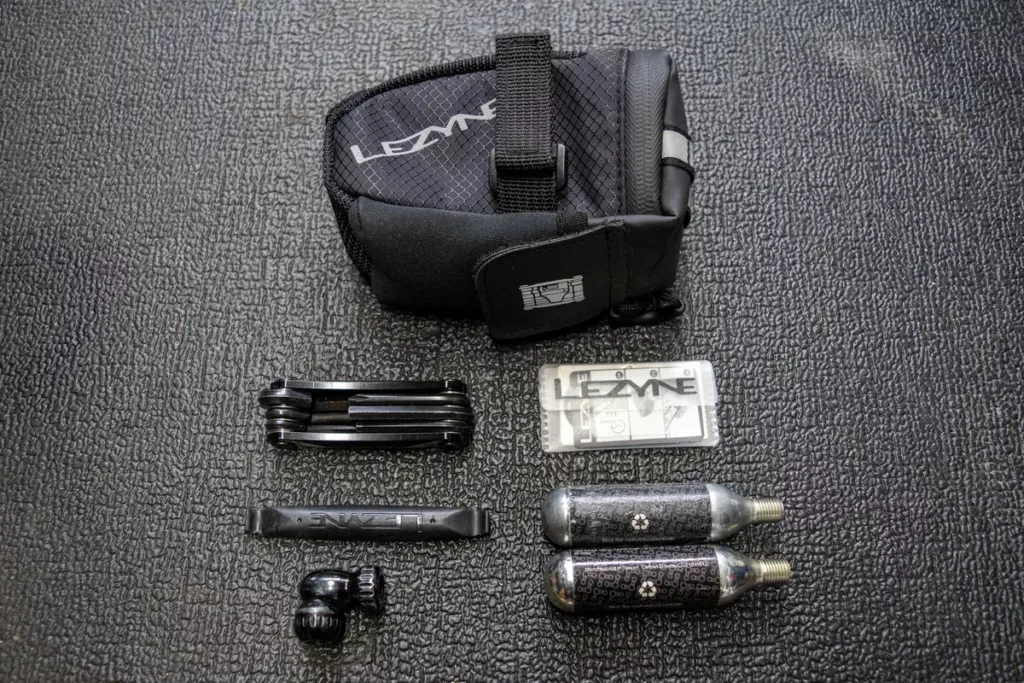
- Saddle bag: Secure, tidy and always on the bike. Ideal for commuting and training rides.
- Jersey pockets: Flexible and easy to access, though less tidy if you prefer a clean-looking bike.
- Bikepacking-style pouch or top-tube bag: Useful for longer rides where you carry extra tubes or food.
Whichever option you choose, keep your kit in one place. The most common mistake is leaving tools on a different bike or forgetting to restock after a puncture.
A simple everyday setup that works
If you want a straightforward checklist that covers almost every scenario, it looks like this:
- 1 spare inner tube
- 1 set of tyre levers
- 1 compact pump or CO2 inflator (plus one spare CO2 cartridge)
- 1 multi-tool with chain tool
- 1 chain quick link
- 1 puncture patch kit
- 1 tyre boot
- 1 pair of disposable gloves
- 1 or 2 cable ties
With that small pouch of items, you can fix punctures, realign slipping components, mend a chain, deal with minor crashes and finish almost any ride under your own power.
The bottom line
Every rider, from a new commuter to a seasoned club cyclist, benefits from carrying a minimalist toolkit. The goal is not to strip and rebuild your bike at the roadside. It is to solve the predictable problems quickly, cleanly and without turning a small hiccup into a long walk home.
A handful of well-chosen spares, a compact multi-tool and a bit of confidence are enough to turn breakdowns into minor inconveniences rather than show-stoppers. Pack smart once, and you will rarely worry about it again.