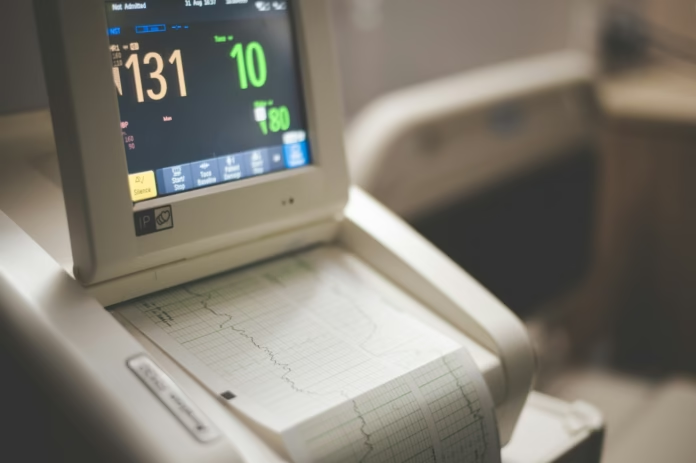
Every year, more than 300,000 coronary artery bypass operations are performed worldwide. Yet behind that figure are millions of people living with silent risk factors – high blood pressure, elevated cholesterol, a family history of heart disease – who never learn they have a problem until chest pain, breathlessness, or a sudden heart attack brings them to an emergency room. Early evaluation matters. Our experts in cardiology diagnose and treat heart disease with minimally invasive options, and catching atherosclerosis or arrhythmia early often means the difference between a simple medication adjustment and an emergency surgery.
Cardiology covers the diagnosis, treatment, and prevention of conditions affecting the heart and blood vessels. It spans coronary artery disease, heart failure, arrhythmias, valve disorders, and congenital defects. A cardiologist’s goal is to keep your cardiovascular system – the network of arteries delivering oxygen-rich blood and veins returning it to the heart – functioning correctly. When disease disrupts that flow, interventional procedures such as angioplasty and stents, or cardiac surgery, including coronary artery bypass grafting (CABG), may be required.
When to Seek Urgent Care Versus Routine Evaluation
Chest pain, severe shortness of breath, sudden fainting, or new, rapid, irregular heartbeat with dizziness demands immediate emergency services. Call for an ambulance if you experience crushing pressure in your chest, pain radiating to your arm, neck, or jaw, cold sweats, or difficulty breathing at rest. These are signs of a possible heart attack or life-threatening arrhythmia. Time matters: early treatment protects the heart muscle and saves lives.
If you have risk factors, consult cardiology specialists to assess your heart health on a scheduled basis. Risk factors include smoking, high blood pressure, diabetes, high cholesterol, obesity, a sedentary lifestyle, or a family history of early heart disease. Even without symptoms, adults with multiple risk factors should undergo periodic screening – baseline electrocardiograms (ECG/EKG), lipid panels, blood pressure checks, and possibly coronary calcium scoring – to catch silent disease before it progresses.
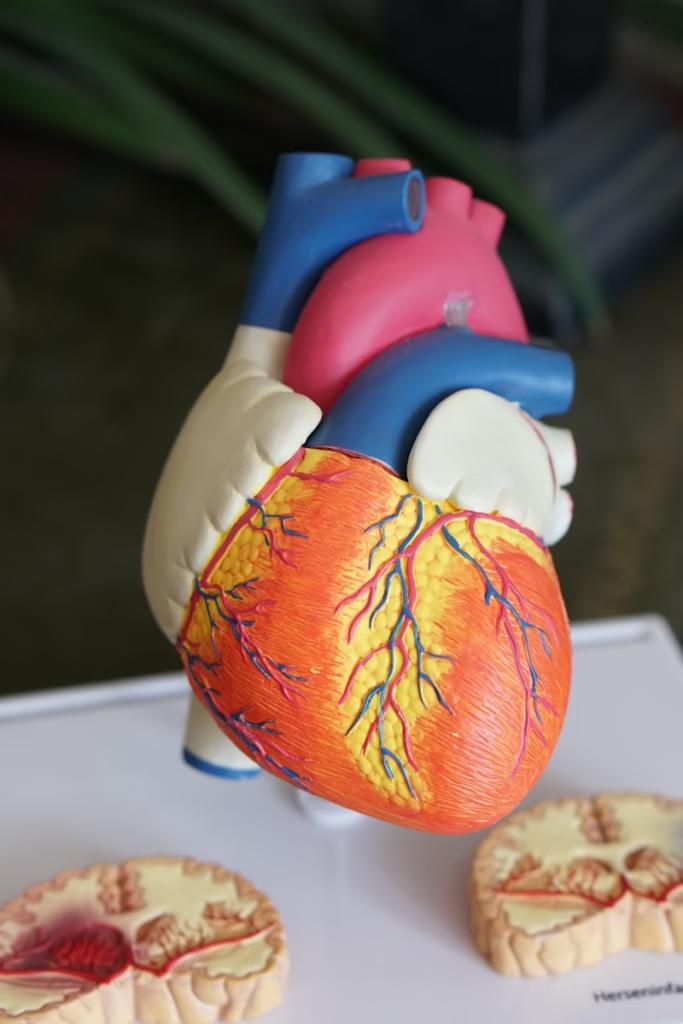
Symptoms, Risk Factors, and Common Conditions
Symptoms You Should Not Ignore
Many heart conditions announce themselves clearly. Chest pain or pressure, shortness of breath during activity or at rest, palpitations (a racing or fluttering sensation), dizziness or lightheadedness, swelling in the legs and ankles, and unexplained fatigue are all red flags. Some patients describe angina – chest discomfort triggered by exertion and relieved by rest – as a warning sign of coronary artery disease. Others experience silent ischemia with no chest pain, making routine screening vital for those at risk.
Palpitations may signal benign premature beats or serious arrhythmias such as atrial fibrillation, which raises stroke risk. Swelling and breathlessness at rest can indicate heart failure, where the heart cannot pump blood effectively. Any new, persistent, or worsening symptom warrants a timely clinic assessment, even if it does not meet the threshold for an emergency room visit.
Risk Factors: Modifiable Versus Non-Modifiable
Modifiable risk factors are those you can control. Smoking damages arterial walls and accelerates atherosclerosis. High blood pressure forces the heart to work harder, thickening its walls and straining arteries. High cholesterol deposits fatty plaques that narrow vessels. Diabetes impairs blood-vessel health and increases inflammation. Obesity, physical inactivity, and a diet high in saturated fats and salt compound these risks. Addressing even one modifiable factor – quitting smoking, lowering cholesterol with statins, or starting a walking programme – can reduce your heart-disease risk significantly.
Non-modifiable risk factors include age (risk rises after 45 for men, 55 for women), sex (men face higher early risk, women’s risk climbs after menopause), family history of premature heart disease, and genetic conditions such as familial hypercholesterolemia. You cannot change these factors, but knowing they exist guides how aggressively you and your doctor manage the modifiable ones.
Common Diagnoses We Treat
Coronary artery disease (CAD) is the narrowing or blockage of the coronary arteries by atherosclerotic plaques. It causes angina and, when a plaque ruptures, heart attacks. Treatments range from lifestyle changes and medications to angioplasty and stents (percutaneous coronary intervention, PCI) or coronary artery bypass grafting (CABG) for severe, multivessel disease.
Heart failure management addresses the heart’s inability to pump adequately. Patients may have reduced ejection fraction (HFrEF), where the heart muscle weakens, or preserved ejection fraction (HFpEF), where the heart stiffens. Guideline-directed medical therapy includes ACE inhibitors, beta-blockers, SGLT2 inhibitors, and diuretics to control fluid overload and improve survival.
Arrhythmia and valve disease encompass irregular heart rhythms and valve malfunction. Atrial fibrillation increases stroke risk and requires anticoagulation. Ventricular arrhythmias can be life-threatening and may necessitate an implantable cardioverter-defibrillator (ICD). Valve stenosis (narrowing) or regurgitation (leaking) may require surgical repair or replacement, sometimes via minimally invasive or transcatheter approaches. Our arrhythmia and electrophysiology programs offer catheter ablation and device implantation (pacemakers, ICDs) for rhythm control.
How Heart Conditions Are Diagnosed
First-Line Tests and Clinic Evaluation
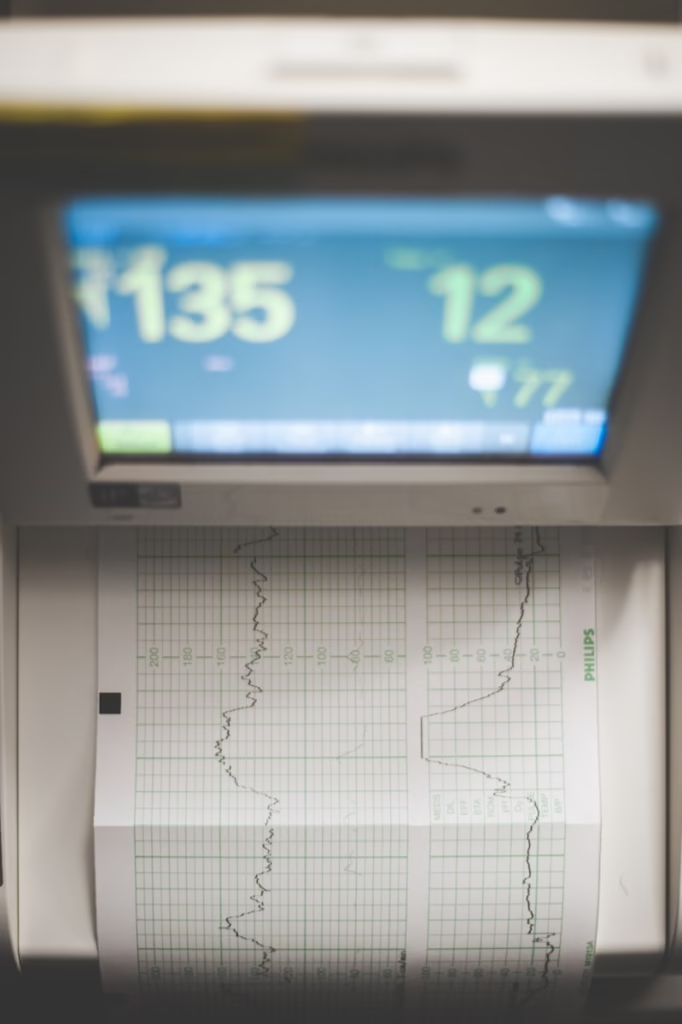
An electrocardiogram (ECG/EKG) records your heart’s electrical activity in seconds. It detects arrhythmias, signs of prior or ongoing ischemia, and conduction abnormalities. Blood tests measure cardiac enzymes (troponin) to confirm or rule out a heart attack, lipid panels to assess cholesterol, and glucose to screen for diabetes. Your doctor will also check blood pressure and body mass index (BMI) as part of cardiovascular risk assessment.
Cardiac Imaging to Visualise Structure and Function
An echocardiogram uses ultrasound to create moving images of your heart. It shows how well the chambers contract, how valves open and close, and whether there are structural problems such as congenital defects. Advanced 3D/4D echocardiography provides even clearer views, helping surgeons plan valve repairs and assess complex anatomy.
Cardiac CT offers non-invasive coronary imaging. Coronary calcium scoring quantifies plaque burden, and CT coronary angiography visualises the arteries without a catheter, useful for ruling out blockages in low-to-intermediate-risk patients.
Cardiac MRI excels at tissue characterisation. It identifies scar from prior heart attacks, inflammation in cardiomyopathies, and viability of heart muscle before deciding on revascularisation. It is also the gold standard for complex congenital heart disease and certain valve assessments.
Explore our cardiology department for symptoms, tests, and treatment plans tailored to your needs.
Monitoring and Invasive Diagnostics
Holter monitoring and event recorders track your heart rhythm continuously for 24 to 48 hours or longer, capturing intermittent arrhythmias that a single ECG might miss. Stress testing – either exercise on a treadmill or pharmacologic with medications that simulate exertion – reveals ischemia and assesses exercise capacity.
Cardiac catheterisation (coronary angiography) remains the definitive test for coronary artery disease. A thin catheter is threaded through an artery in your wrist or groin to the heart. Contrast dye is injected and X-rays taken, creating a precise “road map” of blockages. Intravascular imaging (IVUS or OCT) and physiologic assessment (FFR) refine treatment decisions during the procedure.
Treatment Options: From Prevention to Advanced Procedures
Lifestyle Changes and Prevention Strategies
Learn more about cardiology services, from prevention to advanced interventions. Smoking cessation, a heart-healthy diet rich in vegetables, whole grains, and lean protein, regular aerobic exercise, weight management, and strict control of blood pressure and diabetes form the foundation of cardiovascular health. Even small changes – walking 30 minutes daily, reducing salt intake, or quitting smoking – yield measurable benefits in blood pressure, cholesterol, and overall heart function.
Medications Commonly Used in Heart Care
Antiplatelets such as aspirin and P2Y12 inhibitors prevent clot formation after stent placement. Statins lower LDL cholesterol and stabilise plaques. Beta-blockers slow the heart rate and reduce blood pressure, protecting against heart attacks. ACE inhibitors, ARBs, and the newer angiotensin receptor-neprilysin inhibitors (ARNI) improve survival in heart failure. SGLT2 inhibitors offer additional heart-failure and kidney benefits. Diuretics relieve fluid overload. Antiarrhythmics control abnormal rhythms, while anticoagulants such as warfarin or direct oral anticoagulants (DOACs) prevent strokes in atrial fibrillation. Your cardiologist tailors therapy to your specific diagnosis, monitoring for side effects and drug interactions.
Interventional Cardiology: Angioplasty and Stents (PCI)
Percutaneous coronary intervention (PCI) is recommended when coronary artery blockages cause symptoms or threaten heart muscle. During the procedure, a balloon opens the narrowed artery and a drug-eluting stent is deployed to keep it open. Radial access through the wrist reduces bleeding complications compared to femoral access. Intravascular imaging (IVUS/OCT) and fractional flow reserve (FFR) guide optimal stent sizing and placement. Benefits include rapid symptom relief and quicker recovery than surgery, though risks – bleeding, kidney injury from contrast, stent thrombosis – are managed through careful technique and dual antiplatelet therapy.
Cardiac Surgery: CABG and Valve Procedures
Coronary artery bypass grafting (CABG) is preferred for multivessel or complex disease, especially in diabetics. Surgeons harvest grafts from the internal mammary artery or saphenous vein and attach them to bypass blocked coronary segments. Valve repair or replacement addresses stenosis and regurgitation. Minimally invasive approaches reduce scarring and recovery time, and transcatheter techniques allow valve replacement in high-risk patients who cannot tolerate open surgery. Hybrid strategies coordinate interventional and surgical teams, sometimes treating one vessel with a stent and others with bypass grafts in a single setting.
Cardiac Rehabilitation and Long-Term Follow-Up
For comprehensive cardiology care, including diagnostics, stents, and bypass surgery, contact us. Cardiac rehabilitation is a supervised program combining exercise, education on heart-healthy living, and psychological support. It reduces readmissions, improves quality of life, and lowers mortality after heart attacks or surgery. Long-term follow-up includes medication adjustments, repeat imaging, and risk-factor monitoring to prevent recurrence.

Multidisciplinary Heart Team and Speciality Clinics
The Heart Team Approach to Complex Decisions
Get a second opinion in cardiology from our multidisciplinary Heart Team. Cardiologists, cardiac surgeons, electrophysiologists, imaging specialists, cardiac anesthesiologists, and rehabilitation experts review each complex case together. This team conference ensures that all treatment options – medical therapy, PCI, CABG, valve repair, or a combination – are weighed objectively. The patient receives an individualised plan that reflects the latest evidence and the collective expertise of every speciality.
Speciality Programs for Targeted Conditions
Our heart failure clinic manages advanced therapies, including inotropic support, mechanical circulatory support devices, and candidacy for transplantation. The electrophysiology centre evaluates and treats arrhythmias with catheter ablation, pacemaker and ICD implantation, and cardiac resynchronisation therapy. Our cardiac rehabilitation program optimises recovery, educates patients on risk-factor modification, and prevents hospital readmissions through supervised exercise and nutritional counselling.
Advanced Technology and Safety Standards
Imaging and Procedural Innovations
International patients choose our cardiology centre for advanced imaging and hybrid procedures. We deploy 3D/4D echocardiography for real-time surgical guidance, cardiac MRI for precise tissue characterisation, and coronary CT angiography for non-invasive plaque assessment. Hybrid operating rooms (hybrid ORs) combine catheterisation lab capabilities with surgical suites, enabling complex cases – such as transcatheter valve replacement followed immediately by coronary stenting – in one session. Minimally invasive and image-guided techniques reduce complications, lower radiation exposure, and shorten recovery times.
Quality, Safety, and Outcomes
Evidence-based protocols govern every aspect of care, from door-to-balloon time in acute heart attacks to antibiotic prophylaxis in surgery. Radiation-sparing imaging strategies protect patients and staff. Strict infection control and outcomes monitoring ensure transparency and continuous improvement. Our international accreditation and participation in global registries benchmark our results against the highest standards.
How to Access Care, Second Opinions, and International Services
Booking and Second Opinions
Online appointment requests streamline scheduling. Expedited evaluations are available for urgent cases. Virtual consultations allow you to share prior records and imaging securely for expert review. For urgent questions, our phone triage guides next steps – whether that means an emergency-room visit or a same-week clinic appointment. Routine second opinions are typically available within days, giving you time to make informed decisions without delay.
International Patient Pathway
Dedicated coordinators assist with travel letters, visa documentation, interpreter services, and transparent cost estimates. Remote pre-visit assessments let our team review your history and imaging before you travel, ensuring efficient use of your time on-site. We offer bundled packages for diagnostics, PCI, CABG, valve procedures, and cardiac rehabilitation, all clearly itemised. If you have risk factors, consult cardiology specialists to assess your heart health and explore treatment options tailored to your condition and circumstances.
Quick Answers to Common Questions
Who Should Be Screened and How Often?
Adults with hypertension, diabetes, high cholesterol, family history of premature heart disease, or current smoking should undergo periodic cardiovascular assessment. Baseline ECGs, lipid panels, and blood-pressure checks are standard. Coronary calcium scoring may be recommended for intermediate-risk patients to refine treatment intensity. Your clinician will tailor screening frequency based on your overall risk profile.
ER Versus Scheduled Visit: How to Decide
Call emergency services for chest pain, severe shortness of breath, fainting, stroke signs (facial drooping, arm weakness, speech difficulty), or new rapid or irregular heartbeat with dizziness or lightheadedness. Schedule a prompt clinic visit for persistent but non-emergent symptoms such as mild palpitations, intermittent shortness of breath on exertion, or swelling in the legs. When in doubt, err on the side of seeking urgent care – early evaluation protects your heart and your life.
Cardiology Versus Cardiac Surgery: What’s the Difference?
Cardiologists diagnose heart disease and treat it with medications and catheter-based procedures such as angioplasty and stents (PCI). Cardiac surgeons perform operations including coronary artery bypass grafting (CABG), valve repair or replacement, and correction of congenital defects. Both specialities collaborate through the Heart Team model, ensuring you receive the most effective treatment – whether that is medical management, a minimally invasive stent, or open-heart surgery – based on your unique anatomy and disease complexity.
Understanding your heart health and the full spectrum of cardiology care empowers you to act early, choose the right treatment, and partner with a multidisciplinary team committed to precision, safety, and long-term outcomes. Whether you need routine screening, a second opinion, or advanced intervention, evidence-based cardiology offers a clear path from diagnosis to recovery.
-
 Photo Credit: Getty
 -
 Photo Credit: Cs-wolves / Wikimedia Commons, CC BY-SA 4.0