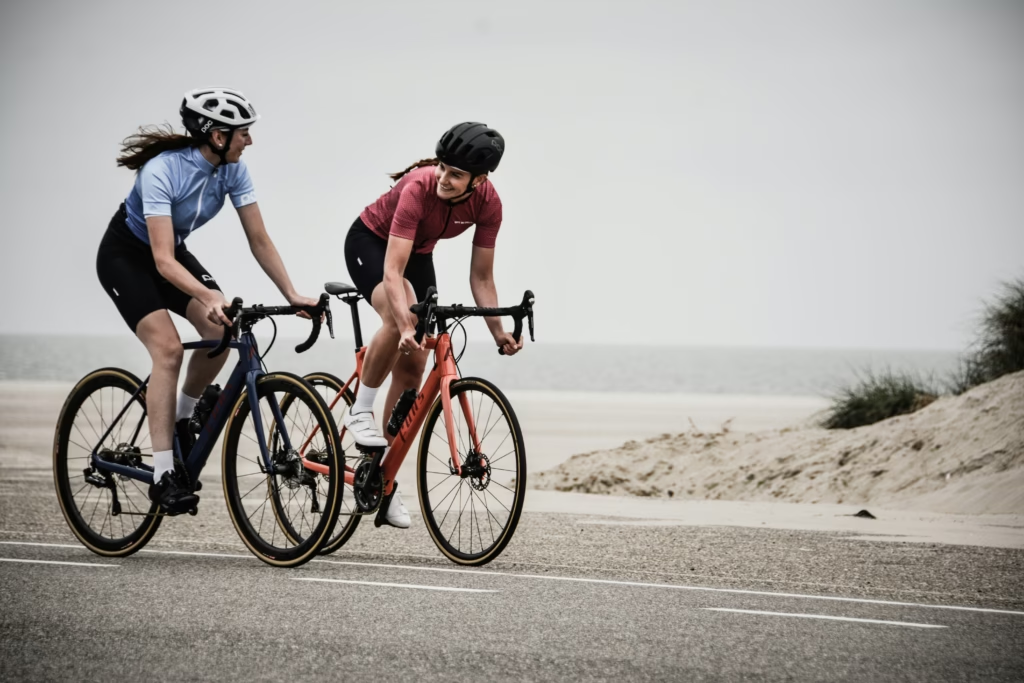
If you’re about to start cycling, you’ve probably asked yourself: Where do I begin? Well, if that’s the case, you’ve come to the right place. It doesn’t matter if you’re planning to ride every day or just on occasional weekends; the basics are always the same.
So, before you go to buy your riding gear and put that helmet on, let’s see what you actually need to know before you start cycling.

Find the Right Bicycle for Your Needs
First things first, you’re going to need a bike – obviously. But not all of them fit everyone, or a type of road and riding style, so you’re gonna need to find a bike that fits you.
There are some simple rules you should follow to make the bike fit like a glove.
First, think about where you’ll ride that bike. If most of your rides will be around the neighbourhood or into town, a simple hybrid or city bike is the right choice. If you picture smoother, longer routes, then a road bike might fit better.
If you want to go on trails or rough paths, that’s a job for a mountain bike.
And, of course, the bike has to fit your body and proportions. Your height is what determines the frame size, so don’t just pick a bike because “it looks right.” Even a small difference in frame size can make the ride feel uncomfortable, so it’s super important to get it right.
A quick test ride or a basic sizing check in a shop will tell you immediately if the bike fits your legs, arms, and posture the way it should, so that shouldn’t be a problem.
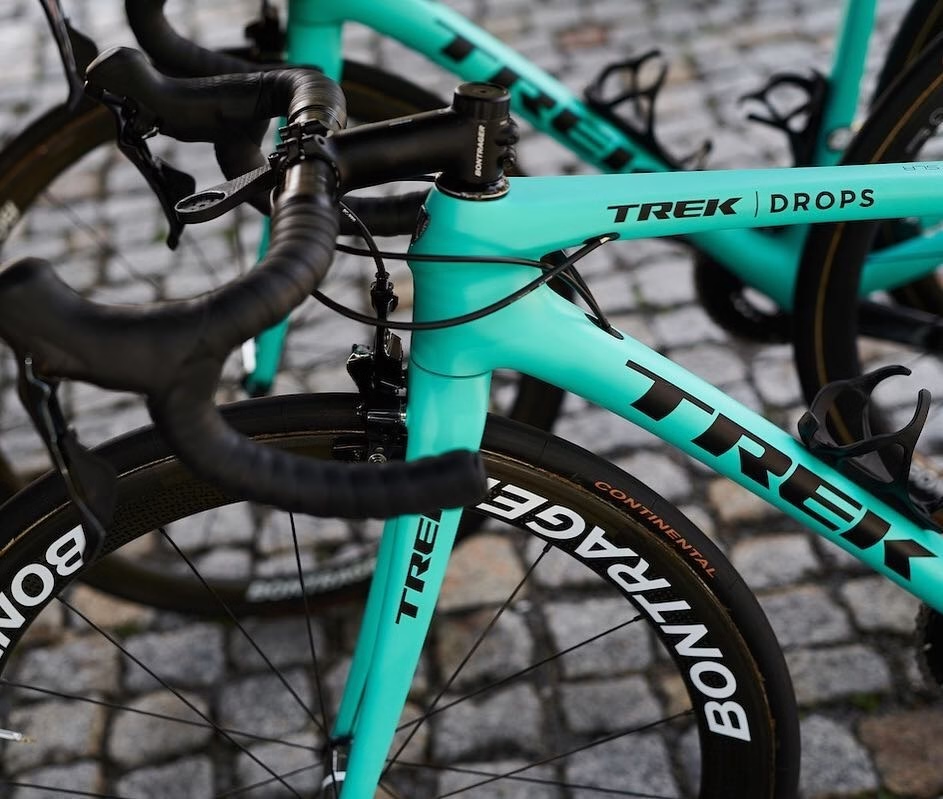
Get Comfortable With the Fit of the Bike
Once you have the bike, it’s time to take it out for a ride. Go somewhere quiet and pay attention to how your body feels. If your knees feel cramped or overstretched, the seat height may need a tweak. Or if you feel like you’re reaching for the handlebars, you’re probably too stretched out.
These are small adjustments, but they will make the difference between enjoying the bike and wanting to get off after just ten minutes.
The Gear You’ll Actually Need
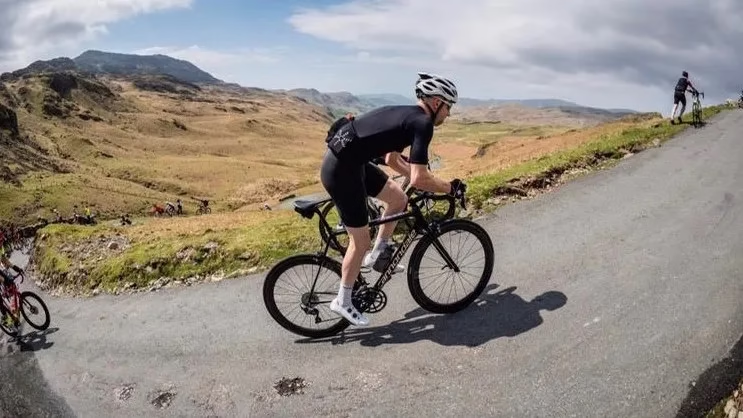
You don’t need much in the beginning. A helmet that fits you well, front and back lights so you’re seen, and a lock for your bike if you’re stopping somewhere – that’s about enough at the start. Add something reflective – a vest or some other accessories – for the night rides.
As for clothes, almost anything comfortable works. Most people ride in their everyday outfits, like shorts or tracksuits, (just avoid anything too loose to prevent catching the chain).
If you start riding longer distances later, that’s when you need to start thinking about padded shorts or cycling-specific clothing.
Start with Simple Routes and Stay Focused
At the start, pick routes that make you feel relaxed. A quiet street or even an empty parking lot will help you learn without the stress of traffic. And when you do ride on busier roads, the main goal is to stay visible and predictable. Don’t ride pressed against the gutter – give yourself some space to move around potholes or parked cars.
And stay focused – no phone, no music or other distractions on the bike. Safety is your number one priority, always.
Practice Whenever You Can
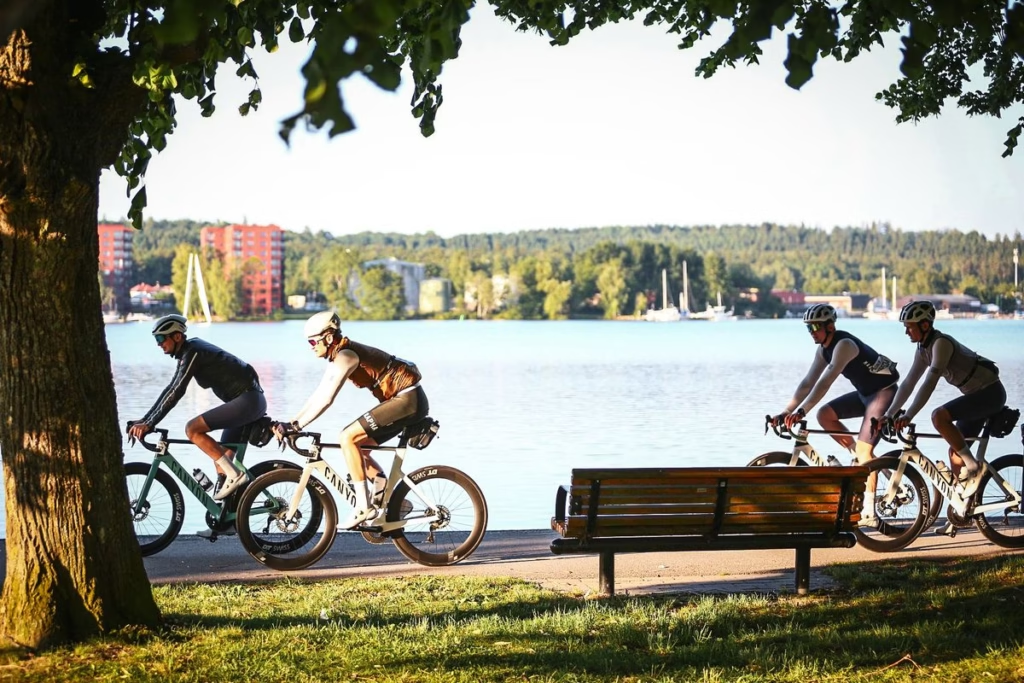
Your first few rides should be simple. Get used to starting smoothly and slowing down without jerking the brakes. Learn how to shift gears at the right time. Go steady, not fast.
After a couple of rides, these things stop feeling like skills and become automatic, so you’ll just do them without even noticing.
As for the longevity of the rides, it’s better to keep them short at first. Ten or fifteen minutes is perfectly fine. Do that a few times a week until it feels natural, then stretch one ride a bit longer.
If you stay consistent, the longer rides come naturally, without feeling forced, because you’ll actually enjoy the process!
Enjoy the Ride!
And there you have it – you’re officially a cyclist now! It’s important to stick with it, though, and it will become a thing of habit.
Once your body gets used to the movement and you feel more confident on the bike, everything else falls into place. Just start steadily, and in no time you’ll wonder why you didn’t do it sooner!