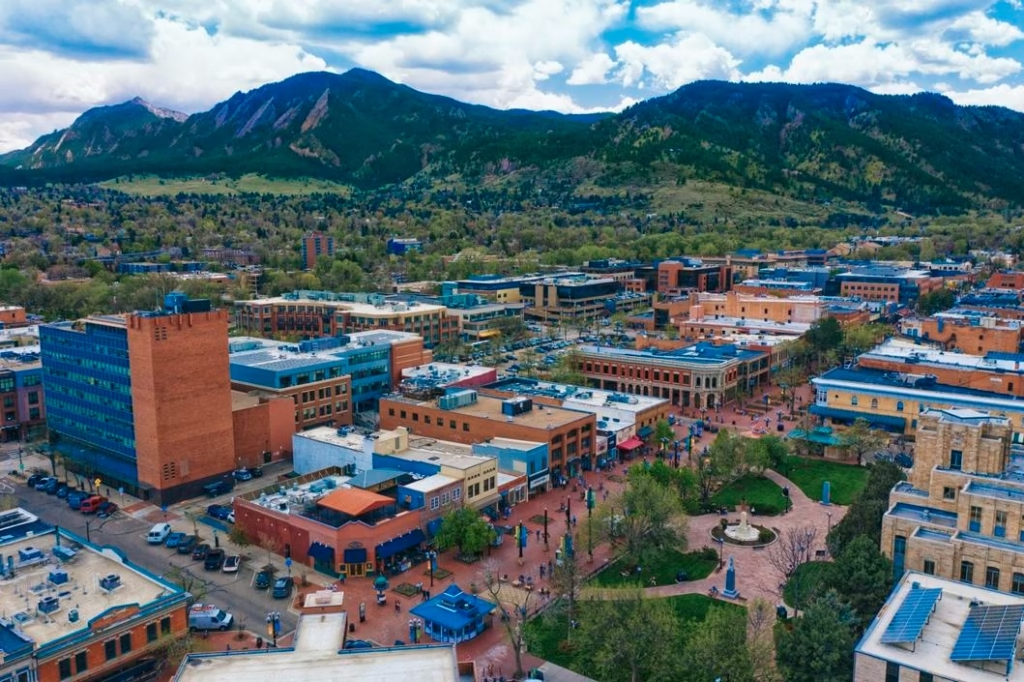
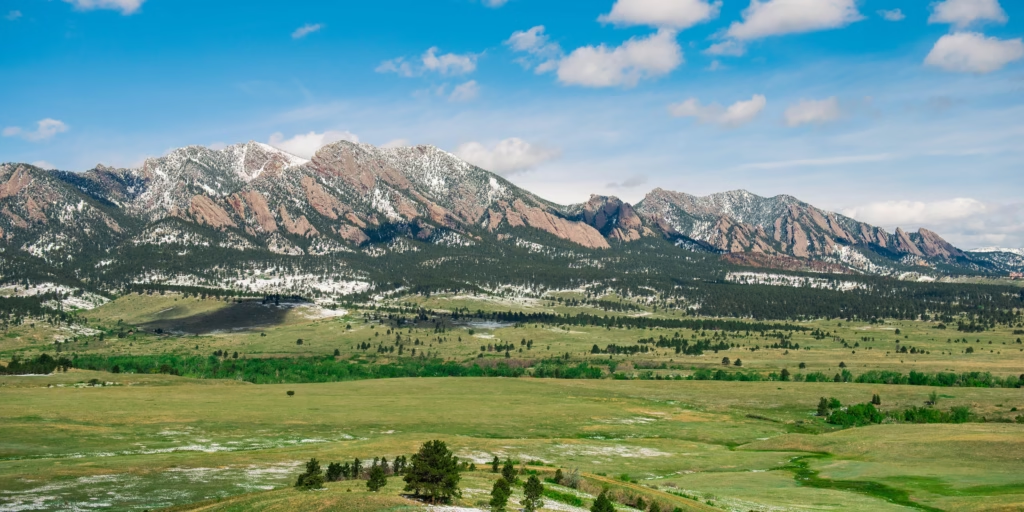
Boulder has a way of announcing itself quietly. The sky feels larger than expected, the light sharper, the air thinner in a way you notice only once you start moving. Even before turning a pedal, the Front Range looms with intent, a jagged horizon that suggests both invitation and consequence. This is not a place that flatters the legs, but one that rewards attention.
Rolling out from town, the streets empty quickly. Coffee shops give way to open space, and within minutes, the sense of being in a city dissolves. The mountains are suddenly close, their scale deceptive, their slopes folding back on themselves in ways that make it difficult to judge distance or effort. It feels like the start of a proper day on the bike.
Leaving Boulder behind
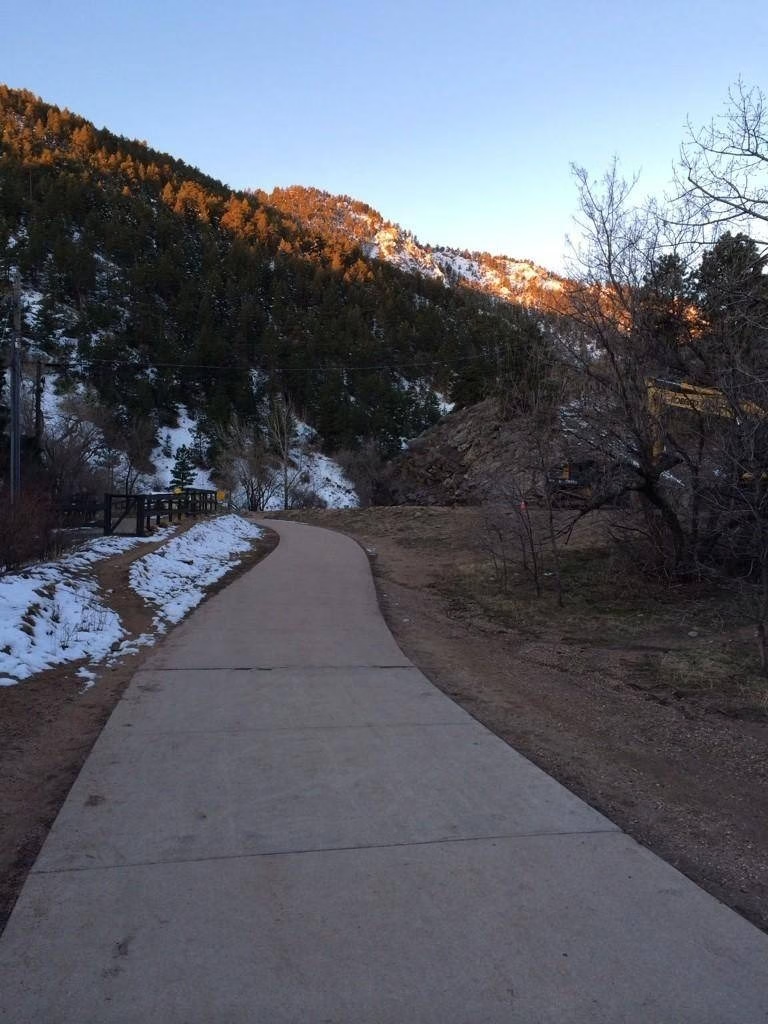
The transition from town to canyon is abrupt. One moment, there are bike lanes and traffic lights, the next the road narrows and the walls close in. Boulder Canyon carries you west with quiet authority, the creek running alongside the road, sometimes visible, sometimes only heard. The temperature drops noticeably here, cool air spilling down from higher elevations, brushing against skin already damp with effort.
The gradient is steady rather than sharp, enough to settle into a rhythm without demanding immediate negotiation. Cars pass steadily, and space is usually decent, but it still pays to ride alert. The sound of tyres on tarmac blends with rushing water and the occasional echo of voices from climbers high above the road. The rock faces rise steeply, dark and textured, catching sunlight in fractured patterns.
Climbing into the foothills
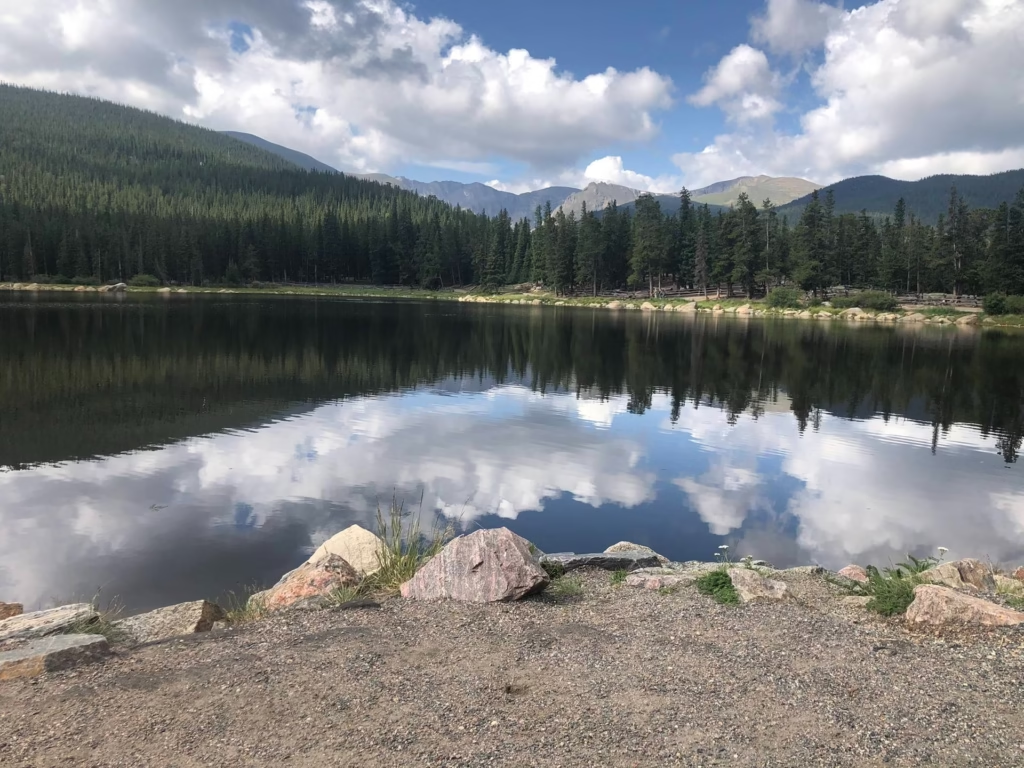
As the road begins to open out, the sense of enclosure lifts. Pines replace bare rock, the creek fades, and the climb starts to feel more intentional. Flagstaff Mountain announces itself not with brutality but with persistence. The road winds through forest, gradients shifting just enough to disrupt cadence, forcing small adjustments rather than wholesale surrender.
Riding solo here sharpens everything. Breathing becomes louder, more deliberate. Each bend invites a brief glance at the landscape before attention snaps back to the road. The surface is generally good, with the usual mountain-road grit in corners, scattered pine needles and patches of shade that keep you honest. The air is cooler now, thin enough that effort carries a slightly hollow feeling, a reminder that you are riding higher than many visitors are used to.
There is no single defining moment on this climb. Instead, fatigue accumulates quietly. Legs feel worked rather than burned, a deep heaviness that makes standing feel extravagant. And then, almost without ceremony, the road crests and the trees part.
A view that resets the effort
The view east over Boulder and the plains beyond is expansive to the point of abstraction. The city feels small, neatly contained, the grid dissolving into haze as it stretches towards the horizon. The scale of the landscape reframes the climb instantly. What felt demanding moments earlier now seems necessary, even modest, in exchange for this perspective.
The pause at the top is brief but meaningful. A sip from the bottle, a zip adjusted, a moment to let the heart rate settle. The quiet up here is different from the canyon below, softer, carried on wind rather than water. It feels earned.
Linking roads and changing moods
Dropping back down and looping north towards Sunshine Canyon, the ride takes on a different character. The road pitches more sharply here, the gradient irregular, the surface rougher in places. Sunshine does not pretend to be friendly. It asks questions early and often, ramps appearing without warning, forcing you out of the saddle and into short negotiations with yourself.
Houses cling to the hillsides sporadically, then disappear altogether. The sense of exposure increases as the road twists higher, views opening and closing with each turn. The sun feels closer now, the effort more direct. There is little shade, and the silence is broken only by breathing and the occasional bird lifting from the roadside.
The top of Sunshine Canyon lacks drama, but it delivers satisfaction. Not the sweeping vista of Flagstaff, but a quieter sense of having solved something difficult on its own terms.
Descending back towards town
The descent back towards Boulder is fast and focused. Corners arrive quickly, sightlines vary, and the surface demands attention. It is the kind of road that rewards restraint as much as confidence. Speed builds naturally, wind noise rising until it drowns out everything else, the temperature climbing with every metre lost.
As the road straightens and the city reappears, the ride gently loosens its grip. Traffic returns, the pace eases, and the body begins to catalogue the day’s work. Legs feel full, shoulders relaxed, the fatigue settling into something manageable and familiar.
Why the Front Range keeps pulling you back
Back in town, Boulder resumes its rhythm as if nothing has happened. Cafés are busy, runners drift past, bikes lean casually against railings. Yet the mountains remain, unchanged, waiting. What makes riding here compelling is not a single climb or view, but the way effort, altitude and landscape combine into something quietly demanding.
The Front Range does not overwhelm in the way high alpine passes can. Instead, it works on you gradually, through accumulation. Steady climbs, thin air, changing terrain. It is riding that rewards patience, awareness and a willingness to sit with discomfort. Long after the ride is over, that sense of space and clarity lingers.
Practical information
Location
Boulder sits at the base of Colorado’s Front Range, where the Great Plains meet the Rocky Mountains. The area offers immediate access to canyon roads, foothill climbs and higher mountain routes, all within minutes of town.
Riding
Classic routes include Boulder Canyon, Flagstaff Mountain and Sunshine Canyon, with longer loops linking into Left Hand Canyon or the Peak to Peak Highway. Roads range from smooth and flowing to narrow and irregular, with sustained climbing and frequent changes in gradient. Altitude plays a significant role in perceived effort, particularly for riders visiting from lower elevations.
When to go
Late spring through early autumn offers the most reliable conditions. Summer mornings are often best to avoid heat and afternoon storms. Even in warmer months, temperatures can drop quickly at elevation, especially on long descents.
Accommodation
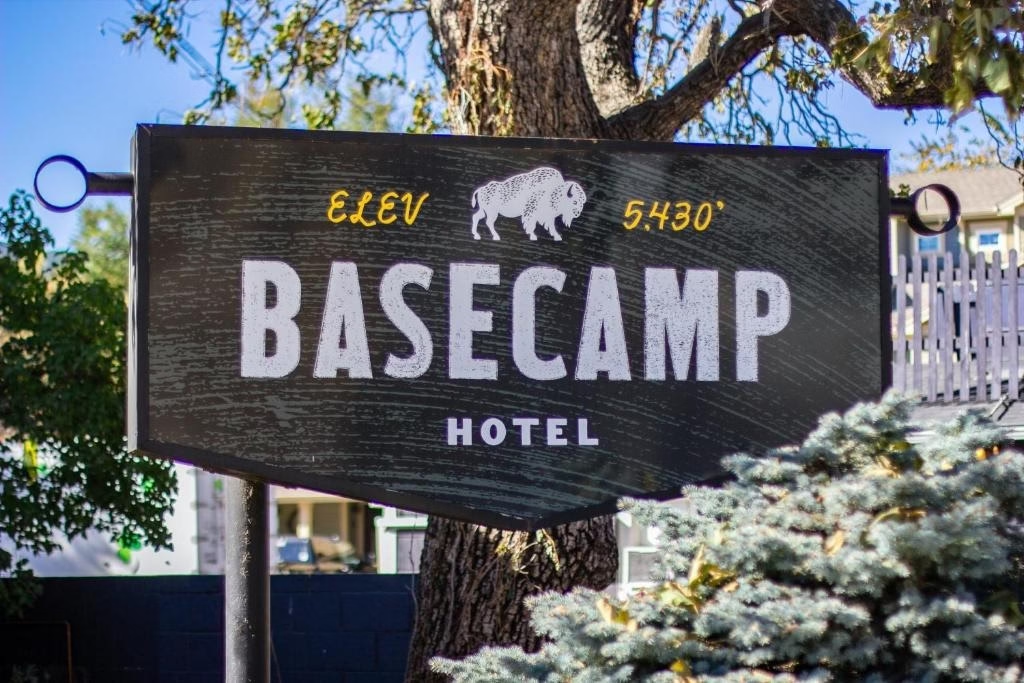
Basecamp Boulder is a strong choice for cyclists, positioned with outdoor adventure in mind. The hotel offers secure bike storage and easy access to routes towards Flagstaff and the canyon roads, making early starts straightforward. Boulder also has a wide range of other cyclist-friendly accommodation options, from downtown hotels to quieter stays closer to the foothills, with the west side of town offering the quickest access to climbing without navigating city traffic.