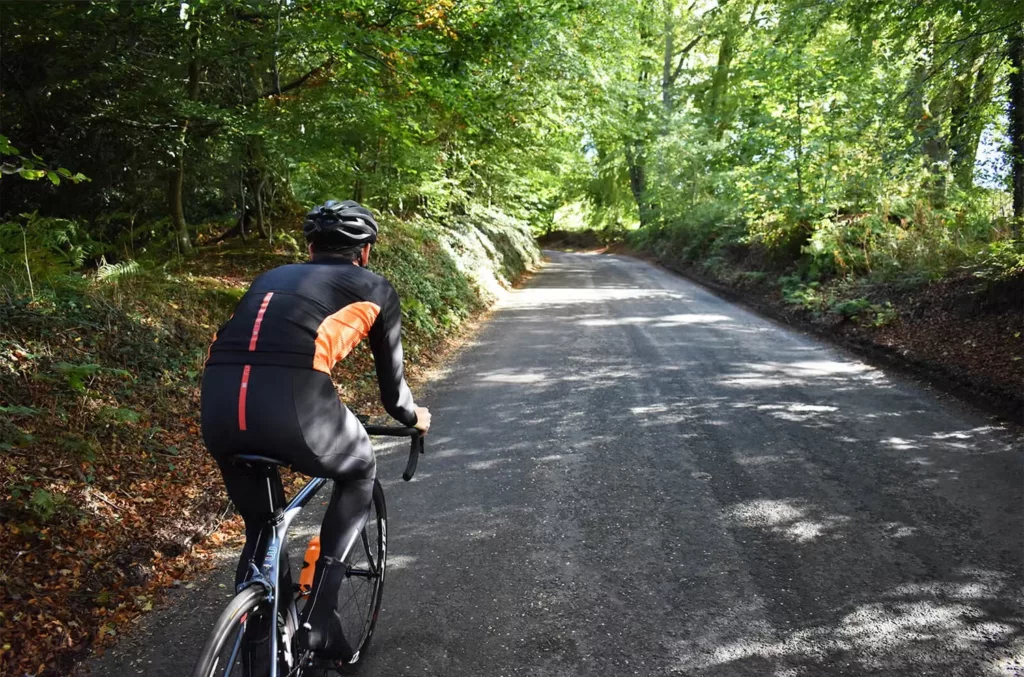
Winter is a brilliant season for riding, but it is undeniably the harshest on equipment. Grit, salt, standing water and long periods of damp weather work their way into every part of a bike. Even riders who are diligent in summer can find their maintenance slipping once the temperature drops. Yet the truth is simple: small, regular checks will always cost less time, money and stress than major repairs in the spring.
Drawing on years of professional workshop experience, here is a practical winter guide that mixes everyday habits with a few deeper preventative measures. Together, they will help your bike run cleaner, safer and far more reliably through the cold months.

Be careful with water and washing
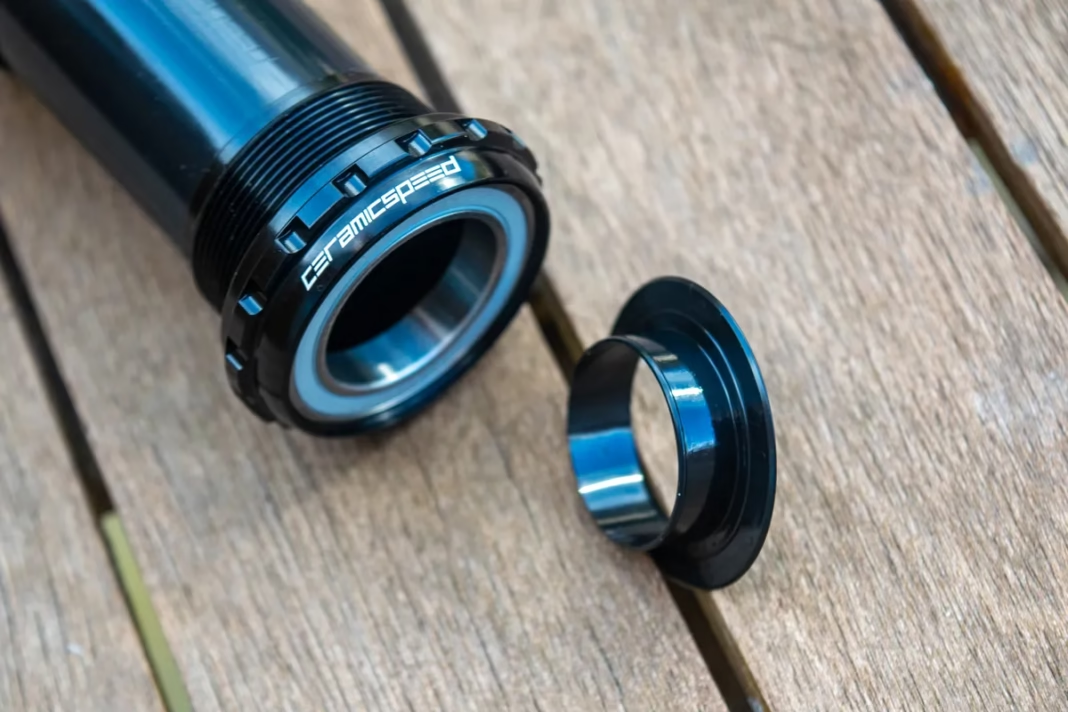
Plenty of riders assume that a spotless bike is a well-maintained bike, and while cleaning is important, too much water is one of the biggest causes of winter damage. Repeated soaking drives moisture into the headset, bottom bracket and frame, particularly where grease is already thin.
If you come home from a gritty ride, a light rinse is ideal to stop dirt from baking onto components. But avoid drenching the bike. Overwashing is behind countless rusted steerer tubes, pitted bearings and seized parts that end up costing far more than the dirt ever would have.
A small compressor, if you have one, is a far better way to clear water from tight spaces and is useful for tubeless set-ups too.
Clean drivetrains save money
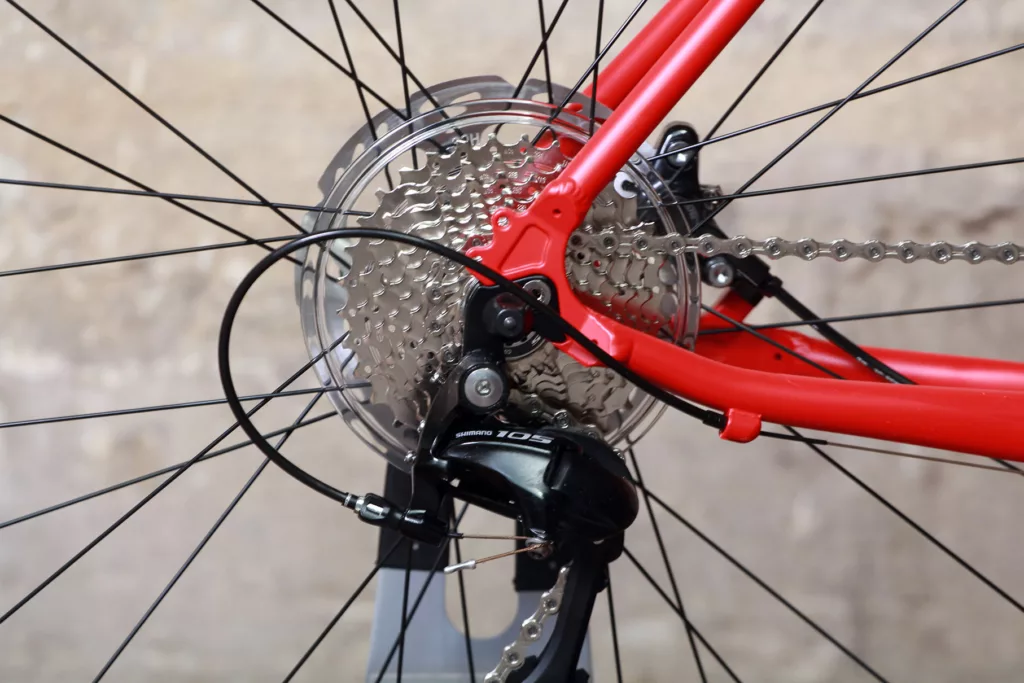
Your chain and cassette are vulnerable in winter. Wet roads throw grit and salt straight onto the drivetrain, and a heavily contaminated chain acts like grinding paste on your components. Keeping everything clean and lubricated makes a huge difference, not only in performance but in how often you need to replace parts.
Lubricant choice matters. A traditional wet lube picks up dirt quickly, which means more frequent cleaning. A good wax-based or hybrid alternative can keep things running smoother for longer and reduce the build-up that tends to destroy cassettes long before their time.
Prevent seizing with regular greasing
Two areas are notorious for seizing during winter: seatposts and thru axles. A stuck seatpost, especially in carbon frames, can turn into a workshop nightmare. Once a month, remove it, clean it thoroughly and apply grease or carbon assembly paste depending on the material.
Thru axles deserve the same treatment. Dirt and moisture collect in the threads over time, increasing the risk of them binding or creaking. A quick clean and fresh grease keeps everything moving freely.
Brake maintenance is a winter essential
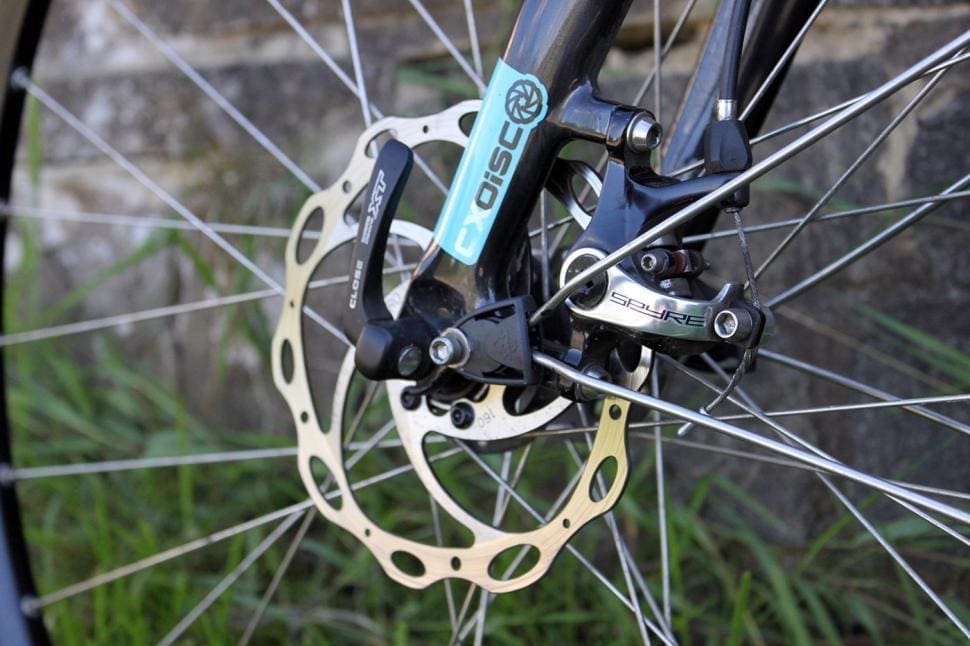
Stopping power is non-negotiable, yet brakes are one of the first areas to suffer when the weather turns. Disc brake pad-retention pins, especially Shimano’s aluminium versions, can seize in place surprisingly quickly. Left unattended, they may need to be drilled out – an expensive problem for something that takes seconds to prevent.
Remove the pin every couple of weeks, wipe it clean and apply a light smear of grease or anti-seize. It is a simple job that eliminates one of winter’s most common workshop disasters.
Rim brake riders should check pads for aluminium shards, which embed themselves in the rubber and gouge rims under braking. A few careful minutes with a pick or blade to clear them keeps braking consistent and prolongs rim life.
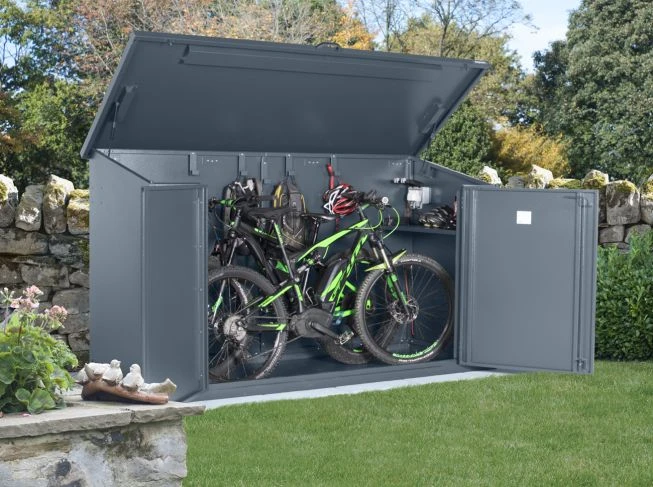
Think about where your bike lives
Even a perfectly washed and greased bike will suffer if it spends winter in a damp garage or uninsulated shed. Cold, moisture-laden air promotes condensation and surface rust on bolts, spokes and exposed metal surfaces.
If improving the space is not an option, cover the bike with a breathable waterproof cover and spray vulnerable areas with a light protective coating. Many riders blame winter rides for corrosion that actually develops while the bike sits still.
Keeping a bike running well through winter is not about deep overhauls or major workshop sessions. It is about small, sensible habits applied regularly: mindful washing, targeted greasing, drivetrain care, brake checks and protecting the bike from damp.
Stay on top of these and your bike will stay quieter, smoother and far more reliable – right through to the first warm rides of spring.