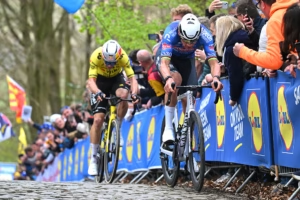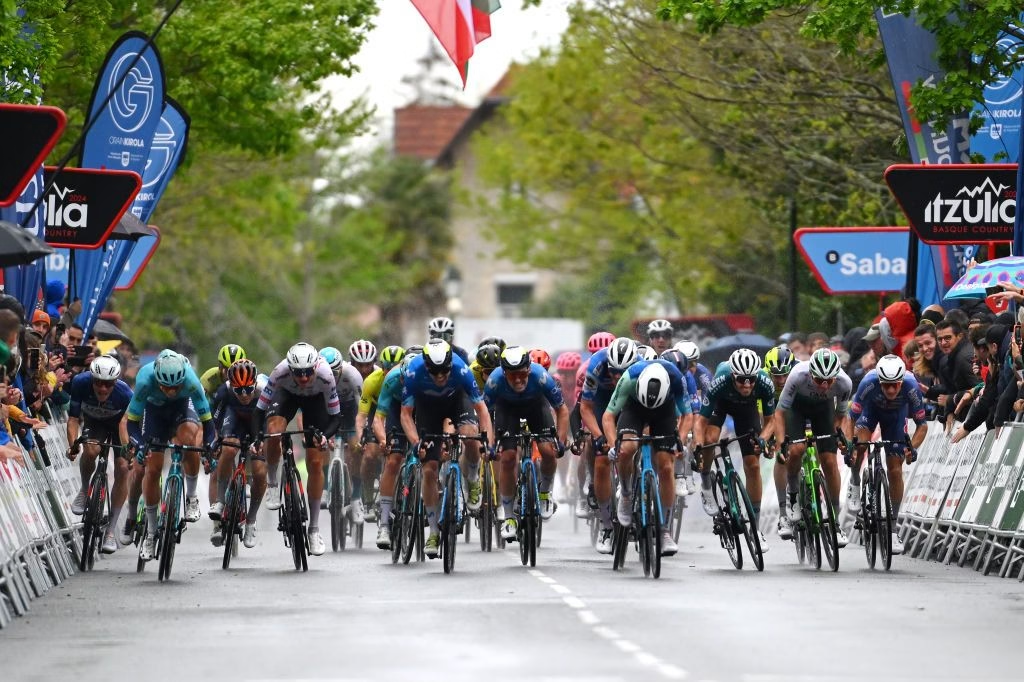
Itzulia Basque Country 2026 lands in one of the most revealing parts of the spring calendar. Coming just after the cobbled run and before the season shifts more fully towards the Grand Tours, it often gives an early indication of which climbers and general classification riders are genuinely settling into shape. That is what makes the start list more interesting than a simple roll call of names. This race tends to expose who is really ready for a demanding week of climbing, repeated accelerations and tactical pressure.
That usually gives Itzulia a slightly different feel from other week-long stage races. It is not only about the biggest headline rider or the strongest team on paper. The Basque roads have a habit of forcing races open, and the route often rewards depth, resilience and the ability to handle uncomfortable changes of rhythm. A rider can arrive with strong form from March, but this race still asks a different set of questions.
Why this start list matters
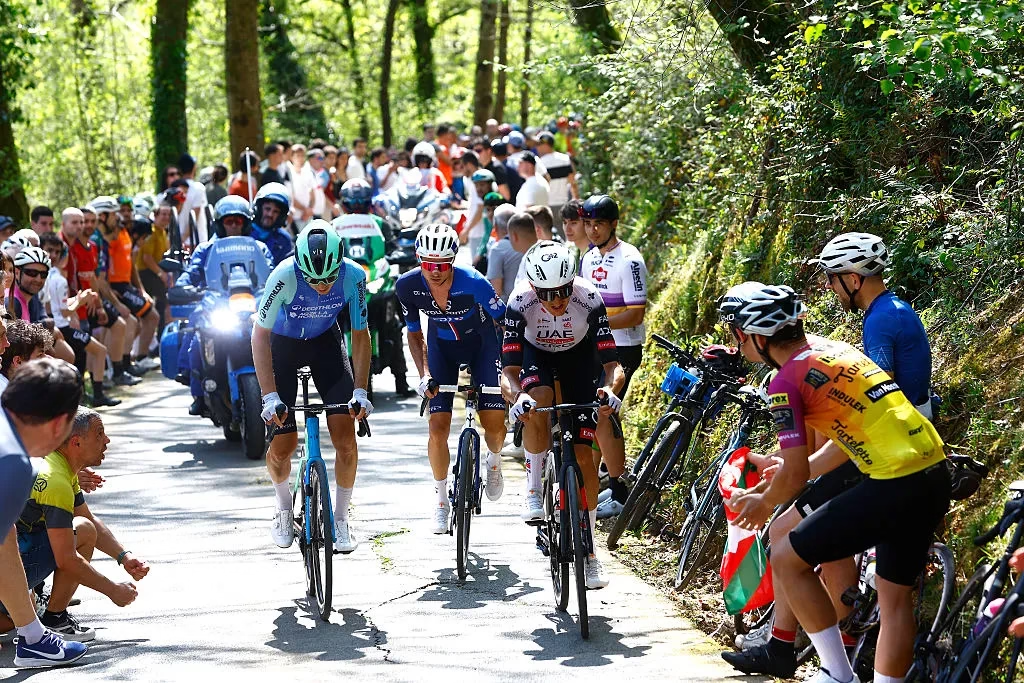
The strength of the field matters in Itzulia because the race is rarely won by reputation alone. It tends to reward riders who can cope with steep roads, aggressive racing and a week where there are very few easy moments. Some teams come with a clear leader for the overall classification. Others arrive with a more layered structure, perhaps one rider for the time trial, another for punchier uphill finishes, and another who could rise into contention if the race becomes more selective than expected.
That is often where the start list becomes most revealing. It is not just about the favourites at the top of the betting, but about which teams have enough climbing depth and tactical flexibility to manage six demanding days in the Basque Country. In a race like this, a strong supporting cast can matter almost as much as the headline leader.
What sort of race Itzulia usually creates
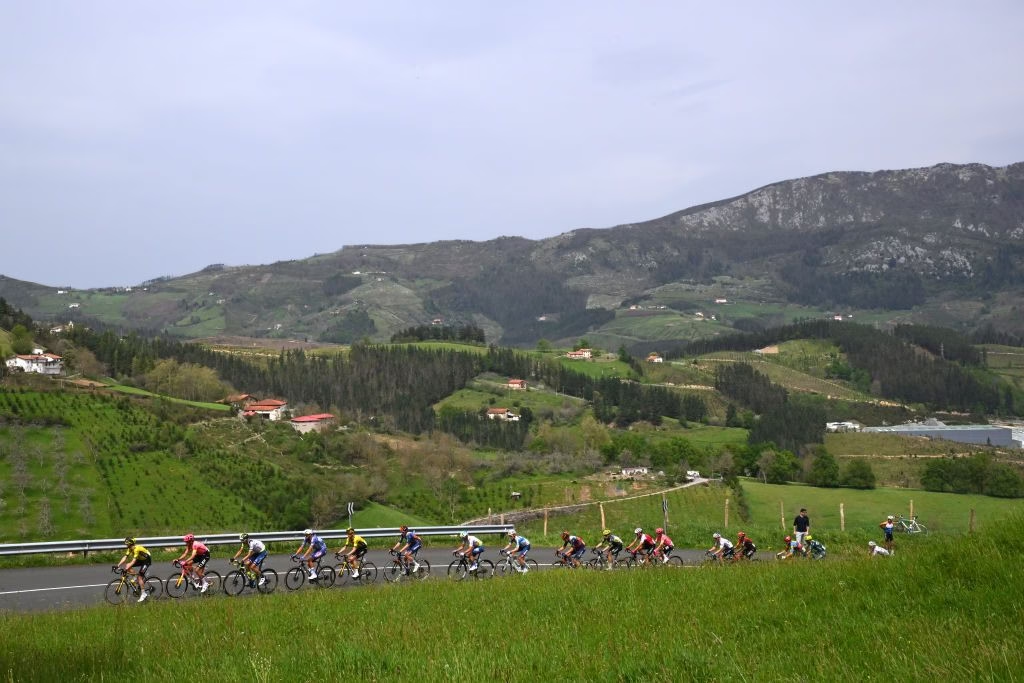
Itzulia Basque Country has built its reputation on stages that often feel harder than their distance first suggests. The roads are constantly shifting, the climbs are punchy rather than theatrical, and the rhythm of the racing is often awkward in exactly the way that makes it selective. Riders are rarely allowed to settle for long.
That is part of why the race is so respected. It does not need a giant summit finish every day to create meaningful gaps. Instead, it usually produces a week where positioning, timing and consistency matter almost as much as outright climbing strength. For readers looking at the start list, that makes the supporting riders especially worth paying attention to, because they often shape how the race is controlled or how it escapes control.
Where Itzulia fits in the season
This race also sits at an important point in the spring. By early April, the cobbled specialists are beginning to move out of focus, and attention starts to turn towards stage racers, puncheurs and climbers. Itzulia helps bridge those phases of the season. It often gives a first proper look at how some of the sport’s bigger stage-race names are building towards later goals, while still retaining the intensity and unpredictability that marks out the spring calendar.
That gives the start list a little extra weight. A strong ride here can say a lot about a rider’s level, even beyond the result itself. Equally, a team that looks balanced and dangerous in the Basque Country often carries that momentum forward into the next part of the season.
What to look for in the line-up
When reading the field, the obvious place to start is with the main general classification contenders. After that, it is worth looking at which teams have brought real climbing support, which squads have more than one viable card to play, and which riders could become dangerous if the race turns aggressive earlier than expected.
That is often where Itzulia becomes particularly interesting. The biggest name does not always have the strongest team, and the strongest team does not always have the clearest leader. Over six days, those differences can become decisive.
For readers following the wider spring on ProCyclingUK, this piece fits naturally alongside the Men’s Paris-Roubaix 2026 route guide, the How to watch Ronde van Vlaanderen 2026 in the UK, the A brief history of Men’s Amstel Gold Race, and the Beginner’s guide to Men’s Liège-Bastogne-Liège 2026, as the spring calendar moves from the cobbles towards hillier one-day races and stage-racing terrain.
Below is the full start list for 2026 Itzulia Basque Country Tour. As always with stage races, the published field should be read as the latest available line-up rather than an absolutely final one, because late withdrawals can still happen before the opening stage.
Data powered by FirstCycling.com