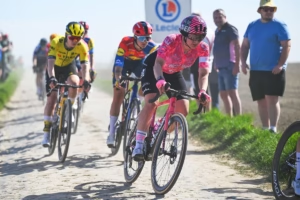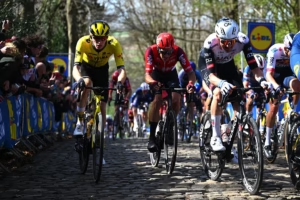
The Giro d’Italia Women will deliver its toughest and most ambitious edition yet in 2026, with RCS Sport unveiling a nine-day route that stretches from Emilia Romagna to Piedmont and covers 1,153.7 kilometres and 12,500 metres of climbing. The race begins on 30 May in Cesenatico and closes on 7 June in Saluzzo, with two summit finishes and a queen stage that will enter race history: the first ascent of the Colle delle Finestre, designated the Cima Alfonsina Strada.
The unveiling in Rome brought together a host of names from Italian sport and politics alongside past Giro champions. Elisa Longo Borghini, winner of the last two editions, was among those present as anticipation grows for a race that appears deliberately designed to stretch the general classification contenders to their limits.
Below is a full breakdown of what awaits the peloton.
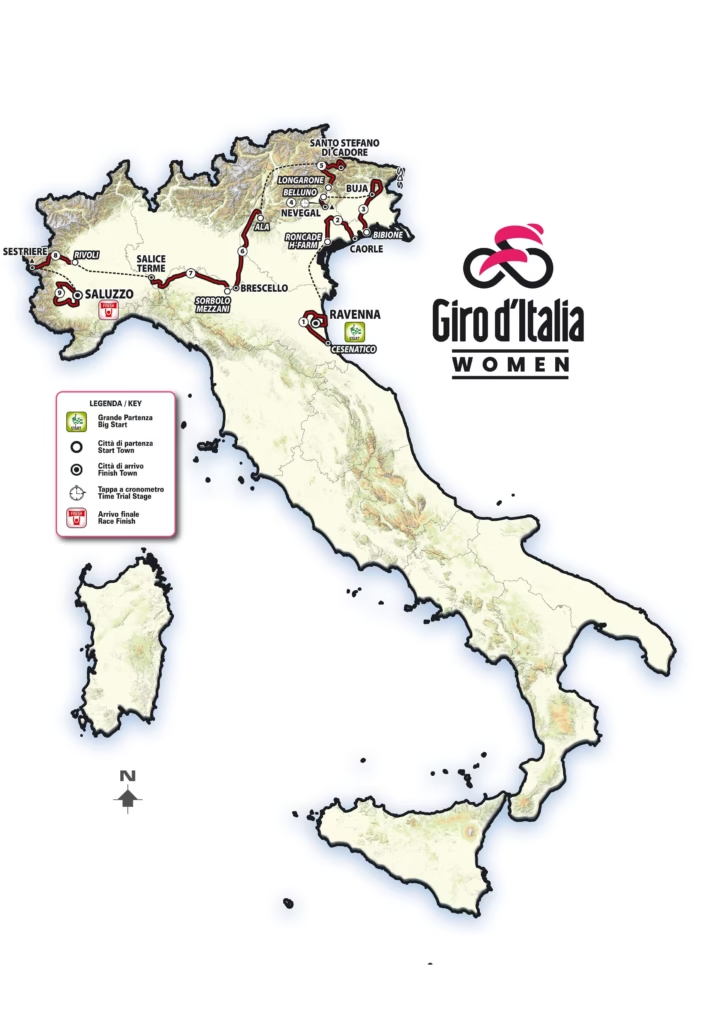
Stage-by-stage overview
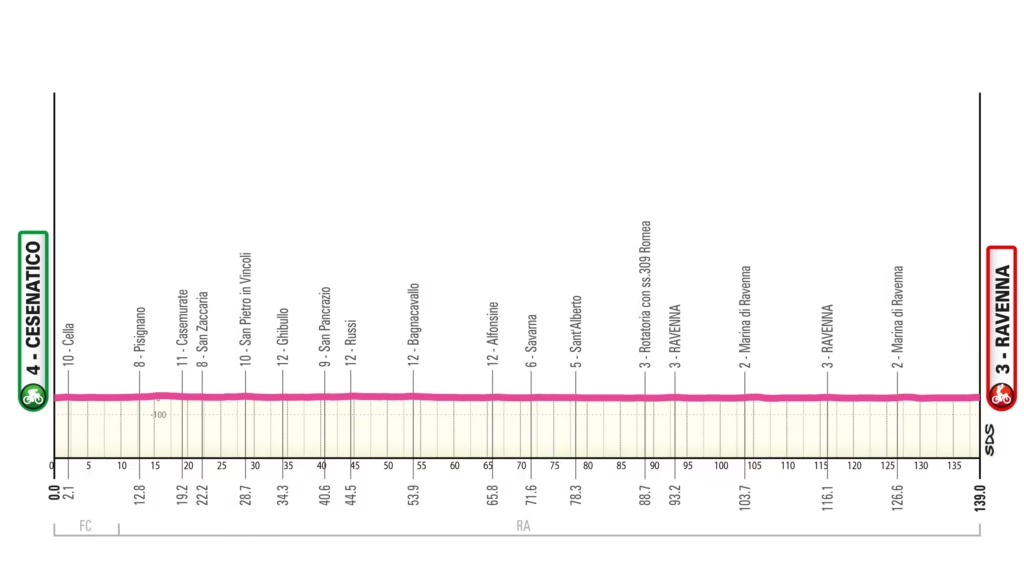
Stage 1 – Cesenatico to Ravenna – 139 km
A flat opening day offering the pure sprinters a near-certain opportunity. The peloton leaves Cesenatico and heads north across the Ravenna plain, skirts the Comacchio Valleys, then takes on two finishing circuits of 23 kilometres.
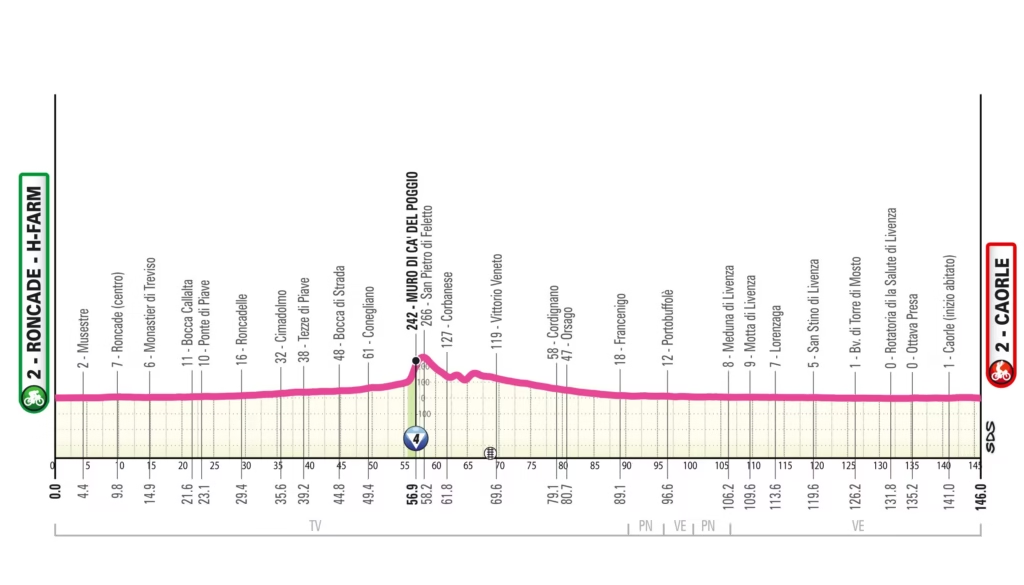
Stage 2 – Roncade H-Farm to Caorle – 146 km
Another sprint-friendly stage, despite the Muro di Ca’ del Poggio providing the only major interruption to an otherwise flat profile. Once over the climb, the run along the Livenza River to Caorle should regroup the field.
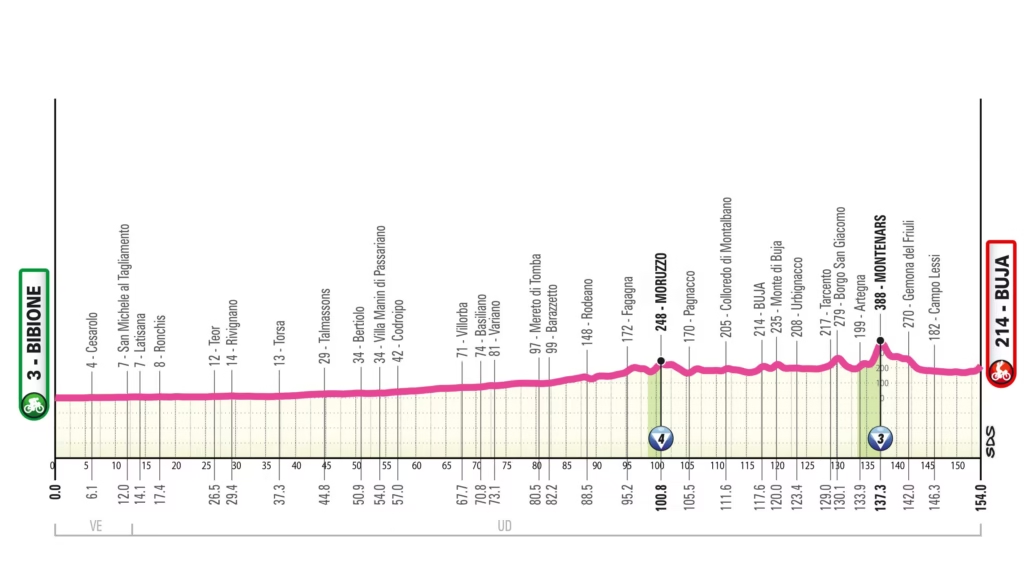
Stage 3 – Bibione to Buja – 154 km
The first test of the all-rounders. The finale features a hilly 36-kilometre circuit with repeated short, steep climbs, including Montenars at 18 kilometres to go. Punchy climbers will see this as an early chance to force gaps.

Stage 4 – Belluno to Nevegal (Tudor ITT) – 12.7 km
The first summit finish comes in the form of a brutal mountain time trial, echoing Alberto Contador’s iconic ride here in 2011. After a short descent out of Belluno, the climb unfolds in three acts:
- 3 km at around 3 per cent
- 4 km at over 10 per cent, with pitches touching 14 per cent
- 2 final kilometres that demand every remaining watt
The time gaps here will shape the GC.

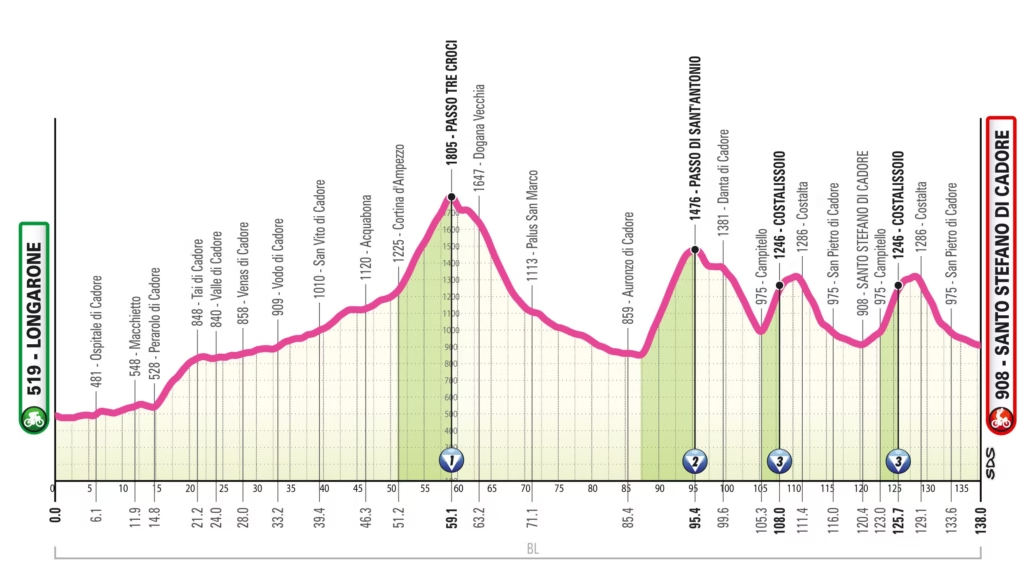
Stage 5 – Longarone to Santo Stefano di Cadore – 138 km
A full Dolomite battle with four classified climbs and almost no recovery. The route takes in Passo Tre Croci and Passo di Sant’Antonio before a double ascent of Costalissoio inside the final circuit.
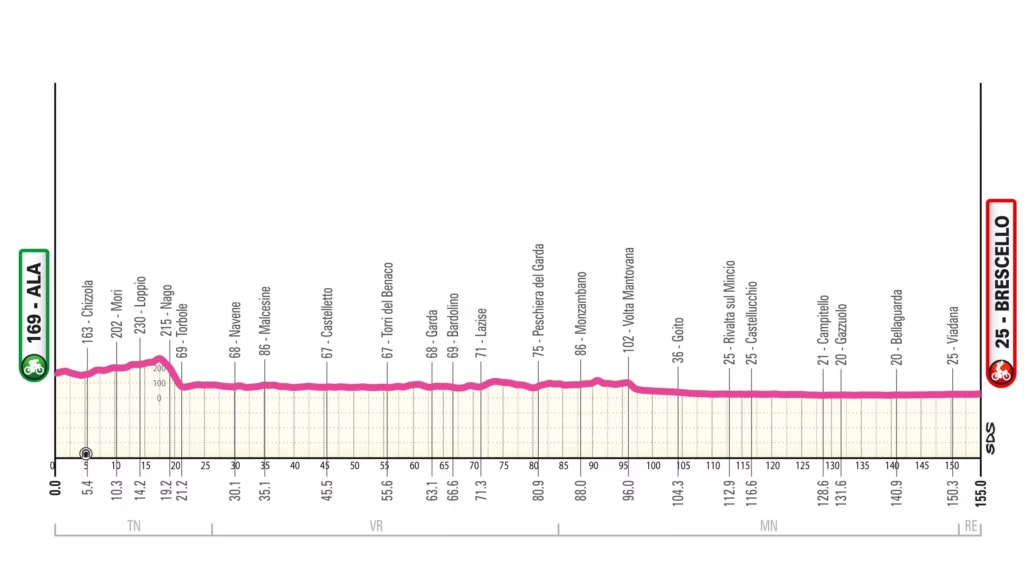
Stage 6 – Ala to Brescello – 155 km
A return to flatlands and an expected sprint. The race runs between the Adige and Lake Garda, then crosses the plains of Verona and Mantua before heading south across the Po.
Stage 7 – Sorbolo Mezzani to Salice Terme – 165 km
The longest stage of the race. After a flat opening half, the route turns into the Val Tidone and tackles the steep ramps of Pietragavina and Castello di Oramala. A day for breakaways or a reduced-group sprint.
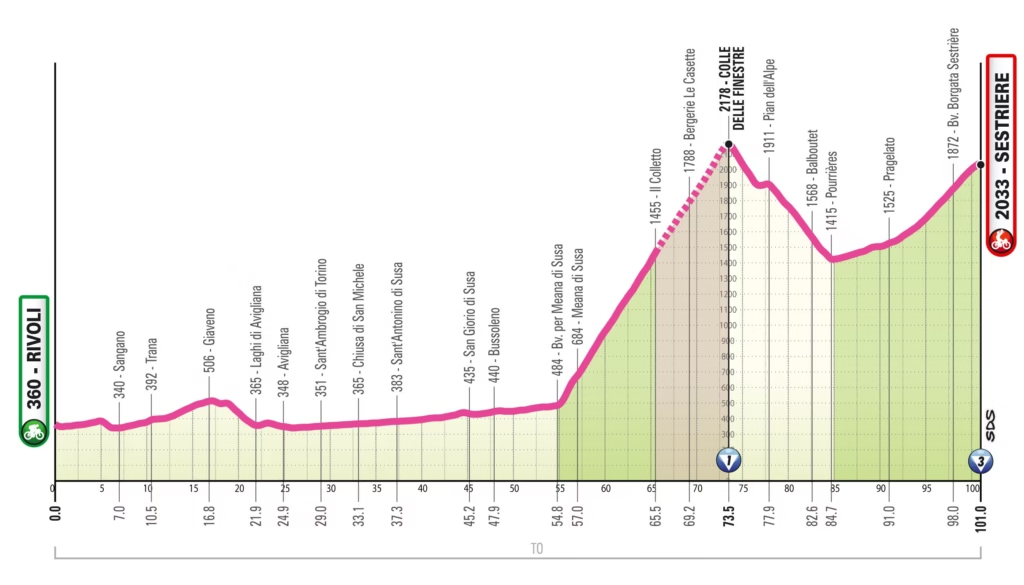
Stage 8 – Rivoli to Sestriere – 101 km
The queen stage and the most historic moment in Giro d’Italia Women history.
The peloton climbs the Colle delle Finestre for the first time, with its mix of tarmac and gravel and an average of roughly 9 per cent over 18 demanding kilometres. The gravel switchbacks, the altitude and the early 14 per cent ramps will shatter the race.
A long descent follows before the final climb to Sestriere, where the GC will be decided.
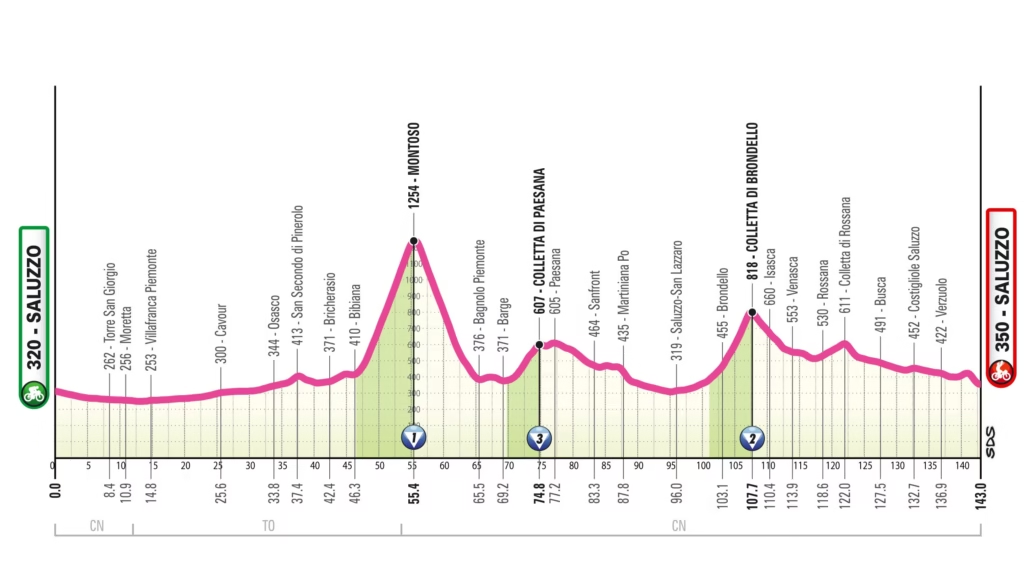
Stage 9 – Saluzzo to Saluzzo – 143 km
A rolling finale with three climbs – Montoso, Colletta di Paesana and Colletta di Brondello – packed into the middle section. The final kilometres are slightly downhill, giving room for a late attack or a last GC tussle if gaps remain small.
A route built for a climber’s Giro
The 2026 edition is designed with clear intent. The combination of a mountainous time trial, relentless Dolomite climbing and the Finestre-Sestriere double is the toughest the race has seen since RCS took over organisation. The GC will reward the most complete rider, one who can climb, time-trial and endure repeated high-altitude efforts.
Sprinters will find opportunities early in the race, but once the route reaches the mountains, the pressure on the climbers will be intense across four consecutive decisive days.
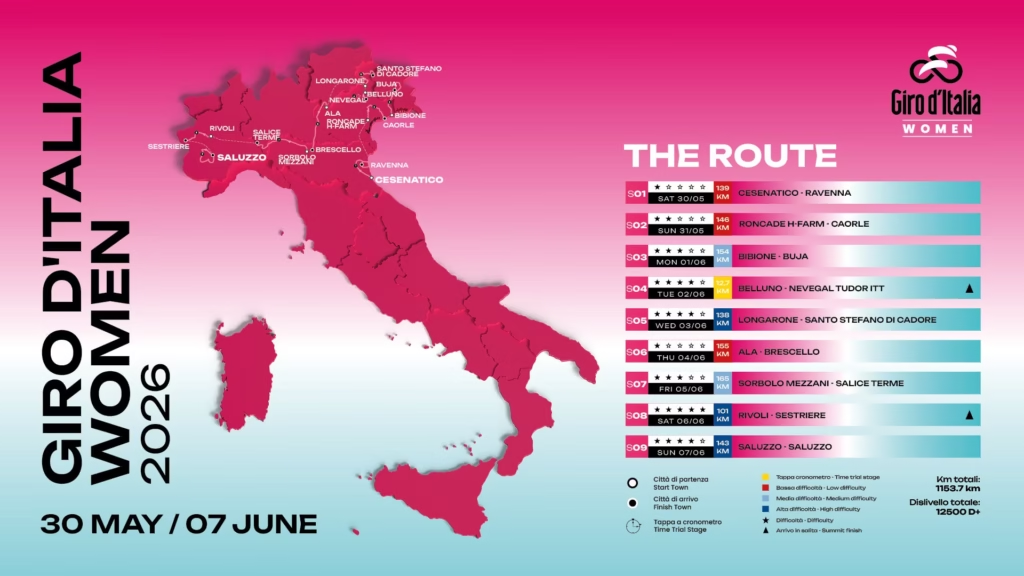
Giro d’Italia Women 2026 stage list
| Stage | Date | Route | Distance |
|---|---|---|---|
| 1 | 30 May | Cesenatico – Ravenna | 139 km |
| 2 | 31 May | Roncade H-Farm – Caorle | 146 km |
| 3 | 1 June | Bibione – Buja | 154 km |
| 4 | 2 June | Belluno – Nevegal (Tudor ITT) | 12.7 km |
| 5 | 3 June | Longarone – Santo Stefano di Cadore | 138 km |
| 6 | 4 June | Ala – Brescello | 155 km |
| 7 | 5 June | Sorbolo Mezzani – Salice Terme | 165 km |
| 8 | 6 June | Rivoli – Sestriere | 101 km |
| 9 | 7 June | Saluzzo – Saluzzo | 143 km |