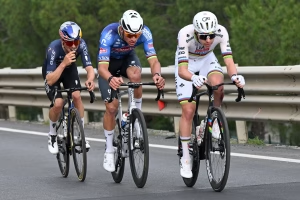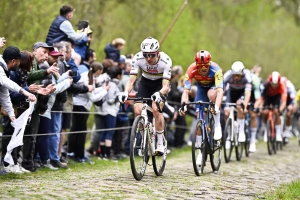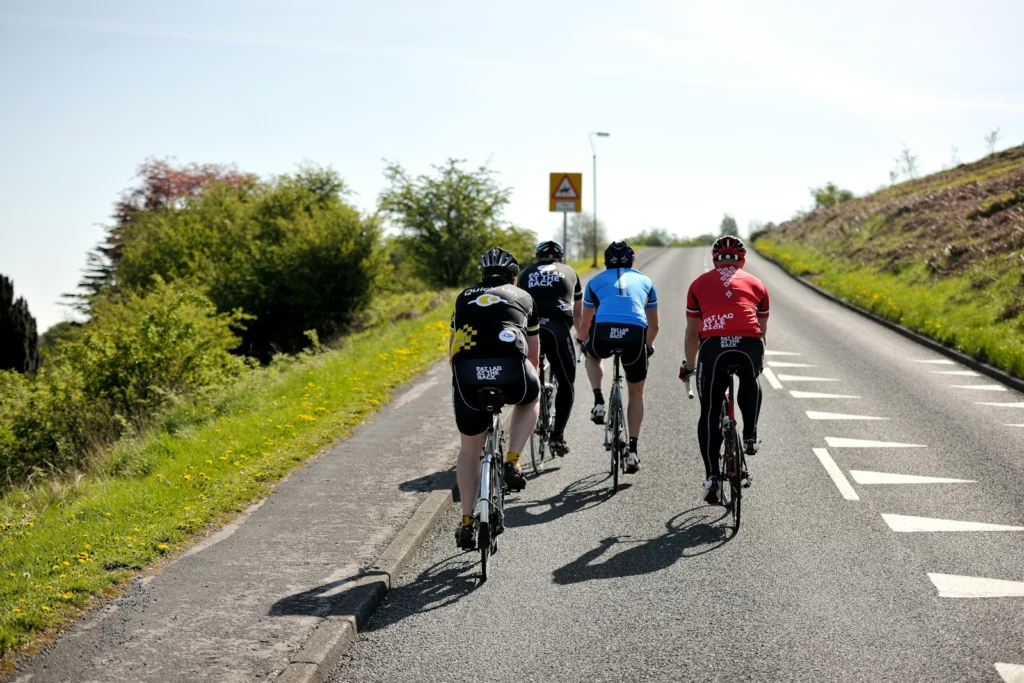
Group rides work because everyone buys into the same basic agreement: ride predictably, look after each other and respect the flow of the group. When that agreement holds, even a long ride feels smooth and relaxed. When it breaks down, frustration builds quickly, and the ride becomes tense. Most of the time, the problem is not speed or fitness, but small behaviours that make others feel unsafe or forced to react.
Good etiquette is not about being perfect. It is about awareness and making choices that help the group function as a whole.
Ride predictably and control the pace
Predictability is the foundation of safe group riding. Riders behind you rely on your movements to be smooth and consistent. Sudden swerves, drifting across the road or changing line without warning create chain reactions that travel through the bunch.
Hold a straight line and make changes gradually. If there is debris or a pothole, signal it and move smoothly rather than darting around it. Avoid overlapping wheels, especially when riding close together. Keeping your front wheel behind the rear wheel of the rider in front gives you room to react if they slow or adjust their position.
Speed changes should be gentle and planned. Look ahead and ease off the pedals early when approaching junctions or bends. Sharp braking is one of the quickest ways to cause problems in a group. If you need to slow significantly, call it early so the message travels backwards through the riders.
When you reach the front, the responsibility increases. Your job is to hold the agreed pace, not raise it. Riding harder at the front stretches the group and forces others to chase. A good turn on the front feels almost uneventful. That is a sign you are doing it right.
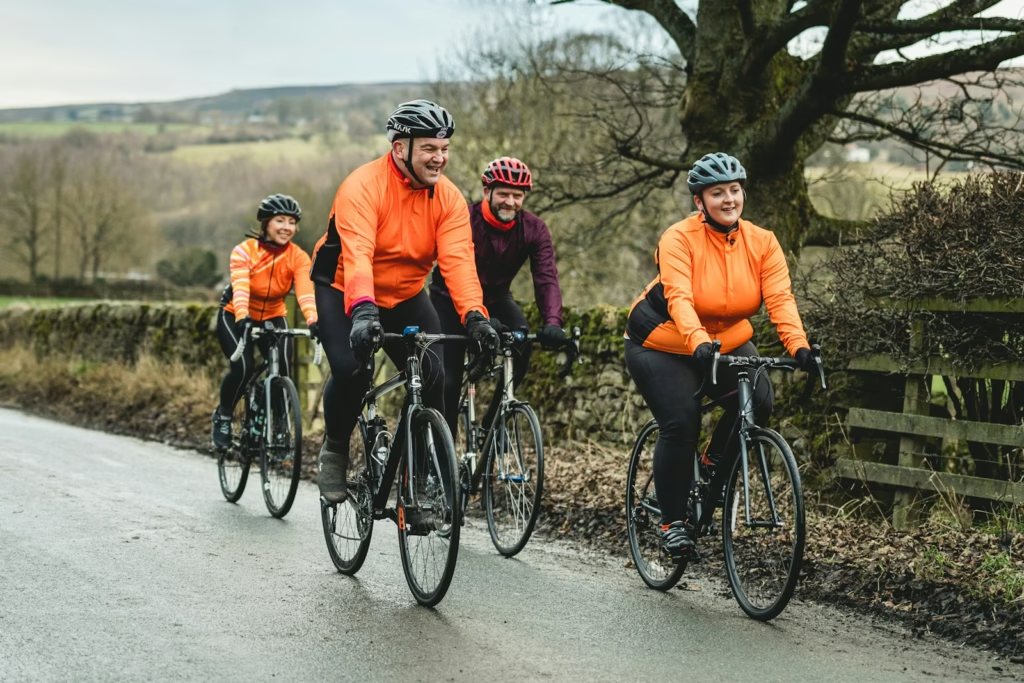
Communicate clearly without overdoing it
Communication keeps a group calm. It does not need to be constant or loud, but it does need to be clear and consistent. Simple calls such as slowing, stopping or car back help everyone anticipate what is coming next.
Pointing at hazards is usually more effective than swerving around them. A clear signal gives riders behind time to adjust their line safely. If you are new to group riding, listen carefully to the calls others use and copy them. Matching the group’s language makes everything smoother.
Equally important is body language. A glance over the shoulder before moving position, or a subtle hand movement when easing off, helps riders read your intentions even when verbal calls are hard to hear.
Respect space and avoid crowding
Riding close together requires trust. That trust disappears quickly if riders feel crowded. Half-wheeling, where you edge slightly ahead of the rider next to you, forces the pace to increase and creates quiet tension. Keep handlebars level when riding two abreast and be conscious of your position within the group.
Leave small gaps rather than sitting directly on wheels if you are unsure. It is better to be slightly conservative than to make others nervous. Give extra space on rough roads, in crosswinds or when the group is tired.
When you need to eat, drink or adjust clothing, choose moments when the pace is steady and the road is straightforward. Avoid doing this on descents or through busy junctions. If you need to stop for any reason, call it clearly and move out of the group so the flow is not disrupted.
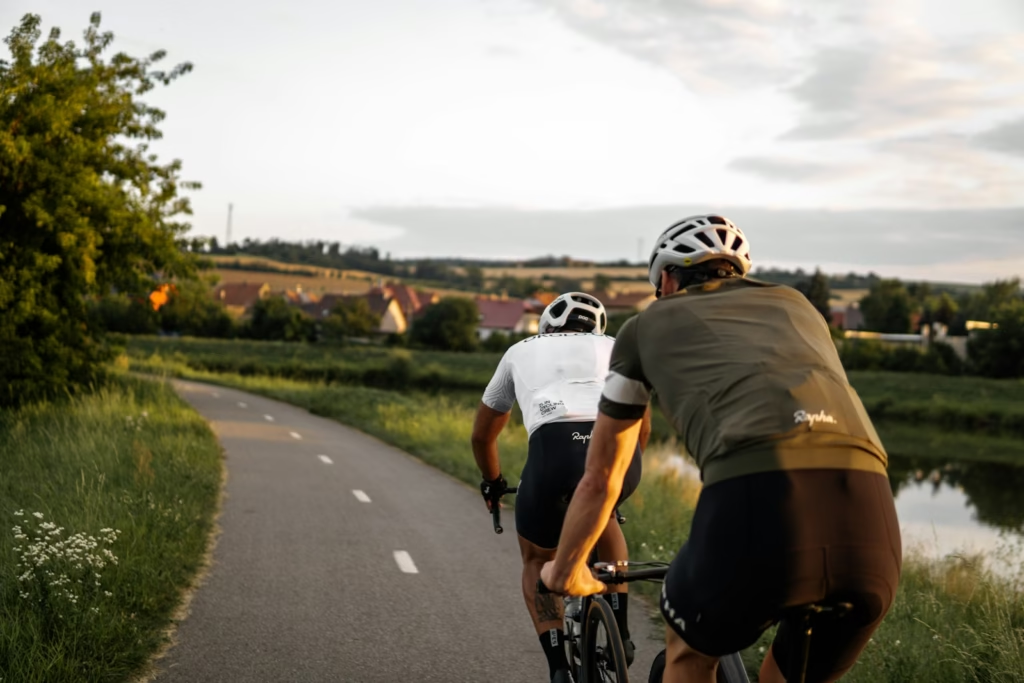
Ride to the purpose of the group
Every group ride has an intention, even if it is not written down. Some are social and inclusive, others are faster and more structured. Problems arise when riders ignore that purpose.
If the ride is described as no-drop, the focus is on staying together. That means easing the pace after climbs, waiting at junctions and checking that everyone is still present. If the ride is faster or training-oriented, expect harder efforts and less regrouping.
Neither style is better. What matters is aligning your riding with the group you have joined. Turning a steady ride into a race, or expecting a fast ride to slow down constantly frustrates everyone involved.
Own mistakes and learn quickly
Everyone makes mistakes, especially when learning to ride in groups. What matters is how you respond. A brief apology and a visible adjustment show awareness and respect. Defensive reactions or excuses tend to exacerbate the situation.
Group riding is a skill learned over time. Most experienced riders are patient with newcomers who are clearly trying to do the right thing. Listening, watching and adapting are part of the process.
Final thoughts
Good group ride etiquette is not about showing experience or strength. It is about making the ride smoother, safer and more enjoyable for everyone around you. Ride predictably, manage your speed, communicate clearly and respect the purpose of the group.
Do those things consistently, and you will not just avoid annoying others. You will become a rider people trust, and that trust is what turns a group of individuals into a proper group ride.