Riding in a group is one of the most enjoyable parts of cycling, but it only works when everyone understands the same signals, holds a steady line and respects the space of the riders around them. Good group riding feels smooth and calm, even when the wheels are close together, because the communication is clear and the behaviour is predictable. This guide covers the core skills every rider needs to ride safely and confidently in a bunch.
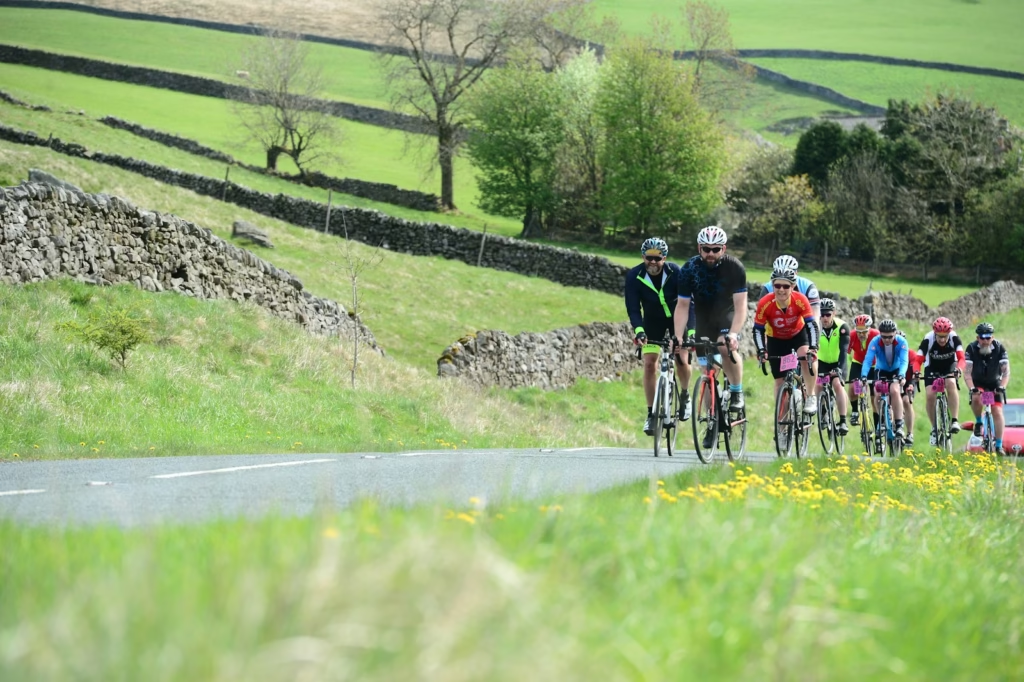
Why communication matters
When you ride close to others, you cannot always see hazards or changes in pace. You rely on the riders in front to warn you, and they rely on you to pass those warnings back. The aim is not noise or constant commentary, but timely, simple signals that travel through the group without confusion.
Hand signals do most of the work. They convey information instantly and help riders behind you react early. Verbal calls fill in the gaps when visibility is poor or wind noise makes gestures harder to spot. Used together, they keep the group moving as one rather than as a row of individuals.
Common hand signals include:
- Pointing at potholes or debris
- A palm waved down to indicate slowing
- A hand behind the back to show something on the road edge
- A straight arm to indicate turns
The detail matters. Signals need to be clear, held long enough to be seen and passed on promptly. A quick flick of the wrist is not enough.
Useful calls include:
- “Car down” for oncoming traffic
- “Car up” for vehicles passing from behind
- “Car back” for when a vehicle is behind the group
- “Slowing” or “Stopping”
- “Clear” used only when you are absolutely sure
Each call should be repeated down the line so the whole group receives the same message. There is also a regional variation between Car Up and Car Down, where they are flipped. Neither is inherently wrong, but it’s best to mirror the practice of the group you’re riding with to prevent confusion.
Holding your line and managing space
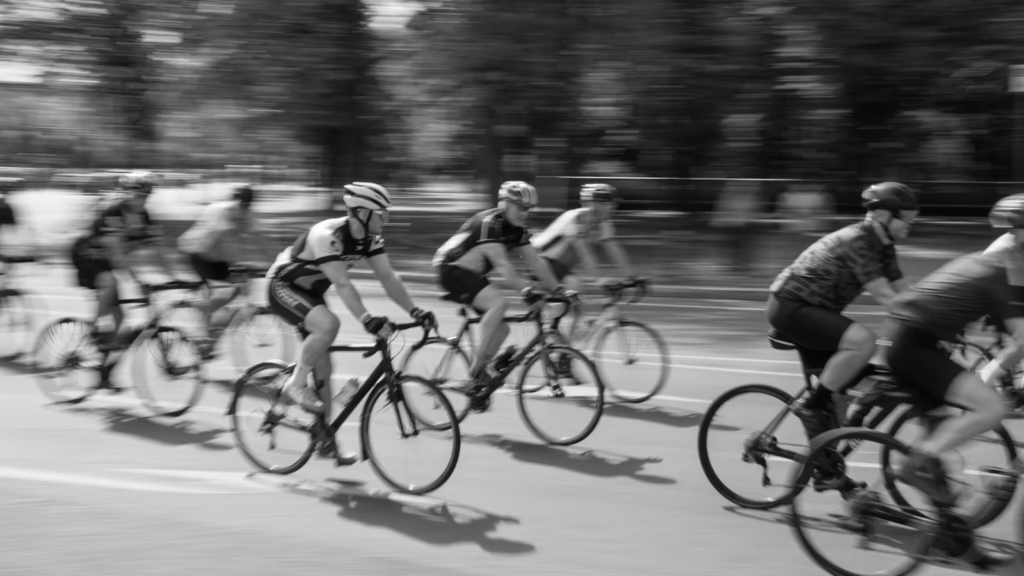
A steady line is what allows a group to ride tightly without tension. Any sudden sideways movement, drifting or wobbling forces riders behind to change direction or brake sharply. Over time, these reactions amplify, which is how small mistakes turn into bigger problems.
Holding your line means:
- Keeping a predictable path rather than drifting left and right
- Making gradual movements when avoiding hazards
- Leaving yourself enough space to react without swerving
It does not mean riding stiffly. You can still adjust your position, but the adjustment should be smooth and signalled when necessary.
The most important rule here is the golden one.
Never overlap wheels
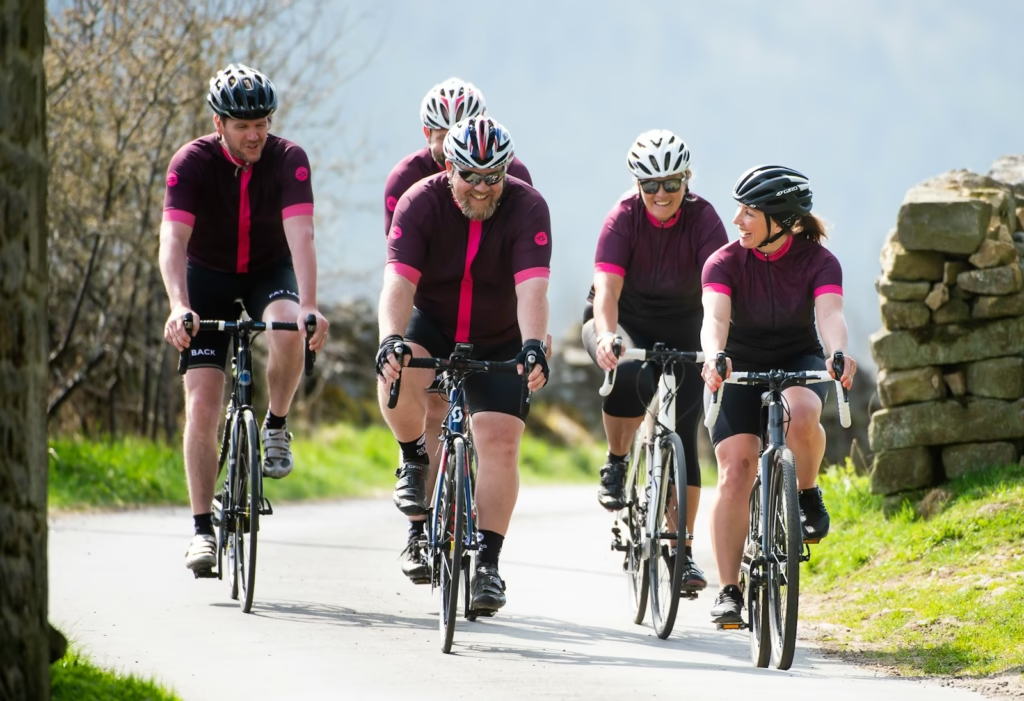
Overlapping wheels is the quickest route to a crash. If your front wheel sits alongside the rear wheel of the rider ahead, any sideways movement from them will take you down. This is why experienced riders sit close, but always directly behind. If you need to adjust your position, do it gradually and without drifting forward into overlap.
Pacing and rotating through the group
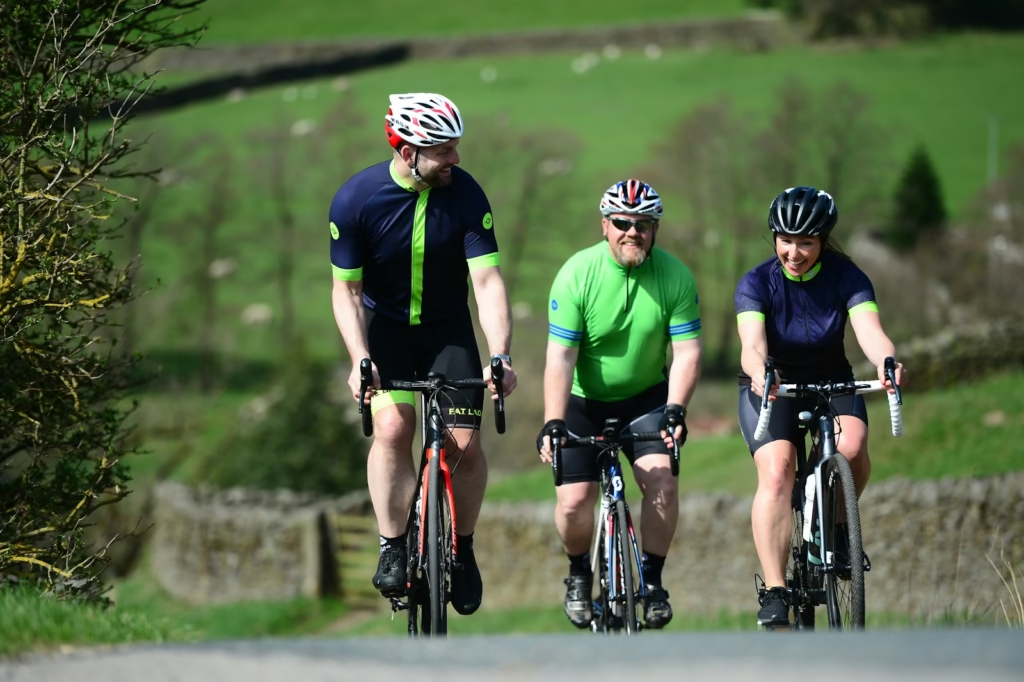
Group riding works best when the pace is steady. Surges stretch the group and force riders behind to accelerate unnecessarily. If you are on the front, hold a consistent pace that matches the group rather than pushing harder to show strength. When your turn is done, signal early, move aside smoothly and let the next rider through cleanly.
Rotation styles vary. Some clubs use two-abreast riding with paired rotations. Others form a single paceline. The specific technique matters less than the predictability. Riders should know when to expect a change, see the signal and understand how to slot into position without hesitation.
Short reminders that help keep rotations tidy:
- Check behind before moving out
- Shift over smoothly, never brake abruptly
- Keep pedalling when moving aside so you do not create gaps
- Rejoin at the back without surging
The confidence that grows from good habits
At first, these skills feel deliberate, but they quickly become automatic. A well-organised group is not tense or chaotic. It is quiet, smooth and efficient because everyone is doing the same small things at the same time.
The basics are simple:
- Clear signals
- Short, well-timed calls
- A steady line
- Respect for space
- No overlapping wheels
Master these, and group riding becomes not just safer, but far more enjoyable. The bunch flows, everyone feels looked after and the ride becomes faster and smoother without extra effort.