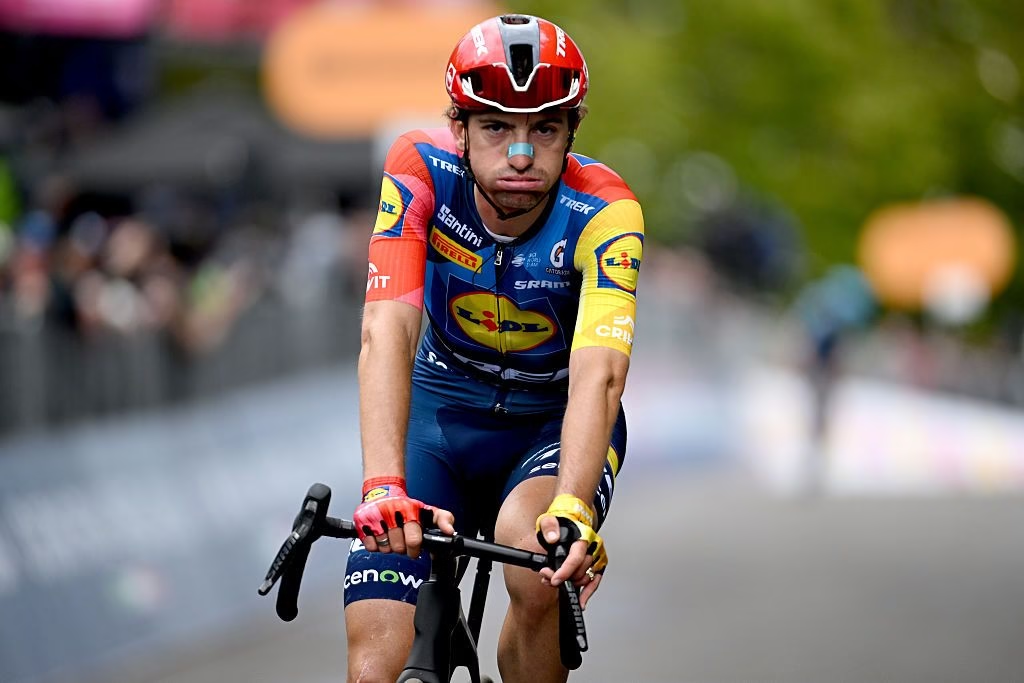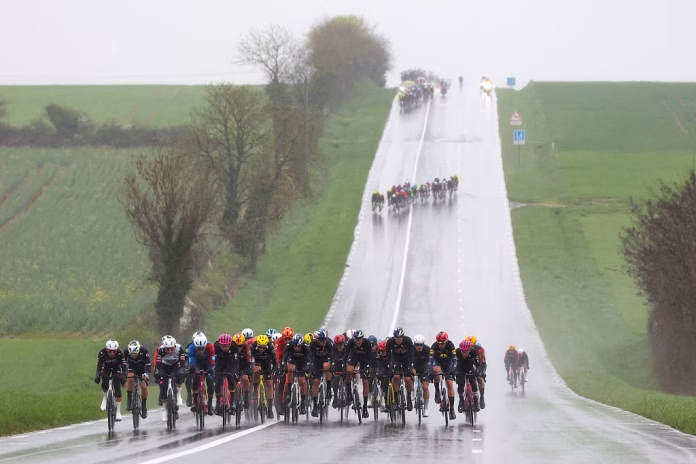
The best cycling teams need the right mix of sprinters, climbers, and domestiques to perform at their peak. You can see this in big races like the Giro d’Italia, where team leaders get constant support from their domestiques. The weather and race terrain are also game-changers that shape how teams run their race plans.
Smart betting needs a full picture of rider fitness, race conditions, and other factors that might affect the outcome. Teams that work well together end up moving the betting odds in their favour. This creates sweet spots for bettors who can spot these tactical advantages.
How Team Roles Shape Race Outcomes
Team roles and their interactions are the foundations of success in professional cycling. You can improve your cycling betting tips by learning about these dynamics.
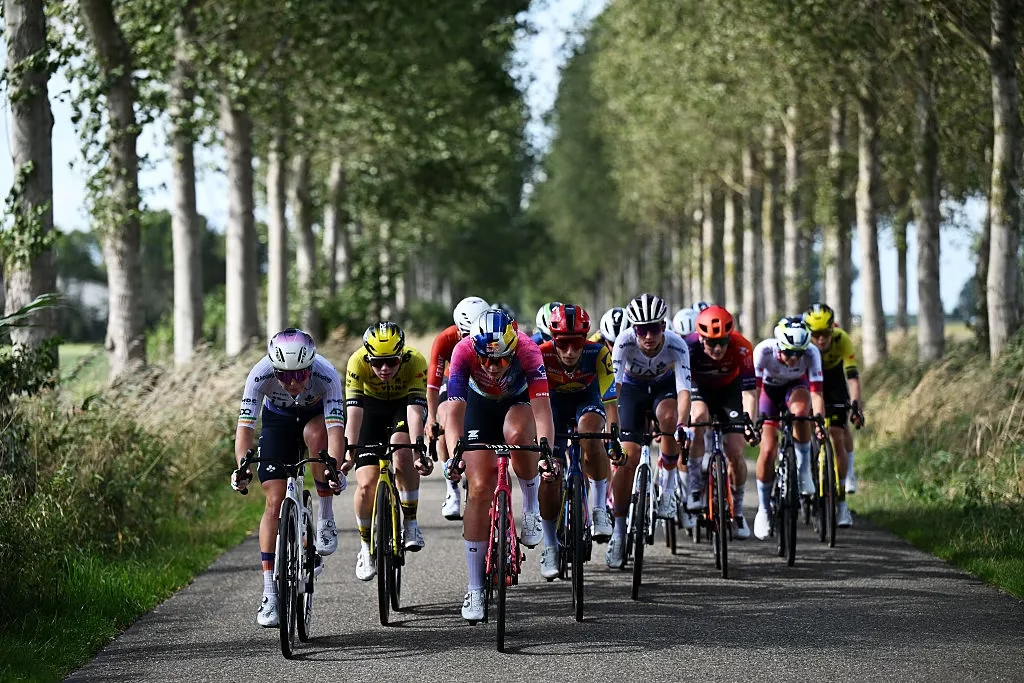
Professional cycling teams have members with specific roles that shape race outcomes. The team leader or captain acts as the strategic mastermind, while support riders called domestiques play a vital role. These unsung heroes put their own goals aside to help the leader and create slipstreams through drafting that save energy.
A typical team has these vital roles:
- Leader/Captain: The designated cyclist who wants to win the race
- Domestiques: Support riders who shield from wind, set pace, and fetch supplies
- Climbers: Specialists for mountainous terrain
- Sprinters: Experts in high-speed finishes
- Time-trialists: Cyclists excelling in solo efforts
Success in cycling depends on teamwork, unlike individual sports. This becomes clear in ultra-endurance events where teammates’ qualities affect individual performance by a lot. Research shows that medium-performance teams, especially solo riders, have less clarity about their final standing throughout the race. Larger teams get clearer signs of their final ranking earlier.
Group size and physical differences affect how well breakaway groups work together. Cooperation improves as the breakaway group gets smaller and riders’ physical abilities become more similar. This cooperation factor matters when you think over betting cycling odds.
Domestiques are the team’s backbone. They fetch water, control pace, and shield leaders from wind. The leader makes quick decisions and adapts strategies based on race conditions.
Teams with balanced composition can use different strategies as races unfold. Team dynamics get better throughout the season as riders learn each other’s strengths and weaknesses. Teams bond over time through shared victories and challenges.
People who analyse betting opportunities need to understand team composition. Cycling experts say that “although individual talent is necessary, success at the elite level of professional cycling is equally dependent on the collective”. So cohesive teams can help underdogs win, while divided teams can make favourites lose.

Leaders, domestiques, and their responsibilities
Cycling teams follow a clear hierarchy that affects betting markets. Team organisation creates performance differences that shape race outcomes.
Team leaders or captains sit at the top of the pyramid. These experienced riders have the best shot at winning races. A captain needs exceptional physical abilities, tactical knowledge, and leadership skills. They must read race situations quickly and give clear directions to teammates while handling intense pressure during key moments.
Domestiques (French for “servants”) are the team’s foundation. These riders give up personal glory to help the team succeed. Their key duties include:
- Providing wind protection through drafting
- Fetching water bottles and food from team vehicles
- Assisting with mechanical issues (offering their bike/wheel if needed)
- Setting and controlling pace at the peloton’s front
- Monitoring and chasing breakaway groups
- Leading during early race kilometres
This team structure creates exciting betting opportunities if you understand team dynamics. Research reveals that team hierarchies cause 46% of performance differences in the Tour de France. Team composition accounts for only 6%.
Leader vs Domestique Comparison
| Aspect | Team Leader | Domestique |
|---|---|---|
| Primary Goal | Win races | Support leader |
| Media Exposure | High | Limited |
| Decision Authority | Makes tactical calls | Follows instructions |
| Energy Conservation | Protected by team | Expends energy for others |
| Result Importance | Final placement vital | Finishing position secondary |
“Super domestiques” bridge the gap between these roles. These exceptional support riders have near-captain abilities but set aside personal goals. They stay with leaders during vital race moments and provide essential support during mountain stages, time trials, or attacks.
Protected leaders gain significant advantages on uphill sections. Studies show they achieve higher speeds with the same power output and produce stronger final sprints. This explains why top teams in prestigious races like Grand Tours protect their leaders with teammates during decisive climbs.
Team Strength and Depth: The First Hidden Variable
A cycling team’s collective strength and depth often makes the difference between winning and losing races. Smart betting enthusiasts can gain an edge by understanding this hidden factor — a principle that seasoned analysts also apply across other markets, from major tours to niche segments like casino betting in South Africa, where context, structure, and hidden advantages matter more than surface-level odds.
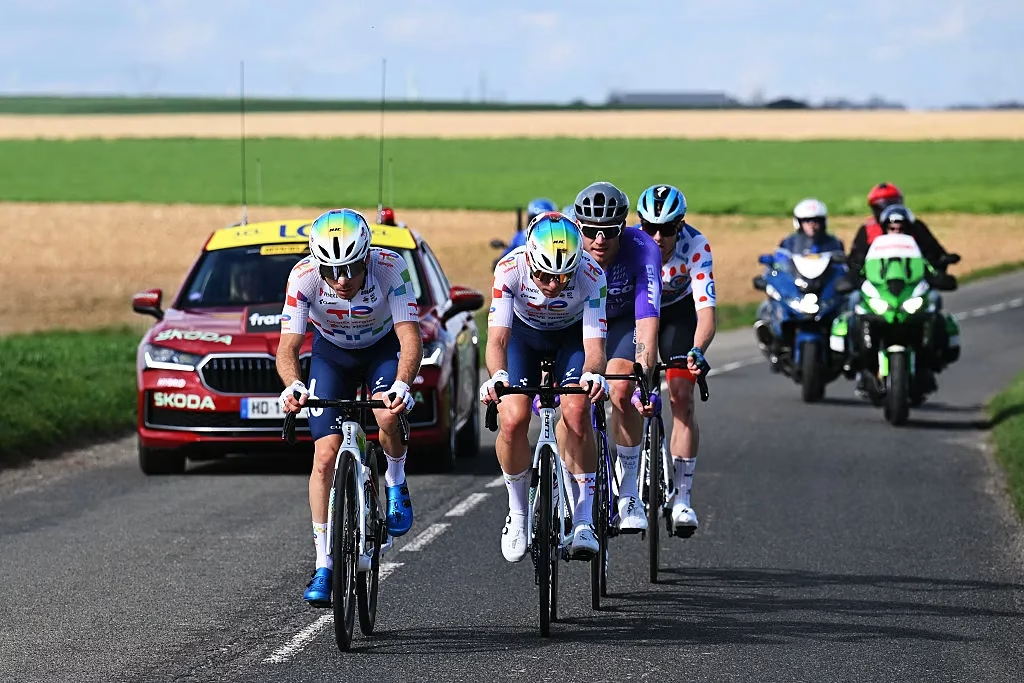
Studies show team strength directly affects race performance. Riders save 40% energy when drafting behind teammates. This becomes a game-changer in the final stages when fatigue starts to separate the strong from the weak.
Teams gain several advantages through their depth:
- Multiple riders in breakaways create “free-riding” chances
- Well-coordinated lead-out trains put sprinters in perfect positions
- Strong teams control the peloton’s speed effectively
- Deep teams manage breakaways more quickly
Professional cycling has an interesting “leadership surplus” that shapes team dynamics. World Tour teams typically have 12% more leadership talent than available racing spots. This extra competition can either build team spirit or tear it apart.
Team Depth Comparison
| Team Type | Advantages | Challenges | Betting Implications |
|---|---|---|---|
| Multiple Leaders | Tactical flexibility, options for different terrains | Internal competition, potential conflicts | Unpredictable outcomes, value in underdogs |
| Single Strong Leader | Clear hierarchy, focused support | Vulnerability if leader struggles | More predictable, lower odds on favourite |
| Balanced Strength | Adaptability across conditions | Less specialised support | Consistent performance, steady odds |
Larger teams show more predictable patterns in endurance events. Solo riders’ final positions are harder to predict, while teams with more depth give clearer signs of their final ranking earlier in races. This knowledge helps bettors make smarter decisions during races.
Team makeup plays a measurable role in success. Research reveals team composition accounts for 6% of performance differences, while team hierarchy influences 46% of race outcomes. Teams need enough leadership talent without creating conflicts over racing opportunities.
Tactical Objectives Change Market Expectations
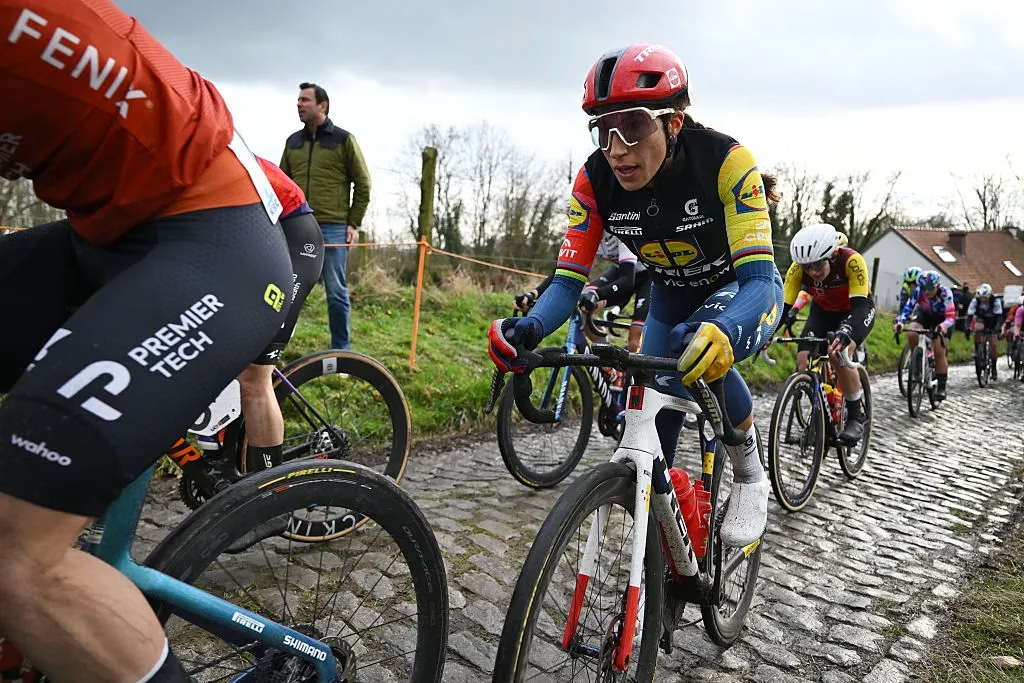
Racing teams change their tactical plans based on race conditions, which creates major swings in betting markets. The race outcome and betting odds depend heavily on team dynamics, course profiles, and weather conditions. This is very similar to how bettors evaluate risk in other markets, such as when comparing casino sites with Paysafecard, where small operational or strategic changes can quickly shift player confidence and market behavior.
Betting odds changes tell us how the market sees a cyclist’s chances. These movements reflect changes in rider performance, race conditions, or team strategy adjustments. The sort of thing I love is how these tactical changes create betting opportunities.
Here’s what different odds movements tell us:
- Lengthening odds for a favourite – This shows worries about current form or hints at their team’s new direction
- Shortening odds – Better race conditions might favour certain riders or teams might be executing advantages
- Rapid fluctuations – News about team tactics or last-minute strategy changes drives these swings
Betting and team tactics influence each other. Teams that become betting favourites feel extra pressure and often play it safe. The underdogs, however, feel equipped to try bold strategies to beat the odds.
Tactical Influences on Betting Odds
| Tactical Decision | Market Impact | Strategic Implication |
|---|---|---|
| Aggressive early attacks | Shorter odds on attackers | High-risk, high-reward approach |
| Conservative energy preservation | Stable odds on favourites | Playing to team strengths |
| Unexpected team alliances | Dramatic odds shifts | Complex race dynamics |
Tactical choices shape future training plans. Past performance determines betting odds, so teams use this data to spot their strengths and weaknesses. To cite an instance, see how high odds in mountain stages point to strong climbing skills, which teams might focus on during training.
My analysis of betting trends shows how teams learn about market perceptions of their performance. This knowledge ends up shaping both their training and racing strategies.
Tactical Moves That Shift Betting Odds
Moves made on the cycling track directly shape betting market dynamics. Teams that work together flawlessly send clear signals to bettors, and odds tend to favour these well-coordinated squads.
The most powerful tactical moves include:
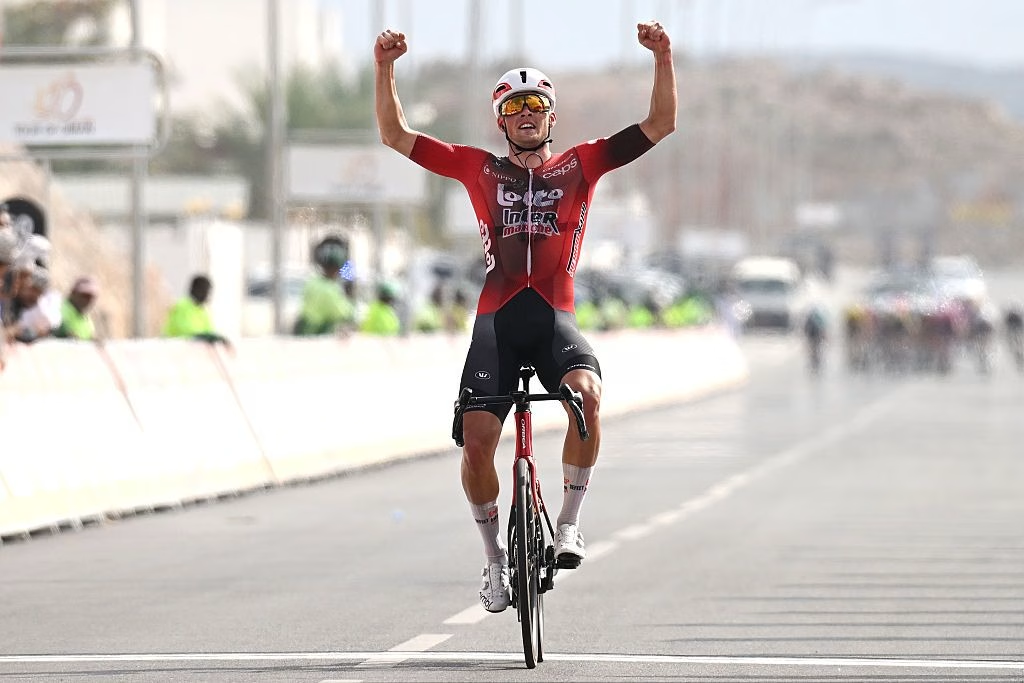
- Perfectly executed breakaways – These surprise competitors and catch bookmakers off guard when timed just right
- Domestique protection – Riders who shield their leaders from wind show deep tactical understanding
- Pace control – Support riders’ management of peloton speed shapes race dynamics
- Chase formations – Teams that pursue breakaway groups in unison demonstrate readiness
Tactical Moves and Their Odds Impact
| Tactical Move | Immediate Odds Effect | Long-term Market Impact |
|---|---|---|
| Surprise breakaway | Dramatic shortening | Creates fluctuations as bookies adjust |
| Team protection formation | Gradual strengthening | Builds confidence in team’s chances |
| Weather adaptation | Rapid shifts | Favours teams with versatile riders |
Weather plays a crucial role in race dynamics and betting opportunities. Cyclists battle treacherous roads in rain, which leads to more crashes and mechanical problems. The 2019 Tour de France showed how extreme temperatures can disrupt races – temperatures hit 40°C in shade and 60°C in sun. Teams had to use ice vests and extra hydration to cope.
Every 1°C drop in muscle temperature typically cuts performance by 10%. Wet roads cause all but one of these cycling accidents that need hospital care. Strong winds give riders chances to break away or form echelons with better results.
Smart bettors who spot these tactical changes early gain significant advantages. Looking at odds from different bookmakers helps find real value quickly. Odds changes often reveal what’s happening behind the scenes. The best chances to profit come during live events as race situations evolve and odds change faster.
My edge in cycling betting comes from knowing how tactical moves relate to odds movements. This lets me predict market reactions before they happen – something casual observers rarely manage.
Weather and Terrain: External Forces on Strategy
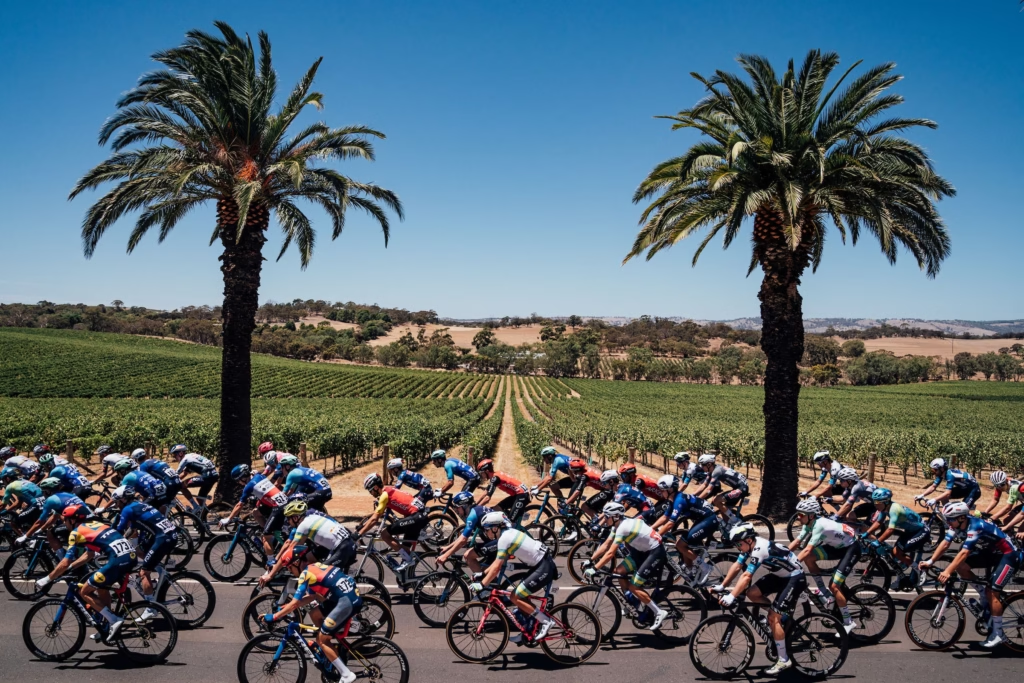
Weather plays a crucial role in cycling races, and smart bettors need to consider this in their betting strategy. Rainy conditions can change the entire race dynamics. Wet roads become slippery and increase the risk of accidents – statistics show that rain causes 26% of all cycling-related hospital visits. Riders must adapt their tactics by slowing down in corners, which changes how the race unfolds.
Extreme temperatures can also determine race outcomes. The 2019 Tour de France saw temperatures reach 40°C in the shade and 60°C in the sun. Teams had to use ice vests and special hydration plans to cope. Cold weather brings its own set of challenges. Research shows that riders lose 10% of their performance with each 1°C drop in muscle temperature.
Wind Impact on Strategy and Odds
| Wind Type | Strategic Effect | Betting Implication |
|---|---|---|
| Headwind | Reduced speed, greater drafting value | Favours stronger teams |
| Crosswind | Formation of echelons, potential field splits | Creates betting opportunities on underdogs |
| Tailwind | Increased speed, reduced drafting advantage | Benefits solo riders |
The combination of terrain and weather adds more complexity to races. Mountain stages become especially challenging in cold weather, testing both physical and mental limits. Heat causes more problems on flat terrain, where dehydration significantly affects performance.
Smart bettors should watch how teams adapt to these conditions. Teams that plan well for different weather scenarios gain an edge. They assign specific roles and use their riders’ strengths based on weather forecasts.
The best teams work with meteorologists and data analysts to get immediate weather updates during races. This preparation helps turn weather challenges into advantages. Bettors who spot these adaptations early can place their bets before the odds change.
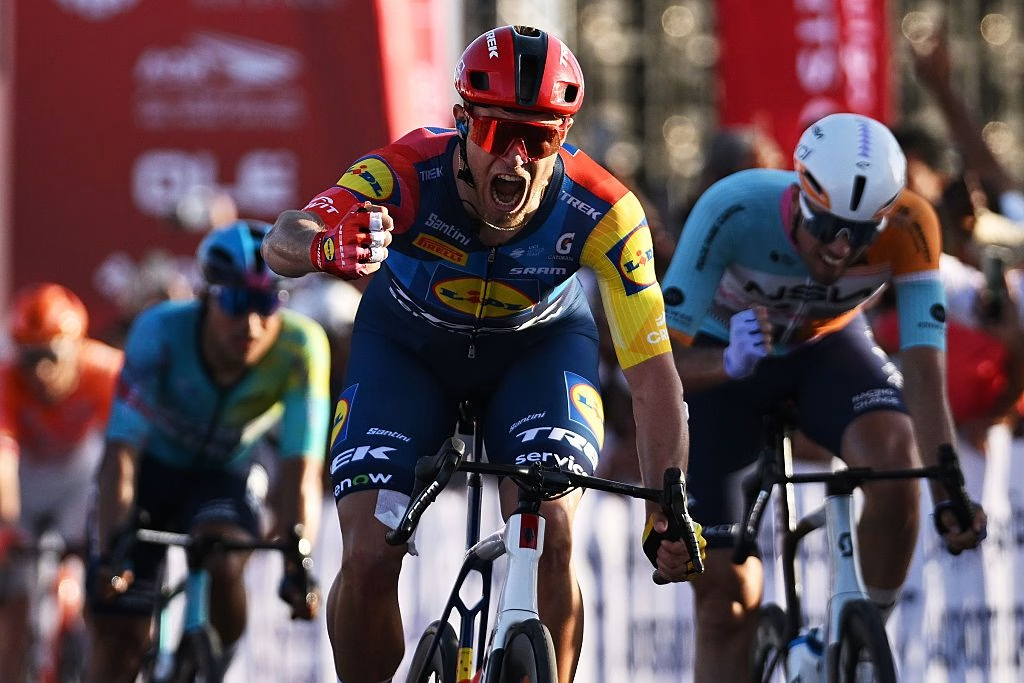 Photo Credit: Getty
Defensive Tactics and Odds Inflation
Defensive riding strategies create predictable odds patterns that smart bettors can use to their advantage. My regular analysis of cycling markets shows protected riders tend to exceed expectations because of the edge their teams give them.
Team Protection Benefits:
- Riders who draught behind teammates face nowhere near as much wind resistance – about 40% less
- Lead-out trains that work well put sprinters in perfect position to win
- Team leaders with protection reach higher speeds while using similar power output
The way teams protect their riders creates the sort of thing I love – odds inflation patterns. Bookmakers sometimes price star riders without properly factoring in how teams behave, which creates valuable betting chances. To cite an instance, see how teams defending the yellow jersey rarely let their leaders attack without good reason, yet the odds don’t reflect this reality.
Defensive Strategy Impact on Odds
| Defensive Tactic | Market Response | Betting Opportunity |
|---|---|---|
| GC protection | Inflated favourite odds | Value in stage hunters |
| Final mountain defence | Conservative racing | Long odds on breakaways |
| Sprint train formation | Shortened odds on protected sprinter | Value in technical finishers |
Watching odds movements reveals what’s happening behind the scenes. My experience with live event monitoring has helped identify the most profitable chances. Final mountain stages naturally favour defensive riding, which creates patterns you can predict, though casual observers might find them complex.
The quickest way to spot real value remains comparing odds between different bookmakers, especially when teams use defensive tactics.
-
 Photo Credit: Getty
 -
 Photo Credit: Cs-wolves / Wikimedia Commons, CC BY-SA 4.0