A well-lubricated chain is one of the few maintenance habits that pays you back immediately. The drivetrain runs quieter, shifting feels cleaner, and your expensive parts last longer. Yet most riders either drown the chain in oil or ignore it until it starts grinding.
This guide is built around one principle: get lubricant into the moving parts of the chain, then remove anything that will only attract grit. Do that consistently and you will feel the difference on every ride.
Why chain lubrication matters more than most upgrades
- Quieter, smoother riding: squeaks and rasping noises are friction, and friction is wasted effort.
- More consistent shifting: a dry chain drags across the cassette, making gear changes feel heavier and less precise.
- Longer drivetrain life: grit plus lubricant on the outside becomes grinding paste, accelerating wear on the chain, cassette, and chainrings.
What you need to lubricate a bike chain
- Chain lubricant: wet, dry, or wax, matched to conditions.
- Clean rag: one for wiping, and a spare if the chain is filthy.
- Degreaser (optional): for periodic deep cleans or winter build-up.
- Brush (optional): helpful for jockey wheels and cassette grime.
How to lubricate a bike chain properly
1) Check whether the chain is dirty or just dry
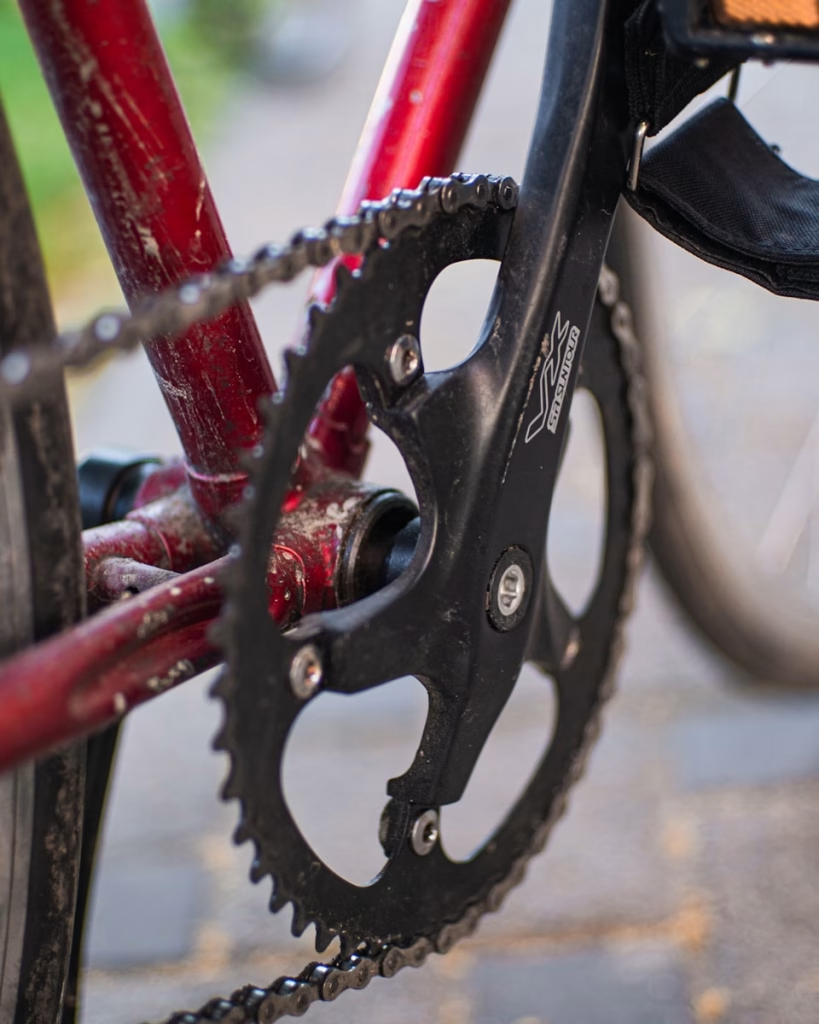
Run the chain through a rag while turning the cranks backwards. If the rag turns black quickly or you can feel gritty residue, you are dealing with contamination as well as dryness. If it comes away only lightly marked, a wipe and re-lube is usually enough.
2) Clean first, but keep it proportionate
- Light clean (most weeks): wipe the chain’s outer plates thoroughly with a dry rag.
- Deeper clean (as needed): apply degreaser to a rag or brush, scrub the chain, then wipe until the residue stops coming off black.
The goal is not showroom sparkle. It is removing the abrasive layer that dilutes new lubricant and speeds up wear.
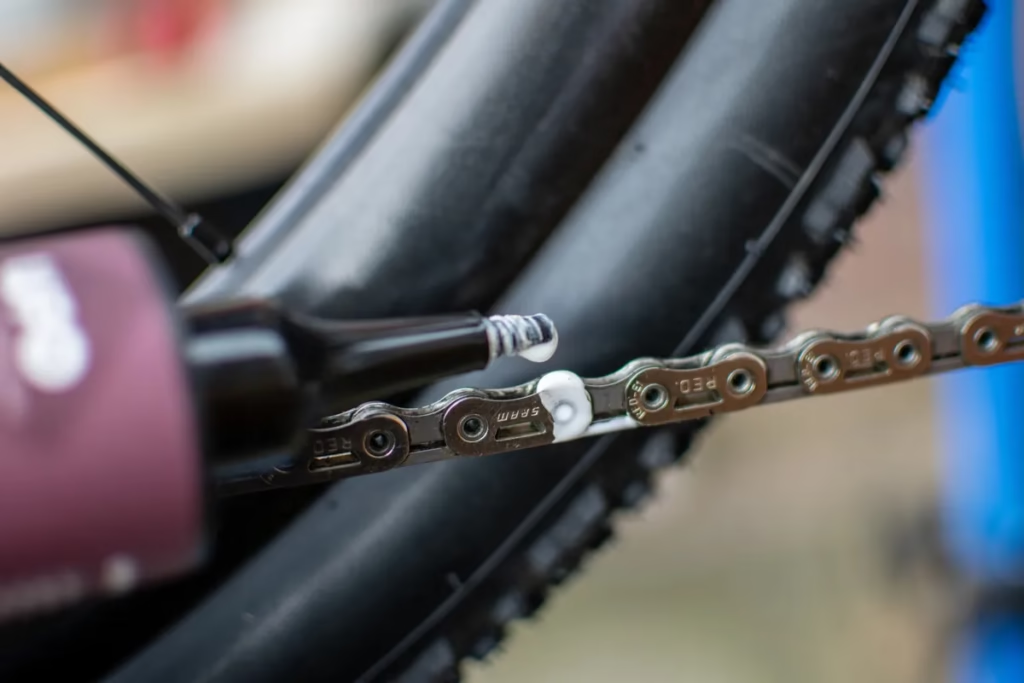
3) Apply lubricant to the rollers, not the side plates
The lubricant needs to reach the rollers and pins where the chain articulates. Rotate the cranks backwards slowly and apply a small drop onto each roller, or every link if you prefer a simple rhythm. If you are using a drip bottle, control and consistency beat volume.
- Go slow: a steady cadence makes it easier to cover the full chain without missing sections.
- Use a light hand: more lubricant on the outside does not mean a better-lubricated chain.
4) Let it sit briefly, then wipe properly
Give the lubricant a few minutes to migrate into the chain. Then wipe firmly with a clean rag while turning the cranks. Keep wiping until the outside of the chain feels almost dry. This is the step most riders skip, and it is the difference between a fast, clean drivetrain and a filthy one.
5) Quick checks before you ride
- Sound check: the dry squeak should disappear quickly once the lubricant reaches the rollers.
- Touch check: the outer plates should not feel wet. If they do, wipe again.
How often should you lubricate a bike chain in UK conditions?
There is no single schedule that fits everyone because weather, roads, and riding volume change the equation. A better approach is to link lubrication to conditions and symptoms.
- After wet rides: lube sooner rather than later. Water pushes contamination into the chain and encourages corrosion.
- After gritty winter rides: assume the chain needs at least a wipe, and often fresh lubricant.
- During settled summer weather: many riders can re-lube every few rides, especially if the chain stays quiet and the rag wipe stays relatively clean.
If you want one simple trigger, use the noise test: when the chain loses its quietness or starts sounding “dry”, it is time to wipe and lubricate again.
Wet lube vs dry lube vs wax: what should you use?
Wet lube
- Best for: rain, winter commuting, damp lanes, long rides where conditions change.
- Watch out for: it attracts grime if you over-apply or do not wipe thoroughly.
Dry lube
- Best for: dry roads, dusty trails, fair-weather training blocks.
- Watch out for: it can wash off quickly in persistent rain.
Wax-based lubes and hot wax
- Best for: riders who prioritise a cleaner drivetrain and are happy with a more methodical routine.
- Watch out for: wax systems tend to reward good preparation and regular top-ups, especially if conditions are mixed.
Common mistakes that ruin chain lubrication
- Lubing a filthy chain: you trap abrasive grit inside the links and speed up wear.
- Leaving the chain wet on the outside: the outer plates do not need lubrication, they need to be clean.
- Spraying lubricant everywhere: it can migrate onto braking surfaces and tyres. A controlled drop method is safer and cleaner.
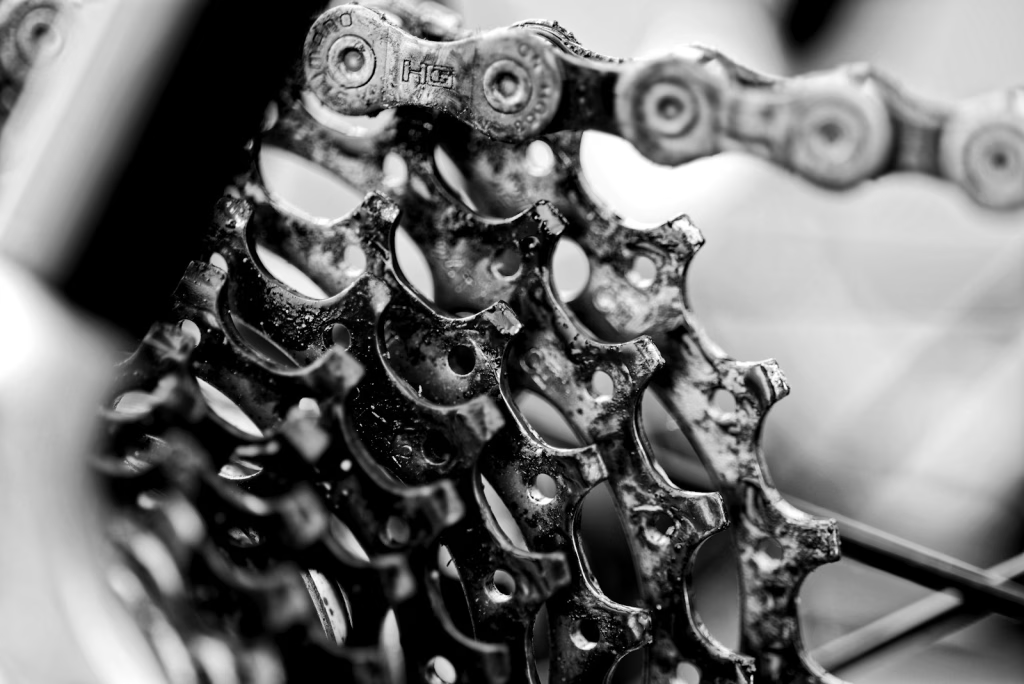
- Ignoring jockey wheels and the cassette: if they are packed with grime, the drivetrain can still sound rough even after a fresh lube.
A two-minute routine you can actually stick to
- After most rides: wipe the chain with a rag for 20 to 30 seconds.
- When it starts sounding dry: apply lubricant to the rollers, wait a few minutes, then wipe the chain until it feels almost dry on the outside.
- Every few weeks, or after filthy spells: deeper clean the chain and give the cassette and jockey wheels a proper wipe-down.
If you like tracking habits, a basic log helps. I keep mine alongside ride notes so maintenance does not become guesswork, and if you are already timing efforts and sessions via gbc times, adding a quick “wet ride, wiped and lubed” note can stop small problems turning into expensive replacements.
FAQ: lubricating a bike chain
Should I lubricate my chain before or after a ride?
After is usually better because you can wipe off the day’s grime and leave the lubricant time to penetrate. If you must do it before a ride, apply early enough that you can still wipe thoroughly.
Can I use WD-40 to lubricate my bike chain?
WD-40 is best treated as a cleaner and water-displacer rather than a durable chain lubricant. It can help free stuck links or shift moisture after a wet ride, but you still want a proper chain lubricant afterwards for lasting protection and smooth running.
How do I know if I used too much lube?
If the chain still feels wet on the outside after wiping, or it quickly starts collecting black grime, you have likely over-applied or under-wiped. The fix is simple: wipe more until the outer plates feel almost dry.