Riding in traffic is the moment many new cyclists dread. The bike feels small, the vehicles feel large and unpredictable, and the idea of sharing space with buses and impatient drivers can be intimidating. The good news is that safe, confident traffic riding is a learned skill, not something you are born with. With a few practical habits, you can ride smoothly, predictably and with far more confidence than you might imagine at the start.
This guide focuses on simple, actionable techniques that help you feel in control on busy UK roads.
Start by owning your space on the road
One of the biggest shifts for nervous riders is understanding that you have every right to your lane position. Hugging the kerb feels safer, but in reality, it reduces your visibility, invites close passes and gives you nowhere to go if something unexpected happens.
A more assertive but still polite position is far safer:
- Ride about one metre from the kerb on most urban roads.
- Move further out when passing parked cars to avoid the door zone.
- When the lane is too narrow for a vehicle to pass safely, take the primary position – the centre of the lane.
Taking space is not aggression. It is communication. You are signalling to drivers that they should wait and pass only when it is genuinely safe.
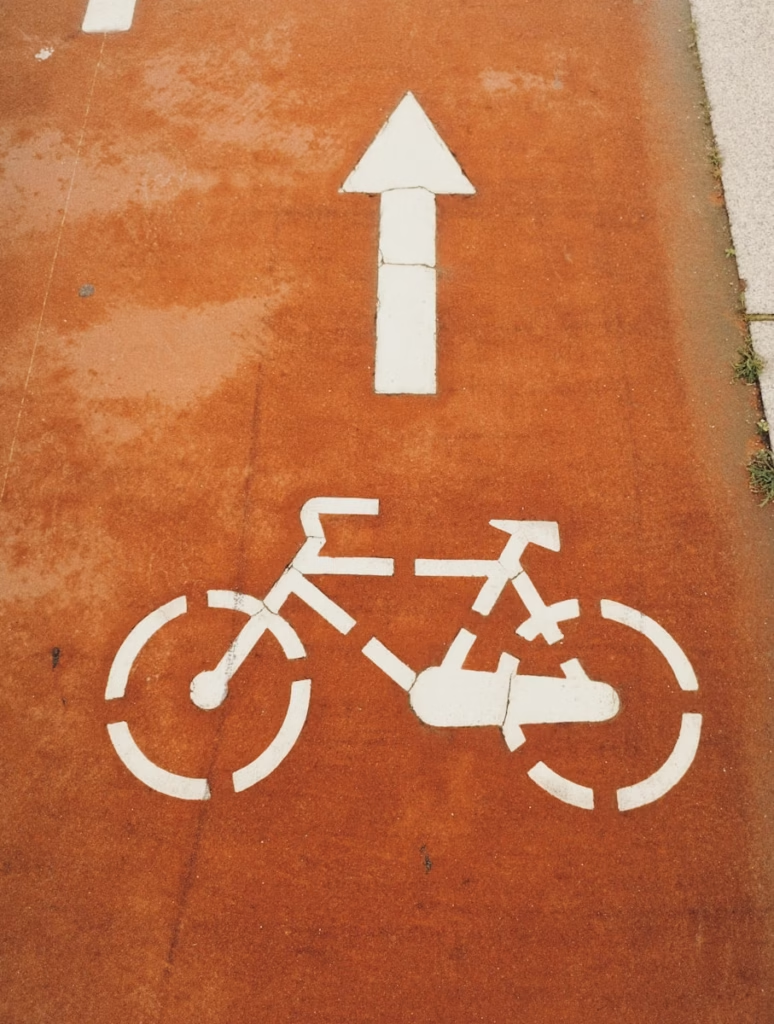
Make your movements clear and predictable
Drivers respond well to consistency. If you behave like traffic, you are treated like traffic. Sudden swerves or riding too close to the kerb make you harder to read.
A few habits help enormously:
- Look behind you before moving position or turning. Even a quick glance builds awareness and often encourages drivers to give more space.
- Signal early and clearly with full arm movements. Half-gestures tend to disappear in traffic.
- Hold your line when riding past junctions and side roads rather than drifting towards the kerb.
Predictability is your best defence. When drivers understand what you are doing, their behaviour becomes much more stable around you.
Understand where the risks actually come from
Most crashes involving cyclists and traffic happen in a few predictable scenarios. Once you recognise them, you can prepare for them instinctively.
- Left hooks – when a vehicle turns left across your path.
- Stay out of blind spots and avoid riding up the inside of large vehicles at junctions.
- Cars pulling out of side roads
- Make eye contact where possible, ride in a visible road position and slow slightly if you are unsure they have seen you.
- Close passes on narrow roads
- Taking a stronger road position forces drivers to wait for a gap instead of trying to squeeze past.
- Dooring from parked cars
- Always ride well outside the door zone by at least a metre. It feels bold at first, but becomes second nature.
When you know these patterns, you start looking ahead for them automatically.
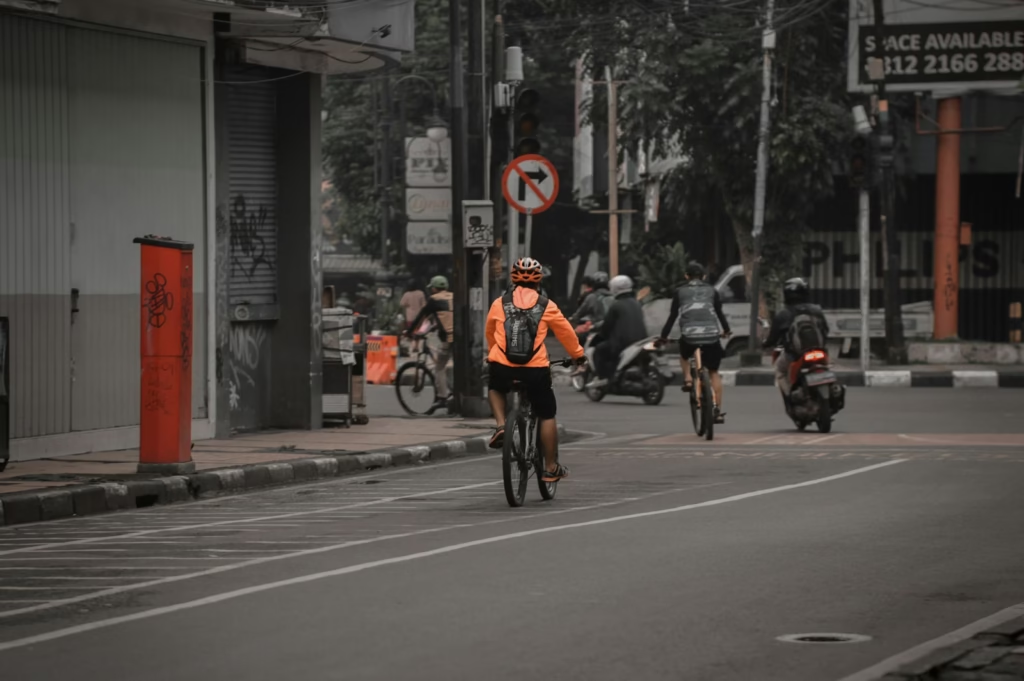
Use your speed to your advantage
Cycling in traffic isn’t about being fast. It is about being steady. Maintaining a consistent speed helps you merge into traffic flow and reduces the number of unpredictable interactions.
If you are approaching a junction or roundabout:
- Look early
- Adjust your speed gradually
- Position yourself clearly before you arrive
Most nervous moments happen when riders rush decisions or hesitate mid-manoeuvre. Smooth speed adjustments give you more options and make you more readable to drivers.
Treat junctions with calm, deliberate confidence
Junctions are where nerves spike. The trick is to simplify what you are asking yourself to do.
Approach each junction with three checks:
- Position: Am I in the correct part of the lane?
- Visibility: Can other road users see what I am about to do?
- Timing: Am I travelling at a speed that lets me react if needed?
If the answer to all three is yes, proceed. If any answer is no, adjust before committing. This removes most of the panic that comes from trying to solve everything at once.
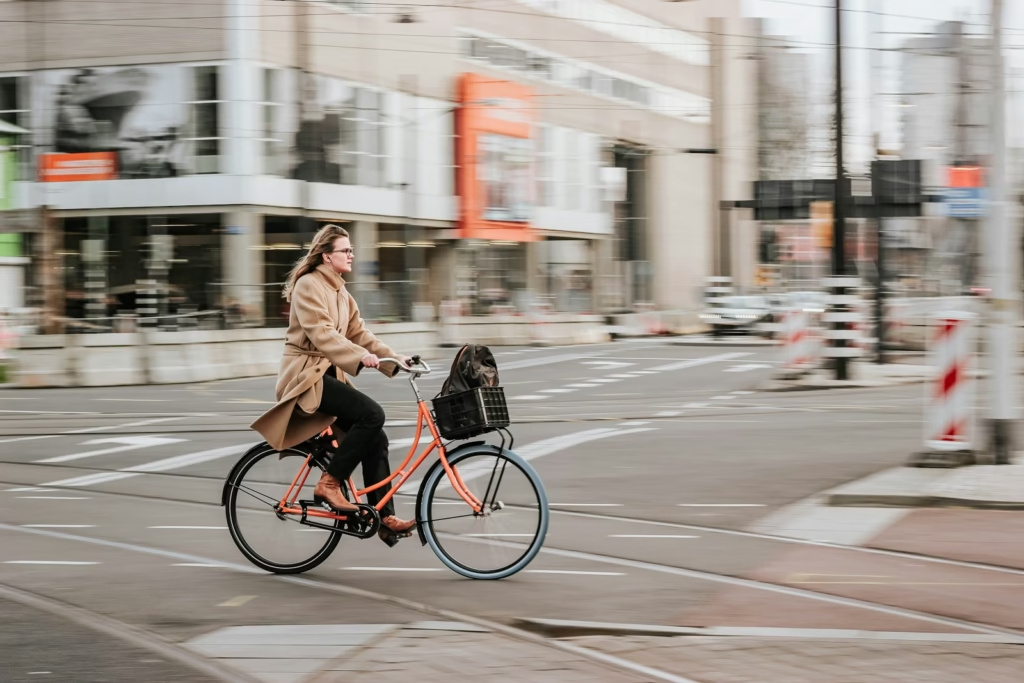
Do not ride up the inside of large vehicles
This is one of the most important safety rules in busy traffic. Lorries, buses and construction vehicles have large blind spots. If the vehicle turns left or moves off suddenly, you may not be visible.
A safer approach is:
- Wait behind large vehicles at junctions
- Move into the primary position as you set off
- Pass only when the lane is clear and you can do so confidently
It is a habit that feels cautious at first, then increasingly logical the more you ride.
Manage pressure from behind
Every cyclist has experienced the feeling of a driver waiting impatiently behind them. It is uncomfortable, but it does not mean you should rush or move into an unsafe position.
A useful mindset shift is this: you are not causing a delay, you are preventing an unsafe overtake.
Stay steady, hold your line and let the driver decide when it is safe to pass. If you approach a wider section of road or a quiet layby, you can move aside briefly if you wish, but you should never feel obliged to compromise your safety to appease someone else’s timetable.
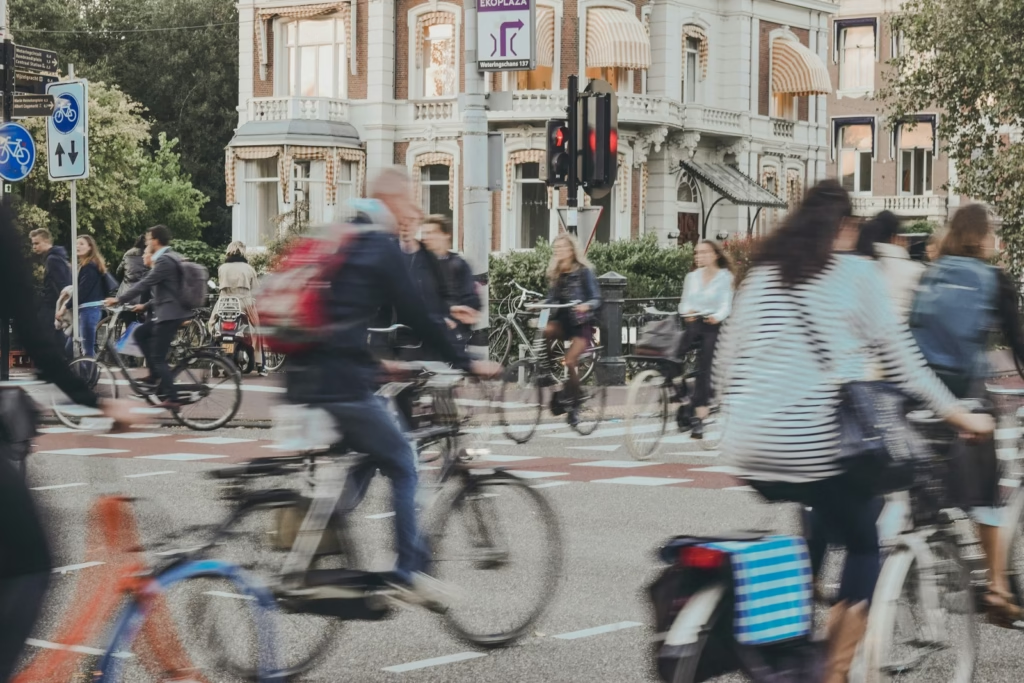
Use roads and routes that suit your confidence
Confidence grows fastest when your environment isn’t constantly overwhelming you. Many UK routes offer quieter alternatives – filtered streets, cycleways, park paths, canal routes or residential cut-throughs. Google Maps, Komoot and local cycling groups can help you find more relaxed commutes.
This is not about avoiding traffic forever. It is about building confidence in manageable steps.
Lights, clothing and communication
Being visible is not about turning yourself into a Christmas tree. It is about clarity.
- Use rear and front lights day and night, especially in winter or low sun.
- Choose clothing with some reflective details if riding at dusk or dawn.
- Make gestures large and deliberate so drivers can interpret them easily.
Visibility is a conversation with other road users. The clearer you are, the smoother that conversation becomes.
Confidence comes from practice, not luck
No one becomes a confident traffic rider overnight. The cyclists who look relaxed in traffic learned the same lessons you are learning now. They built confidence gradually, corrected mistakes, studied their environment and discovered that riding assertively can also be riding politely.
The aim is not to dominate the road. It is to occupy it with assurance – clear signals, steady movement and a road position that keeps you safe. Once those habits settle in, traffic stops feeling like a battlefield and becomes another predictable part of your ride.
With time, the nerves fade. Technique replaces tension. And the ride becomes yours again.