
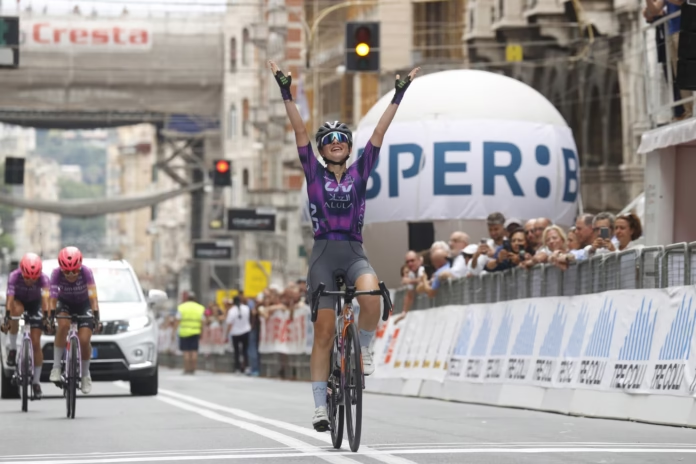
Giro dell’Appennino Donne returns today, the 22nd March, for only its second edition, which makes it one of those races still building its identity in real time. That is part of the appeal. New races can often feel vague in their first year or two, but this one already looks as though it knows what it wants to be – a selective Italian one-day race where climbers, puncheurs and strong all-rounders all have a plausible route to victory.
The 2026 edition covers 111km from Novi Ligure to Genoa and steps up to 1.1 level, which gives it a little more weight on the calendar than the inaugural running in 2025. More importantly, the route still sits in that awkward middle ground where the strongest rider is not always the purest climber and the fastest finisher is not always the safest pick. That usually makes for a better race.
Last year’s debut edition offered a useful first clue. Matilde Vitillo won from a decisive three-rider move into Genoa, beating Irene Cagnazzo and Gaia Segato after the race split on the hilly route. It was not a bunch sprint and it was not a pure summit-finish style climbing test. It was a race won by a rider who could survive the climbs, read the finale properly and still finish the job. That still feels like the right starting point for reading today’s race.
If you want the wider spring context around races like this, the women’s cycling race hub is the best place to start. For a similar one-day preview format, How to watch the Midwest Cycling Classic 2026 and who could win gives a useful comparison in how a newer race can quickly establish its own character.
How to watch Giro dell’Appennino Donne 2026
Live coverage is available on YouTube.
The race is scheduled to start at 12:30 local time, which makes it an afternoon race rather than an all-day watch. That suits the event well. Giro dell’Appennino Donne is the sort of race where the key phase should come relatively quickly once the climbing begins to bite.
A short history of Giro dell’Appennino Donne
There is not much history yet, but what little there is already helps.
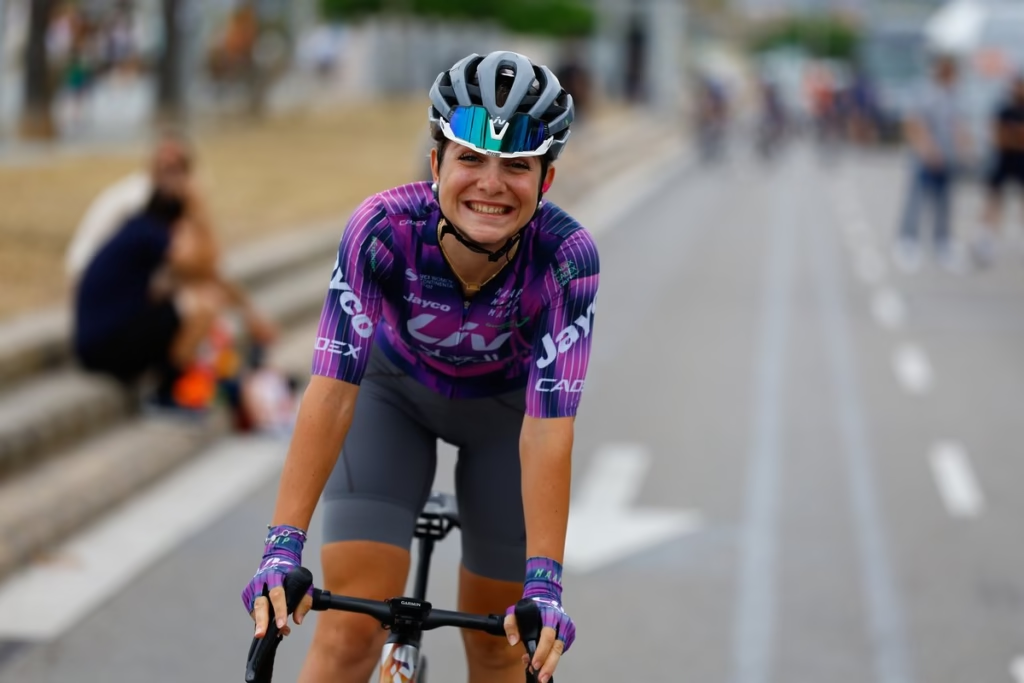
The women’s race was first held in 2025, when Matilde Vitillo won the inaugural edition from Novi Ligure to Genoa over 92.5km. That first running sat at 1.2 level, and the move up to 1.1 in 2026 suggests the organisers want to build it quickly into a more significant fixture on the Italian calendar.
The 2025 edition mattered because it gave the race an immediate identity. The decisive move formed after the Passo dei Giovi and stayed away into Genoa, with Vitillo proving quickest from the lead trio. That points towards a race where strong all-rounders and climbing punch riders should again be central, rather than one where teams can simply line things up for a straightforward sprint.
What kind of race should we expect?
The 2026 profile looks selective enough to split the field, but not so extreme that only the pure climbers should matter.
At 111km with just over 1,000 metres of climbing, this is hard enough to wear down the field but not so mountainous that the finale becomes completely predictable. The finish into Genoa also matters. It is not a summit finish and not a dead-flat drag race either, which keeps several different types of rider in play.
That should make the race tactically rich. If teams with stronger climbers press hard on the main rises, the field could reduce enough to remove the purest sprinters. If the pace is a little more cautious, then riders with a sharper finish from a reduced group become very dangerous. That usually creates the most interesting kind of one-day race – not one where everybody knows the answer in advance, but one where the route narrows the options without fully deciding them.
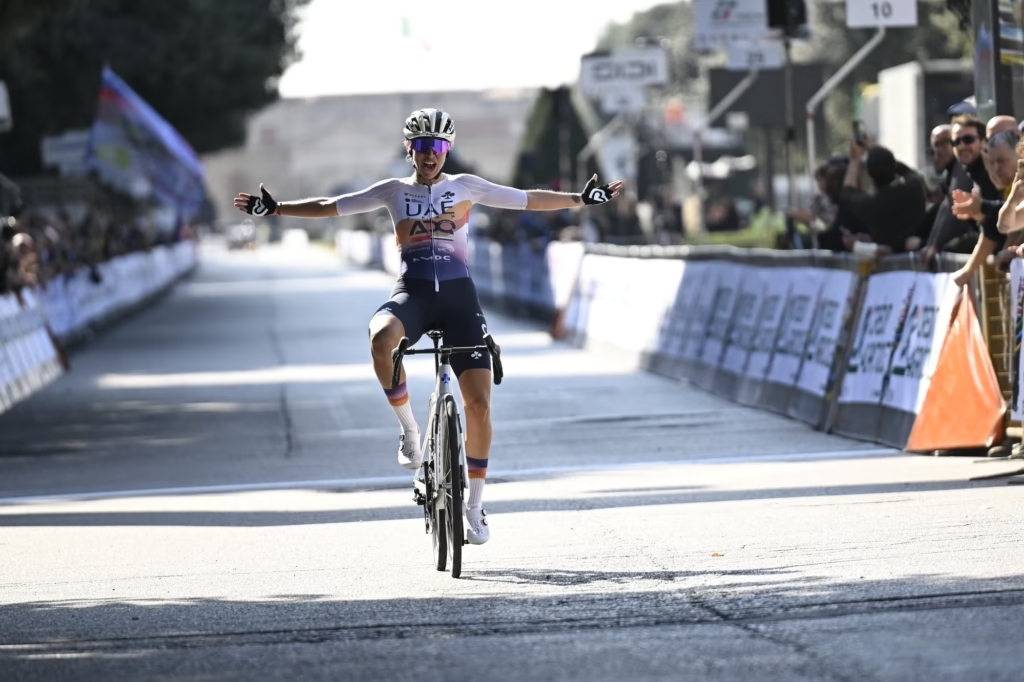 Photo Credit: Sprint Cycling Agency
Silvia Persico looks like the strongest favourite
If you are starting with one name, Silvia Persico is the obvious place to begin.
UAE Team ADQ have brought a strong squad that also includes Eleonora Gasparrini, Alena Amialiusik and Erica Magnaldi, but Persico is the rider who looks most naturally suited to this route. She has the climbing resilience for a race like this, the race craft for a nervous Italian one-day event, and enough finishing speed to capitalise if the front group is still reasonably large.
This is exactly the sort of course where Persico often feels most dangerous. Not a pure mountain finish, not a flat sprint, but a selective and slightly awkward route where repeated efforts matter and where a rider with both punch and speed can outplay the field.
Lidl-Trek have two very strong cards
Lidl-Trek bring one of the most interesting teams in the race, with Niamh Fisher-Black, Gaia Realini, Amanda Spratt, Ricarda Bauernfeind and Riejanne Markus all giving them real options.
Fisher-Black probably makes the most immediate sense as a contender if the race is ridden hard enough to become selective but not so brutally uphill that the finish loses all tactical complexity. Realini is the purer climber and would be especially dangerous if the main climb is raced aggressively enough to force a very small front group. Spratt and Bauernfeind give the team even more tactical depth, while Markus adds another rider capable of lasting deep into a demanding day.
That is what makes Lidl-Trek so dangerous here. They do not need to decide too early which version of the race they want. They have enough depth to adapt to it.
 Photo Credit: Getty
Sarah Van Dam and Marion Bunel make Visma dangerous
Team Visma | Lease a Bike line up with Marion Bunel, Sarah Van Dam, Femke de Vries and others, and they look like one of the teams most likely to benefit if the race becomes more selective than the profile first suggests.
Van Dam feels particularly relevant because she sits in that useful zone between climber and finisher. Bunel is the more obvious uphill card if the pace goes up on the climbs. Together they give Visma two plausible routes into the decisive part of the race, which matters in a one-day event where a team rarely gets to control every phase cleanly.
This is not a race where one team should be able to dictate the entire day, and squads with more than one realistic option are at a clear advantage because of that.
Usoa Ostolaza fits the race very well
Laboral Kutxa – Fundación Euskadi bring Usoa Ostolaza alongside Arianna Fidanza and others, but Ostolaza is the name that stands out most when you look at the route.
She is exactly the kind of rider who can handle a hilly, selective one-day race and still remain present when the front group has been cut down to the most resilient. That does not automatically make her the favourite, but races like Giro dell’Appennino Donne often reward riders of that profile. She does not need the race to be completely shattered. She just needs it to be hard enough that the more obvious fast finishers come under pressure.
Matilde Vitillo deserves respect as defending winner
Even in a stronger field and at a higher race level, the only previous winner still deserves obvious respect.
Matilde Vitillo won the inaugural edition in 2025 with a smart and convincing finish from the winning break, and her Liv AlUla Jayco team again includes her alongside Monica Trinca Colonel, Ella Wyllie and Talia Appleton. Vitillo may not start as the headline favourite this time, but she knows exactly what this race asks and exactly how to win it.
That matters in a newer event where race memory is still thin. Monica Trinca Colonel is another rider in that team who could become very interesting if the race turns more aggressive earlier than expected, while Wyllie gives the team another rider who should not fear a hard day.
-
 Photo Credit: quentinphotographiebe
 -
 Photo Credit: Getty
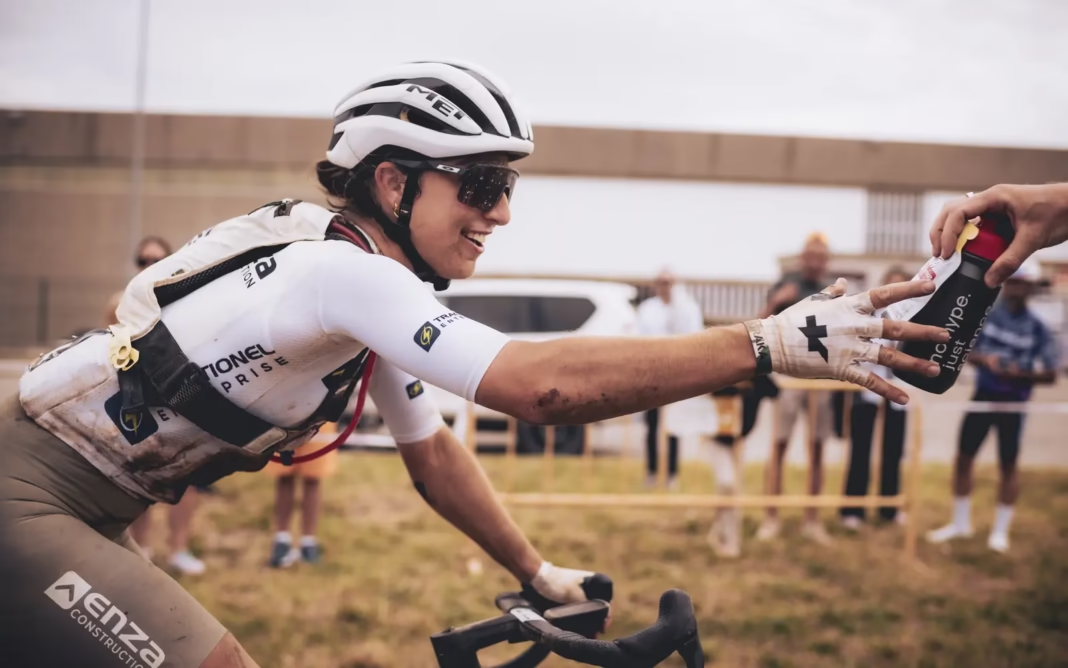
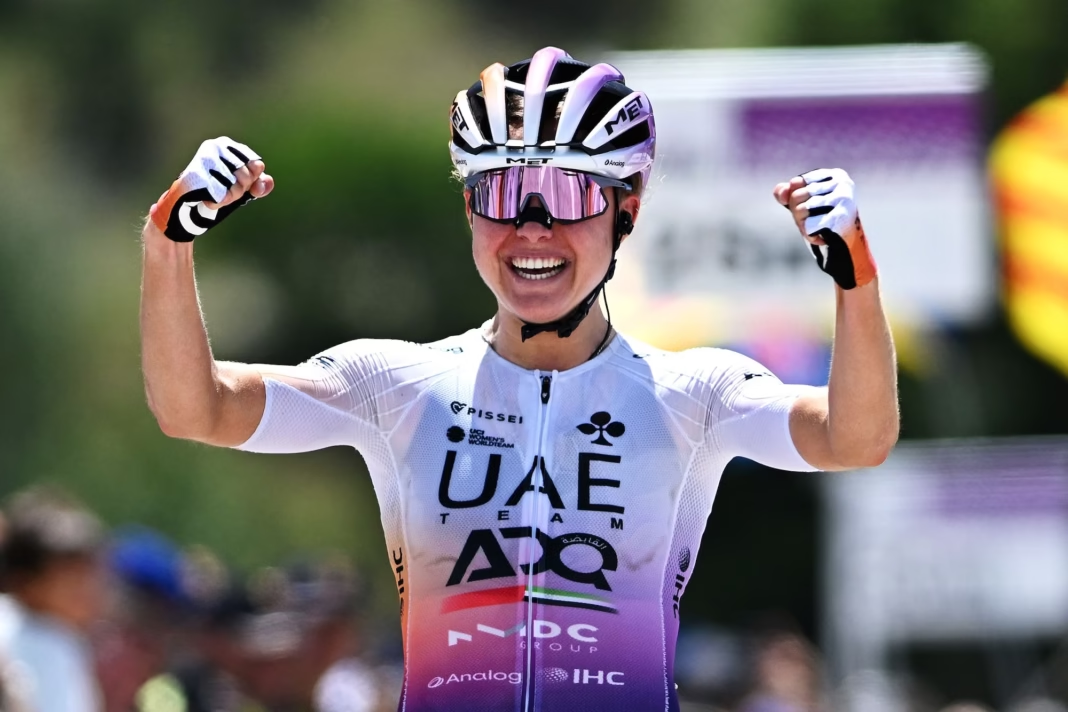
Other names worth watching
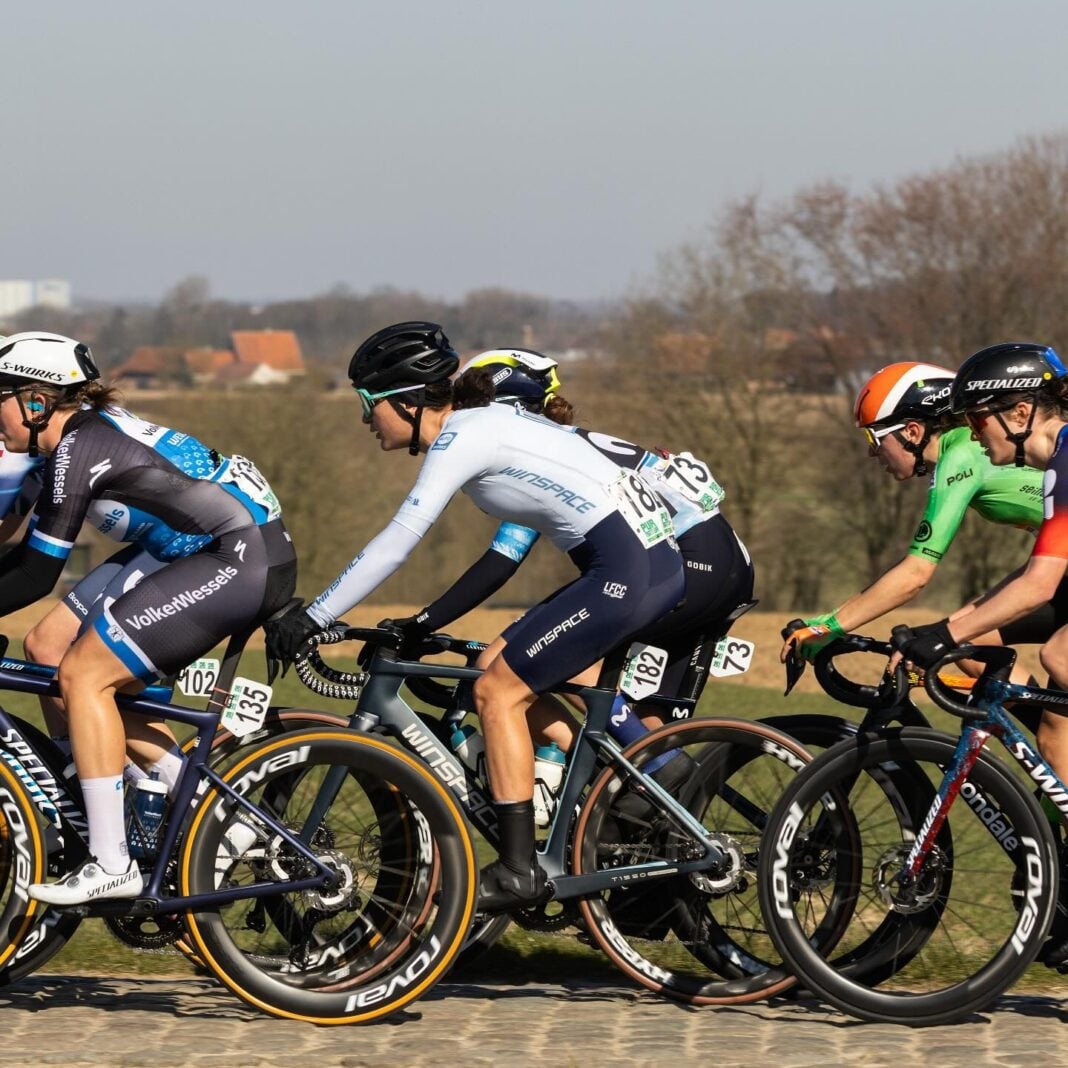
This race is deep enough that it should not be reduced to only a handful of names.
Eleonora Gasparrini gives UAE Team ADQ a second major option if the finish comes back to a reduced sprint. Ashleigh Moolman-Pasio and Urška Žigart give AG Insurance-Soudal experience and climbing quality. Kim Cadzow is a particularly interesting outsider from EF Education-Oatly because this kind of one-day climbing route can suit her well if the race opens early enough.
Irene Cagnazzo and Gaia Segato, who both made the podium in 2025, are back and should not be overlooked simply because the race has stepped up a level. Riders with proven experience of the specific route logic always deserve more respect than they often get. Rasa Leleivyte is another name worth keeping in mind because races like this often reward experience as much as raw legs when the front group begins to hesitate late on.
What will decide the race?
The race should be decided by how hard it is ridden before the final run to Genoa.
If the stronger climbing teams commit properly, then the field should reduce enough to favour riders like Persico, Fisher-Black, Realini or Ostolaza. If the pace is high but not destructive, then the finish becomes much more open and riders with a sharper sprint from a reduced group move up the list very quickly.
That is the tension at the centre of Giro dell’Appennino Donne. It is not a race for the purest specialists. It is a race for the rider who can handle a hard day and still have the clarity to finish it off.
Prediction
The 2026 Giro dell’Appennino Donne looks stronger than the inaugural edition, and that should make the race harder to read cleanly. The route still points towards a selective finish rather than a full bunch sprint, and the startlist has enough climbing depth to support that idea.
Silvia Persico looks like the strongest all-round favourite because she combines the uphill resilience and finishing speed this route should reward. Niamh Fisher-Black and Gaia Realini give Lidl-Trek two very credible paths to victory, while Sarah Van Dam and Usoa Ostolaza look like the sort of riders who could move up the list if the race gets harder than expected. Matilde Vitillo deserves respect as defending winner, even in a stronger field.
My slight edge would go to Silvia Persico, with Niamh Fisher-Black and Sarah Van Dam as the two names most likely to challenge if the race follows the kind of selective pattern it produced in 2025.

