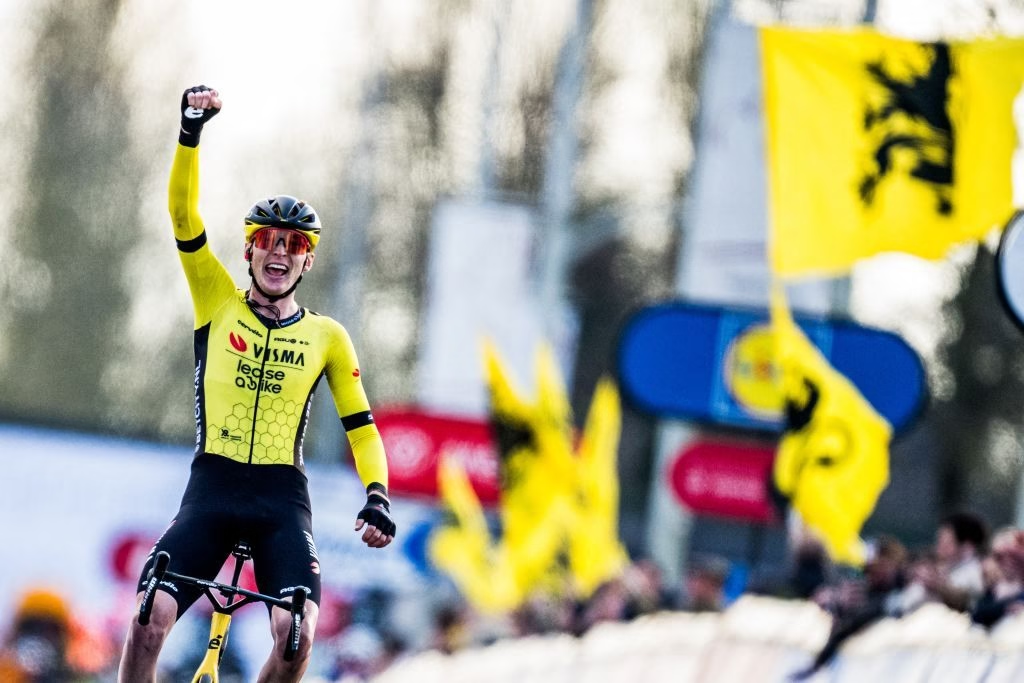
Men’s Dwars door Vlaanderen often sits in the shadow of Ronde van Vlaanderen, but that is exactly what makes it such a revealing race. It comes close enough to Sunday that every major performance is judged in that context, yet it is still hard enough, prestigious enough and tactically open enough to demand a proper result in its own right. The 2026 field reflects that perfectly. Wout van Aert, Mads Pedersen, Jasper Philipsen, Filippo Ganna and Arnaud De Lie all start with credible winning chances, but the shape of the race means this is unlikely to be decided by reputation alone.
Dwars door Vlaanderen tends to reward riders who can handle repeated efforts rather than one single decisive obstacle. That makes it a race where power, timing and team structure all matter. It is not always the strongest rider on paper who wins. Often it is the rider whose team can create the most pressure, or the one who can still make the right decision after a long sequence of accelerations.
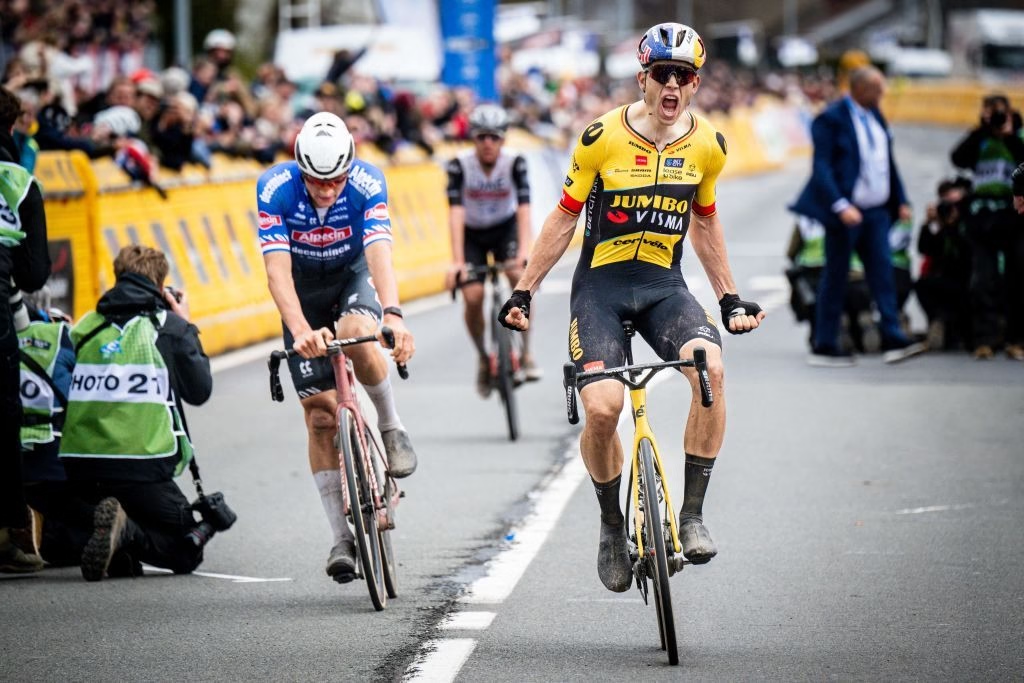
Wout van Aert starts as the rider to beat
Wout van Aert comes into Dwars door Vlaanderen with the strongest mix of status, form relevance and team support. Team Visma | Lease a Bike also look exceptionally well set up around him, which matters because this is the sort of race where depth can decide the outcome as much as one rider’s legs.
The line-up around Van Aert gives the team real tactical flexibility. Christophe Laporte remains one of the smartest one-day riders in the field, Per Strand Hagenes has already shown major form in the past week, Matthew Brennan adds another fast and dangerous option, and Axel Zingle gives them yet another rider capable of staying involved late. That is an enviable structure for a race that can split in several different ways.
Van Aert’s appeal in Dwars door Vlaanderen is obvious. He can win from a small group, he can attack before the finish, and he has the engine to survive a hard race without needing the day to follow one narrow script. If Visma want to make this a race of repeated pressure rather than a waiting game, they have the riders to do it.
Mads Pedersen and Lidl-Trek look built for this race
If there is a rider who looks most likely to challenge Van Aert in a truly selective race, it is Mads Pedersen. Dwars door Vlaanderen tends to suit riders who can absorb a lot of damage and still finish quickly from a reduced group, and that remains one of Pedersen’s clearest strengths.
Lidl-Trek also bring the kind of line-up that gives them several ways to play the race. Jonathan Milan changes the tactical picture because he remains dangerous if the front group is larger than expected. Edward Theuns, Toms Skujiņš and Søren Kragh Andersen all add support and race intelligence, while Pedersen himself does not need the race to be perfectly controlled to remain a major factor.
That balance makes Lidl-Trek especially dangerous. They can race for a hard selective finish through Pedersen, but they also have enough depth to react if the race turns more tactical than explosive.
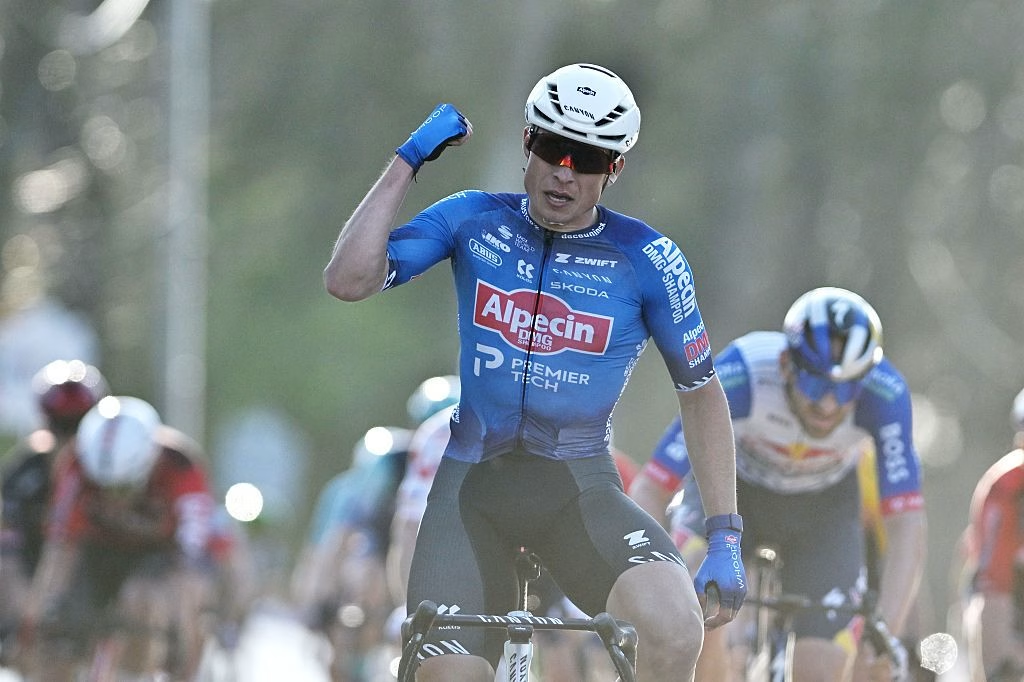
Jasper Philipsen has the sharpest recent form line
Jasper Philipsen arrives with perhaps the clearest recent momentum of the major contenders. He has already shown both speed and resilience this week, which matters in a race like Dwars door Vlaanderen where outright sprinting ability is only useful if you can still be there when the real selection is made.
What makes Philipsen particularly dangerous is that he no longer feels like a rider who needs a straightforward race to win. He can handle a selective day far better than many pure sprinters, and with Alpecin-Premier Tech also bringing Kaden Groves, Tibor Del Grosso and Florian Sénéchal, the team have enough support and enough alternative options to avoid becoming predictable.
The central question for Philipsen is not whether he can finish. It is whether the race becomes selective in exactly the wrong way for him. If it remains even slightly within range for a reduced sprint, he becomes one of the most dangerous riders in the field.
Filippo Ganna could force a different kind of race
Filippo Ganna sits a little differently within this contenders list because he is less likely to want a tactical wait for the finish. INEOS Grenadiers look built around power and pressure, and that suits Ganna perfectly. Magnus Sheffield, Ben Turner and Sam Watson all strengthen the idea that this team would prefer the race to become a sustained effort rather than a stop-start tactical finale.
Ganna’s path to victory is more obvious than subtle. If the race stays too controlled too late, riders with a sharper finish may still have the edge. But if it opens earlier and turns into a long power test with a small group or even a solo move, he becomes extremely dangerous.
That makes him one of the most important riders in the race, even if he is not everyone’s first pick to win. He is one of the riders most capable of changing the script altogether.
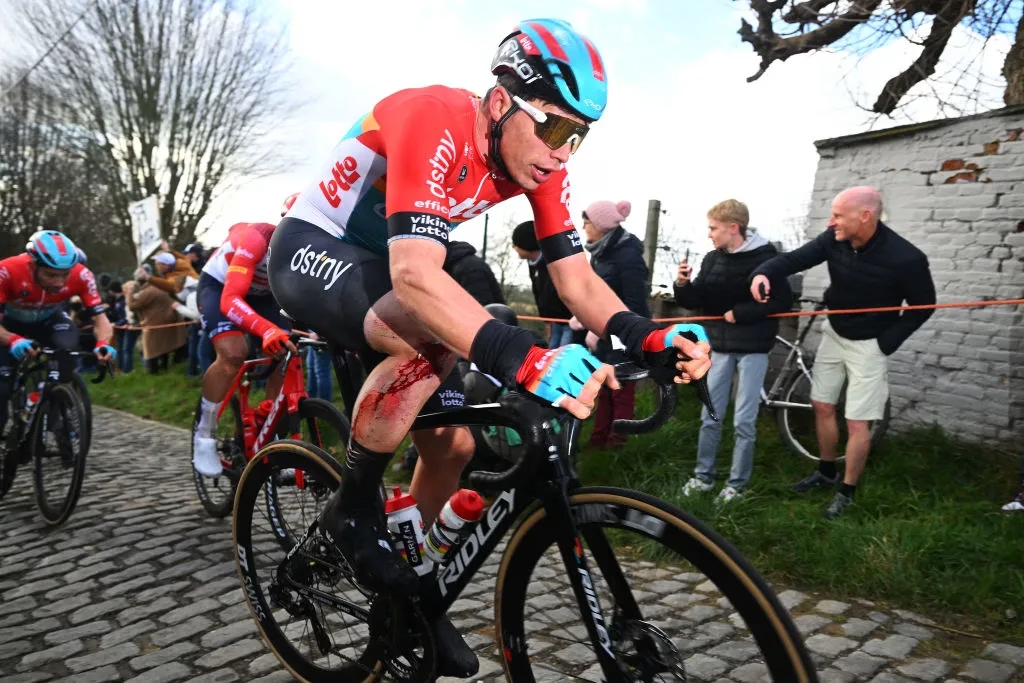
Arnaud De Lie remains a major threat if the race stays within range
Arnaud De Lie belongs close to the front of the conversation as well. This is a race where his power and finishing speed can combine very effectively if he reaches the final in the right position. He does not need a full bunch sprint to win, which is why Dwars door Vlaanderen suits him better than some riders with similar finishing profiles.
The challenge is not his talent but the shape of the race. If it becomes too hard too early, other contenders may have more support or more options around them. If it stays just controlled enough that a slightly larger front group survives, then De Lie becomes one of the most dangerous finishers in the field.
That makes him a very plausible winner, but also one whose chances are especially sensitive to how aggressively the strongest teams choose to race.
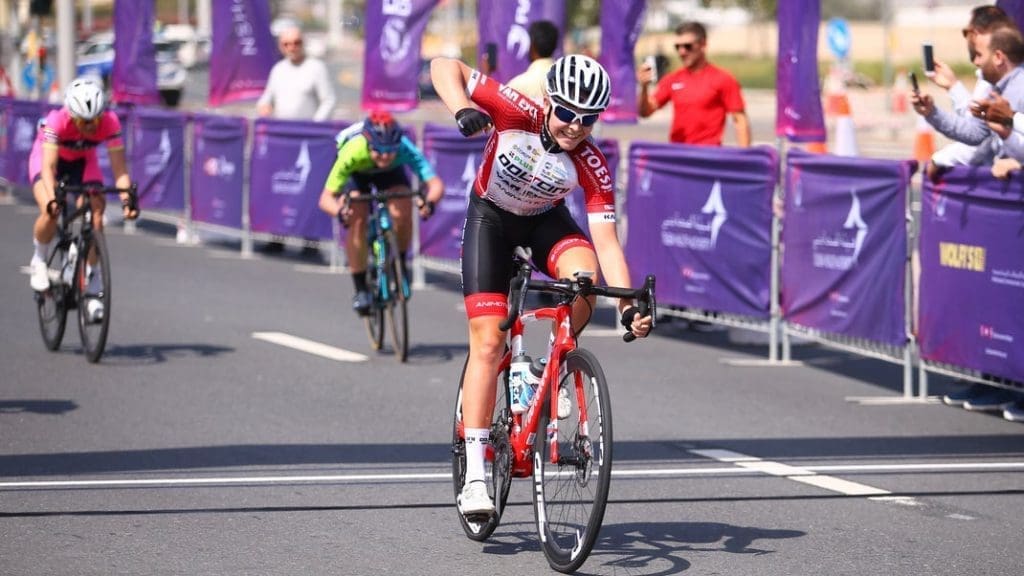
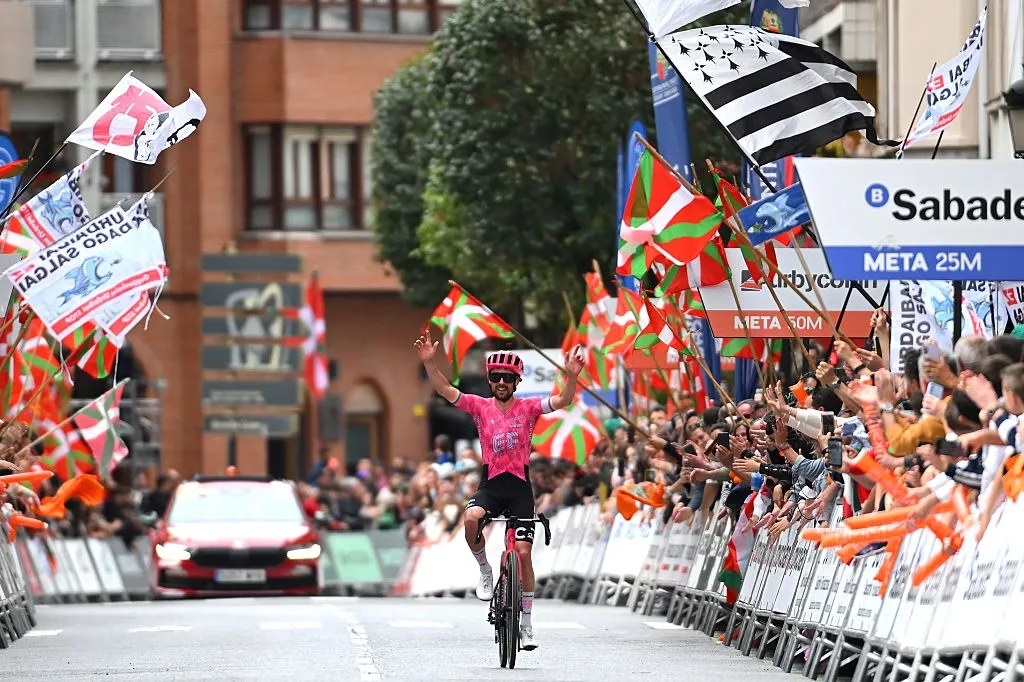
The teams with more than one winning card
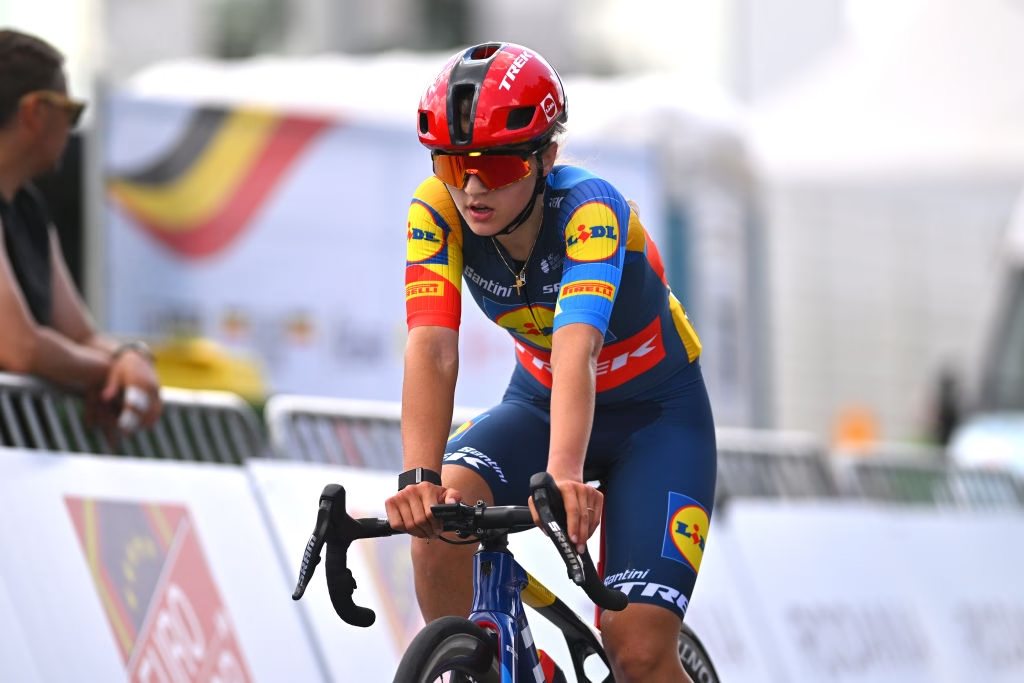
This race often rewards teams that can delay the final decision on leadership, and that makes Team Visma | Lease a Bike, Lidl-Trek and Alpecin-Premier Tech especially interesting.
Visma have the deepest structure in the race. Van Aert is the headline leader, but Laporte, Hagenes and Brennan all give the team meaningful alternatives depending on how the race develops. That can make them incredibly difficult to read in the final hour.
Lidl-Trek have similar tactical depth, though expressed a little differently. Pedersen is the harder-race option, Milan the slightly larger-group option, and their support riders are strong enough to influence the shape of the day rather than just follow it.
Alpecin-Premier Tech may have the clearest in-form headline card in Philipsen, but Groves and Del Grosso mean they are not forced into only one scenario either. That matters because Dwars door Vlaanderen often punishes teams that commit too early to one plan.
The dangerous outsiders
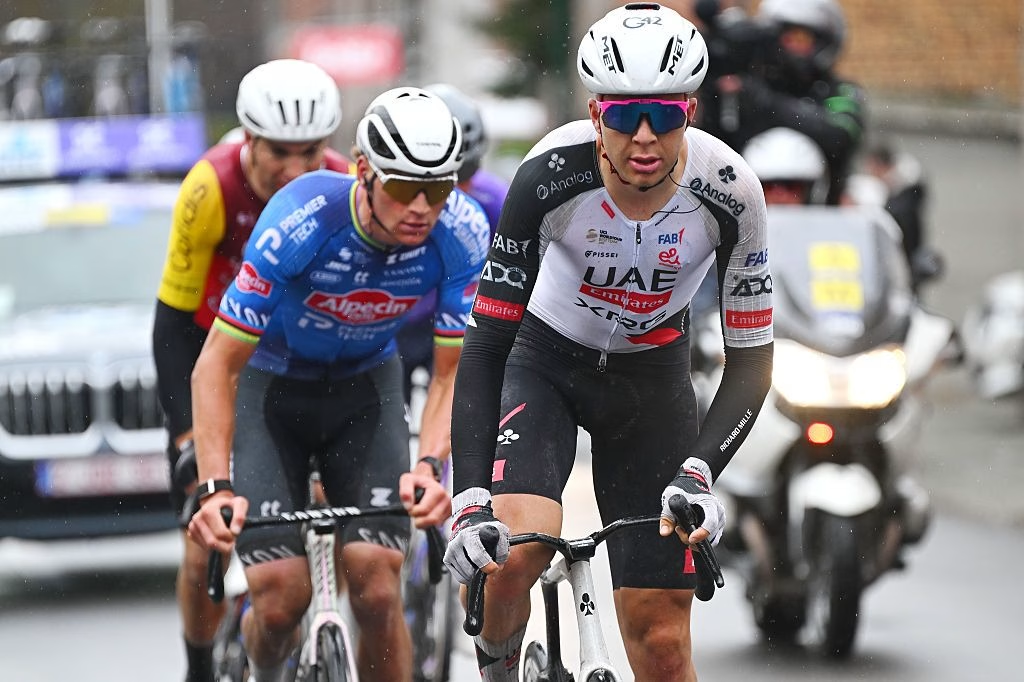
Florian Vermeersch is one of the most interesting riders just below the first rank of favourites. He has the engine for a hard race, the confidence to commit from distance and the type of team around him that can help make the race awkward before the final selection. If the favourites hesitate, he is exactly the sort of rider who can benefit. His form is also very good with strong results already this spring campaign.
Christophe Laporte also deserves to be highlighted, even if calling him an outsider feels slightly misleading. The main reason is simple. He starts on the same team as Van Aert. Yet that can actually work in his favour if rivals focus too much on the Belgian and leave Laporte just enough room to move.
Per Strand Hagenes is another rider who can no longer be viewed as only a support option. He has already shown enough in the past week to suggest he can be a genuine factor if the race fragments in stages rather than through one single knockout move.
Max Kanter also sits in the category of rider who could turn strong recent form into a major result if the front group is slightly larger and the very biggest favourites begin looking at one another too long.
What sort of race suits which rider?
If the race turns into a hard but controlled selective sprint from a small group, Van Aert, Pedersen, Philipsen and De Lie all make obvious sense.
If it becomes more of a long-range power race, Ganna and Vermeersch start to look more dangerous.
If the race fractures repeatedly and becomes tactical between several front groups, then Visma and Lidl-Trek look especially well placed because of how many meaningful cards they can still play late on.
That is what makes Dwars door Vlaanderen so compelling. It is selective enough to expose weakness, but still open enough that team structure and timing can decide the result.
Prediction
Van Aert remains the strongest pick because the race sits in exactly the zone where his strengths overlap. It is hard enough to reward endurance and positioning, open enough to reward tactical flexibility, and supported by what looks like the deepest team in the race.
Pedersen and Philipsen look like the clearest alternatives. Ganna is the rider most likely to reshape the race if he decides waiting is not good enough. De Lie is the contender who may benefit most if the race comes back together slightly more than expected.
For readers following the wider week, this piece sits naturally alongside the Men’s Dwars door Vlaanderen 2026 team-by-team guide, the Full start list for Men’s Dwars door Vlaanderen 2026, the How to watch Dwars door Vlaanderen Women 2026 in the UK, and the How to watch Ronde van Vlaanderen 2026 in the UK.