
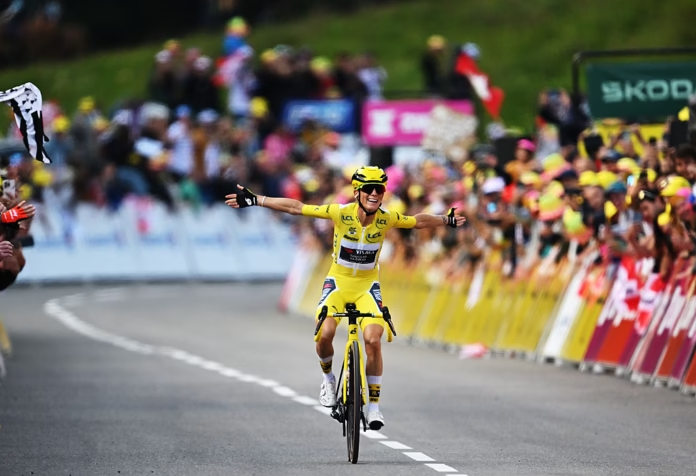
If you are trying to understand women’s cycling quickly, the easiest place to start is with the races that carry the most weight. Some matter because of their history. Some matter because they are the biggest annual targets on the Women’s WorldTour. Some matter because winning them changes how a rider is remembered.
The clearest way to break it down is into the most important one-day races and the most important stage races. Together, they form the backbone of the season and the clearest guide to where the sport’s biggest prizes really sit.
The most important one-day races in women’s cycling
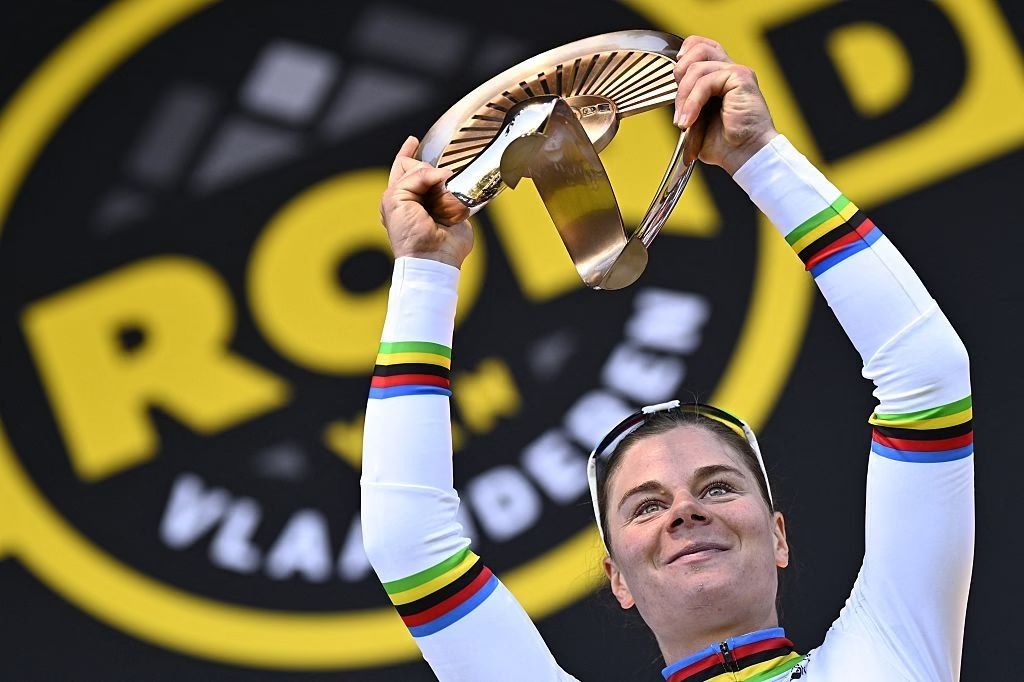
Tour of Flanders Women
Tour of Flanders Women is one of the biggest and most prestigious one-day races in the sport. The cobbles, short climbs and repeated positioning battles make it one of the purest monument-style tests in women’s cycling.
It is also one of the clearest races for understanding the northern Classics. Riders need strength, bike handling, resilience and tactical patience, all on roads where mistakes are heavily punished. Winning Flanders is career-defining.
Paris-Roubaix Femmes
Paris-Roubaix Femmes has become one of the top prizes on the calendar in a very short time. The cobbled sectors, the brutality of the route and the finish in the Roubaix velodrome give it an immediate sense of scale and prestige.
It is already one of the defining one-day races of the modern era. For many riders, it is the hardest race to win well because the road itself never really lets the race settle.
Milano-Sanremo Donne
Milano-Sanremo Donne matters because of the race name, the distance, the place it holds in cycling culture and the significance of its return. It gives women’s cycling one of the sport’s most iconic spring dates and already feels like one of the headline one-day events of the year since its return to the calendar.
Its identity is slightly different from Roubaix or Flanders. It is more tactical, more open to different rider types and often shaped by what happens on the Cipressa and Poggio rather than by one long period of pure attrition.
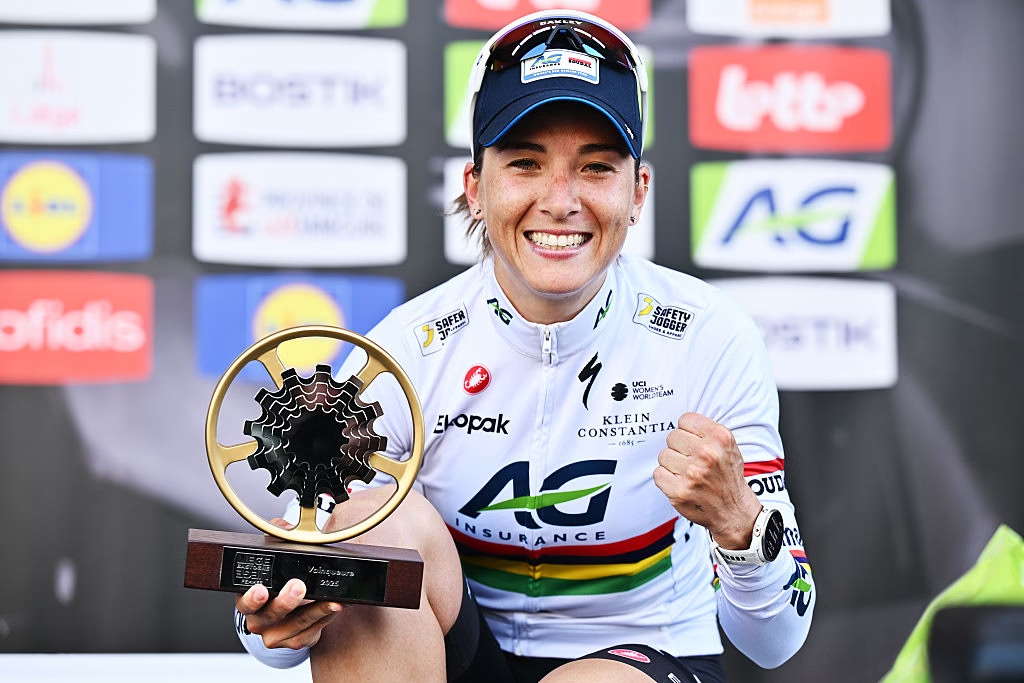 Photo Credit: Getty
Liège-Bastogne-Liège Femmes
Liège-Bastogne-Liège Femmes is one of the most important climbing Classics in the sport. It is the biggest Ardennes-style prize on the women’s one-day calendar and one of the clearest targets for puncheurs, climbers and elite all-rounders. Despite the women’s race being relatively new, it has inherited the prestige from the men’s race.
Because of its prestige and difficulty, Liège is one of the races that most clearly help define a rider’s reputation as a complete one-day specialist.
Strade Bianche Women
Strade Bianche Women may be younger than the oldest Classics, but in modern cycling, it is one of the most important races in the sport. The gravel roads, the distinctive route and the style of racing have made it one of the standout one-day events of the season.
It does not have the same century-long history as some of the older races, but in present-day terms, it is absolutely one of the most prestigious wins a rider can take.
Trofeo Alfredo Binda
Trofeo Alfredo Binda belongs in this top group as well. It is one of the oldest and most prestigious women’s races on the calendar and, in many ways, one of the closest things women’s cycling has to a monument in historical terms, even without a men’s equivalent.
That matters. Binda is not important because it mirrors a men’s race. It is important because it has built its own status over time and has long been one of the races that truly matters in women’s cycling on its own terms.
Amstel Gold Race Women and La Flèche Wallonne Féminine
Amstel Gold Race Women and La Flèche Wallonne Féminine are also major targets. Amstel opens the Ardennes block, while Flèche has one of the most recognisable finishes in the sport with the Mur de Huy.
They may sit just below the absolute top headline races for some casual fans, but within the sport they remain central one-day prizes and key markers of spring form.
The most important stage races in women’s cycling
Tour de France Femmes avec Zwift
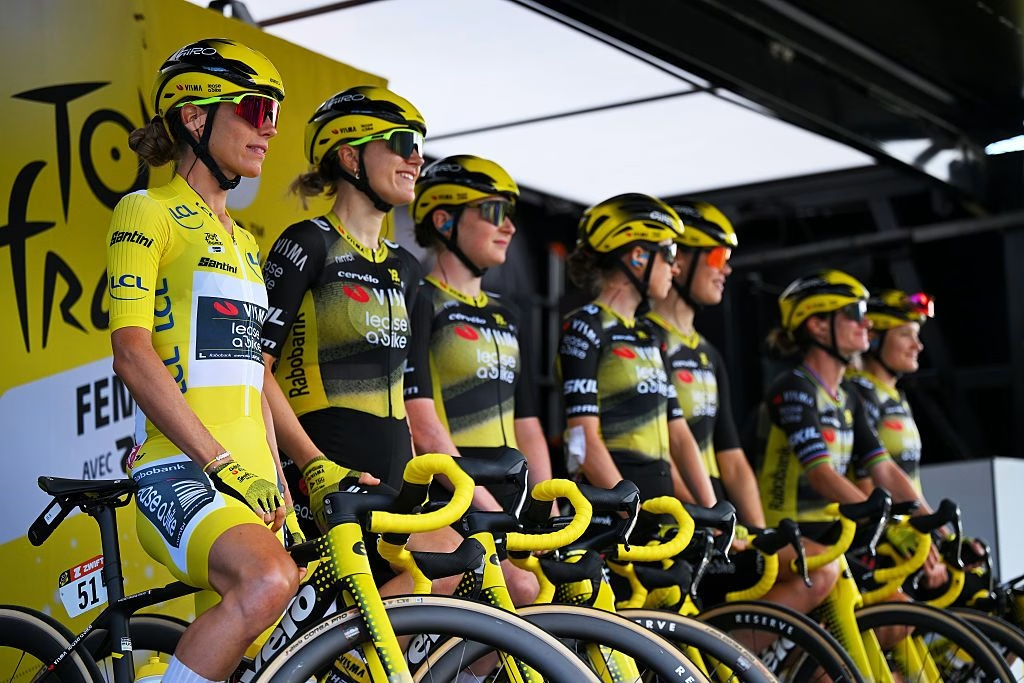
Tour de France Femmes avec Zwift is the biggest stage race in women’s cycling. In terms of public profile, prestige, visibility and wider cultural reach, it stands above everything else.
Winning the Tour changes a rider’s place in the sport. It is the clearest general classification prize in the modern women’s calendar and the stage race that most obviously defines a season.
Giro d’Italia Women
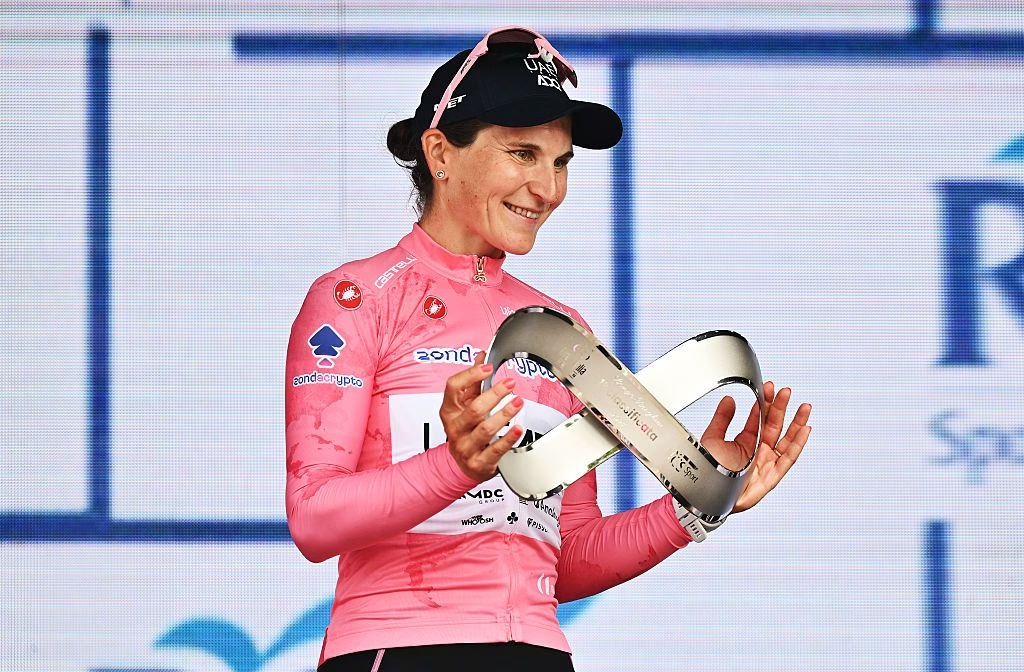
Giro d’Italia Women remains one of the cornerstone stage races of women’s cycling. It has the deepest historical roots of the major women’s stage races and still carries enormous weight.
Even with the rise of the Tour de France Femmes, the Giro remains one of the sport’s defining GC prizes. Its heritage matters, and so does its place in the identity of women’s stage racing.
La Vuelta Femenina
La Vuelta Femenina has become one of the key stage races on the calendar and completes the trio of the biggest Grand Tour-style events in women’s cycling.
It is now one of the clearest season-shaping targets for general classification riders and one of the races that helps define how the balance of power looks among the top stage racers.

Tour of Britain Women
Tour of Britain Women deserves a place high on the list because of its importance in the British market, its strong history, and the role it has played in giving women’s cycling visibility outside the traditional continental core.
It may not always have the same mountain-heavy GC profile as the biggest southern European races, but in terms of profile, development and significance for the sport, it has been one of the most important women’s stage races of the modern era.
Itzulia Women
Itzulia Women also belongs in the conversation, not only because of its current WorldTour standing but because of the Basque region’s deeper connection to women’s stage racing.
It is not the same race as Emakumeen Bira, but it does carry a linked regional and historical significance. In that sense, Itzulia Women feels like part of a longer Basque stage-racing tradition rather than a completely isolated modern addition.
Tour de Suisse Women
Tour de Suisse Women has also grown into a meaningful stage race on the calendar. It does not sit on the same tier as the Tour, Giro or Vuelta, but it has become one of the more important shorter WorldTour races for climbers and GC riders.
It is one of the races that increasingly helps fill out the structure of the season for riders targeting week-long stage racing rather than only the three biggest headline events.
Which races matter most overall?
If you wanted the shortest possible list of the biggest annual races in women’s cycling, it would probably look like this:
One-day races
- Tour of Flanders Women
- Paris-Roubaix Femmes
- Milano-Sanremo Donne
- Liège-Bastogne-Liège Femmes
- Strade Bianche Women
- Trofeo Alfredo Binda
Stage races
Just below that top line, but still clearly important, you would place races such as Itzulia Women, Amstel Gold Race Women, La Flèche Wallonne Féminine and Tour de Suisse Women.
-
 Photo Credit: Billy Ceusters / Getty Images

Where do the World Championships and Olympics fit?
The UCI Road World Championships and the Olympic road race sit slightly outside the normal trade-team calendar, but they are among the biggest prizes in the sport.
They are not annual Women’s WorldTour races in the same way as the events above, yet in terms of status they belong in any serious discussion of the biggest goals in women’s cycling. A rainbow jersey or Olympic title carries a different kind of prestige, but it is every bit as important.
The simplest way to understand women’s cycling
If you are trying to understand women’s cycling quickly, the easiest route is this:
Watch the biggest spring one-day races such as Tour of Flanders Women, Paris-Roubaix Femmes, Trofeo Alfredo Binda, Strade Bianche Women and Milano-Sanremo Donne.
Then follow the major stage races, especially the Tour de France Femmes, Giro d’Italia Women and La Vuelta Femenina.
That combination gives you the clearest view of the sport’s biggest riders, biggest teams and biggest prizes.

