Shimano’s road groupset range can look like a wall of similar names until you understand what changes as you move up the ladder. Going into 2026, the landscape is fairly clear: Shimano’s performance road line is led by 12-speed Di2 at the top end, 105 remains the key decision point for most riders, and Tiagra, Sora and Claris continue to cover the entry-level and everyday workhorse market.
This guide breaks down Shimano’s current road hierarchy in plain terms, explains what each level is actually for, and helps you match a groupset to your budget and riding goals in the UK, whether that’s club runs, sportives, commuting or racing.
Shimano’s road groupset hierarchy
In descending order, Shimano’s mainstream road groupsets sit like this:
- Dura-Ace R9200 (12-speed, Di2)
- Ultegra R8100 (12-speed, Di2)
- 105 Di2 R7150 (12-speed, Di2)
- 105 R7100 mechanical (12-speed)
- Tiagra R4700 (10-speed)
- Sora R3000 (9-speed)
- Claris R2000 (8-speed)
A useful detail when you are reading bike listings: Shimano road groupsets use model numbers starting with R, and the higher the number, the higher the tier and generally the newer generation.
What you really gain as you move up
People often assume the difference is only weight, but the more noticeable changes are usually about feel and usability.
Shifting: mechanical versus electronic
Mechanical shifting is simple, serviceable and familiar. It relies on cable tension and needs occasional adjustment as parts bed in and cables stretch.
Di2 electronic shifting is consistent and crisp in all weather. Once set up, it tends to stay accurate for a long time. The trade-off is cost and the need to keep the system charged. For many UK riders, especially those riding through winter grime and rain, the appeal is that consistent shifting and lower adjustment fuss.
Braking: where disc takes over
At the higher end, disc braking is the dominant choice on new road bikes, especially for UK conditions where wet roads are part of normal life for much of the year. Rim brakes still exist in some premium areas of the market, but if you’re buying a new bike now, disc is increasingly the default.
Gearing: range and usability
Higher-tier groupsets usually offer more refined gearing options and cleaner shifting under load. But range is not only a premium feature. Modern 105 12-speed options can give very usable gearing for hilly sportives, while Tiagra remains practical and durable for rolling terrain and commuting.
The top end: Dura-Ace and Ultegra
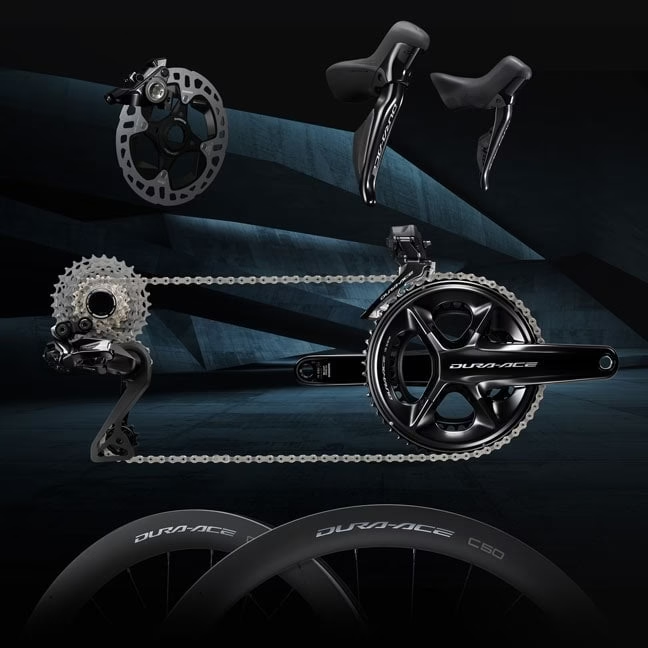
Dura-Ace R9200
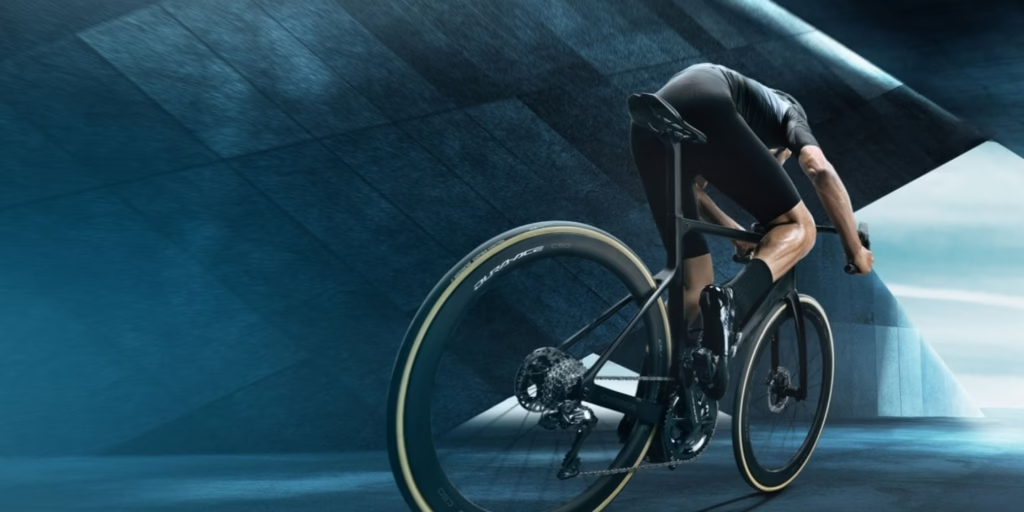
Dura-Ace is Shimano’s flagship. It is built for maximum performance with the lightest materials, the most polished finishing and the most refined Di2 experience. In real terms, it is aimed at riders who value the best feel and the smallest performance details, as well as racers building a top-tier bike for hard training and competition.
In the UK, Dura-Ace makes the most sense for:
- Serious racers who already have the engine and want the lightest, sharpest setup
- Riders who do lots of fast group rides and want top-tier braking and shifting reliability
- People building a dream bike where budget is not the deciding factor
The honest truth is that the performance gains over Ultegra are usually marginal for most riders. The difference is refinement and prestige more than transformational speed.
Ultegra R8100
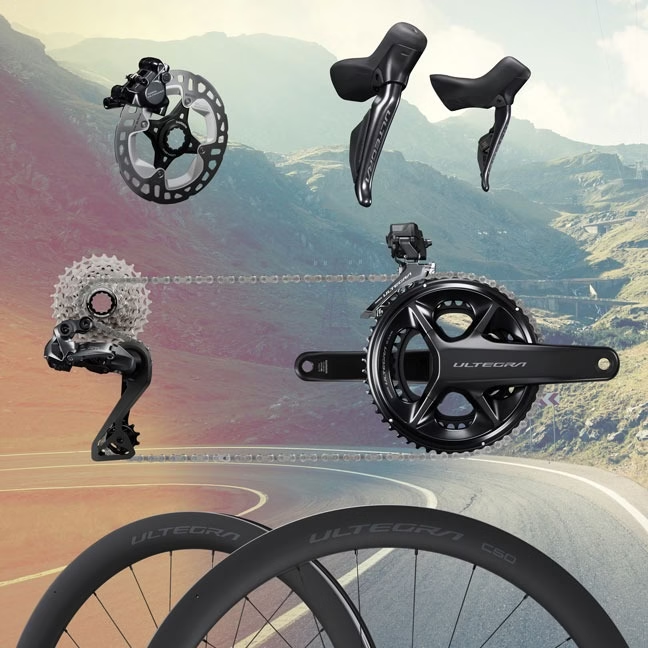
Ultegra is often the most sensible premium option. You get a lot of the same modern Di2 feel as Dura-Ace at a lower cost, with a small weight penalty that most riders will never notice on the road. If you ride frequently, ride in all conditions, and want a groupset that feels high-end without going all-in on cost, Ultegra is a strong place to land.
In the UK, Ultegra makes the most sense for:
- Regular sportive riders who want reliable shifting and confident braking in wet conditions
- Club riders who ride year-round and want a drivetrain that stays consistent
- Riders upgrading from older 11-speed who want a modern, premium setup without paying Dura-Ace money
The key decision point: 105 in two forms
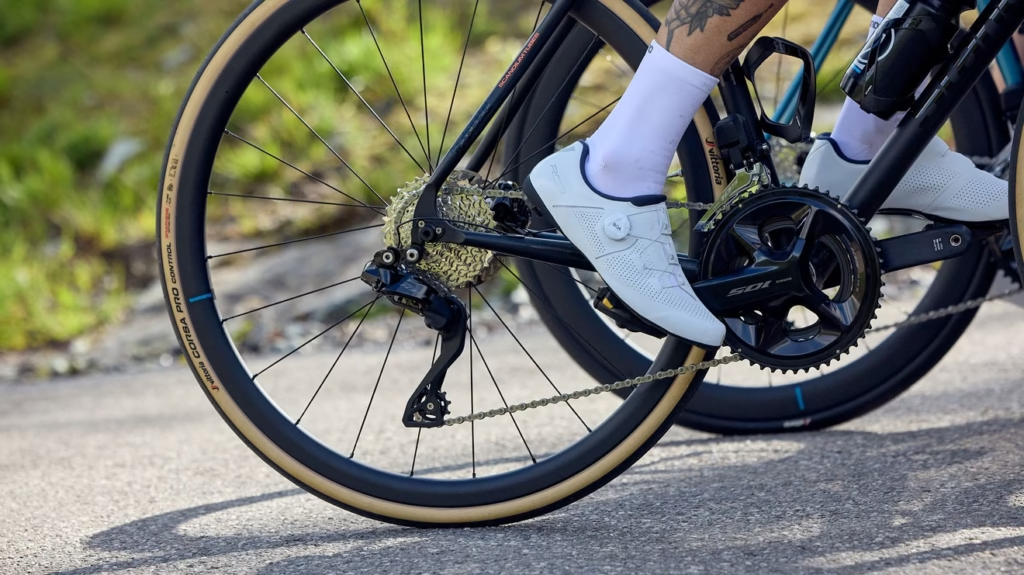
Shimano 105 is where most riders should begin their decision-making, because it is the tier that can cover everything from weekend sportives to faster group rides without feeling like a compromise.
105 Di2 R7150
105 Di2 is for riders who want modern electronic shifting at a more realistic price. It brings that clean, consistent shifting experience and tends to feel particularly valuable in winter training, where cable systems can suffer from grit, salt and constant wet.
105 Di2 makes the most sense for:
- Riders doing regular sportives and long days where reliable shifting under fatigue matters
- UK all-weather riders who want less mechanical adjustment
- Riders who want a modern, clean cockpit feel and are happy charging the system occasionally
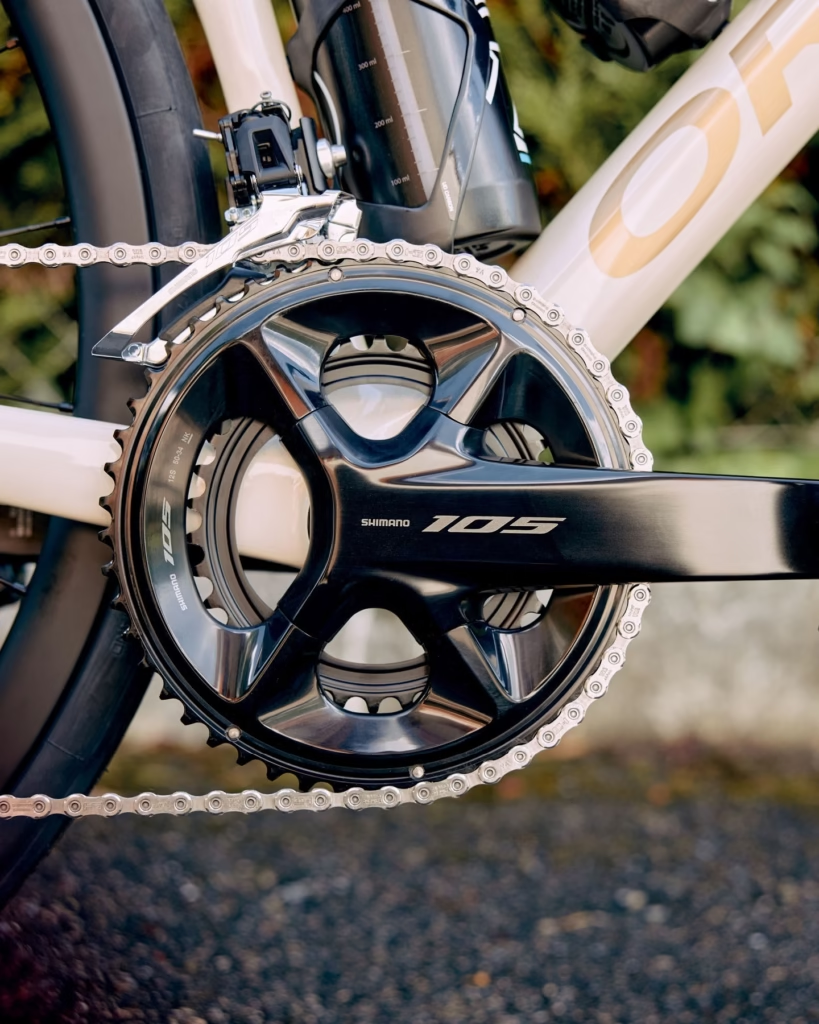
105 R7100 mechanical
105 mechanical is a big deal because it offers modern 12-speed shifting without electronics. For riders who prefer simplicity, or who travel frequently and want minimal dependencies, it is a very strong option. It can also be the best value choice for someone who wants performance but would rather spend money on wheels, tyres and winter kit than on Di2.
105 mechanical makes the most sense for:
- Riders training for sportives who want strong performance and easy home maintenance
- Riders joining club rides who need reliable shifting but prefer cables
- Riders who want a long-term, sensible setup with low running complexity
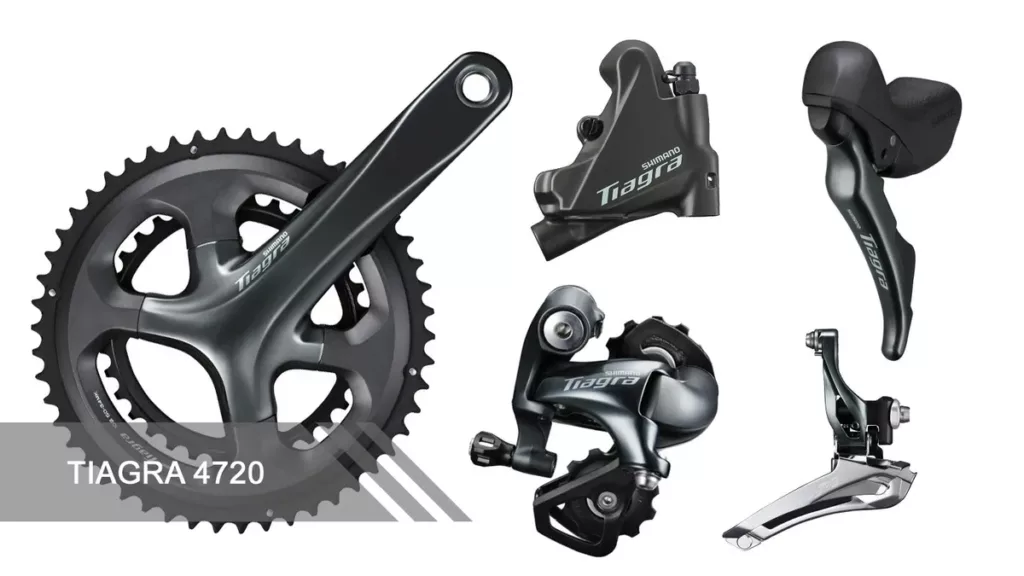
The workhorse tier: Tiagra
Tiagra remains a dependable choice on affordable road bikes, winter bikes and commuting setups. It is not about chasing the latest gear count. It is about durability, sensible cost of replacement parts and a straightforward mechanical system.
In the UK, Tiagra makes the most sense for:
- Newer riders building fitness through commuting and weekend rides
- Riders doing steady sportives who care more about finishing comfortably than racing for time
- Riders who want a winter road bike where reliability matters more than prestige
- Anyone prioritising value and durability over the newest tech
If your long-term goal is racing or very fast club riding, many riders eventually move beyond Tiagra, but it can still do a lot of work before you ever feel held back.
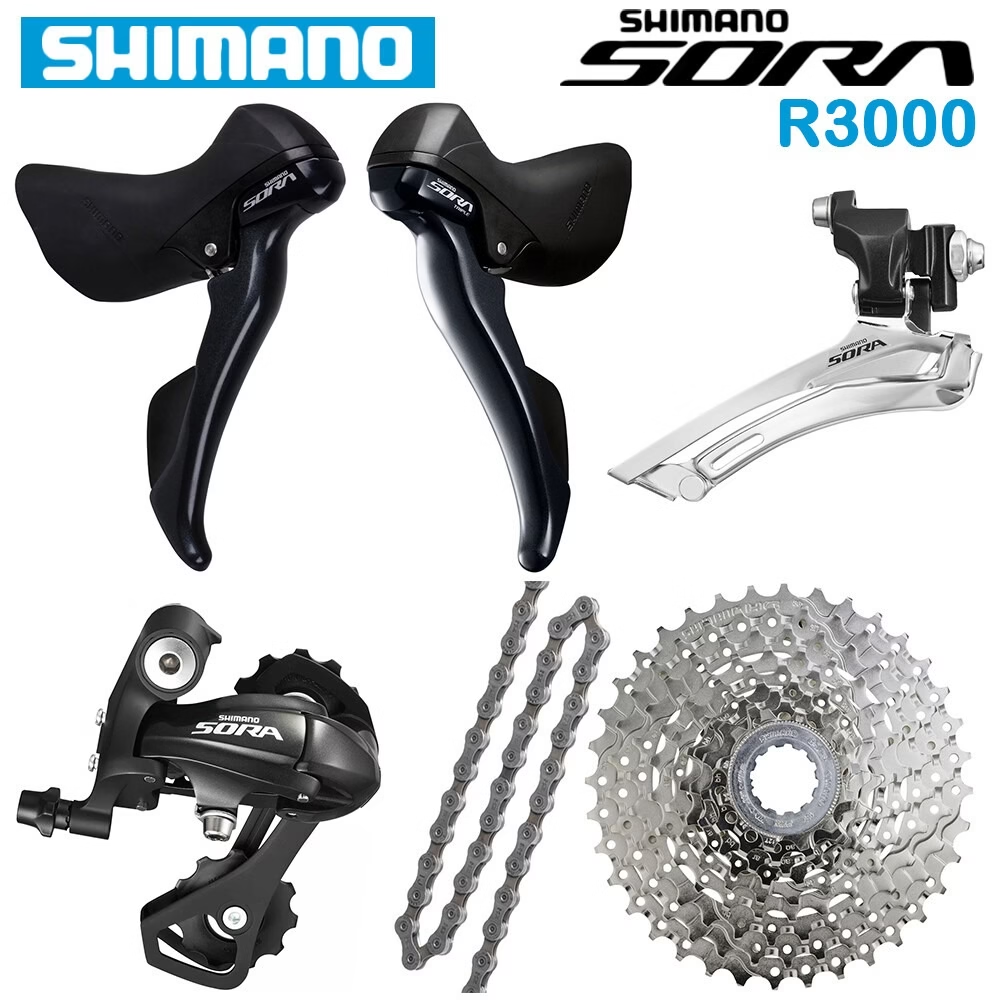
Entry-level: Sora and Claris
Sora and Claris are common on first road bikes and budget commuters. They are simple, tough and easy to live with, especially if the bike is used for short rides, city commuting and weekend spins.
Where they can feel limiting is when riding becomes more ambitious: longer sportives, hilly routes, or fast group riding, where closer gear steps and smoother shifting feel more important. That does not make them bad; it just defines what they are built for.
In the UK, Sora and Claris make the most sense for:
- First road bikes and shorter commutes
- Riders building confidence before investing more
- Casual weekend riding where simplicity is the priority
What groupset should you buy at different budgets?
Groupset choice is often dictated by the full bike price, not just the drivetrain itself. In the UK market, these are typical patterns that tend to make sense.
Under £1,000: getting started without wasting money
You will commonly see Claris, sometimes Sora. The priority here is fit, comfort and reliability. A well-fitting bike with Claris that you actually ride beats an uncomfortable bike with a higher badge.
Best for:
- New riders building confidence
- Short commutes and weekend riding
- Light training with no pressure to go fast
What to prioritise alongside the groupset:
- Tyres with puncture protection
- Mudguards if you commute
- Good lights if you ride in low light
£1,000 to £2,000: the value zone for consistent riding
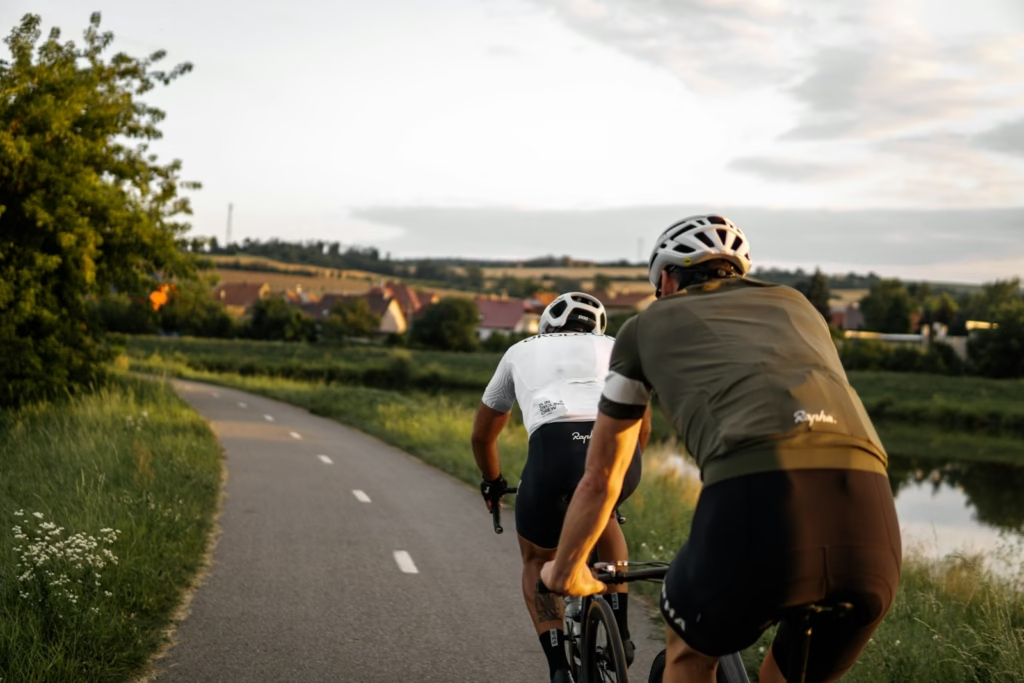
This is where Sora and Tiagra are common, and sometimes you will find good deals that reach 105 mechanical, depending on the bike brand and spec.
Best for:
- Steady sportives and regular weekend mileage
- Year-round riding and club social rides
- Commuting where durability matters
Smart choices in this bracket:
- Tiagra can be a better real-world option than chasing a flashy frame with weaker wheels
- If you can get 105 mechanical on a well-rounded bike, it is often a long-term keeper
£2,000 to £3,500: the sportive and club rider sweet spot
This is where 105 mechanical and 105 Di2 show up frequently, with some Ultegra options on sale bikes or previous-season models.
Best for:
- Regular sportives, including hillier routes in Wales, the Peaks and the Lakes
- Faster club rides where shifting under load matters
- Riders who want a bike that feels genuinely capable for years
How to choose within this range:
- Choose 105 mechanical if you want simplicity and strong value
- Choose 105 Di2 if you ride year-round and want consistent shifting with less adjustment
- Consider stretching to Ultegra if you find a good deal and you ride high mileage
£3,500 and up: performance focus and premium feel
Ultegra becomes more common here, and Dura-Ace appears on higher-end builds.
Best for:
- Racers and very fast club riders
- Riders who value premium braking and shifting feel
- Those building a long-term “do everything” bike with high-end finishing kit
A practical note:
At this level, wheels, tyres and fit often determine speed and comfort more than moving from Ultegra to Dura-Ace. If you are not racing seriously, Ultegra is frequently the most rational top-end choice.
Practical buying tips for UK riders
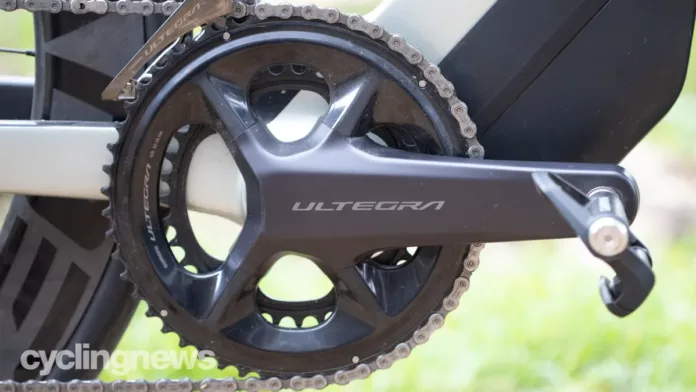
A few details often matter more than the logo on the crank:
- Prioritise gearing that suits your riding. If you live in a hilly area or ride sportives, a wider cassette range can make the day far more enjoyable.
- In UK winter conditions, drivetrain wear is real. Budget for chains, cassettes and brake pads, especially if you ride through salt and grit.
- Disc brakes are valuable for year-round riding, particularly in wet weather, but only if you maintain them properly and keep pads fresh.
- A bike that fits well and has good tyres will feel faster and more enjoyable than a higher groupset on a poor setup.
The simplest way to decide
If you want one clear takeaway going into 2026, it is this: 105 remains the smartest benchmark. Mechanical 105 is the best value performance option for many riders, 105 Di2 is the most accessible route into electronic shifting, Ultegra is the premium sweet spot for high-mileage riding, and Dura-Ace is the elite choice for riders who want the very best regardless of cost.
Once you match that to your UK riding goals, commuting, club runs, sportives or racing, the decision becomes much easier.