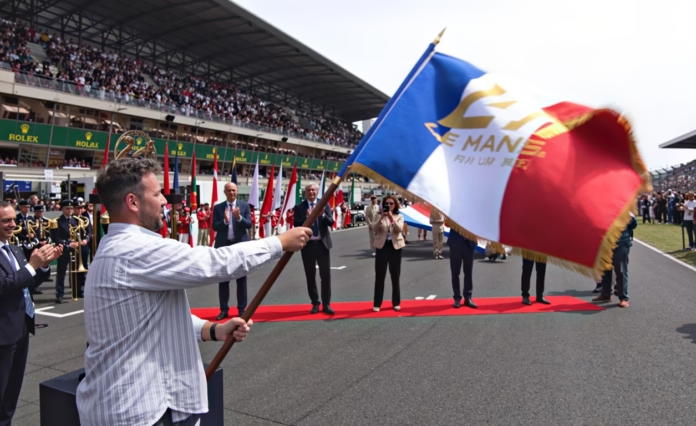
Sir Mark Cavendish has officially started the 2026 24 Hours of Le Mans, waving the flag at 16:00 local time on Saturday, 13th June, as one of cycling’s greatest sprinters took centre stage at one of motorsport’s most famous events.
The Manxman joined a high-profile list of official starters at Le Mans, following names such as Roger Federer, Zinédine Zidane, LeBron James, Rafael Nadal and Brad Pitt.
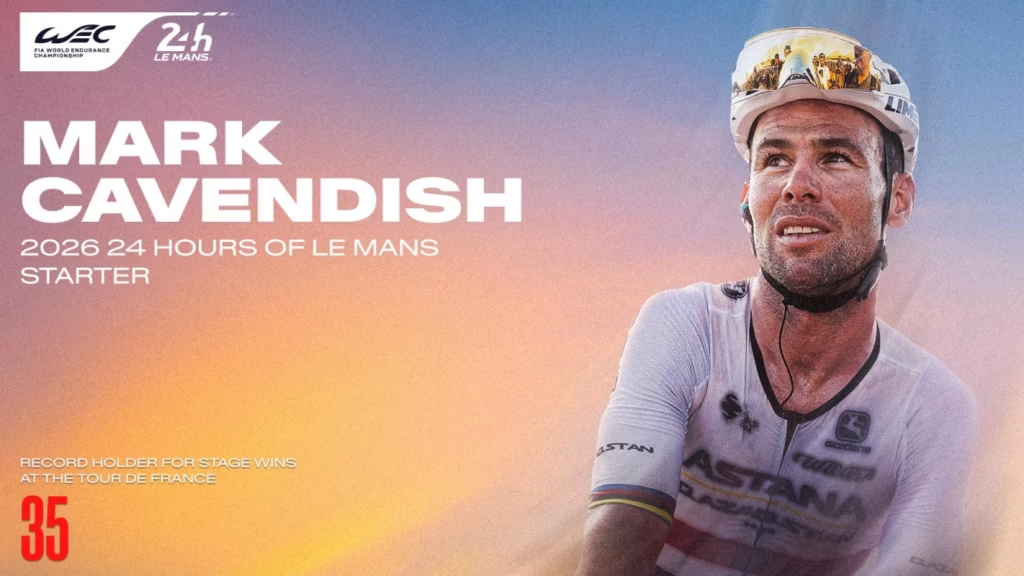
Cavendish joins Le Mans list of sporting greats
The Automobile Club de l’Ouest selected Cavendish as official starter because of his standing in world sport and his deep connection with France.
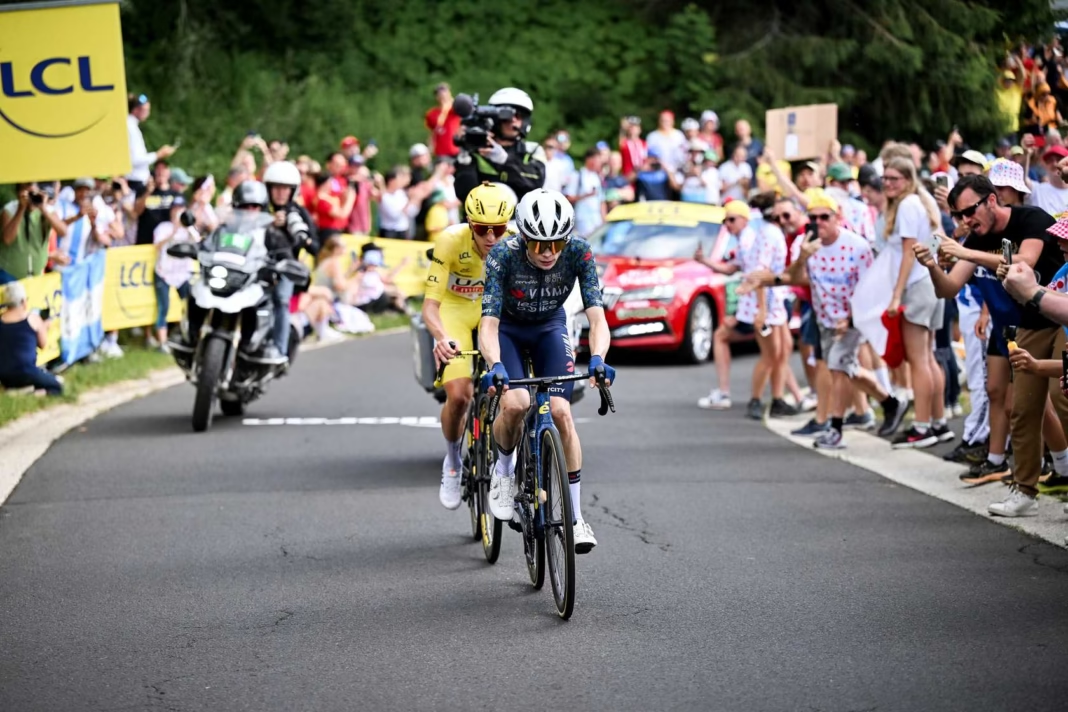
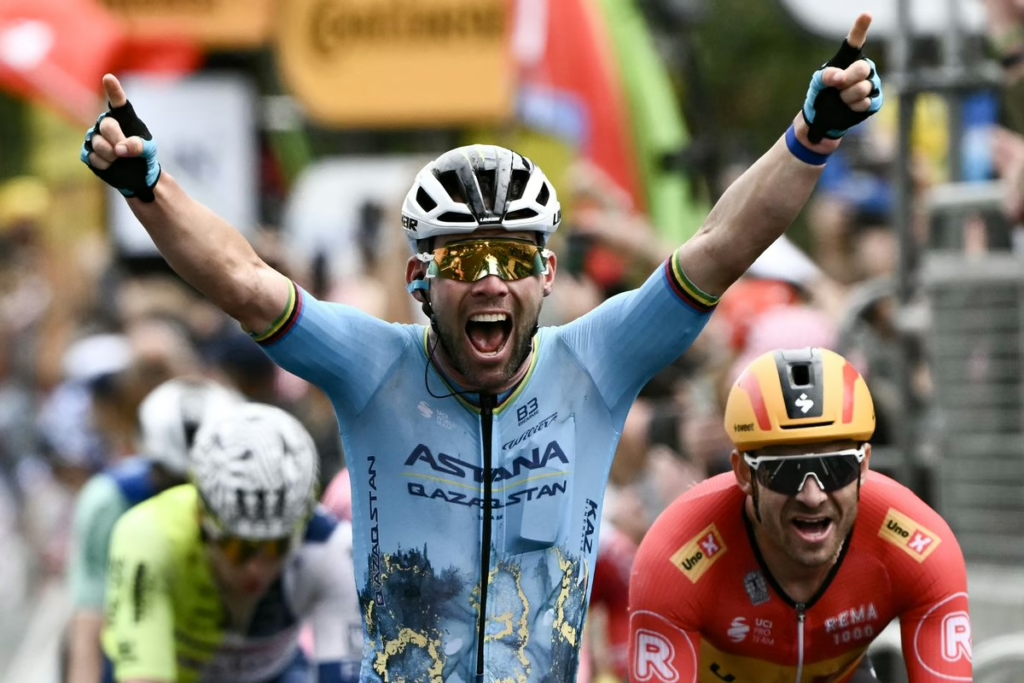
Cavendish holds the record for the most Tour de France stage wins, with 35 victories across a career that stretched from his first Tour appearance in 2007 to his final participation in 2024. That record made him an obvious symbolic choice for an event that, like the Tour, sits among the major French sporting institutions recognised around the world.
Le Mans has often used its official starter role to connect motorsport with wider sporting and cultural figures. Federer started the race in 2025, Zidane in 2024 and LeBron James in 2023, while Nadal and Brad Pitt have also previously been given the honour.
Cavendish now joins that group as one of the few cyclists to be placed at the centre of the Le Mans opening ceremony.
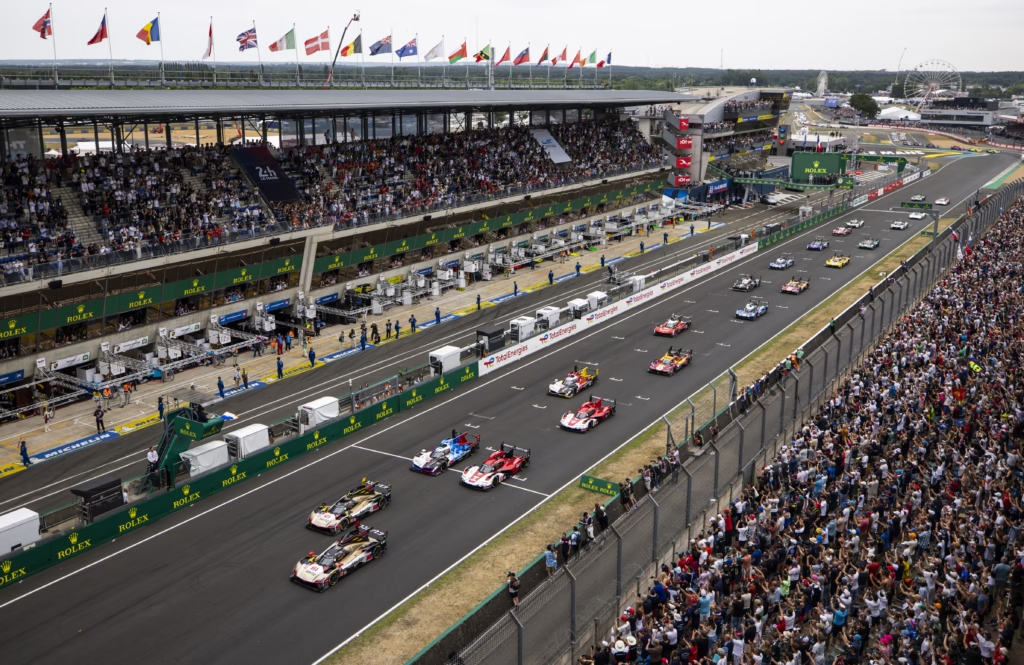
‘France and me go back a long way’
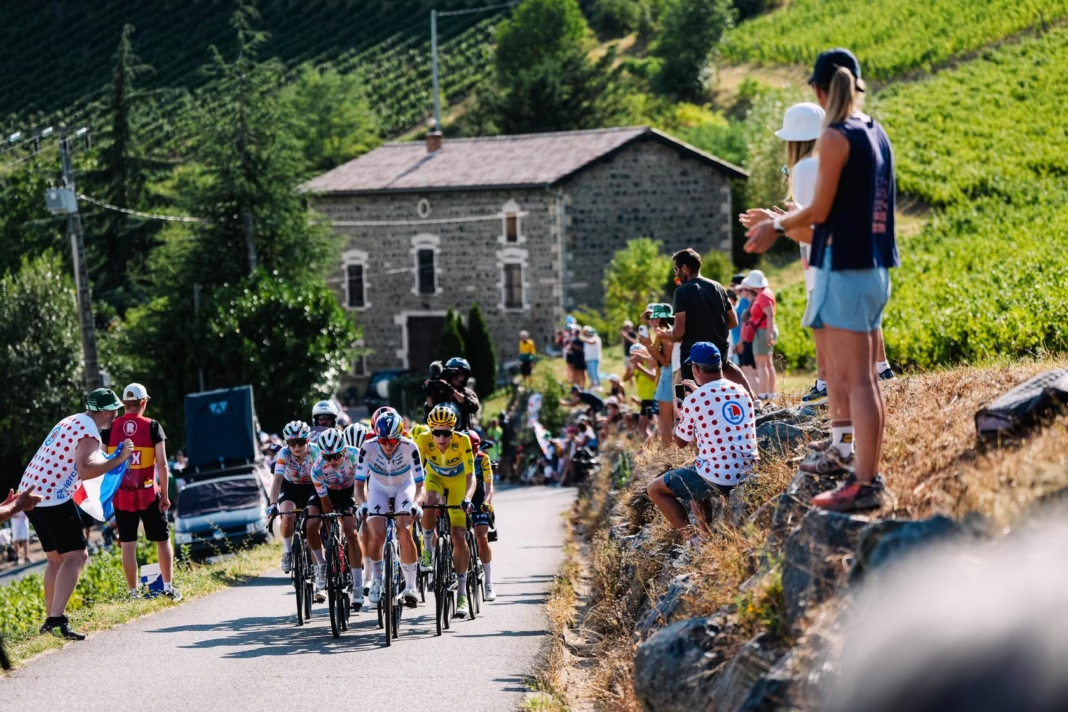
Cavendish’s connection with France has been built largely through the Tour de France, where he became the most successful stage winner in the race’s history.
“France and me go back a long way,” Cavendish said. “The Tour taught me everything I know about pain, glory, and pushing your limits. Some competitions transcend their discipline; they belong to all sports fans everywhere. The 24 Hours of Le Mans is one of them. It’s a temple of sport and I’m looking forward to experiencing the start from the inside.”
That link between the Tour de France and Le Mans was central to the announcement. Both events are French, both carry global recognition, and both have grown beyond their original sporting audience to become part of wider popular culture.
For Cavendish, the role offered a different kind of French sporting stage. His greatest moments in the country came on the bike, usually through high-speed sprint finishes, but at Le Mans he was there as a figure of sporting history rather than as a competitor.
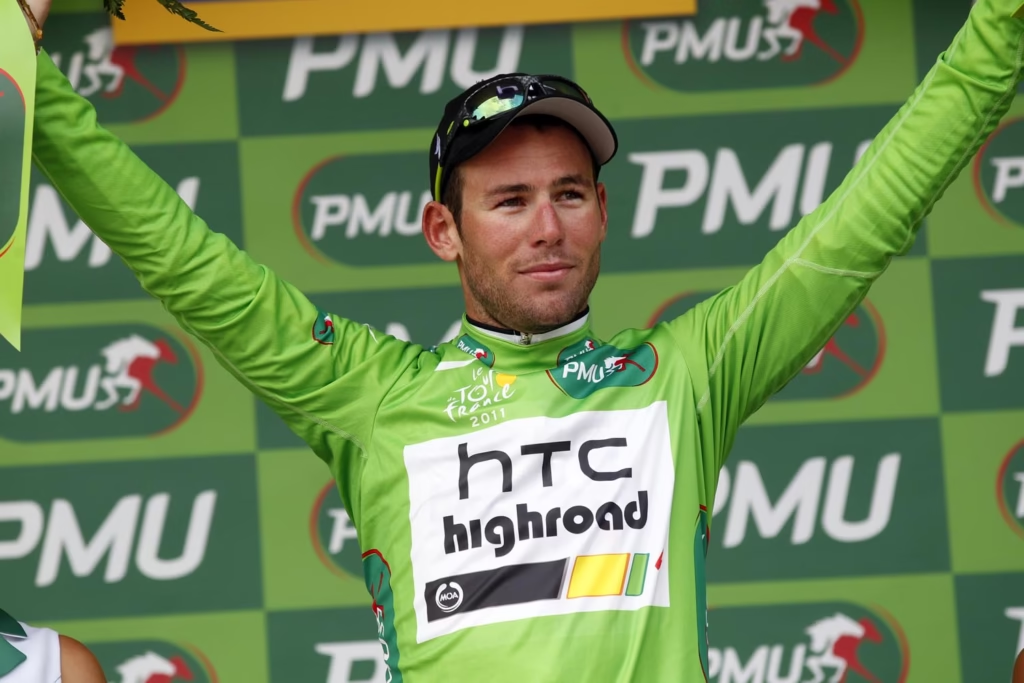
A fitting honour for the Tour de France record holder
Cavendish’s Tour de France record remains the defining achievement of his road career. His 35 stage victories moved him clear as the race’s all-time stage-win leader, breaking a mark that had stood for decades and adding one final landmark to a career already filled with sprinting records.
He was knighted in 2024 after a career that also included world titles, an Olympic medal, Milan-San Remo victory and some of the most recognisable sprint finishes of the modern era.
Pierre Fillon, president of the Automobile Club de l’Ouest, said Cavendish was a natural fit for the role.
“Sir Mark Cavendish is an outstanding sportsman and a fitting starter for our 94th 24-hour race,” Fillon said. “He stands for all that this event holds dear: dazzling performance and shared passion.”
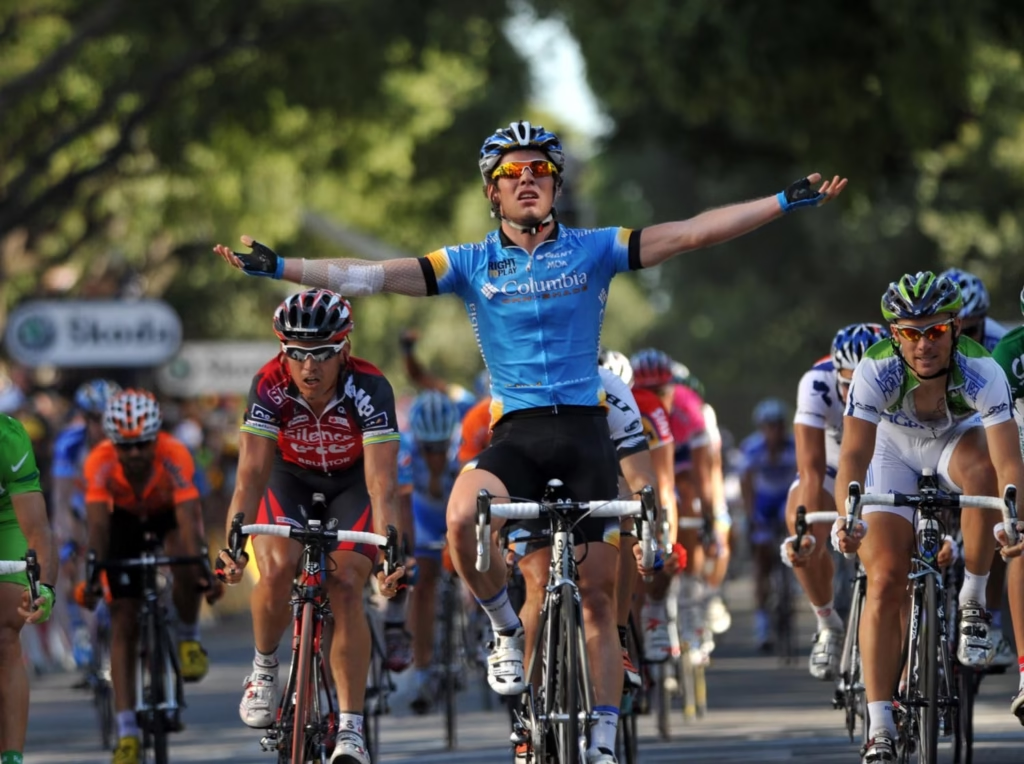
Tour de France and Le Mans share French sporting stage
The choice also made sense because of the similarities between the Tour de France and the 24 Hours of Le Mans. They are very different competitions, but both are built on endurance, suffering, speed, tactics and the ability to perform under pressure when fatigue becomes part of the contest.
Cavendish’s career was not based on endurance in the same way as a Le Mans driver completing repeated stints through day and night, but his Tour career was defined by surviving the hardest race in cycling to reach the sprint chances at the end of each stage.
That shared language of pain, concentration and repetition gave his appearance more weight than a simple celebrity flag-waving role. Cavendish understands the demands of a French sporting institution watched far beyond its own discipline, and that was part of why he suited the moment.
Cavendish remains a major sporting figure after retirement
Since stepping away from professional racing, Cavendish has remained one of cycling’s most recognisable names. His Le Mans appearance shows how far his profile extends beyond the sport itself.
For British cycling, it was also another reminder of the scale of his legacy. Cavendish did not simply win races. He became one of the riders most closely associated with the Tour de France in the modern era, a sprinter whose victories helped define summers of racing for more than a decade.
At Le Mans, he was not chasing another finish line. Instead, he opened one of the world’s most demanding races, standing on a French sporting stage shaped by speed, history and endurance. For a rider whose career was built around all three, it was a fitting post-racing honour.