The best winter cycling gloves depend much more on temperature and rain than on headline insulation. A bulky deep-winter glove can be miserable at 8°C, while a slim windproof glove that feels perfect in autumn can leave your fingers useless close to freezing.
For UK road riding, it makes sense to think in three bands: cool and windy, cold and damp, and genuinely near-freezing weather. Dexterity matters as much as warmth because you still need to brake, shift and operate a computer without fighting the glove.
Best winter cycling gloves for 2026
| Glove | Best for | Why consider it |
|---|---|---|
| Le Col Hors Categorie Deep Winter | Cold winter road rides | Windproof thermal construction, DWR treatment and long cuff |
| Castelli Perfetto RoS | Cool, wet and fast road riding | Slim fleece-lined glove with wind protection and good dexterity |
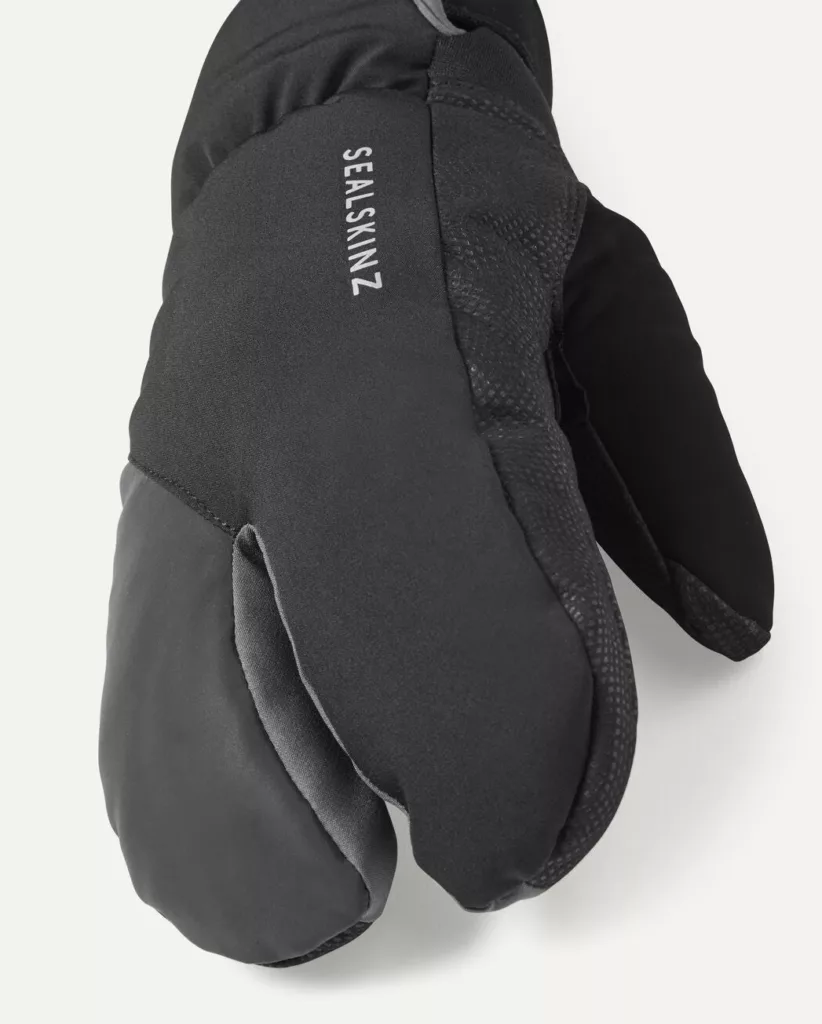
| Sealskinz insulated cycling gloves | Persistent wet weather | Waterproof construction is useful when rain matters more than bulk |
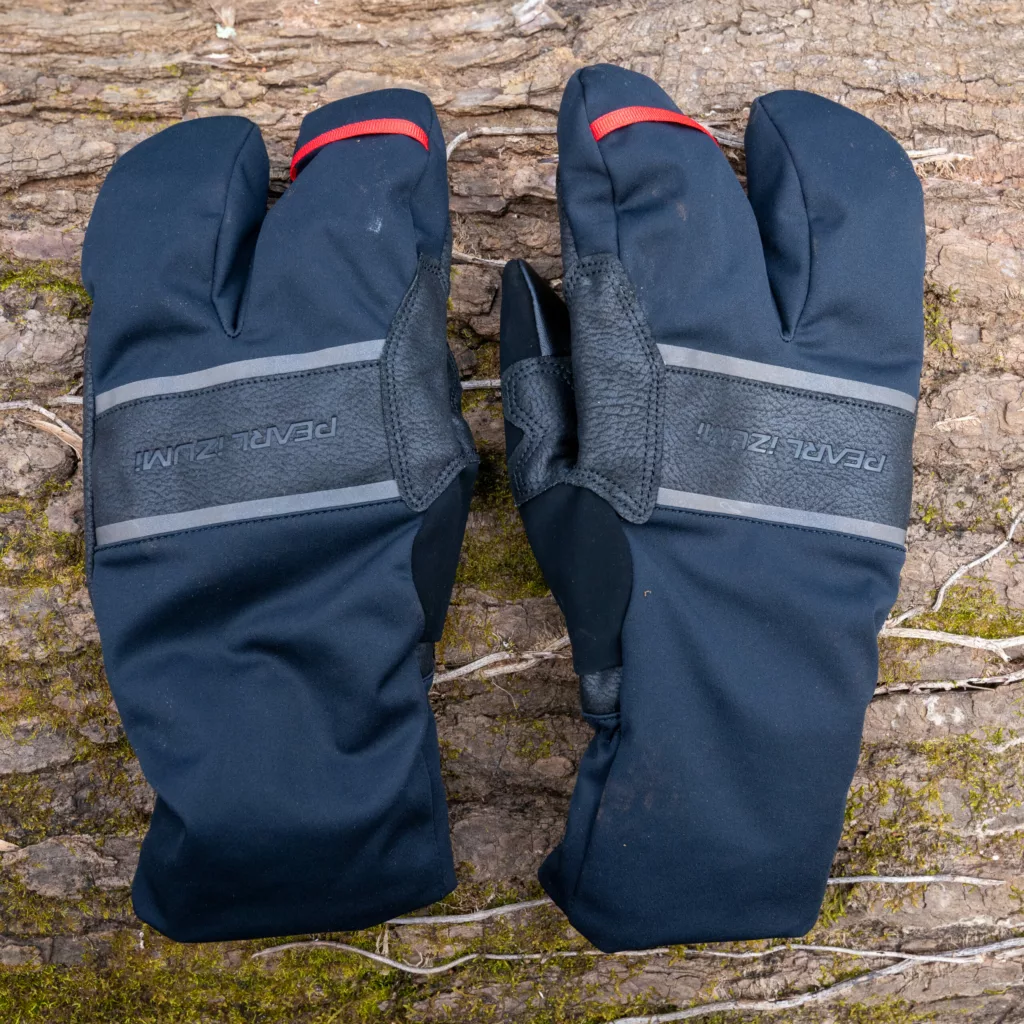
| Pearl Izumi AmFIB Lobster | Very cold conditions | Lobster layout keeps fingers together for more warmth |
Le Col Hors Categorie Deep Winter: the current cold-weather option
Le Col’s current Hors Categorie Deep Winter Gloves are aimed at the coldest part of the road season. They combine windproof thermal fabrics with a DWR coating for showers and spray, silicone palm grip and an elongated neoprene cuff.
At £80 they are not cheap, but the design makes sense for riders who struggle with cold hands and still want enough dexterity for the hoods and controls. See the current Le Col Deep Winter Gloves.
Castelli Perfetto RoS: lighter and more dexterous
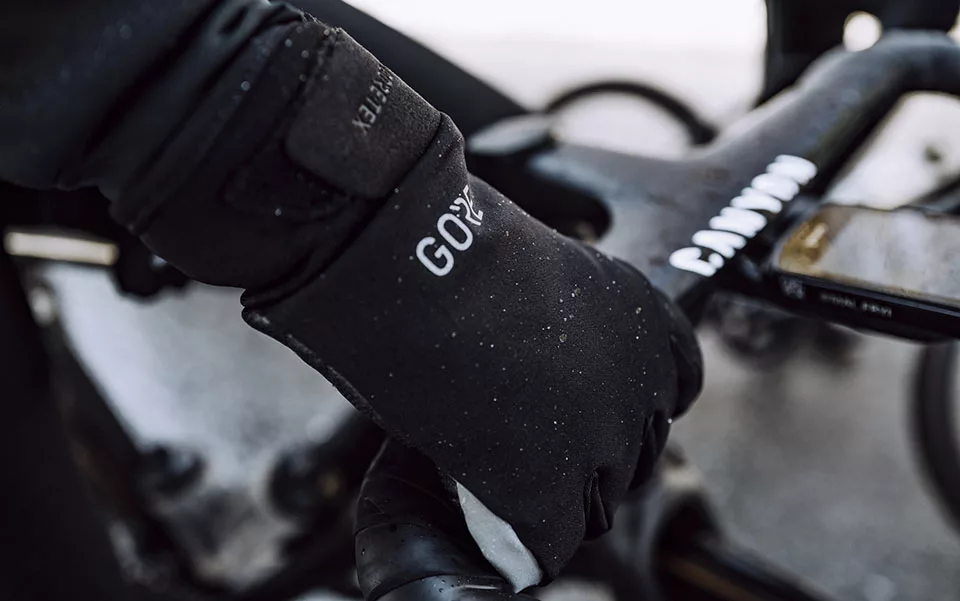
The current Perfetto RoS is a better fit for riders who value bar feel and do not need maximum insulation. Castelli uses GORE-TEX INFINIUM Windstopper fabric with a fleece lining, silicone palm grip and touchscreen fingertips.
Castelli rates it for roughly 4–14°C, which is a much more useful window for hard road riding than a glove designed for deep sub-zero temperatures.
Waterproof vs water-resistant gloves
A fully waterproof glove is useful in sustained rain, but the membrane and insulation usually make it warmer and bulkier. Water-resistant gloves breathe better and can be more comfortable when the roads are wet but rain is intermittent.
Think about the rides you actually do. A commuter exposed to 45 minutes of steady rain has different needs from a club rider working hard for three hours in cold but mostly dry conditions.
When lobster gloves make sense
Lobster gloves pair fingers together, reducing exposed surface area and letting them share warmth. The compromise is less independent finger movement, although cycling-specific designs still split the hand enough to operate brake levers and shifters.
They are useful for riders whose fingers become cold long before the rest of the body, particularly on low-intensity winter rides.
How should winter cycling gloves fit?
Do not size them so tightly that the insulation is compressed or circulation is restricted. There should be enough room to move the fingers naturally without loose material bunching at the fingertips.
The cuff should overlap the jacket sleeve rather than leaving an exposed strip of wrist. Long cuffs also make it harder for rain and cold air to work inside the glove.
Can you use ordinary gloves for cycling?
Yes, if they are warm enough and still let you control the bike properly. Cycling-specific gloves mainly improve grip, cuff shape, padding and dexterity on the controls.
A ski glove may be very warm but unnecessarily bulky. A running glove can be excellent in cool dry weather but quickly become saturated in rain.
How to keep hands warmer without buying heavier gloves
Keep the rest of the body warm. If your core is under-dressed, hands and feet often feel cold sooner. A windproof jacket, appropriate base layer and covered wrists can make the same gloves feel noticeably warmer.
For the wider setup, ProCyclingUK’s waterproof cycling jacket guide and winter cycling gloves comparison cover the rest of the kit choices.
What should you spend?
Around £40–£80 covers most serious winter road gloves. Spending more can improve fabrics and dexterity, but fit and matching the glove to the temperature matter more than the logo.