Cycling holidays live or die on the small details. Where your bike sleeps, how breakfast is timed, whether there is somewhere to rinse kit, and whether the staff understand that your “easy day” still ends with a sweaty climb and a hungry walk back to the dining room.
What follows is a deliberately cycling-first list. These are stays where the bike is central to the experience, not merely tolerated in a corner of the luggage room. Some lean into cycling culture and storytelling. Others are about geography, altitude, and access to iconic roads. All of them make it easier to build a trip around riding, which is the whole point.
What makes a hotel genuinely cyclist-friendly, not just bike-tolerant?
Before the list, it is worth defining the difference.
A cyclist-friendly stay usually means it will store bikes and maybe offer a hose outside. A cycling-first stay tends to deliver a full routine that matches how cyclists actually travel.
Look for:
- Secure, purpose-built bike storage that is easy to access and not treated as an exception.
- Early, substantial breakfast options and staff who understand pre-ride timing.
- Washing and drying facilities or a clear system for wet kit.
- Route support, whether that is maps, GPX files, guided rides, or staff who ride themselves.
- A location that makes riding frictionless, meaning quiet roads, immediate climb access, or well-known cycle routes from the doorstep.
- A culture where other guests are also there to ride, which changes the atmosphere entirely.
With that in mind, here are 10 places that consistently make sense for cyclists travelling abroad, plus one UK option that works brilliantly for a short-break riding reset.

Where can you stay right on the Shimanami Kaido in Japan?
Hotel Cycle, Onomichi, Japan
Hotel Cycle is one of the purest expressions of the “travel with your bike” idea. Onomichi is effectively the gateway to the Shimanami Kaido, and the hotel behaves like a front door to that experience. You arrive, you roll in, and the trip instantly feels like it is about riding.
Why it works for cyclists abroad:
- The location removes planning friction. The Shimanami Kaido is a bucket-list route for a reason, but logistics can be the barrier. Being based in Onomichi turns the ride into a natural extension of your stay, rather than a day trip you have to engineer.
- It suits riders who travel for an experience, not just miles. Japan offers a very specific flavour of cycling travel: clean infrastructure, a sense of calm, and a route that is scenic without being chaotic.
- The bike is treated as central to the guest journey. That matters when you have flown with a bike, and you want the stay to feel built around that effort.
Best for: riders building a full trip around one iconic route, and anyone who wants a cycling holiday to feel immersive from the moment they arrive.
Which boutique hotel feels like a private road-cycling hideaway in the USA?
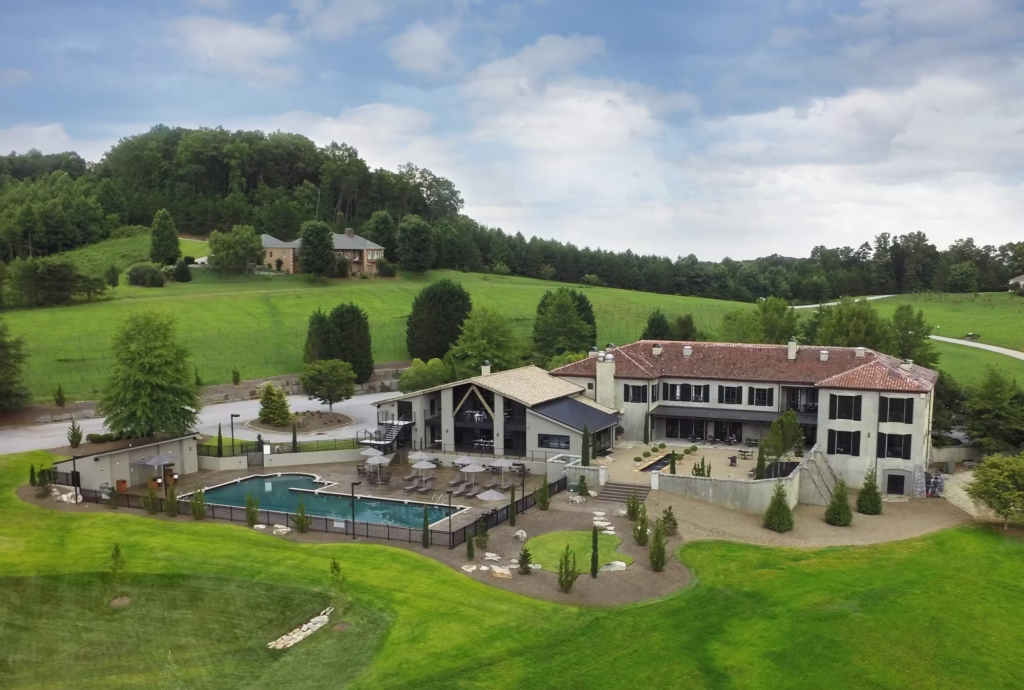
Hotel Domestique, Travelers Rest, South Carolina, USA
Some properties are luxurious first and cycling-friendly second. Hotel Domestique flips that. It is boutique, but its identity is rooted in road cycling culture. That gives it a very particular feel: you are not asking permission to be a cyclist, you are arriving as the expected guest.
Why it works for cyclists abroad:
- The surrounding roads are part of the product. The Blue Ridge foothills deliver the kind of riding that suits long days on the bike: rolling terrain, meaningful climbs, and roads that reward pacing rather than traffic-dodging.
- It fits a training-week mindset. If you travel to ride hard, recover well, and repeat, the property’s tone aligns with that rhythm.
- It is a strong option if you want an American road-cycling trip without big-city logistics. Travelers Rest gives you access to proper riding while keeping the trip focused.
Best for: riders who love road culture and want a base that feels like a cycling retreat rather than a generic luxury break.
What is the best cycling hotel for a Flanders-style trip in Belgium?
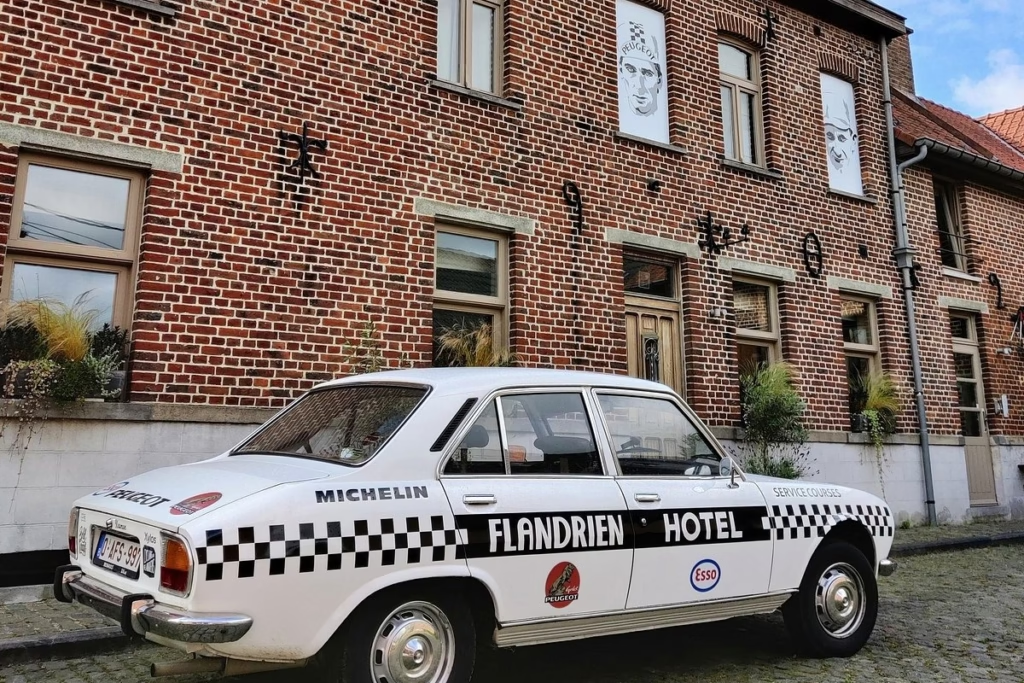
The Flandrien Hotel, Belgium
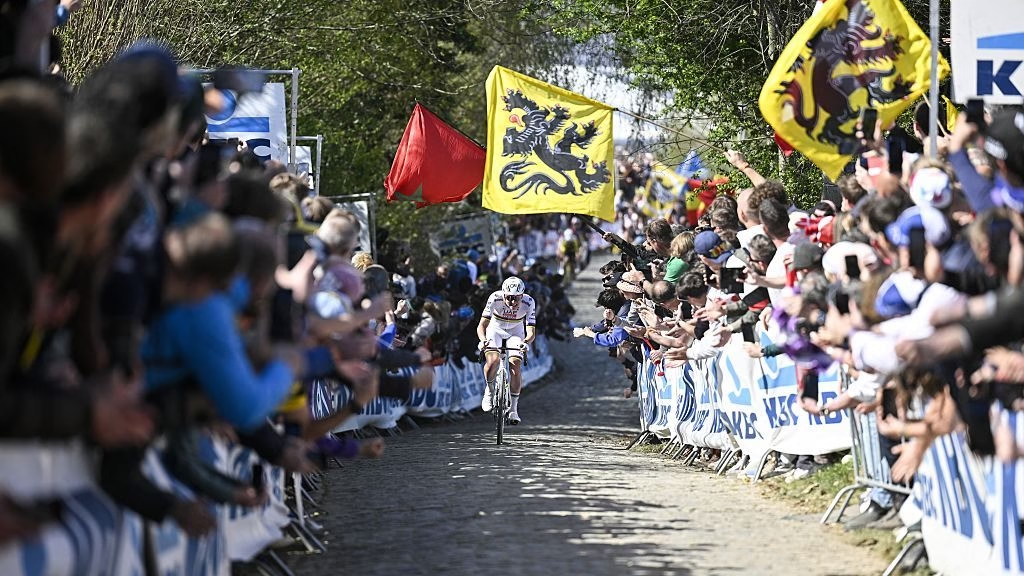
If you want a Belgium trip that feels like living inside the spring Classics, The Flandrien Hotel is a more precise fit than a broadly themed city stay. It is based in the Flemish Ardennes, so the riding starts quickly and stays on the terrain most riders travel for: short, sharp climbs, narrow farm lanes, and stretches of cobbles that demand attention.
Why it works for cyclists abroad:
- Location that suits a Classics-style itinerary. Being in the heart of the Flemish Ardennes means less time commuting to the good roads and more time stacking the climbs and sectors you came for.
- Cycling facilities that match real riding days. Expect secure bike storage, a bike wash area, and workshop-style support that makes multi-day riding simpler and less stressful.
- Laundry and recovery are built into the routine. Having a straightforward system for wet kit and repeat riding days matters on a trip where you are riding hard and starting early again the next morning.
- Strong option if you are not flying with a bike. The hotel offers bike hire, which can suit riders who want to travel light but still ride properly on local roads.
- A cyclist-heavy atmosphere. Most guests are there to ride, which makes the hotel feel like a basecamp. Conversations, meal timings, and day planning tend to revolve around routes rather than generic sightseeing.
Best for: riders who want a proper Flanders cycling week, with the hotel acting as part of the experience rather than just somewhere to sleep.
Which Mallorca hotel works best for a proper cycling week routine?
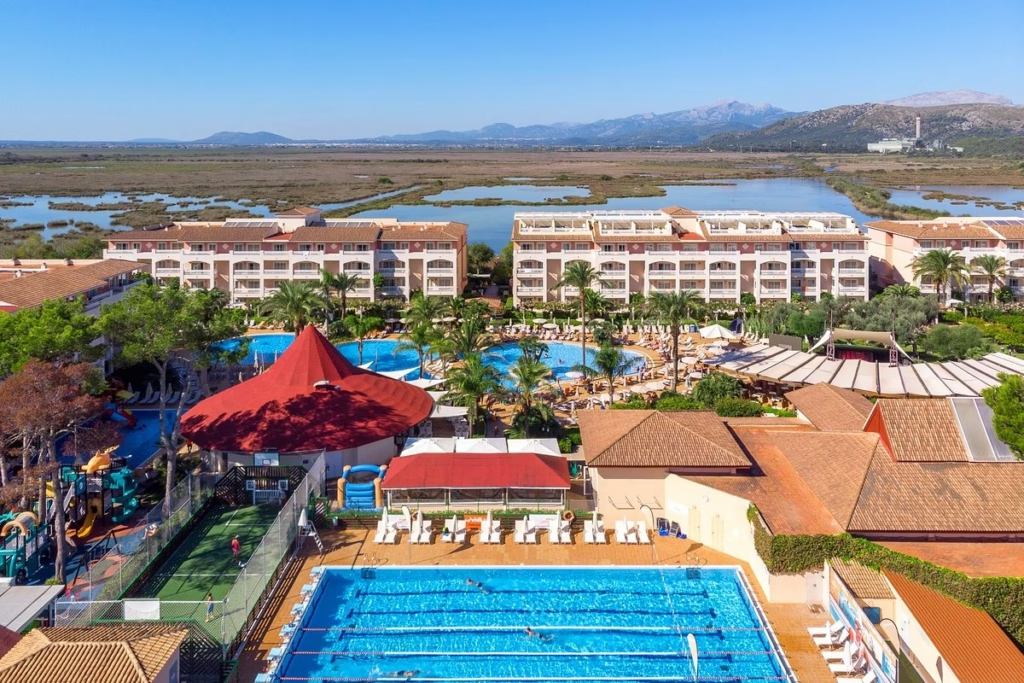
Viva Blue and Spa, Playa de Muro, Mallorca, Spain
Mallorca is full of cyclist-friendly hotels, but not all of them operate on a cycling-first tempo. Viva Blue and Spa has a reputation for understanding how cycling groups actually move through a week: early starts, big breakfasts, long rides, recovery, and another repeat the next day.
Why it works for cyclists abroad:
- It aligns with the Mallorca training-camp rhythm. That matters because Mallorca’s value is consistency. You go there to stack days, not to improvise.
- Playa de Muro gives you a strong spread of routes. You can head inland for longer climbs or stay flatter when you want a controlled endurance day.
- It works for mixed-ability groups. Mallorca trips are often social, and a hotel used to hosting riders tends to handle split groups, different start times, and varied needs without fuss.
Best for: riders planning a classic Mallorca block, particularly in spring, and groups that want a reliable base rather than a boutique one-off.
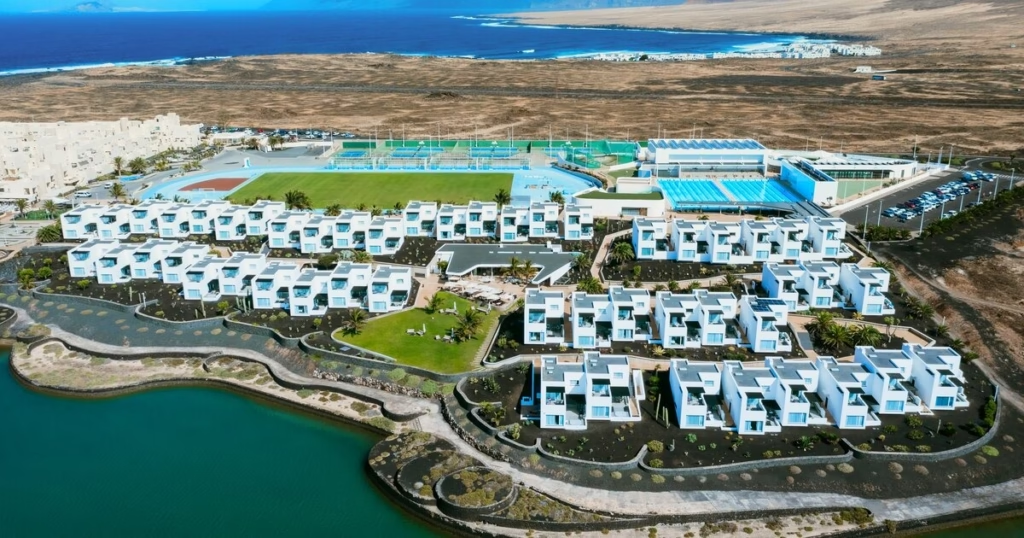
Which sports resort has a cycling-heavy training camp feel in the Canary Islands?
Club La Santa, Lanzarote, Canary Islands, Spain
Club La Santa is not pretending to be a quaint cycling inn. It is a full sports resort, and cycling is one of the dominant languages spoken there. You see it in the day-to-day flow: riders rolling out in groups, the sense of structure, and the way the week naturally organises itself around training sessions.
Why it works for cyclists abroad:
- Lanzarote is built for winter or shoulder-season consistency. When the UK is cold and wet, a stable climate changes your ability to train and recover properly.
- The environment supports a serious week of riding. This is a place where you can treat the trip like a camp, not a holiday with a few rides squeezed in.
- It suits riders who like routine. If you travel to execute a plan, not just to explore, the resort format can be an advantage.
Best for: riders looking for a warm-weather training block, particularly when home conditions make consistent riding difficult.
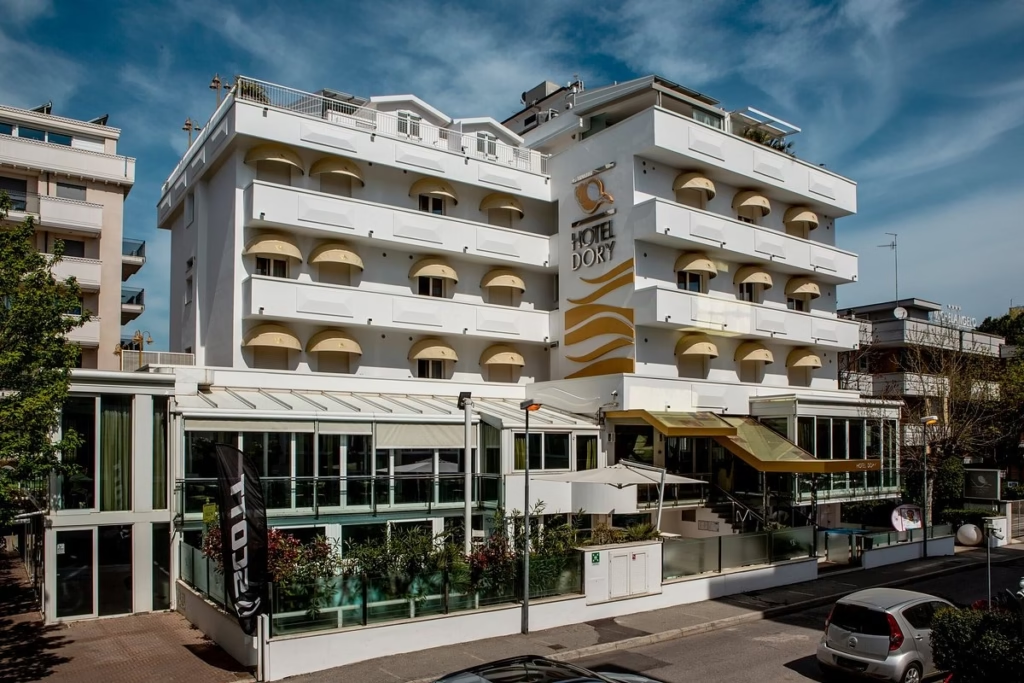
Where should you stay in Italy if you want guided rides and classic “bike hotel” culture?
Hotel Dory and Suite, Riccione, Italy
Italy’s Adriatic coast has a long-established bike-hotel scene, and Riccione sits in the heart of it. Hotel Dory and Suite is one of the better-known names because it fits that classic model: guided riding days, local knowledge, and a social atmosphere that makes a solo traveller feel part of a group.
Why it works for cyclists abroad:
- Guided rides reduce the mental load of route planning. That is valuable in Italy, where small roads and local climbs are often best discovered through local knowledge rather than Google.
- It nails the cyclist routine. Ride, refuel, recover, repeat. This is the kind of trip structure many riders want when they travel with limited time.
- The setting supports variety. You can build a week that mixes coastal endurance with inland climbing, which makes the trip feel progressive rather than repetitive.
Best for: riders who want a social, guided experience and like the idea of being surrounded by other cyclists at breakfast.
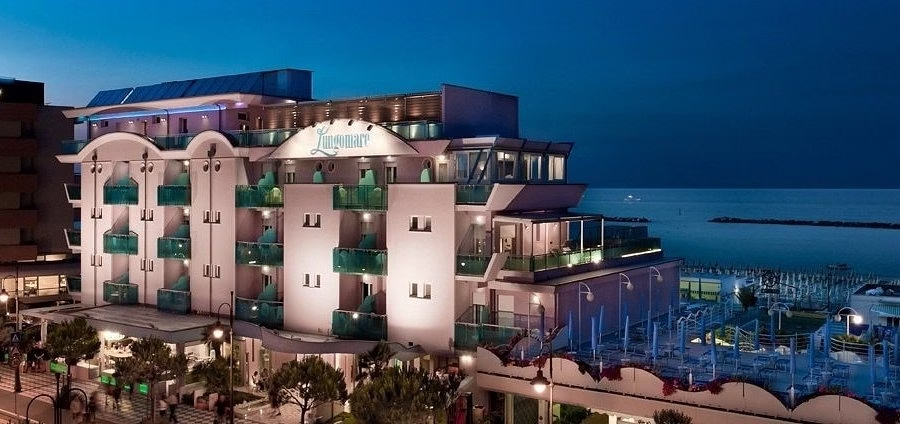
Which Adriatic base suits riders who want a social peloton vibe every day?
Lungomare Bike Hotel, Cesenatico, Italy
Cesenatico carries real cycling history, and the Lungomare bike-branded hotel here tends to attract guests who are there for the same reason you are. That changes the tone. The conversations are about routes and legs, not about whether it might rain on the beach.
Why it works for cyclists abroad:
- The hotel identity filters the guest mix. That is underrated. A cycling trip feels easier when the whole place operates on the same schedule.
- It fits the classic Adriatic model. Flat and rolling rides for volume, with inland options when you want climbs.
- It suits riders who value community. If you are travelling alone, a bike hotel can become your ready-made group ride.
Best for: cyclists who like the idea of a holiday built around shared riding days and a strong “everyone here pedals” atmosphere.
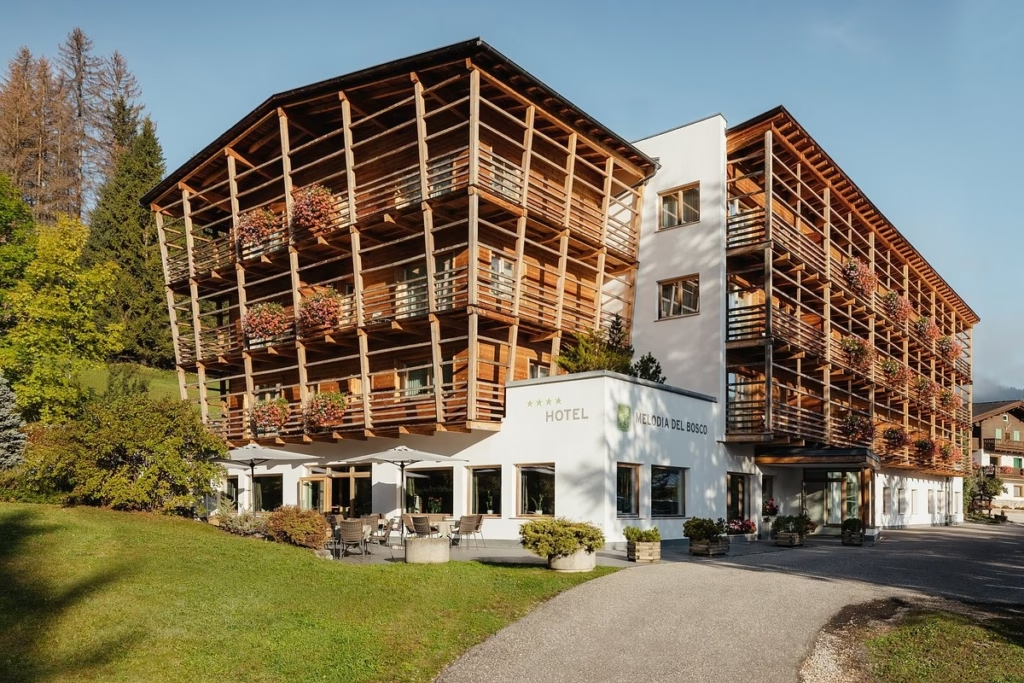
Where should climbers stay in the Dolomites for a climbs-first trip?
Melodia del Bosco, Alta Badia, Dolomites, Italy
If your idea of a cycling holiday is collecting mountain passes, the Dolomites are as pure as it gets. Melodia del Bosco leans into that climbs-first identity. This is not about squeezing a ride into a scenic break. It is about framing the whole day around altitude, effort, and recovery.
Why it works for cyclists abroad:
- Alta Badia is a strategic base. You are not travelling to reach the climbs, you are already living among them.
- The trip naturally becomes goal-driven. Passes create structure: today is one loop, tomorrow is a bigger one, the next day is an easier spin with café stops.
- Recovery matters more in the mountains. A stay that understands that your body is the limiting factor, not your route options, will make the trip more sustainable.
Best for: climbers, riders training for mountainous events, and anyone who wants their holiday photos to include switchbacks and high-alpine light.
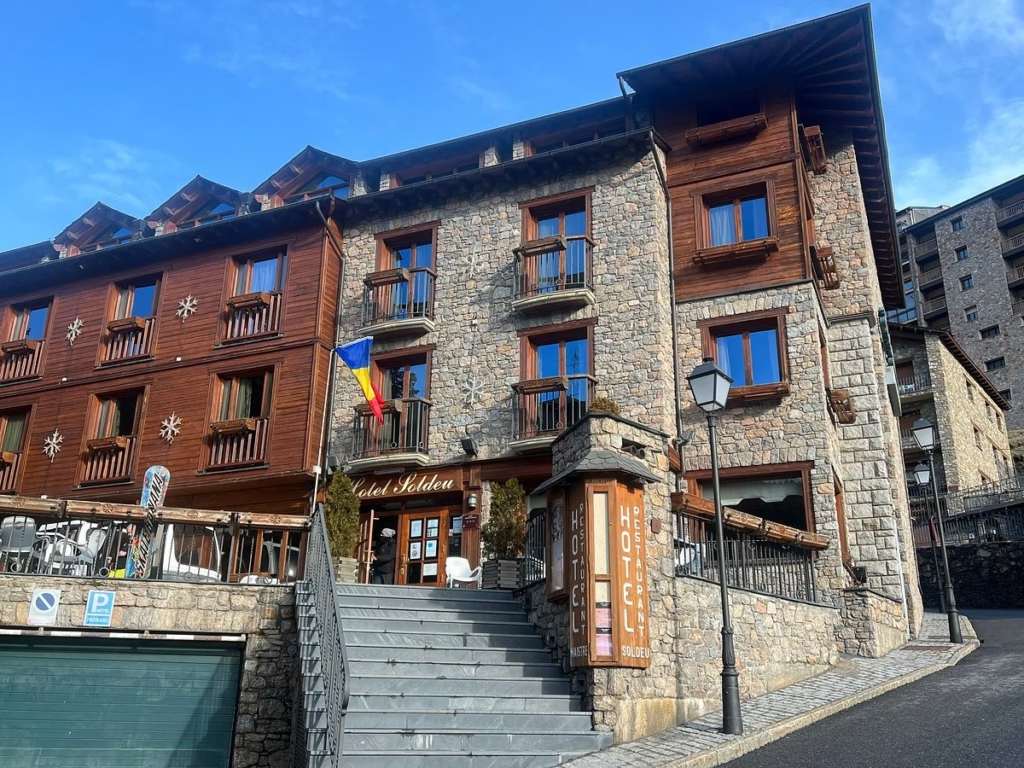
Which Andorra stay suits riders doing serious mountain days and altitude work?
Sport Hotel Hermitage and Spa, Soldeu, Andorra
In Andorra, the cycling theme is less about décor and more about ecosystem. Riders come here because the terrain is relentless and the altitude is useful. A high-end base like Sport Hotel Hermitage and Spa works when you want the riding to be hard and the recovery to be straightforward.
Why it works for cyclists abroad:
- Andorra is a proven training base. The climbs are long, the gradients are honest, and the altitude adds an extra layer to the work.
- It supports a performance-led trip. You can make this a camp, even if you still want comfort and strong recovery facilities.
- It suits riders who want mountain riding without the logistics of point-to-point travel. A single base with multiple major climbs nearby keeps the trip focused.
Best for: riders who want to treat a holiday as a training block, and anyone who values recovery as highly as the riding itself.
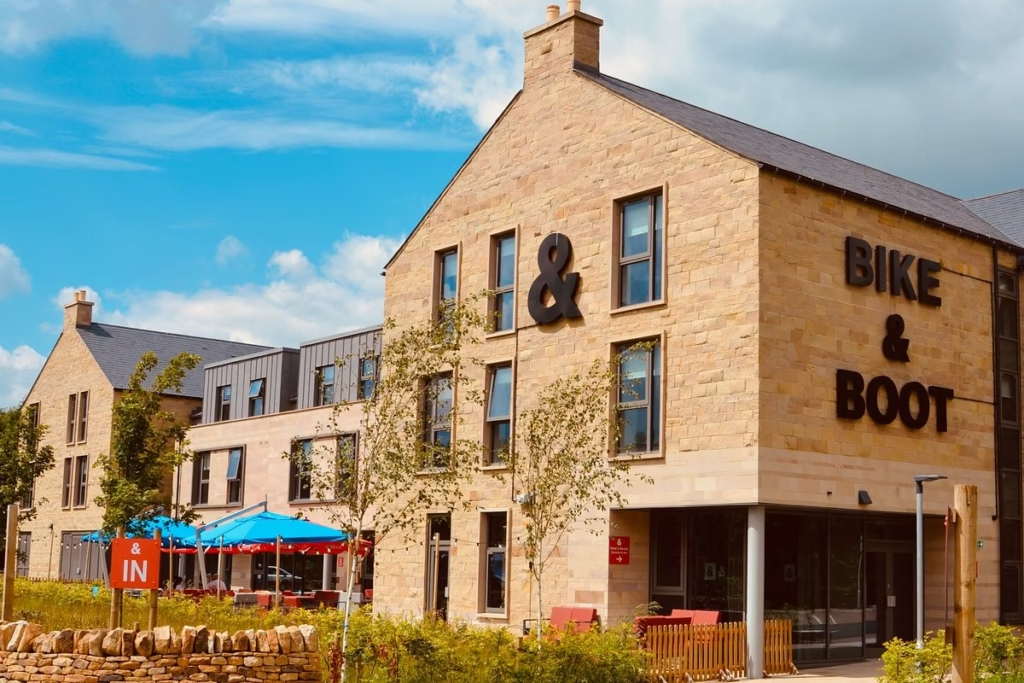
What is the best UK cycling-themed stay for a short-break destination ride?
The Bike and Boot, Keswick, Lake District, UK
Not every cycling trip needs a flight. The Bike and Boot works because the cycling identity is built into the brand and the Lake District offers real riding density for a long weekend. You can arrive, ride hard, and still be home quickly.
Why it works for cyclists:
- Keswick is a strong base for varied riding. You have access to steady climbs, punchy ramps, and some of the best scenery in the UK.
- It suits short breaks. When time is limited, the Lake District gives you high-quality riding without the overheads of international travel.
- It attracts active travellers. That means fewer raised eyebrows when you turn up muddy or spend breakfast talking about gradients.
Best for: riders wanting a UK-based reset, particularly in spring and summer when long daylight hours make it easy to fit in big days.
How should you choose between these cycling stays?
A useful way to decide is to be honest about what you want the riding to do for you.
- If you want iconic routes and storytelling, Hotel Cycle and Hotel Velotel make the cycling identity feel central.
- If you want repeatable training days, Mallorca and Lanzarote are about consistency and routine.
- If you want serious climbing with a recovery focus, the Dolomites and Andorra options are built around altitude and effort.
- If you want social riding with built-in support, the Italian bike-hotel scene in Riccione and Cesenatico is hard to beat.
The best cycling trips tend to be the ones where the hotel removes friction. When you can stop thinking about logistics, you start thinking about the ride itself, which is why these places stand out.