Improving your cycling performance isn’t about riding endlessly – it’s about training with purpose. Whether you’re aiming to master endurance cycling, push your average speed higher, or simply learn how to ride longer with less fatigue, the right structure and habits make all the difference. Below, you’ll find practical tips on cycling endurance training, how to train for cycling efficiently, and how to enhance your riding experience without overcomplicating your routine.
Start with a Strong Endurance Base
A solid foundation is essential before focusing on speed or power. Cycling endurance training should begin with steady, low-intensity rides in Zone 2, which is about 60–70% of your maximum heart rate. This allows your body to adapt to longer periods in the saddle and improves fat utilisation for energy.
If you’re wondering how to ride longer without exhaustion, increase your weekly longest ride by only 10–15 minutes at a time. Sudden jumps in volume often lead to burnout or inconsistent training.
Goals and Structured Progression
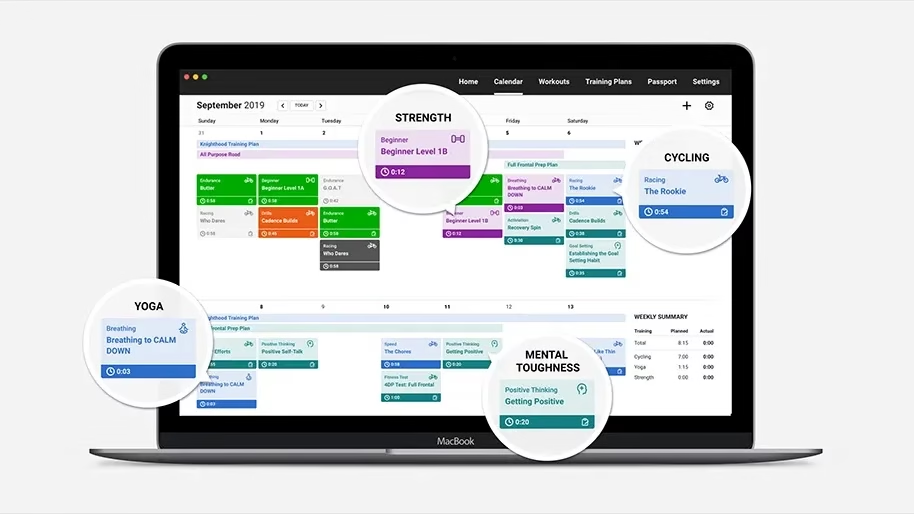
Clear goals transform random rides into meaningful training. Whether your aim is to complete a long-distance ride, improve average speed, or simply feel stronger on climbs, defining targets helps guide every session.
In the process, it’s natural to include small rewards for motivation. Some riders relax after training with casual online browsing, but only after their ride or workout is complete. A balanced approach helps keep motivation high without breaking focus.
Example Weekly Training Routine
| Day | Training Focus |
|---|---|
| Monday | Rest or light recovery ride |
| Tuesday | Intervals (speed or hill repeats) |
| Wednesday | Steady endurance cycling session |
| Thursday | Core and leg strength work |
| Friday | Rest or optional light spin |
| Saturday | Long ride (gradually increasing duration) |
| Sunday | Tempo or mixed endurance session |
Use Interval Training to Build Speed
After establishing endurance, interval sessions are key to improving speed and handling high-intensity efforts. These shorter, structured workouts train your body to recover faster and push harder when needed.
Simple Interval Session:
- Warm-up: 10 minutes
- 5 × 3 minutes hard effort (80–90% max)
- 3 minutes easy spinning between efforts
- Cool-down: 10 minutes
This method supports both endurance cycling and speed development without requiring long hours on the bike.

Learn How to Ride Longer – Smart, Not Hard
Extending ride duration is essential – but it must be done gradually and intelligently. The main principle of cycling endurance training is consistency, not all-out effort.
Tips to Ride Longer Effectively:
- Add only 15–20 minutes each week to your longest ride
- Maintain steady pedal pressure – even on descents and flats
- Keep mid-ride stops short to prevent your body from cooling down
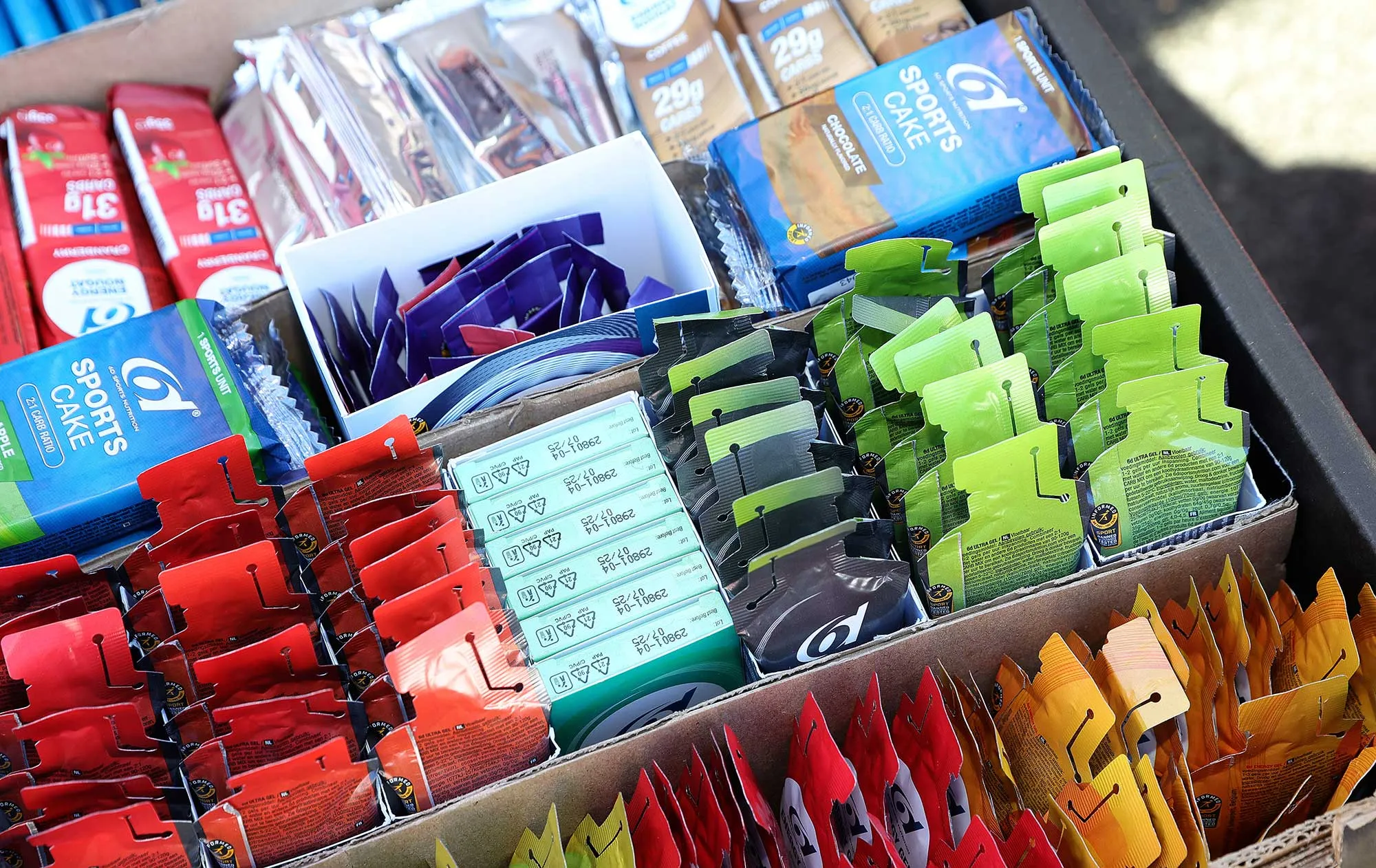
- Bring snacks, gels, and hydration instead of long café breaks
Many cyclists unknowingly reduce training quality by stopping too often. Continuous riding trains your mind and body to handle real long-distance conditions.
Strength, Rest, and Fuel Matter Too
Cycling isn’t only about the miles you ride. Strength training, proper fueling, and recovery are just as important.
Simple Strength Exercises to Include Twice a Week:
- Squats or bodyweight squats
- Walking or static lunges
- Deadlifts or hip hinges
- Planks and side planks
Rest days aren’t signs of weakness – they prepare you for better performance. Sleep, light stretching, and easy spins reduce fatigue and help you train consistently.
Practical Ways to Enhance Riding Experience
Improving comfort and efficiency on the bike can transform your training. Small adjustments can make a big difference.
Quick Upgrades to Your Routine:
- Adjust saddle height and handlebar reach to avoid numbness
- Wear padded cycling shorts and moisture-wicking clothing
- Track heart rate or power to avoid overexertion
- Alternate solo training with occasional group rides for motivation
- Keep a simple log of distance, effort, and how you felt after each ride
These habits make every ride smoother and more manageable – allowing your training to feel sustainable, not stressful.