The first 100 km ride is a landmark for many cyclists. It sits at that perfect point where endurance, pacing and discipline come together. It is not a distance you can fake, but it is also far more achievable than many riders initially believe. With steady progression, sensible effort management and a clear understanding of what your body needs, the century mark becomes a test of patience rather than raw fitness.
This guide lays out the fundamentals of preparing for your first 100km, mixing practical coaching principles with the same analytical spirit used in race previews. You will find advice on pacing, fuelling, terrain choice and weekly structure, plus a clear table with a step-by-step training plan at the end.
Build endurance before speed
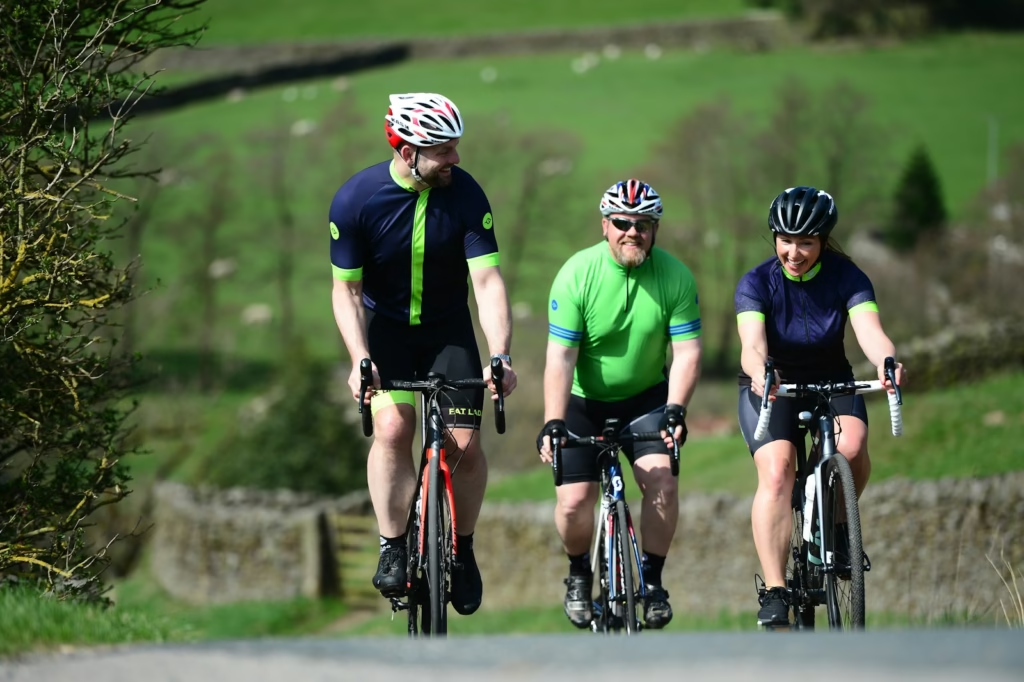
A successful 100km ride is built on aerobic endurance. This means long, steady efforts where you can hold a conversation but still feel you are working. These rides condition your body to stay comfortable on the bike, improve fat utilisation and teach you how to handle the mental shifts that come with longer distances.
Most riders can build this base with one long ride per week and two shorter supporting rides. The long ride is the anchor. Increase its length gradually rather than in big leaps. The goal is to feel smooth and efficient, not fast.
If hills are part of your local terrain, embrace them. Climbing teaches pacing, builds strength and gives you a clear sense of how your body reacts when working at a higher intensity. Just avoid turning every ride into a climbing test. Consistency matters more than heroics.
Understand pacing and why it matters
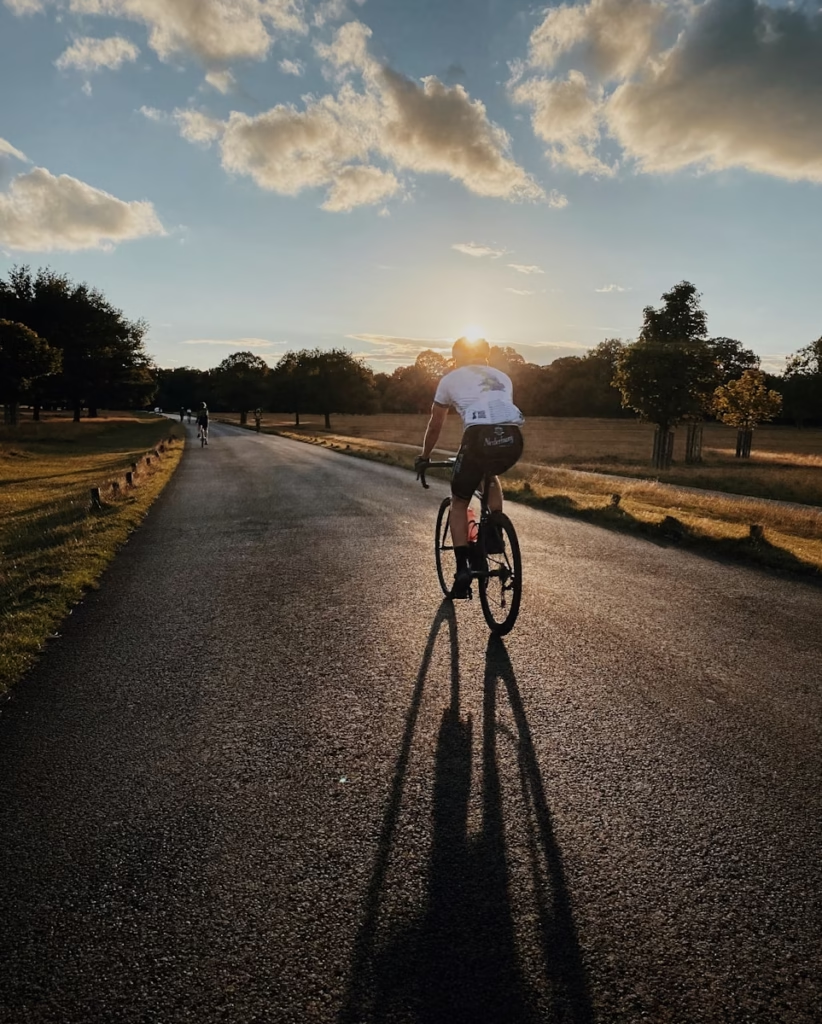
Pacing is the difference between a controlled century and a slow, painful slog. The temptation early on is to push harder while fresh. The real discipline lies in riding the first half at a speed that feels almost too easy.
Think of 100 km as three clear phases:
- The first 30 km develop rhythm
- The middle 40 km demand patience
- The final 30 km reward or punish your pacing choices
Holding back early gives you the fuel to stay comfortable later. Ride by feel or heart rate, not speed. If you are unsure whether you are going too hard, you almost certainly are.
Fuelling and hydration
Your body stores enough glycogen for roughly 90 minutes of moderate riding. Beyond that, you must top up regularly. Waiting until hunger arrives is too late.
Eat something every 30 to 40 minutes and sip regularly rather than gulping. Fuelling consistently prevents the sudden drops in power and mood that make the back half of a long ride so challenging. This applies equally to training rides and the 100 km itself.
Hydration needs vary with the weather, but a good rule is one bottle per hour. Add electrolytes when temperatures climb or when your ride includes sustained climbing.
The mental side of the ride
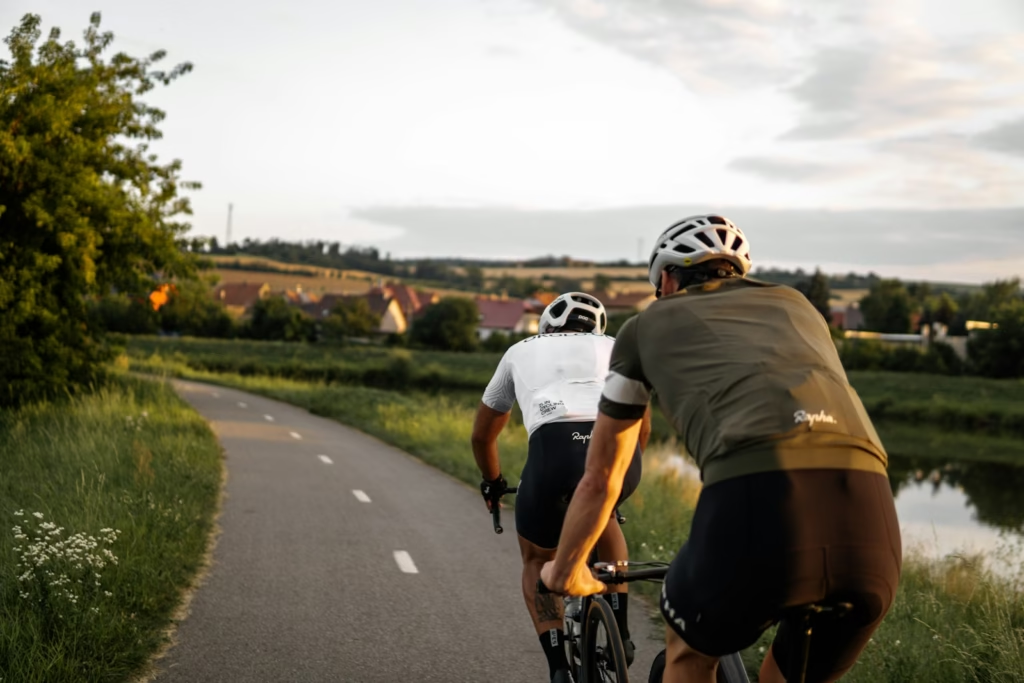
Long rides are as much mental as physical. Even experienced riders hit moments when the effort feels dull, legs feel heavy or motivation dips. The key is breaking the ride into smaller pieces. Think in tens of kilometres, not the full 100. Each segment becomes a target rather than an obstacle.
If you struggle on a training ride, that is valuable information. Adjust pacing, fuelling or route design. Your first 100 km is a lesson in efficiency, not perfection.
The importance of rest and recovery
You do not get stronger during training. You get stronger during recovery. Build at least one full rest day into your week. If you feel unusually fatigued, replace a ride with an easy spin or a complete day off. Consistency beats intensity by a wide margin.
Stretching, light mobility work and sleep all help. So does eating enough protein after longer sessions.
Equipment and ride setup
Your bike does not need to be high-end, but it should be well-maintained. A comfortable saddle, reliable tyres and correct tyre pressure are non-negotiable for long distances. Check your bike the night before each long ride so that minor issues do not turn into major disruptions.
Carry:
- A multi-tool
- A spare inner tube
- Tyre levers
- A mini pump
- Snacks
- Enough water for at least the first hour
Small details matter. A poorly fitted saddle can ruin a 100 km ride more quickly than undertraining.
A simple progressive plan for your first 100 km
Below is a clear, manageable eight-week plan to guide you from shorter rides to a confident century. This assumes you can already ride roughly 20 to 30 km comfortably.
Eight-week training plan for your first 100 km
| Week | Long Ride (Weekend) | Midweek Ride 1 | Midweek Ride 2 | Focus |
|---|---|---|---|---|
| 1 | 30 km steady | 15 km easy | 15 km with light hills | Build routine and comfort |
| 2 | 40 km steady | 20 km endurance | 15 km skills and cadence | Smooth pedalling and consistency |
| 3 | 50 km steady | 20 km steady | 20 km with short climbs | Begin extending endurance |
| 4 | 60 km steady | 25 km easy | 20 km steady | Fuel and hydrate consistently |
| 5 | 70 km steady | 25 km endurance | 20 km with tempo intervals | Strengthen aerobic base |
| 6 | 80 km steady | 30 km easy | 20 km relaxed | Focus on pacing discipline |
| 7 | 90 km steady | 30 km endurance | 20 km skills | Confidence and nutrition practice |
| 8 | 100 km event or milestone ride | 15 km recovery | Optional 20 km easy | Execute pacing and enjoy the ride |
This plan is intentionally steady rather than intense. The goal is to build resilience, confidence and smooth effort, not to chase speed.
Final thoughts
Your first 100 km ride is a milestone you will remember. It teaches patience, discipline and the satisfaction of long-form effort. The training process is simple: build endurance gradually, pace yourself intelligently, fuel consistently and treat recovery as seriously as the riding itself. With a structured plan and a clear mindset, you will reach the century mark feeling strong, not broken.
When the day arrives, keep the early kilometres easy, stay relaxed and trust the work you have done. Your legs will carry you the rest of the way.