Copenhagen Sprint Women is still one of the newest races on the Women’s WorldTour calendar, but its identity is already very clear. This is a race built around speed, positioning and lead-out structure, using Denmark’s roads and Copenhagen’s city-centre finish to create one of the most obvious sprint opportunities of the season. It may be a young event, but it already feels like a race with a defined role, giving the fastest riders in the peloton a major one-day target in a part of the calendar where such clean opportunities are relatively rare.
That clarity does not make the race simple. Flat races can become more stressful precisely because so many riders and teams remain in contention deep into the final hour. Without major climbs to reduce the bunch naturally, the selection instead comes through wind exposure, nervous positioning and the ability of sprint teams to keep control on roads that gradually funnel the field towards a technical urban finale. Copenhagen Sprint Women therefore rewards more than raw speed. The winner still needs calm judgement, a well-drilled team and the ability to hold position when the race becomes tightest.
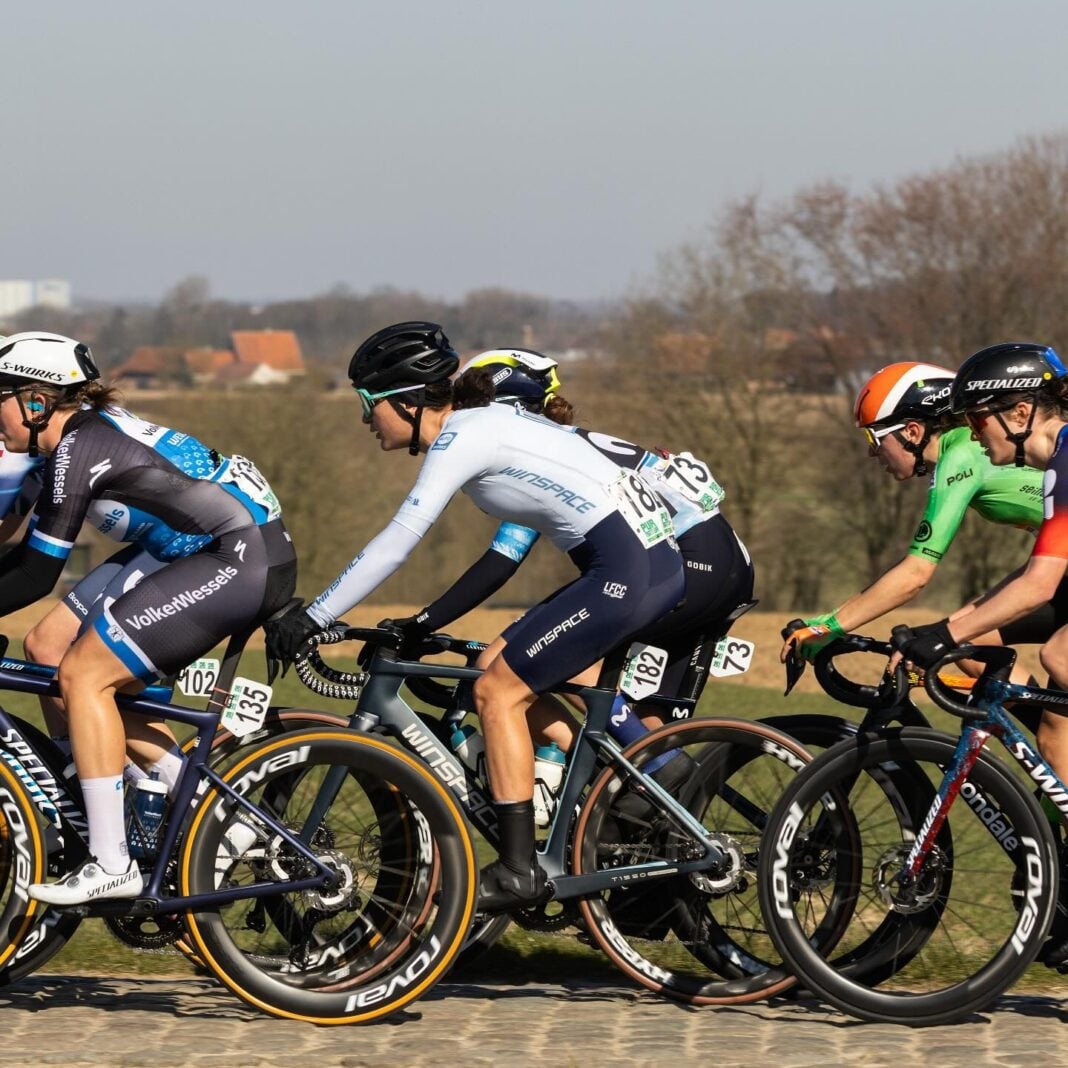
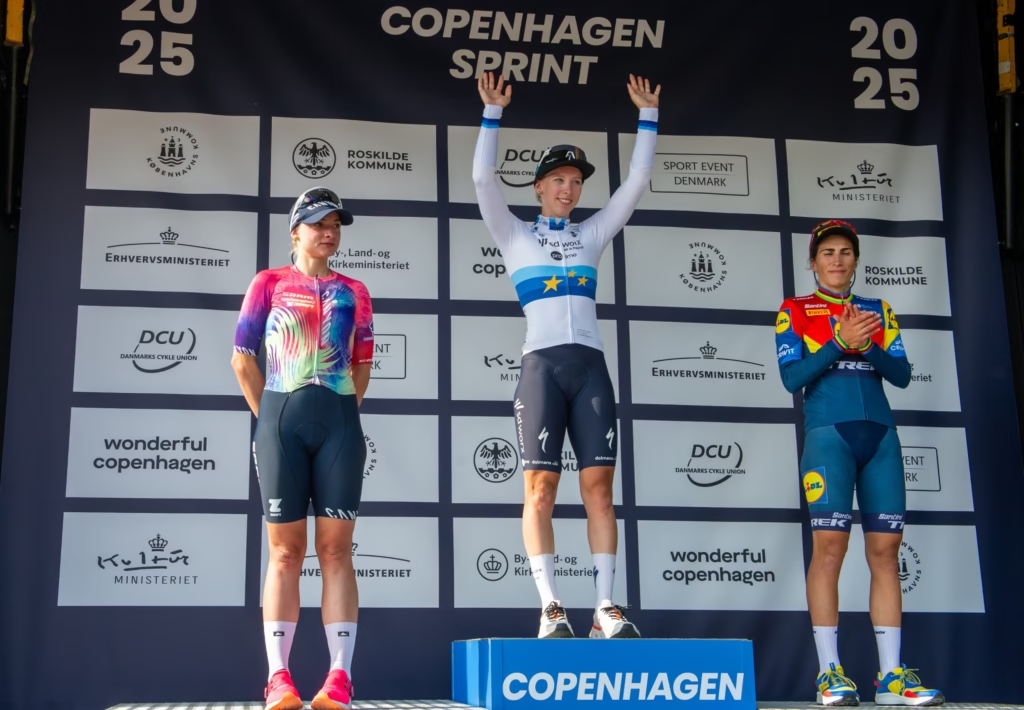 Photo Credit: Andreas Roungkvist
The inaugural edition in 2025 immediately showed what kind of race this is. Lorena Wiebes won ahead of Elisa Balsamo and Chiara Consonni, a podium that made the route’s sprint bias obvious from the start. That result also helped establish the race’s tone. Copenhagen Sprint Women is not pretending to be something else. It is a top-level sprint contest, but one staged on roads and in surroundings that still allow tension, crashes, split-second decisions and late chaos to shape how that sprint is reached.
For 2026, the route stays close to the model that worked so well first time round. The race starts in Roskilde, covers open roads through North Zealand and the outer approach to Copenhagen, then finishes on repeated city-centre laps outside the National Gallery of Denmark. That should again leave the sprint teams with the strongest hand overall, but it also ensures that the final phase is about far more than waiting for the last 200 metres. If the bunch is still large entering the circuit, the fight for control will begin long before the line comes into view.
Previous Winners
2025
Lorena Wiebes
2024
Not Held
2023
Not Held
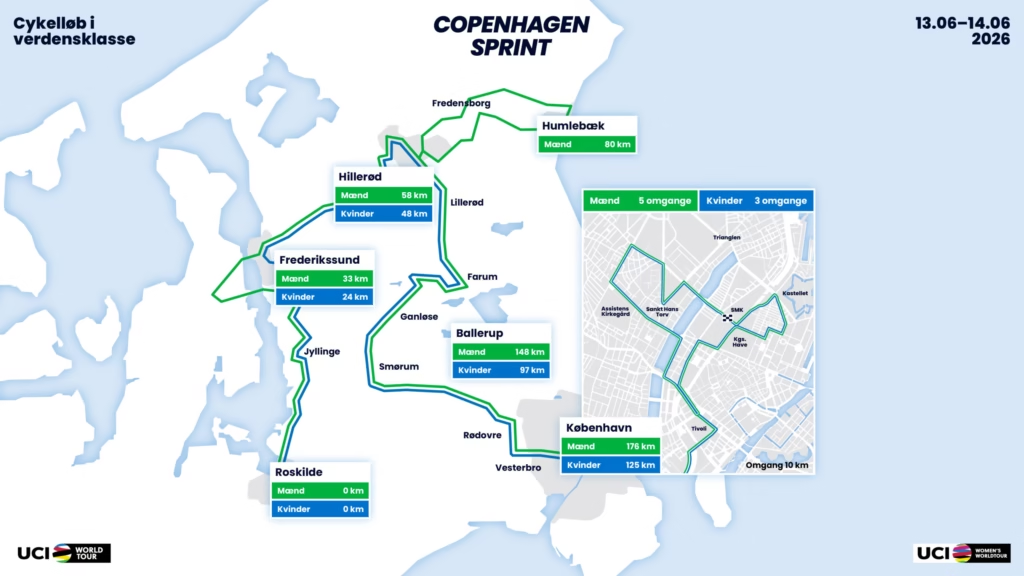
2026 Copenhagen Sprint Women route
The 2026 Copenhagen Sprint Women route covers 156 kilometres, with roughly 125 kilometres from Roskilde to Copenhagen before the riders take on three laps of the final 10 kilometre circuit. That structure makes the race one of the clearest sprint-focused one-day events in the Women’s WorldTour, but it also builds tension in a useful way. The long point-to-point section gives room for wind, breakaway attempts and early fatigue, while the repeated city laps steadily increase the pressure on teams trying to control the finale.
The finishing circuit is what gives the race its final shape. Once the bunch reaches Copenhagen, every corner, narrowing and acceleration begins to matter more because teams know the same key points will be repeated. That allows the strongest sprint formations to organise, but it also makes the racing more nervous as the laps tick down. The route still overwhelmingly points towards a bunch sprint, yet not necessarily an easy one. The winner is likely to be the sprinter who arrives with both the speed and the support to survive a fast, technical and increasingly compressed final hour.
2026 Copenhagen Sprint Women live TV coverage
Race Date: Saturday 13th June 2026
United Kingdom
Live coverage is available via TNT Sports and HBO Max.
International broadcasters
In Denmark, coverage is available via DR. Across much of Europe, viewers should check the relevant Warner Bros. Discovery channels and platforms, including HBO Max in supported markets. In the United States and Canada, coverage availability can vary by rights agreement, so local listings should be checked closer to the race.
2026 Copenhagen Sprint Women startlist

2026 Copenhagen Sprint Women Contenders
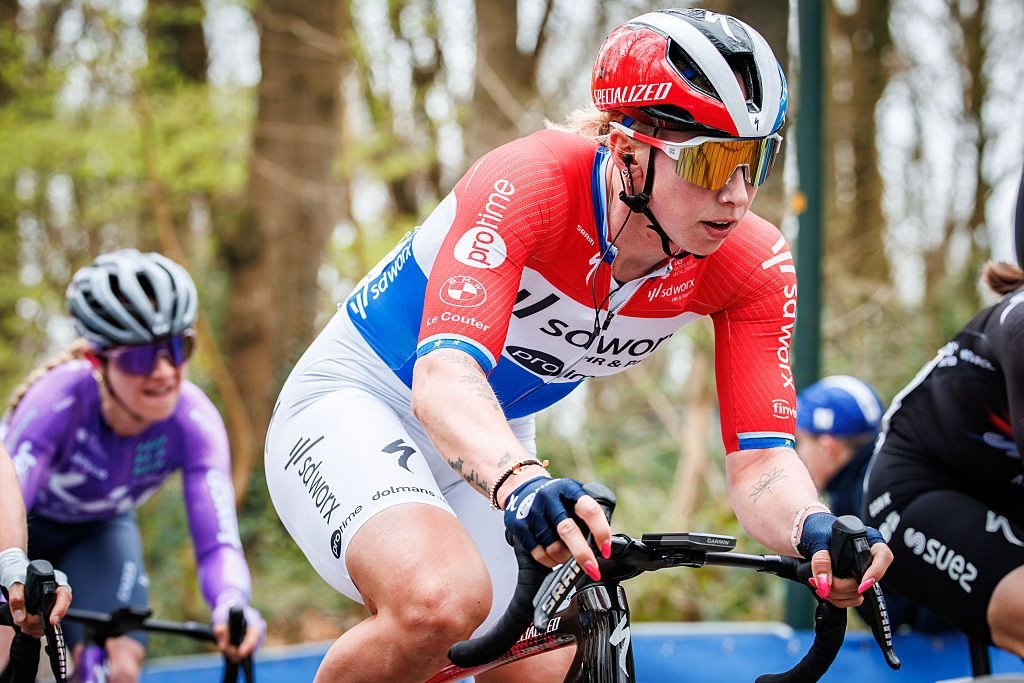
A sprint day that is genuinely flat and fast always pulls the focus towards Lorena Wiebes, but the recent Giro d’Italia Women context adds a slightly sharper edge to how teams will ride this. Wiebes arrived in Italy as one of the fastest in the race and then watched a stage win disappear after she was disqualified for an underweight bike, a reminder that even when the legs are perfect, the margins can still bite. Copenhagen Sprint is the opposite in one sense, it is all about execution rather than survival, and Team SD Worx-Protime have the depth to keep the finale organised rather than chaotic. With Femke Gerritse and Barbara Guarischi guiding position through the last kilometres, SD Worx can turn this into a lead-out test, and that is usually where Wiebes is at her most ruthless.
The Giro also sharpened the Lidl-Trek story in a way that fits Copenhagen Sprint perfectly. Elisa Balsamo left Italy with the kind of momentum sprinters love, promoted to a stage win and then backing it up with another, a clear signal that her speed is there and the team can execute under pressure. The obvious threat is the pure sprint, but the deeper advantage is flexibility. Emma Norsgaard gives Lidl another finishing route if the lead-out battle becomes messy, and riders like Clara Copponi and Fleur Moors can keep the team present when the road is wide, fast, and full of squads trying to surf wheels. If this turns into a slightly disorganised sprint rather than a textbook drag race, Balsamo’s ability to launch from imperfect wheels becomes a real weapon.
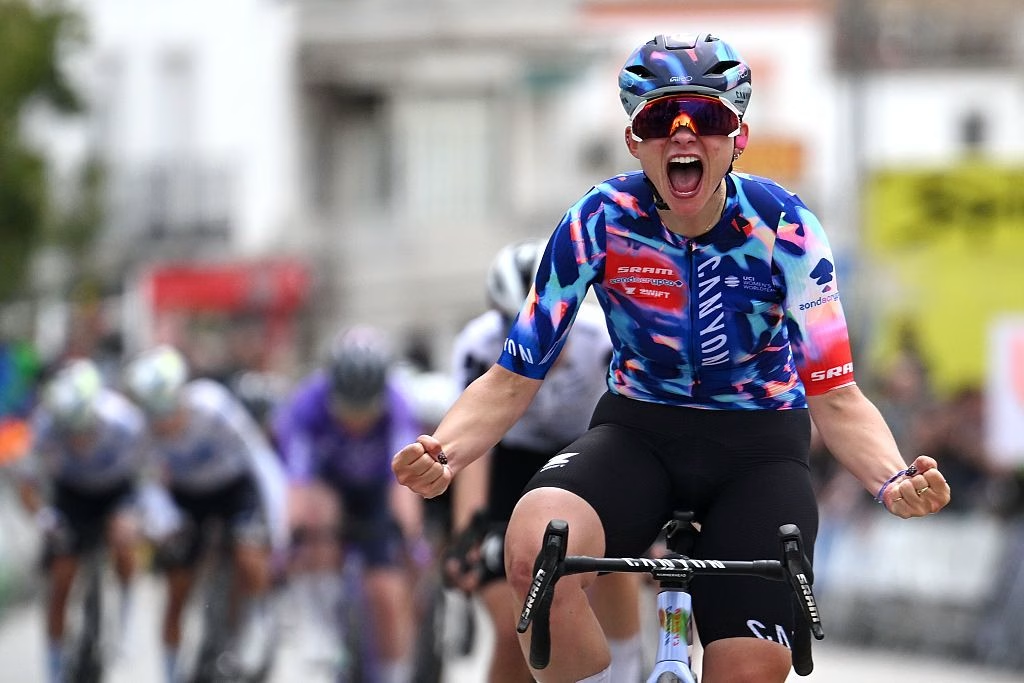
A sprint that becomes tactical rather than perfectly controlled is where Canyon SRAM can land a result, largely because Chiara Consonni does not need the cleanest lead-out to win. Her spring form has already hinted at that, with a strong placing at Ronde van Brugge, and the Giro offers a second useful reference point too, she is a rider who can still take results in Grand Tour sprint conditions where the final kilometre is messy and positioning is everything. The key asset here is Zoe Backstedt, because she can keep Consonni in the right lanes when the speed rises and the bunch fans out, which is often the difference between contesting the sprint and watching it disappear up the road.
If the sprint stays together and the run-in is clean enough for a proper lead-out, Charlotte Kool becomes one of the few riders who can go toe-to-toe with the very best. Fenix-Premier Tech’s job is simple, deliver her into the last 200 metres without forcing her to surf too many wheels alone. Riders like Christina Schweinberger and Marthe Truyen matter because they can keep the team calm when the race is at its most frantic, and if Kool hits the final straight in the top five wheels, she is always a win threat.

A chaotic sprint is where Liv AlUla Jayco can punch above their weight, because Georgia Baker does not need a perfect train to finish it off. When the launch is late and gaps open suddenly, Baker is the type who can exploit it with one decisive kick. If the day is harder than expected and the sprint group is slightly reduced, Quinty Ton is the rider who can still be a factor because she tends to cope well when the legs are heavy and the finish is more about timing than raw speed.
The team most likely to benefit if the lead-outs collapse is Team Picnic PostNL, because Rachele Barbieri thrives when the winner is the rider who finds clean air at the right time, not the rider with the longest train. Riders like Pfeiffer Georgi and Josie Nelson are valuable here not as finishers, but as protection, keeping the team in the front part of the bunch when the speed rises and the positioning battle becomes relentless.
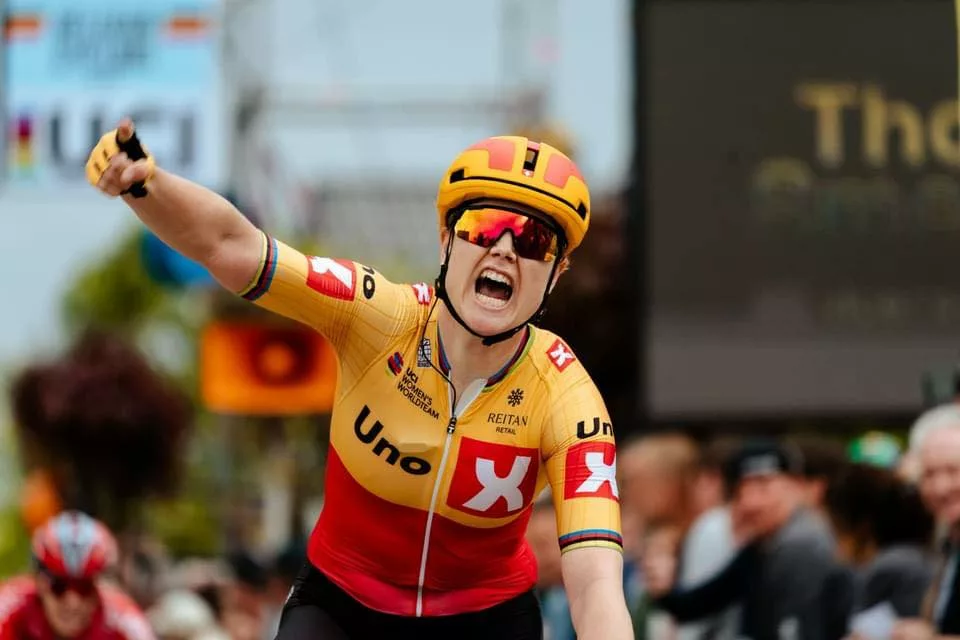
Uno-X Mobility become more dangerous the more chaotic the finale is, and this start list gives them two riders who can turn that chaos into a result. Susanne Andersen is the rider most likely to contest the sprint if the group is reduced and tired, while Linda Zanetti is a strong option when the finish is messy and physical, the kind of sprint where holding position matters as much as raw speed. The home crowd element matters too, because Amalie Dideriksen is exactly the sort of rider who can lift a level in Denmark, slip into the right wheel when the big trains start watching each other, and turn one clean launch into a podium fight. If Copenhagen Sprint becomes more about timing than trains, those three names give the “home” squad a genuine story in the finale.
A team that can profit if Copenhagen Sprint turns into a hard, slightly reduced bunch finish is Team Visma | Lease a Bike, because Nienke Veenhoven and Martina Fidanza give them two riders who can sprint after a stressful day. If the Giro d’Italia Women taught anything about these flat finales, it is that survival and positioning often decide who even gets a clean launch, and Visma have the kind of depth to keep their sprinters out of trouble until the last kilometre. Veenhoven is the rider most likely to deliver if the finish is messy and timing matters, while Fidanza suits the more classic, higher-speed drag race where the sprint opens earlier.
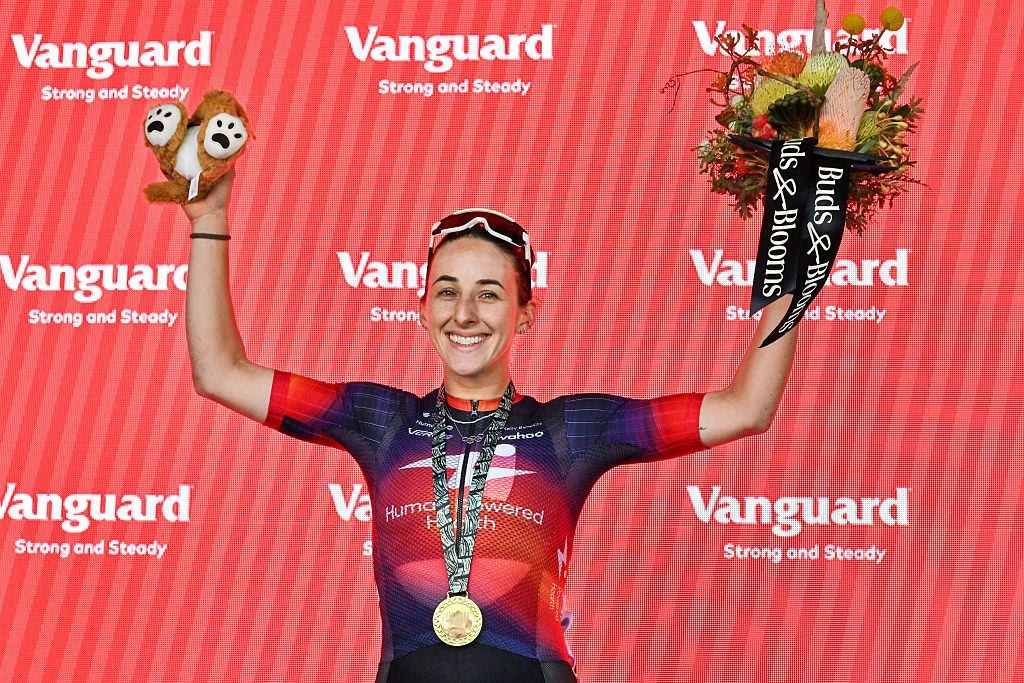
For Human Powered Health, the clearest route to a result is to build everything around the final 10 kilometres and keep their finisher protected until the sprint becomes a pure fight for wheels. Maggie Coles-Lyster gives them a rider who can still deliver speed when the run-in is nervous and the sprint is launched from imperfect wheels, while Lily Williams is the obvious pure sprint threat if the bunch arrives intact and the lead-outs are long and fast. The Giro d’Italia Women context fits here too, because the sprint stages there repeatedly showed how quickly a team can go from “in control” to “boxed in” if they lose position at the wrong moment. Human Powered Health do not need to dominate the race. They need to stay calm and arrive at 500 metres to go in the right lane.
A proper outsider worth flagging is Hitec Products-Fluid Control, because Kaja Rysz is exactly the type of rider who can pop up when the big trains misjudge the finale. If the sprint becomes disorganised, with riders launching late and gaps opening suddenly, a finisher who stays calm and commits to one clean line can steal a big result. Hitec are unlikely to control anything, but they do not need to, their best chance is to surf the chaos and let others do the work.
Top 3 Prediction
⦿ Lorena Wiebes
⦿ Elisa Balsamo
⦿ Chiara Consonni
-
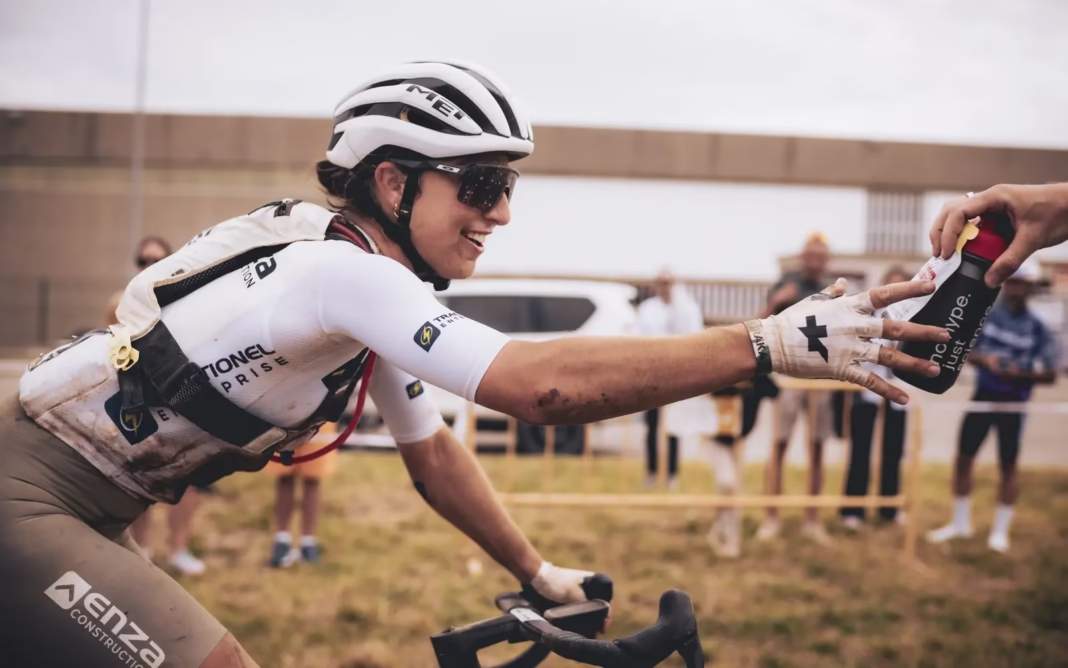
 Photo Credit: quentinphotographiebe
 -
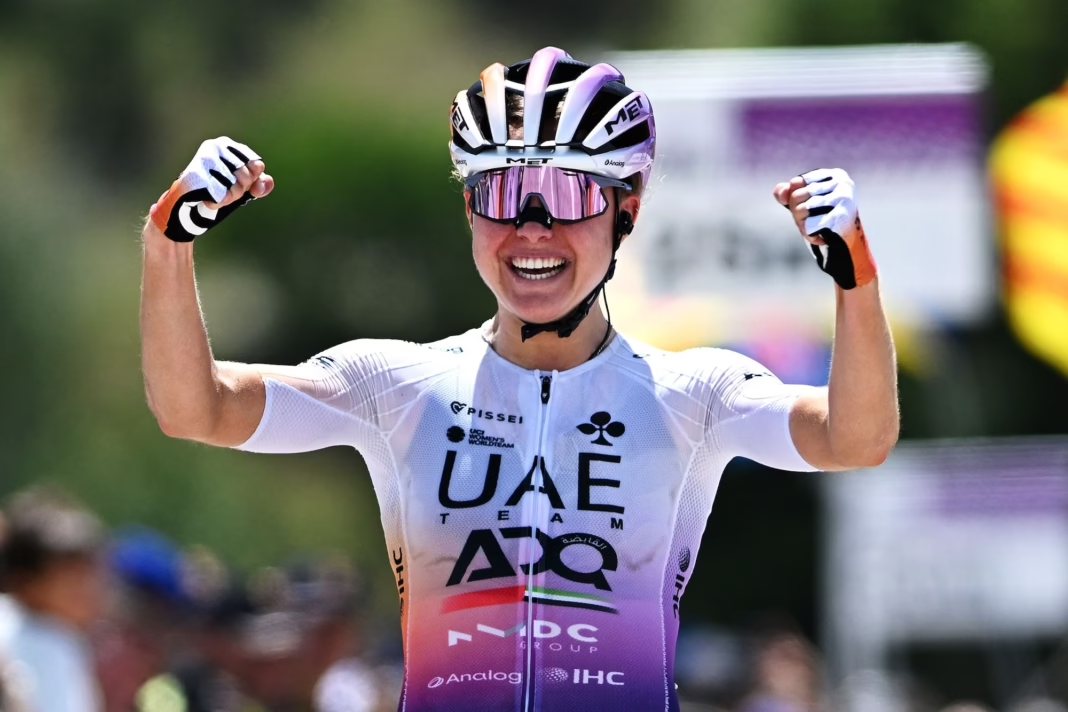
 Photo Credit: Getty