
If you are new to cycling or coming back after a break, the choice of bike can feel like the hardest part. Road bikes, gravel bikes and hybrids all claim to be versatile, fast and comfortable, but they are built with different priorities in mind.
The good news is that all three can be excellent in the UK. The trick is matching the bike to the riding you actually want to do, not the fantasy version you see on adverts.
For mostly tarmac riding, choose a road bike. For a mix of roads and off-road tracks, choose a gravel bike. For commuting, errands and shorter leisure rides where an upright position matters most, a hybrid is usually the easiest option.
| Feature | Road bike | Gravel bike | Hybrid |
|---|---|---|---|
| Best for | Road riding, sportives, club rides | Mixed surfaces, exploring, bike-packing | Commuting, leisure, everyday transport |
| Handlebars | Drop | Drop | Flat |
| Typical tyres | 28–35mm | 35–50mm | 32–45mm |
| Road speed | Fastest | Fast | Moderate |
| Off-road ability | Limited | Best | Light tracks and paths |
| Long-distance comfort | Very good when fitted correctly | Very good | Good for shorter rides |
| Commuting | Good | Very good | Excellent |
Start with how and where you will ride
Before getting hung up on labels, map out your real riding.
Think about a typical week in your head. Are you mostly picturing:
- Short fitness rides from your front door on tarmac
- Commutes on mixed roads and cycle paths
- Weekend spins that wander onto canal paths and bridleways
- Longer days out where covering distance efficiently matters
Also be honest about the surfaces you will see. A lot of British riding is not pristine road or full off-road, but a mix: patched B-roads, gravelly lanes, shared-use paths, the odd woodland cut-through. Once you know that mix, the decision between road, gravel and hybrid often makes itself.
What is a road bike really for?
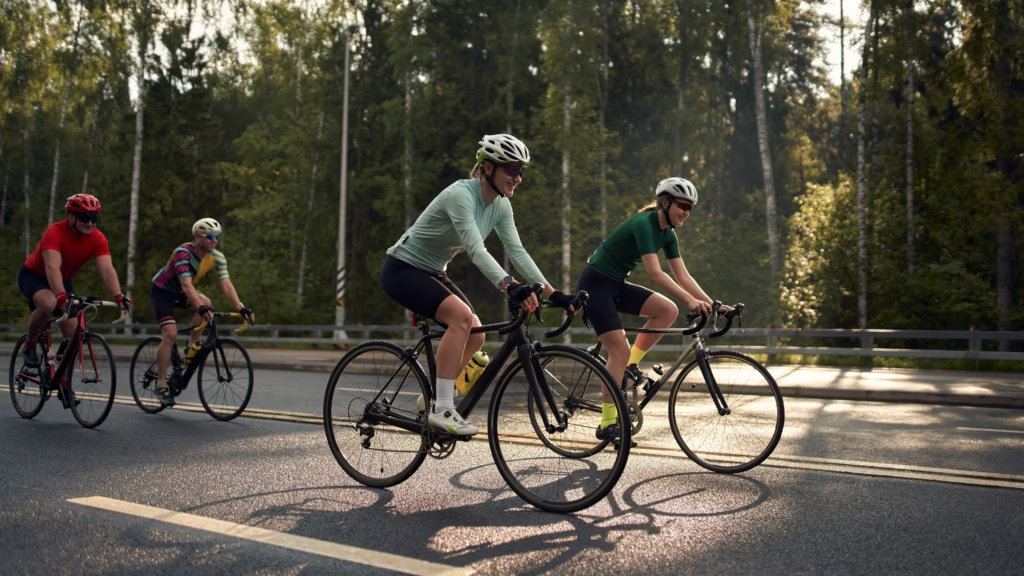
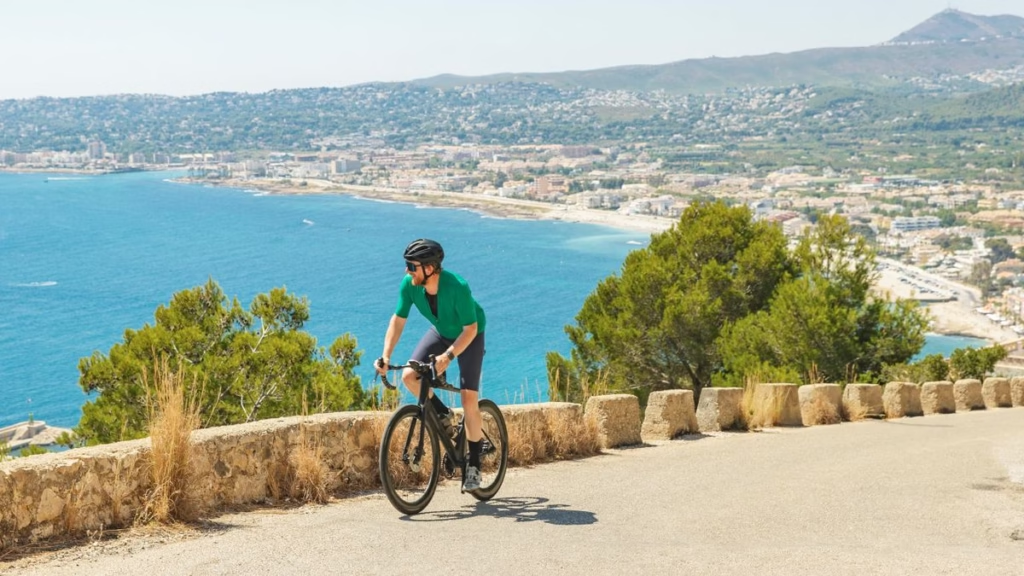
A road bike is built for riding quickly and efficiently on tarmac. The rider position is a bit lower and longer, the tyres are narrower, and you get drop bars that give you multiple hand positions for comfort and aerodynamics.
On a good road surface, this is the quickest and most direct-feeling option. Climbing feels easier, long stretches of flat road feel smoother, and keeping a decent pace in a group is simpler. If you are drawn to club rides, sportives, longer fitness rides and maybe the idea of pushing yourself a bit, a road bike is the natural fit.
Modern endurance-style road bikes soften the edges. They have a slightly more relaxed position than full race machines and clearance for wider tyres, which is helpful on British back roads. Many can also take mudguards, which matters as soon as you get into winter miles or want to keep commuting clothes vaguely presentable.
Where road bikes start to struggle is when you leave tarmac behind. Smooth gravel and hard-packed paths are usually fine on wider tyres, but rooty singletrack, muddy bridleways and rocky tracks are less fun. The geometry and cockpit are optimised for roads, not technical off-road riding.
A road bike is usually the best choice if tarmac makes up most of your riding and you care about speed and efficiency more than absolute versatility.
Where a gravel bike comes into its own
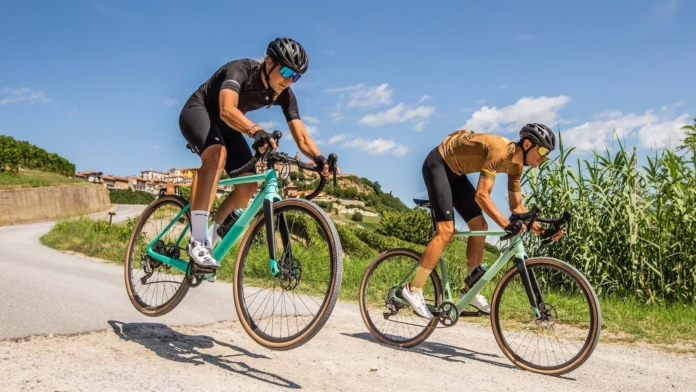
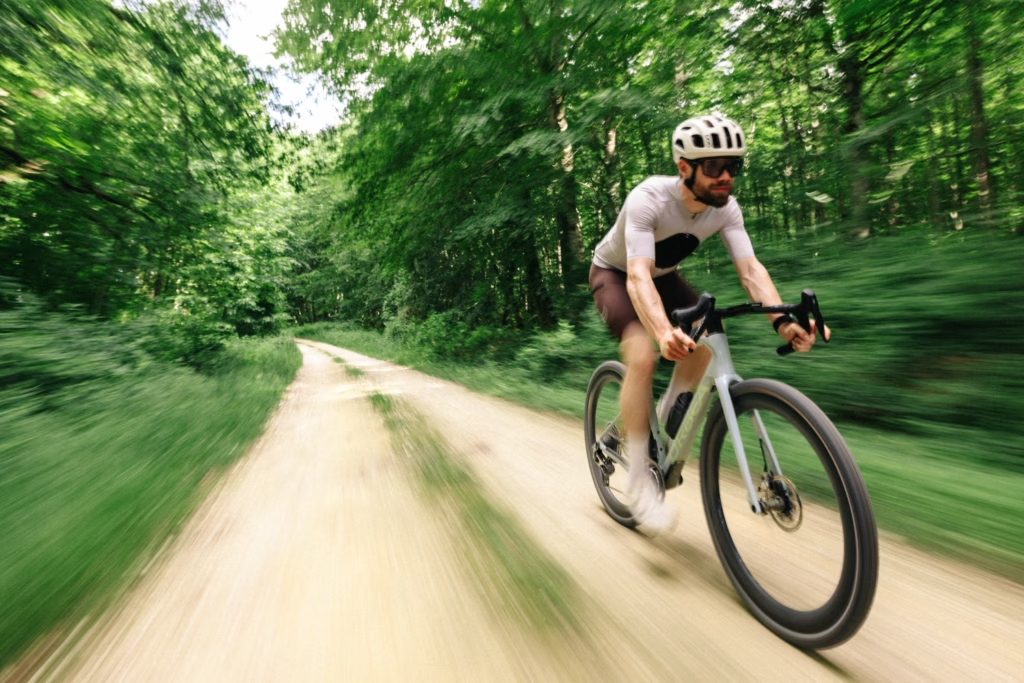
A gravel bike grew out of exactly the kind of riding many people want to do in the UK: a mix of lanes, tracks, farm roads, forest paths and rough tarmac. It looks a lot like a road bike at first glance, but the differences are deliberate.
The frame has more tyre clearance, often up to 40 mm or more. The handling is a touch more stable and relaxed. The geometry sits you a little more upright, which helps on long, bumpy rides. You still have drop bars, so you keep the multiple hand positions and many of the road bike’s strengths on tarmac, but you gain a lot of control and comfort off it.
On broken roads, canal towpaths, bridleways and gravel tracks, a gravel bike simply feels calmer. Wider tyres at lower pressures take the sting out of potholes and stones. You are less worried about washing out on loose surfaces or getting battered by an unexpected rough patch.
The trade-off is pure speed on smooth roads. A gravel bike with big knobbly tyres will never feel as sharp as a dedicated road bike on a fast, dry chain-gang. You can narrow the gap by fitting slick or semi-slick tyres, and many people run a gravel bike on 30–32 mm slicks for most of the year, only swapping to something chunkier for proper off-road.
Gravel bikes also shine if you like the idea of bike-packing, touring or carrying extra kit. They often bristle with mounting points for bags, bottles, guards and racks. For a rider who wants “one bike to do almost everything”, a gravel bike is a strong contender.
What a hybrid bike does differently
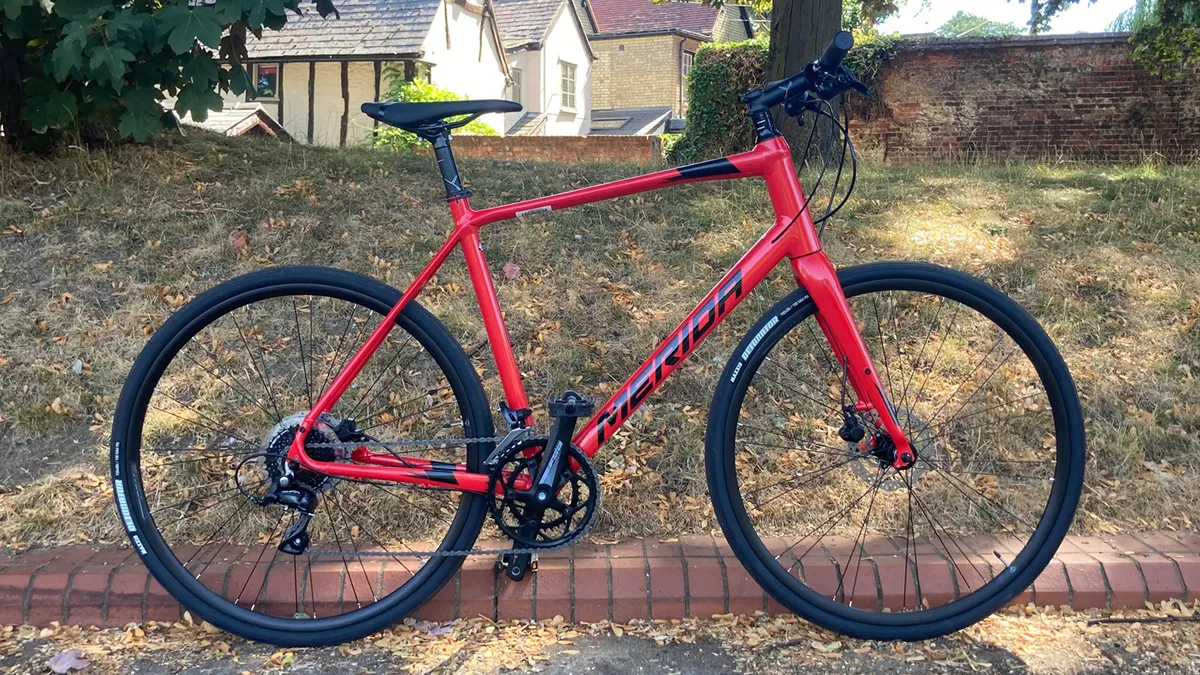
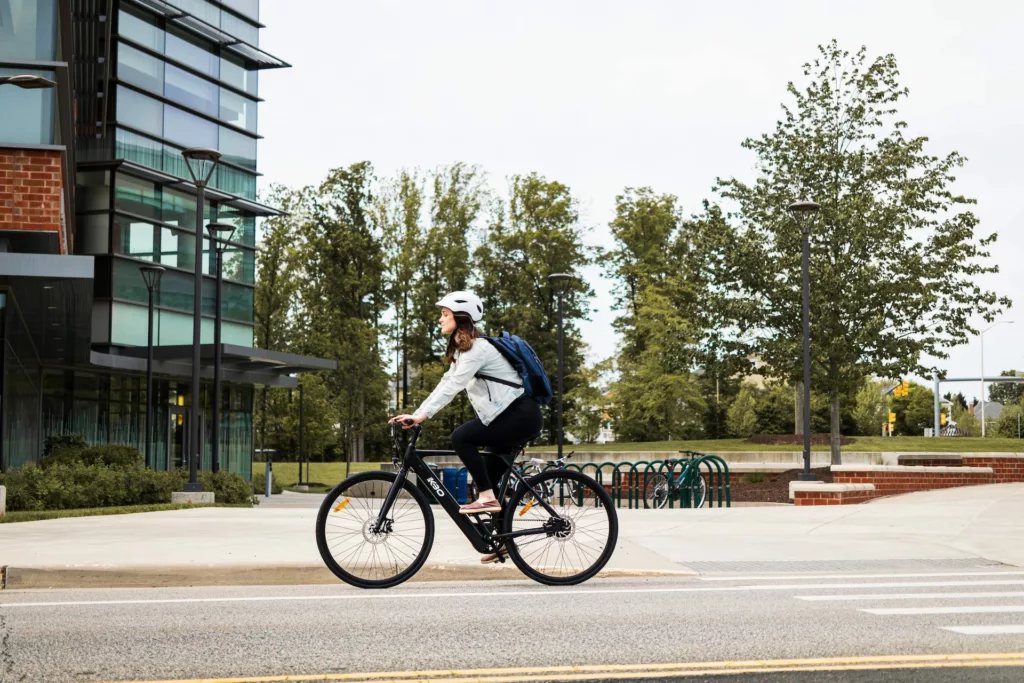
A hybrid bike is built first and foremost around practicality. It takes some cues from road bikes and some from mountain bikes, and then adds an upright position and flat handlebars. The result is a bike that feels immediately familiar, even if you have not ridden much for years.
On short to medium rides around town, hybrids are easy to live with. The position lets you look around in traffic, signalling is straightforward, and you do not have to adapt to drop bars. There is usually room for sensible-width tyres, sometimes with a bit of tread, which is useful on towpaths and rougher cycle routes. Mounting a rack, mudguards and lights is usually simple.
For commuting and general transport, especially in busy urban environments, a hybrid is often the most relaxing option. You can wear normal clothes, sit upright and treat the bike as a tool rather than a piece of sports equipment.
Where hybrids start to show their limits is when your riding stretches out. Over longer distances, the single hand position and more upright posture can actually feel harder work than a well-fitted drop-bar bike. On fast group rides or hillier routes, the extra weight and more relaxed geometry make it harder to keep up. And if you get seriously bitten by the cycling bug, you may quickly bump into what a hybrid will not do as well.
A hybrid makes the most sense when utility and comfort at lower speeds matter more than outright performance: commuting, short fitness rides, town paths and local errands.
Think in use-cases, not labels
It can help to visualise three different riders and the bike that actually suits each of them.
The tarmac-focused rider
This person is drawn to club rides, sportives and the idea of getting fitter through structured riding on roads. They might commute occasionally, but when they imagine riding, it is mostly lanes and B-roads. Here, an endurance-style road bike is the natural choice. It will carry guards and sensible tyres for winter, yet still feel lively and efficient on summer days.
The explorer
This rider wants to mix lanes with bridleways, forest tracks, gravelly byways and the odd stretch of singletrack. They are less bothered about top speed and more about access: getting to quiet places, linking up off-road sections, maybe trying bike-packing. A gravel bike with 35–40 mm tyres is the right tool. Swap to slicks if a road-heavy period comes around, and you still have a very usable “road” setup.
The practical commuter
Here the priority is simple: ride to work, use cycle paths and local roads, maybe add a short weekend spin along a canal. Reliability, visibility and comfort in traffic matter more than ride feel at 30 km/h. A hybrid with a rack, guards and solid tyres is the least complicated, most immediately comfortable choice.
Many of us sit somewhere between those neat boxes, but one of them will usually feel like the closest fit.
How to make the decision in practice
When you are standing in a shop or clicking through websites, theory can blur. A simple way to cut through it is to ask yourself three questions and be specific with your answers.
- What percentage of my riding will be on proper roads, and what percentage off-road or on rough paths?
If the answer is “almost all roads”, lean towards a road bike. If a third or more of your time will be on gravel, tracks and towpaths, a gravel bike is a safer bet. If it is mostly short trips and commutes with a bit of everything, a hybrid comes into play. - Do I care more about speed or about comfort and simplicity?
If speed, efficiency and the idea of longer rides appeal, a drop-bar bike (road or gravel) is usually best. If you mainly want a simple, upright bike that feels like a more capable version of a town bike, a hybrid is less intimidating. - Will I grow into the sport, or is this mainly about everyday use?
If you already suspect you will end up entering events or riding with clubs, it is often worth going straight to a road or gravel bike. If the bike is primarily a tool for getting about, with fitness as a bonus, the hybrid makes more sense.
Once you have worked through those questions, look at the details: tyre clearance, mounts for guards and racks, comfortable sizing, and the ability to run sensible gearing for hills. Those practical touches matter just as much as the label on the frame.
The bottom line
There is no universally “right” choice between road bike, gravel bike and hybrid. There is only a right choice for the riding you will actually do.
- Choose a road bike if most of your time will be on tarmac, you like the idea of covering distance efficiently, and you are drawn to faster rides and events.
- Choose a gravel bike if you want one bike that can handle roads, lanes, tracks and rough paths, and you value exploration and versatility over pure speed.
- Choose a hybrid if your priority is straightforward, upright comfort for commuting, town riding and shorter spins, and you want something that feels intuitive from the first pedal stroke.



Get that match right, and the bike stops being a complicated decision and becomes what it should be: the most reliable way to turn the riding you imagine into something you actually go out and do.
For other beginner’s guides, read more on this page.

