
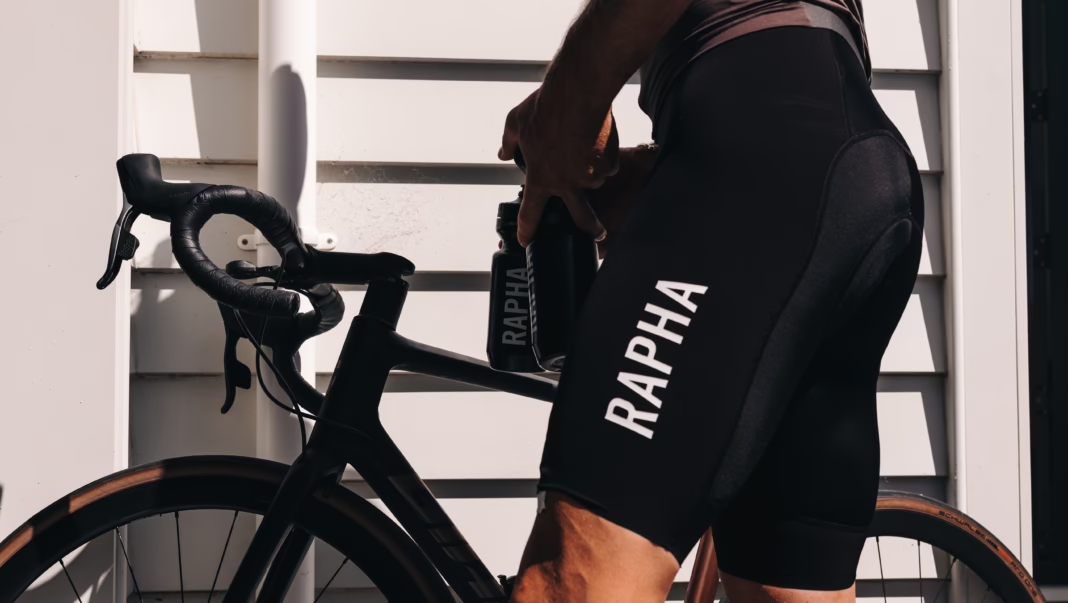
When you first get into cycling, the clothing landscape can feel baffling. Some riders seem perfectly happy in Lidl bib shorts, others swear you need to remortgage the house for quality kit. The truth sits somewhere between those extremes. Certain items genuinely transform your comfort on the bike. Others matter far less than marketing suggests.
This guide cuts through the noise and focuses on the three pieces of kit that affect almost every ride: padded shorts, jerseys and gloves. What should you invest in, where can you save, and what makes the real difference to comfort on UK roads?

Padded shorts: the one item where quality really matters
If you only spend good money on one piece of cycling clothing, let it be padded shorts or bib shorts. They have a bigger impact on day-to-day comfort than almost anything else you can buy.
Why padded shorts matter so much
The pad (or chamois) sits directly between you and the saddle. A good one cushions pressure, reduces friction and wicks moisture. A poor one feels bulky, shifts around, soaks up sweat and then rubs like sandpaper. After an hour on rough British lanes, the difference becomes very obvious.
Higher-quality shorts justify their price in a few key ways:
- The chamois shape is more anatomical and sits where it should, not bunched behind you.
- Padding is denser but thinner, supporting your sit bones without feeling like a nappy.
- Panels are cut to follow your body shape while pedalling, reducing seams and pressure points.
- Fabric is more compressive, holding the chamois in place.
- Grippers stay flat rather than squeezing or leaving marks.
The magic is not in extreme cushioning; it is in stability. A good pad moves with you rather than against you.
How much do you need to spend?
At the very budget end (£20–£30), shorts can work for short rides, but pads tend to collapse or shift over time. Around £50–£80, you get genuinely decent quality, especially in sales. The sweet spot for frequent riders is usually £80–£120, where the chamois design and cut improve dramatically.
Above that you are paying for top-tier fabrics, better compression, lighter weight and more precise shaping. Worth it if you ride long distances or often, not essential if you are new.
Bibs or waist shorts?
Most riders eventually choose bib shorts because:
- They keep the pad in the right place
- There is no waistband digging into your stomach
- They fit more evenly across the body
Waist shorts are easier for quick stops, and some riders prefer them, but bibs usually feel more secure and comfortable once you get used to them.
Verdict: Spend properly on padded shorts. They make the biggest difference to comfort and reduce the risk of chafing and soreness, especially on British back roads.
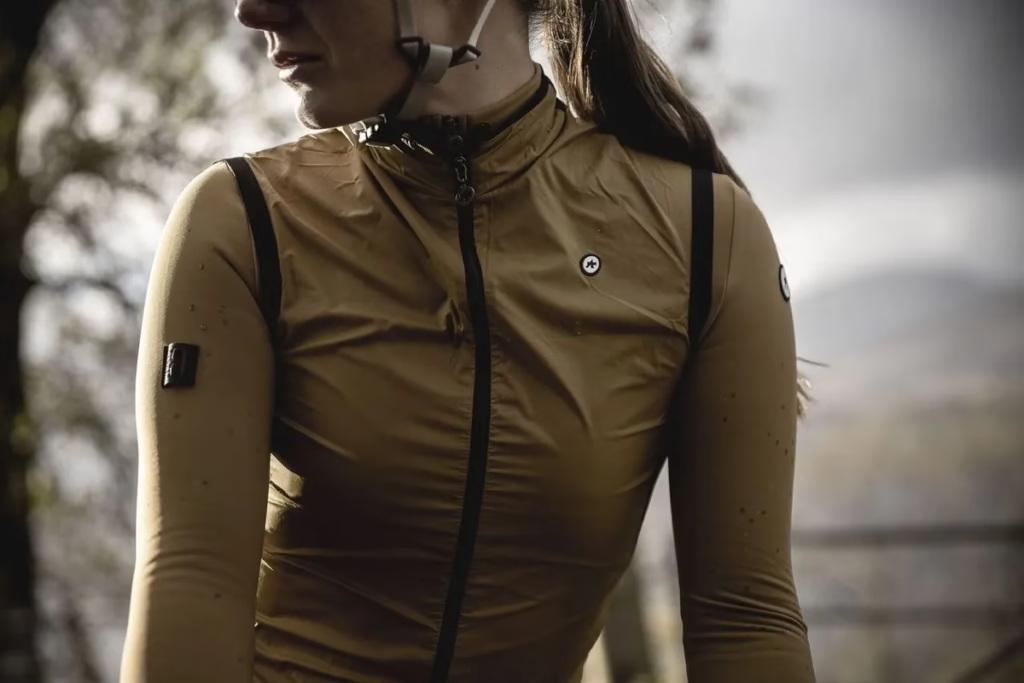
Jerseys: comfort and practicality before branding
A jersey is less critical to your physical comfort than shorts, but it still plays a big role in how enjoyable and practical your ride feels.
What actually matters in a jersey
Three things change the experience:
- Fabric quality: Better jerseys wick sweat quickly and hold their shape. Cheaper ones can feel clammy and sag once damp.
- Fit: Too tight and you feel self-conscious; too loose and pockets sag and flap in the wind. Look for a close but not race-tight fit if you want all-day comfort.
- Pockets: Deep, stable pockets are more useful than any fancy material. Entry-level jerseys often have pockets that bounce or sit too high.
Extras like reflective details, a zip garage and mesh side panels can help but are not essential.
How much should you pay?
You do not need to spend a fortune here. A solid jersey in the £30–£60 bracket can serve you perfectly well. The £80–£120 tier offers nicer fabrics, better tailoring and more refined details, but you will not suffer by starting lower.
Where higher-end jerseys shine is in thermoregulation. Premium summer jerseys are lighter and airier, while premium winter ones are warmer without bulk. But you can build a practical wardrobe without touching the top shelf.
Fit: the piece most beginners underestimate
A jersey that fits well feels “disappearingly” comfortable. Pockets sit flat, the fabric does not flap, and the hem stays put when you move your hands on the bars. If in doubt, start with a comfort-oriented cut rather than a race cut.
Verdict: Spend moderately. Get something that fits, breathes and has good pockets. Performance gains from premium jerseys are real but not essential for new riders.

Gloves: small item, big impact
Gloves are one of those accessories you do not think about until you ride without them. Even in summer, gloves can improve grip, reduce road buzz and protect your palms in a crash.
What makes a glove good
The best cycling gloves are the ones you forget you are wearing. Look for:
- Padding that suits your hands, not just thick padding. Too much can be worse than too little by creating pressure points.
- A snug fit that prevents material gathering in your palm.
- Breathable uppers in summer so your hands do not feel slimy.
- Windproof insulation in winter gloves to keep fingers functional.
High-end gloves tend to use better materials and more thoughtful panel layouts. Cheaper gloves often have clumsy padding layouts or stiff fabrics.
How much should you spend?
For summer mitts, spending around £20–£35 is usually enough. They will be breathable, grippy and reasonably well cut. Above £40 you tend to get nicer fabrics and more subtle padding.
Winter gloves are more complicated. Cheaper pairs often appear warm in the shop but fail once wet or in wind. Expect to spend £40–£70 for reliable winter performance in the UK.
Verdict: Spend modestly, but do not buy the cheapest gloves you can find. Choose padding carefully and make sure the fit is close and comfortable.
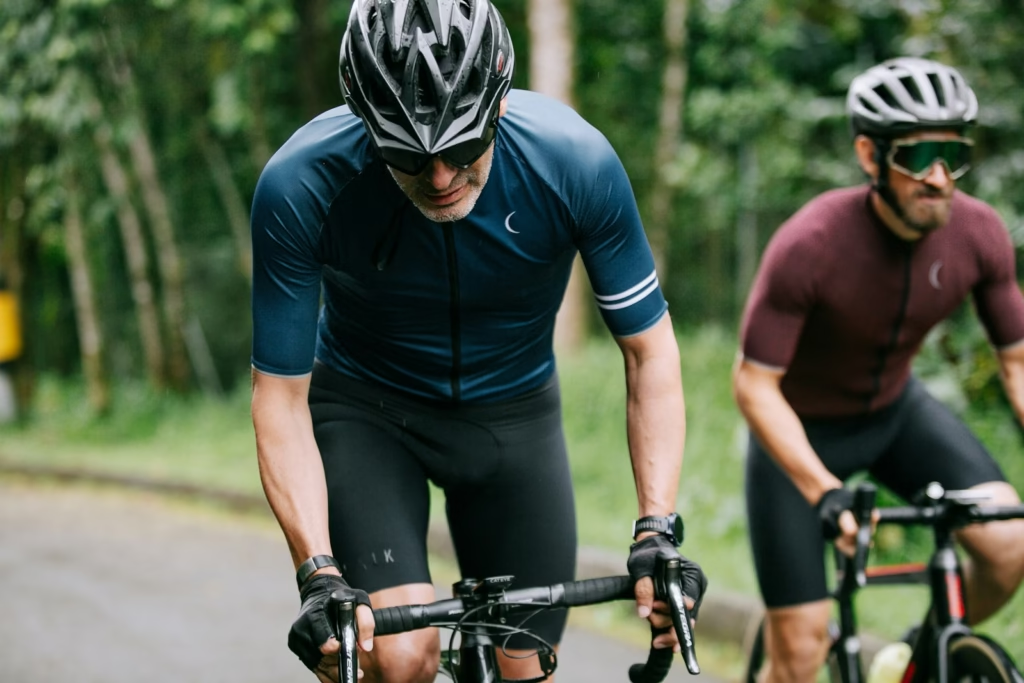
What is worth prioritising overall?
If you are building your kit drawer from scratch, this is a simple hierarchy based on real comfort impact.
- Padded shorts – worth spending real money on. They change everything.
- Gloves – inexpensive but hugely important for grip, comfort and protection.
- Jerseys – useful to have, but you can start with mid-range options and upgrade slowly.
It is tempting to blow the budget on a flashy jersey, but the smart choice is to spend more on shorts, then gloves, then the jersey. That order gives you the best improvement in comfort per pound spent.
The bottom line
-
 Photo Credit: Getty
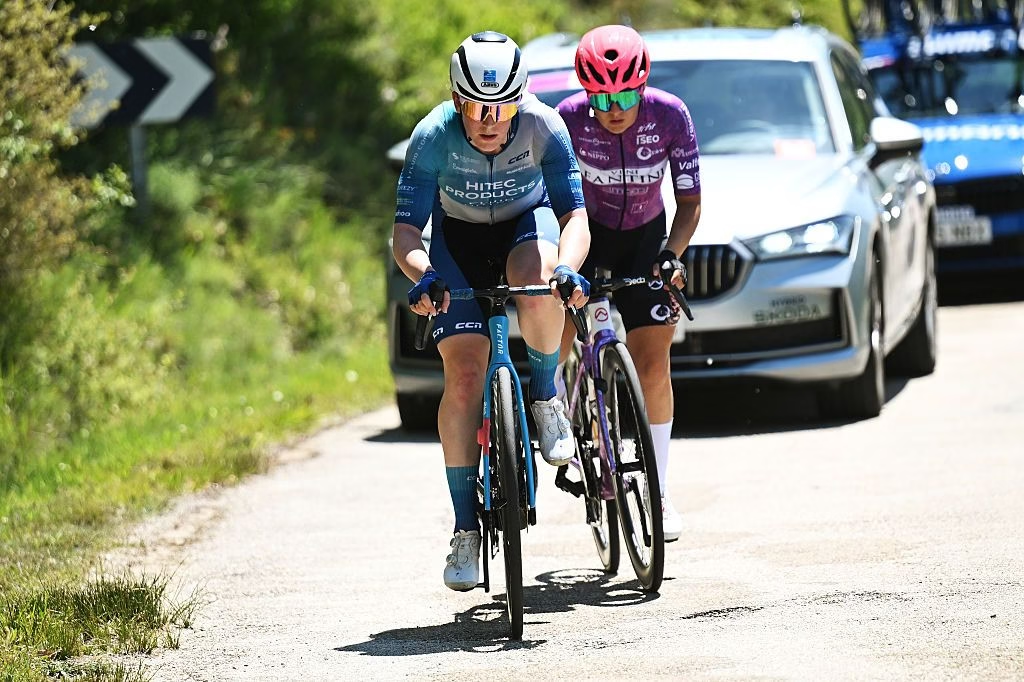
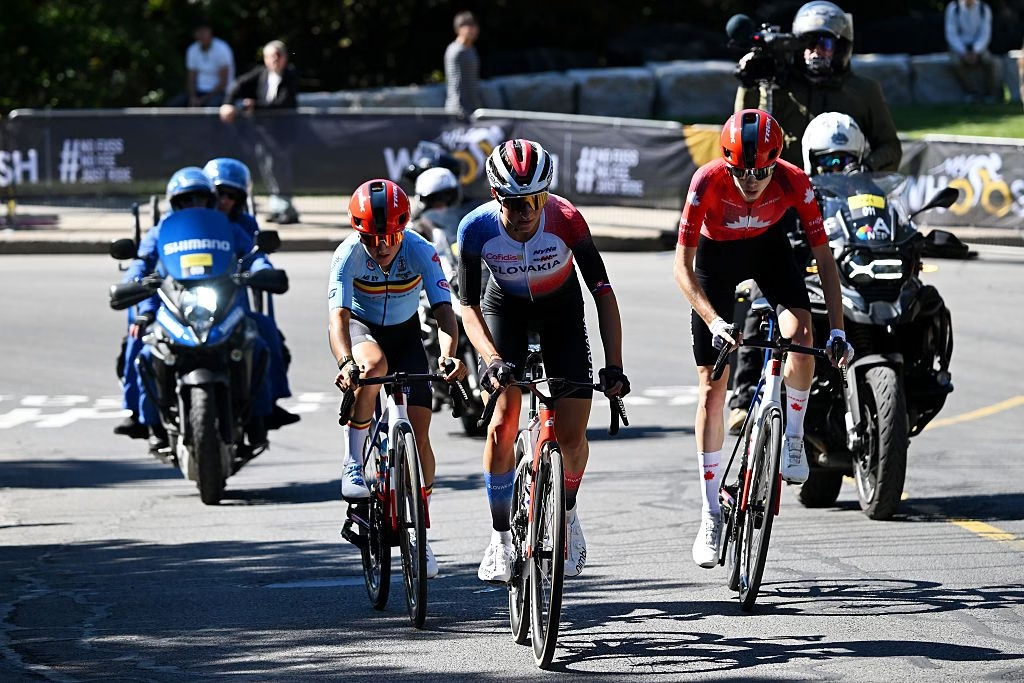
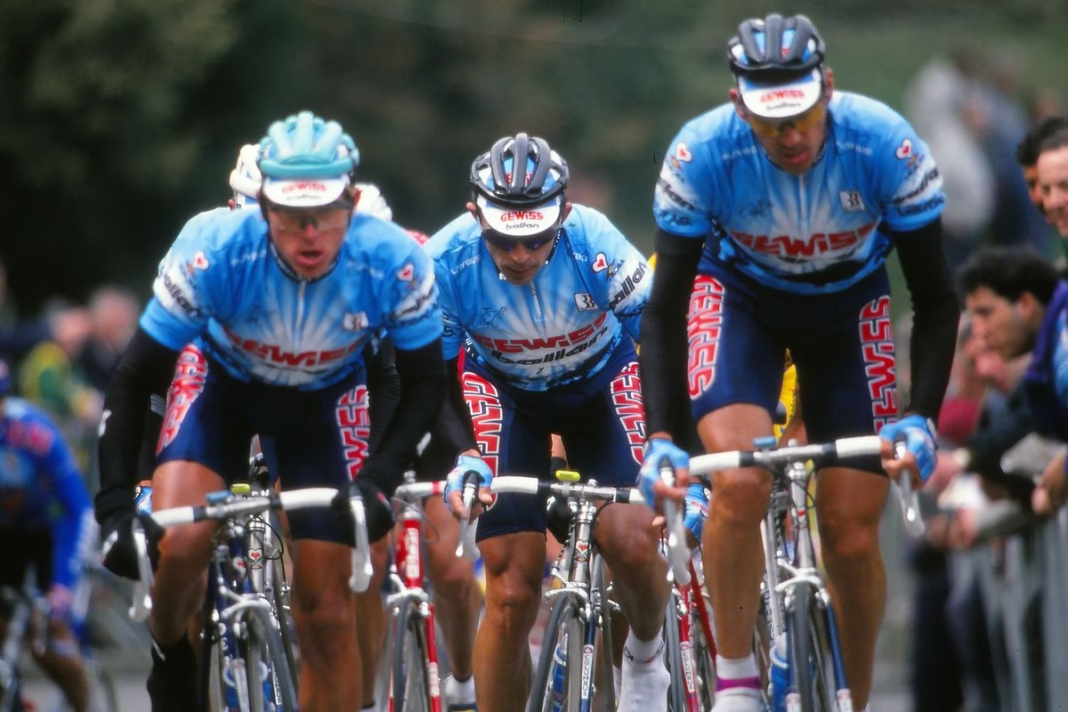
Cycling kit does not have to be expensive, but the pieces that sit closest to your body – and take the most abuse from vibration, sweat and movement – are worth choosing carefully.
- Spend properly on padded shorts; they make the biggest difference to daily comfort.
- Choose gloves that fit well and suit the season; they keep your hands happy and protected.
- Pick jerseys for fit, pockets and fabric, not logos. Mid-range is more than enough.
Do that, and you will have a small, effective wardrobe that feels good across British conditions – without needing a walk-in closet full of Lycra.

