A multi-day cycling holiday has its own rhythm, its own routine and its own kind of satisfaction. Whether you are heading to Mallorca’s smooth coastal loops, Girona’s quiet Catalan lanes, the cobbled bergs of Flanders or the high Alpine passes of France and Italy, the goal is the same: ride well, recover well and enjoy the journey without feeling overwhelmed by fatigue. A successful trip is not determined by raw fitness. It is shaped by durability, the ability to ride day after day with control and confidence.
This guide breaks down how to prepare for your first multi-day cycling holiday, weaving together practical training structure, fuelling principles and destination-specific considerations so your trip feels like an adventure, not an endurance test.
Think in terms of durability, not peak fitness
Multi-day riding demands steadiness, not heroics. You are not preparing for a single decisive effort; you are preparing to ride comfortably for several hours at a time, recover overnight and repeat. This is where durability matters.
Durability grows through consistent, moderate intensity riding. Long, steady rides develop the aerobic base you lean on throughout a cycling holiday. They also condition your contact points hands, feet and saddle which matter more than you expect once the kilometres accumulate.
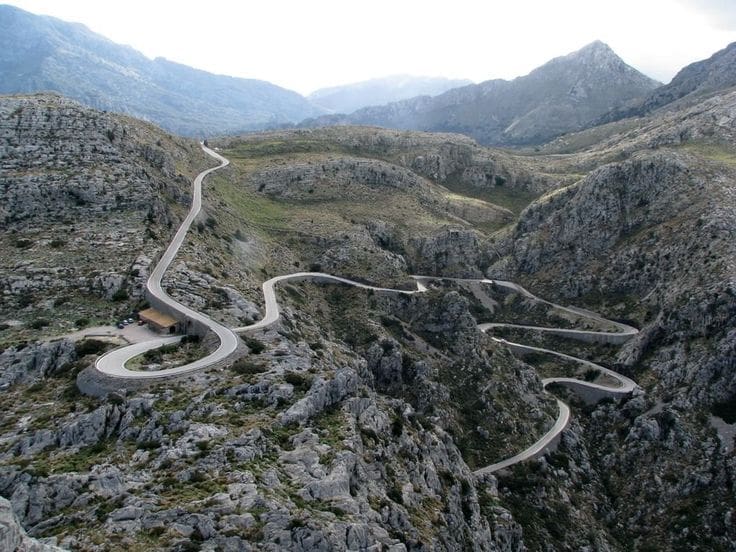
If you are preparing for Mallorca, you will likely face long, sustained gradients such as Sa Calobra or Puig Major. Girona adds short, punchy climbs and rolling terrain. Flanders requires resilience on cobbles and the ability to cope with repeated small climbs on tired legs. Each destination rewards the same foundation endurance, pacing and efficiency.
Structure your training around one long ride each week, two medium rides and one optional technical or skills session. Do not chase speed. Chase smoothness.
Back-to-back rides are the heart of your preparation
Nothing prepares you for multi-day riding like… multi-day riding. This does not mean replicating trip distances, but practising back-to-back sessions so your body learns how to produce consistent power without a full day to recover.
Start simply. Ride 40 to 60 km on Saturday and follow it with 20 to 40 km on Sunday. After a few weeks, increase the Saturday distance while keeping Sunday relaxed. This develops the exact fatigue resistance you will need in Mallorca if you plan to string together several coastal and mountain days, or in Flanders when the classic-style terrain demands repeated efforts.
Back-to-back training teaches you:
- How to pace early when legs are still waking up
- How much food you need to stay consistent
- How your comfort changes over hours and days
- How to handle climbing on semi-fatigued legs
For Girona-style riding, this is especially useful, as routes often include several short climbs spread throughout the day as well as the longer ones. Practising on consecutive days helps you find your rhythm for these rolling profiles.
Train on terrain that matches your destination
You cannot perfectly mimic every destination, but you can prepare with intention.
Mallorca
Expect long climbs, long descents and beautifully smooth roads. Focus on sustained efforts of 10 to 30 minutes at a conversational pace. Practise pacing uphill and relaxing on the descents.
Girona
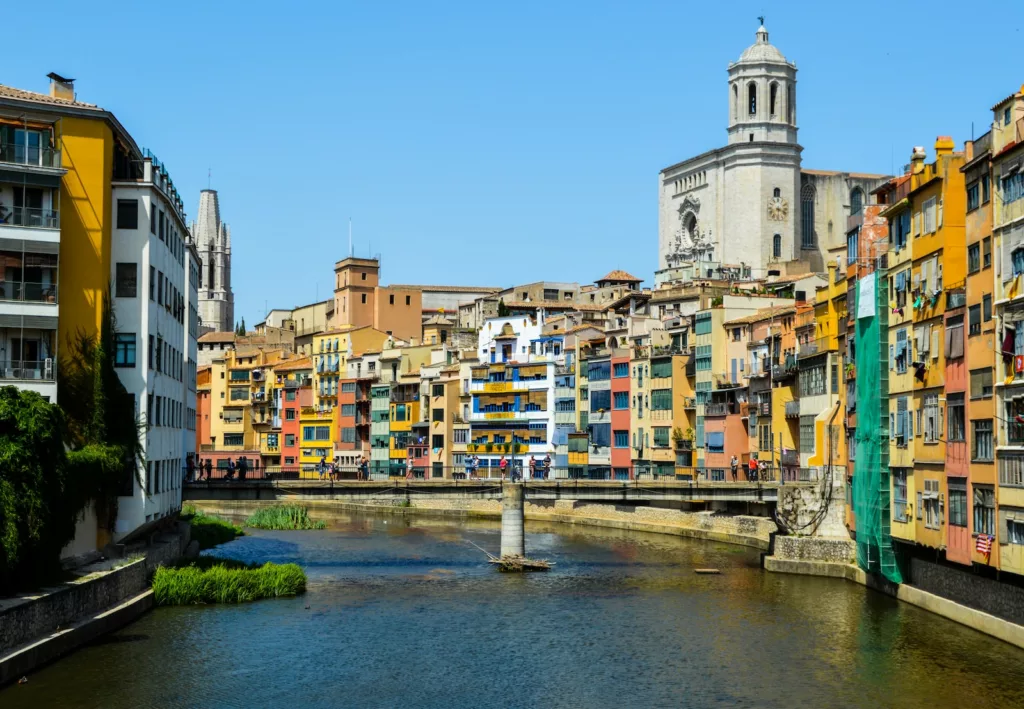
The terrain mixes rolling countryside with solid climbs like Els Angels or Sant Grau. Include repeated hill efforts in your training, but keep them aerobic. The goal is rhythm, not intensity.
Flanders
The cobbles demand stability and strength. Ride rough lanes at home if possible. Practise climbing out of the saddle on short ramps. Focus on bike handling, you will use it more than you think.
Alpine destinations
Prepare for the length of the climbs. Two-hour endurance efforts build the mindset and pacing discipline needed for passes such as Galibier or Stelvio. Smooth pedalling becomes essential here.
Even if your local terrain does not match your destination, you can simulate the demands. Flats with headwinds build steady power. Repeated bridges or short hills simulate bergs. Longer endurance rides mimic the feel of Alpine days.
Pacing for sustainability
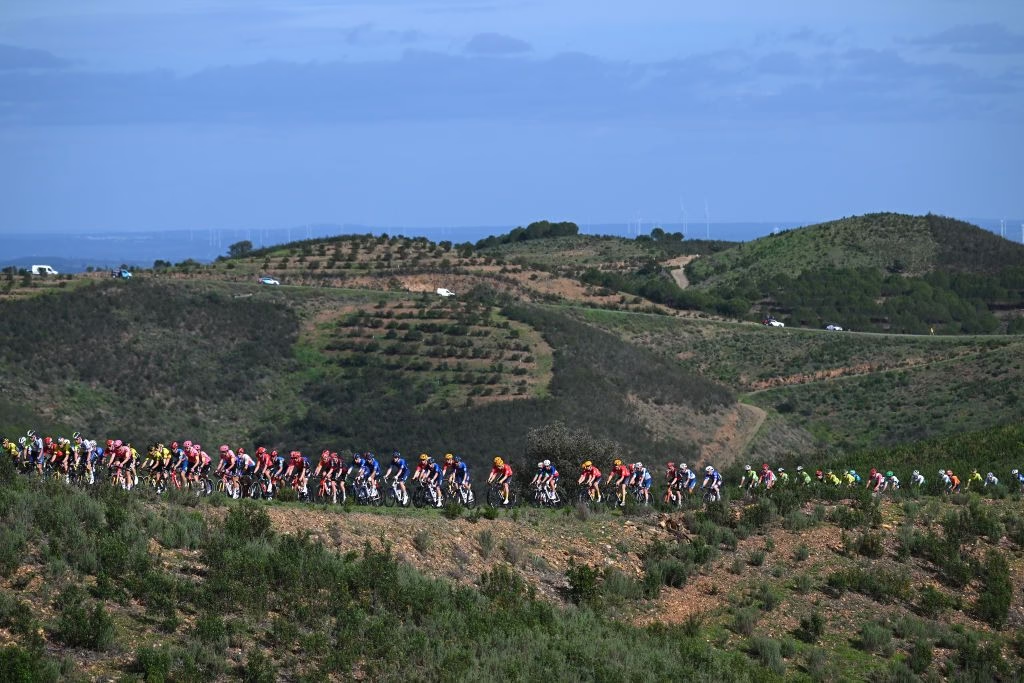
Pacing is the foundation of multi-day riding. The mistake nearly every first timer makes is riding day one too hard. It is tempting to treat the first day as a challenge, especially when the roads are smooth, the weather is bright, and the excitement is high. But the bill arrives on day two.
Ride at a pace you could replicate tomorrow. If you cannot answer yes, ease off. A multi-day holiday rewards patience, not heroics. Even on climbs, keep your cadence light. Spin rather than grind. When in doubt, slow down.
Flanders is an excellent example of why pacing matters. The climbs are short, but repeated. If you surge each time, the final bergs will feel twice as steep. Mallorca is similar. Overpacing Sa Calobra or Coll de Sóller early in the trip can make Puig Major later in the week far harder than it needs to be.
Nutrition and hydration: train the routine now
You rarely bonk on day one of a holiday. It is day three or four when poor fuelling habits catch up with you. That is why you should practise eating and drinking as part of your training.
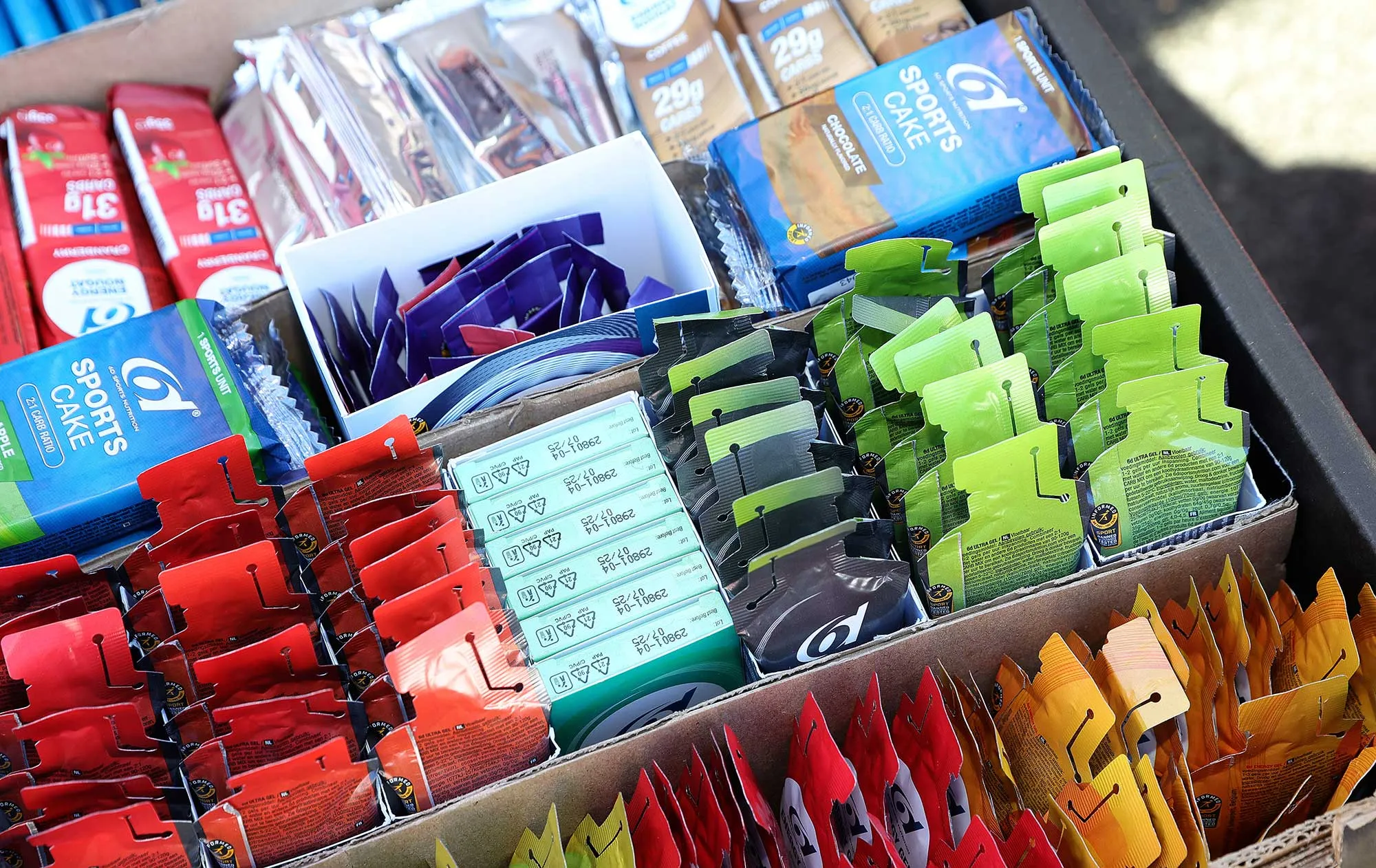
Eat every 30 to 40 minutes on longer rides and drink consistently. Multi-day destinations vary wildly in climate. In Mallorca or Girona, you may need significantly more hydration than in Flanders or Scotland. Alpine climbs magnify dehydration because altitude and sun exposure both increase fluid loss.
Practise what works for your stomach. Some riders prefer real food, others rely on bars or gels. The right choice is whatever keeps you comfortable.
In the evenings, recovery meals matter. Aim for plenty of carbohydrates, enough protein to repair muscle and enough calories overall. Under-fuelling after a long day is one of the fastest ways to compromise the next.
Recovery habits matter more than you expect
Recovery is your engine room on a multi-day trip. Getting it right determines how your legs feel when you wake up.
Use training to practise good habits:
- Eat within 30 minutes of finishing your ride
- Sip water or electrolytes for several hours after
- Stretch lightly or use gentle mobility exercises
- Sleep more than usual
- Avoid intense off-bike activities when fatigued
Girona and Flanders both tempt riders with post-ride walking tours, breweries or city exploring. Enjoy them, but remember that recovery time is finite. Balance is important.

Equipment and comfort for consecutive days
A comfortable bike fit becomes crucial on a multi-day holiday. Small discomforts that are manageable on a 40 km ride can become serious problems over four or five days.
Check:
- Saddle height and tilt
- Handlebar reach and width
- Tyre choice and pressure
- The weight of anything you plan to carry
Mallorca’s descents reward properly maintained brakes. Flanders rewards wider tyres for cobbles. Girona rewards good gearing for varied gradients. Alpine regions reward low gearing to keep climbing sustainable.
Do not make major setup changes just before the trip. Test everything in training.
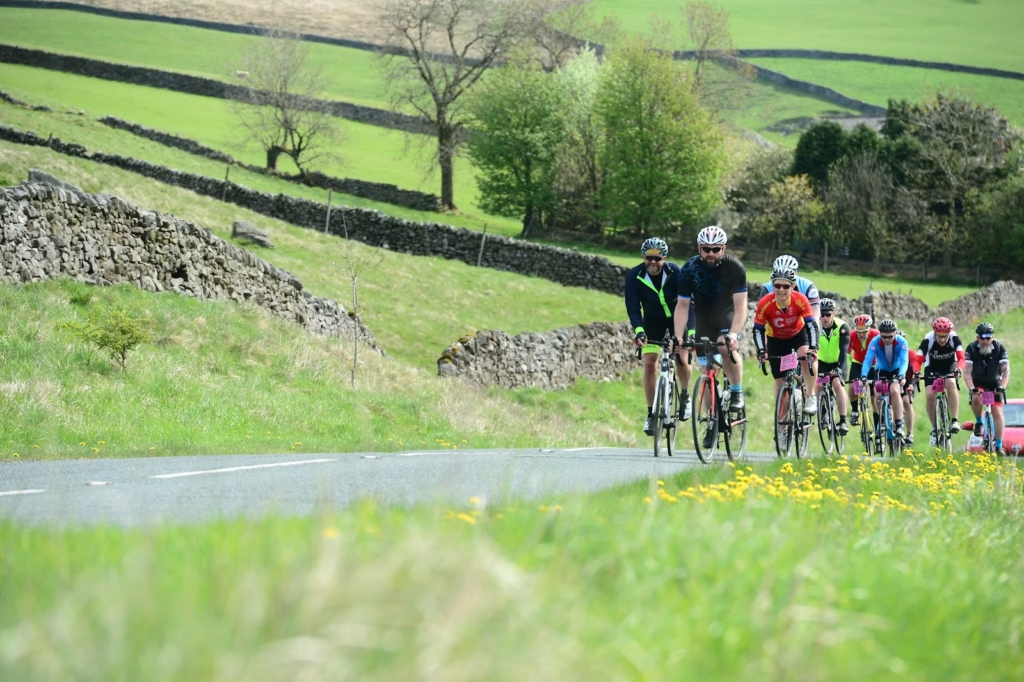
A simple training structure for multi-day preparation
Below is a flexible eight-week plan for riders who can already manage 30 to 40 km comfortably. The emphasis is on endurance, back-to-back conditioning and pacing.
Eight-week preparation plan
| Week | Long Ride (Weekend) | Second Ride (Back to Back) | Midweek Ride | Focus |
|---|---|---|---|---|
| 1 | 40 km steady | 20 km easy | 20 km relaxed | Build routine and comfort |
| 2 | 50 km steady | 25 km easy | 25 km endurance | Smooth pedalling |
| 3 | 60 km steady | 30 km relaxed | 25 km with hills | Adapt to riding tired |
| 4 | 65 km steady | 35 km easy | 30 km cadence | Comfort on longer sits |
| 5 | 75 km steady | 40 km relaxed | 30 km endurance | Pacing discipline |
| 6 | 80 km steady | 45 km easy | 35 km technique | Back to back resilience |
| 7 | 90 km steady | 50 km relaxed | 35 km endurance | Nutrition practice |
| 8 | 60 to 70 km | 30 km easy | Optional recovery | Stay fresh for the trip |
Final thoughts
Multi-day cycling holidays are not about pushing limits. They are about discovering your limits gently, managing them well and enjoying places built for long rides. Mallorca’s sweeping descents, Girona’s sunlit climbs, Flanders’ iconic bergs and the grandeur of the Alps all reward riders who arrive prepared but not exhausted.
Train patiently, learn your pacing, respect your recovery and build a routine that you trust. When the holiday arrives, the days will flow together naturally: ride, refuel, relax, repeat. And that rhythm is exactly what makes multi-day cycling so addictive.