Signing up for your first sportive or charity ride is a genuine milestone. It turns riding into something more purposeful, gives structure to your training and adds a sense of occasion that everyday rides rarely provide. But choosing the right event matters. A well-matched first ride builds confidence and enjoyment. A poorly chosen one can feel overwhelming long before the finish line.
The aim is not to find the most famous event or the longest distance. It is to find a ride that suits where you are now and leaves you wanting to do another.
Start with a distance that feels achievable, not heroic
Distance is the most obvious starting point, but it is also the one most riders misjudge. A first event should feel like a step forward, not a leap into the unknown. A good rule is that your longest training ride should already be close to the event distance. If you can ride 60 km comfortably, then a 75 or 80 km event is a sensible progression. If 80 km is already part of your routine, a 100 km sportive becomes realistic.
The atmosphere of an organised ride does help carry you along, but it does not replace fitness. The final third of the route still needs legs, concentration and fuel. Finishing tired but in control is far more rewarding than hanging on and counting down every kilometre.
Terrain matters as much as kilometres
Two events can both be 100 km and feel completely different. Elevation, road surface and how the climbs are distributed shape the day far more than the headline distance.
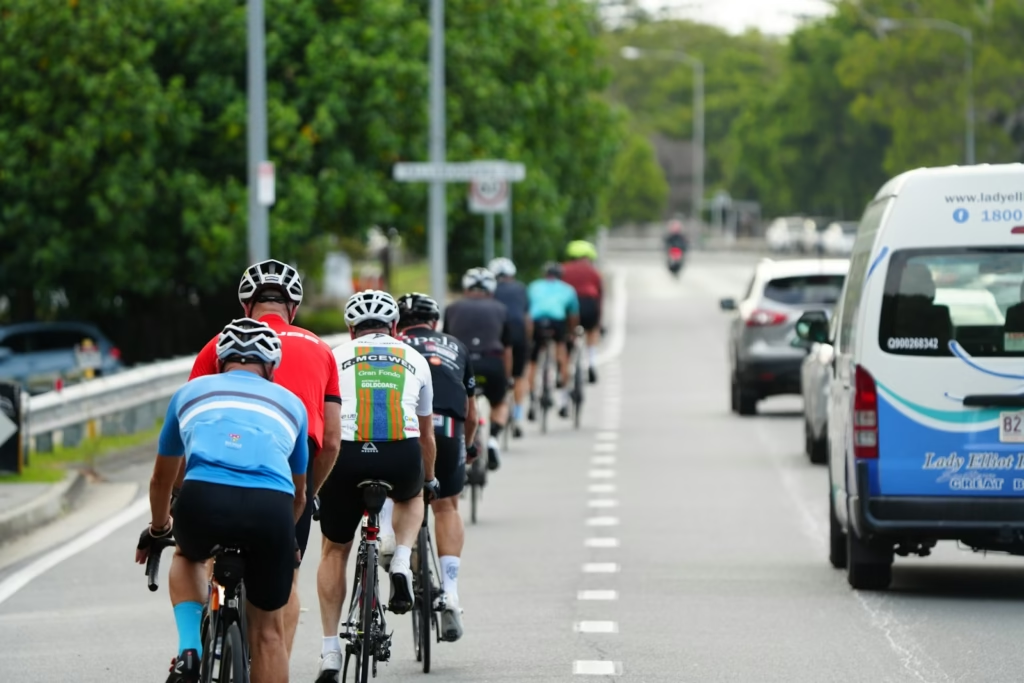
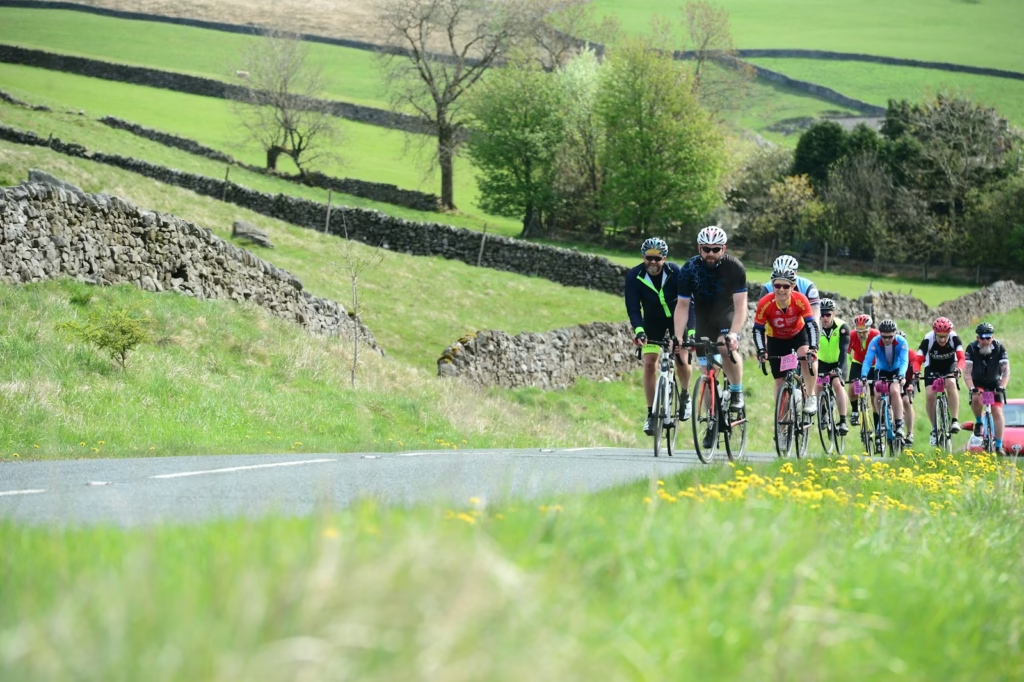
Look closely at the route profile rather than just the numbers. Long, steady climbs require patience and pacing but are often easier to manage than repeated short, steep ramps. Rolling terrain with constant changes in gradient can quietly drain your legs if you are not used to it. Poor road surfaces add fatigue even if the route is technically flat.
If you are new to events, smoother roads and gentler profiles make the experience far more forgiving. You will still feel challenged, but without the sense of being constantly on the back foot.
Decide what kind of atmosphere you want
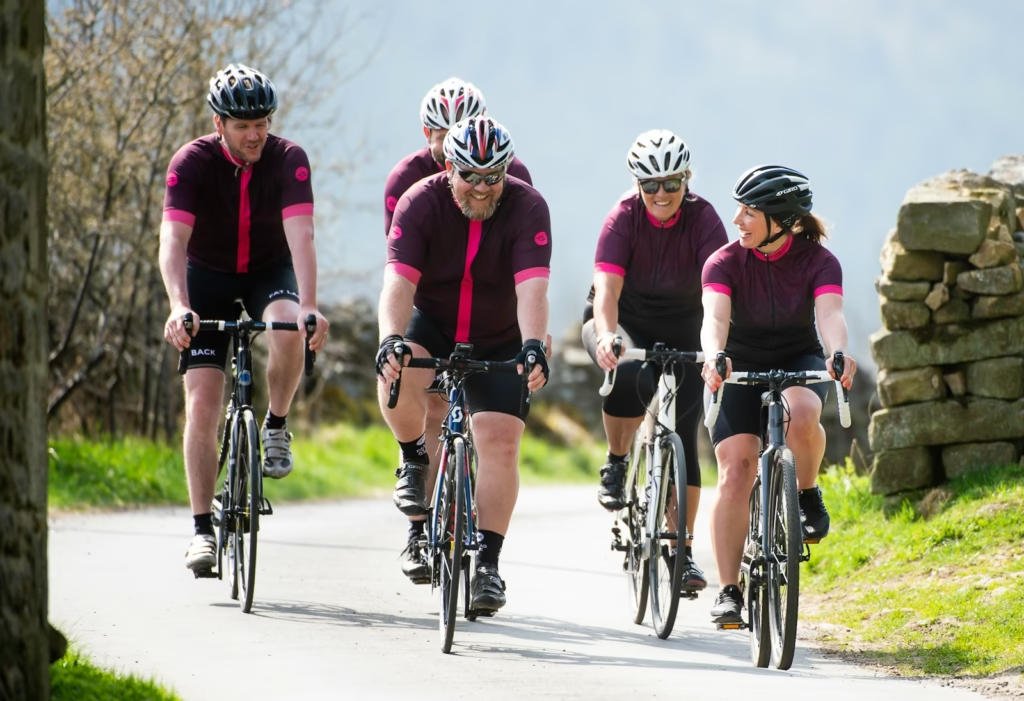
Not all events feel the same, even if the distances are similar. Some rides lean heavily into the social side, with riders chatting, stopping together and enjoying generous feed stations. Others are quieter and more performance-focused, with long stretches ridden solo as the field spreads out.
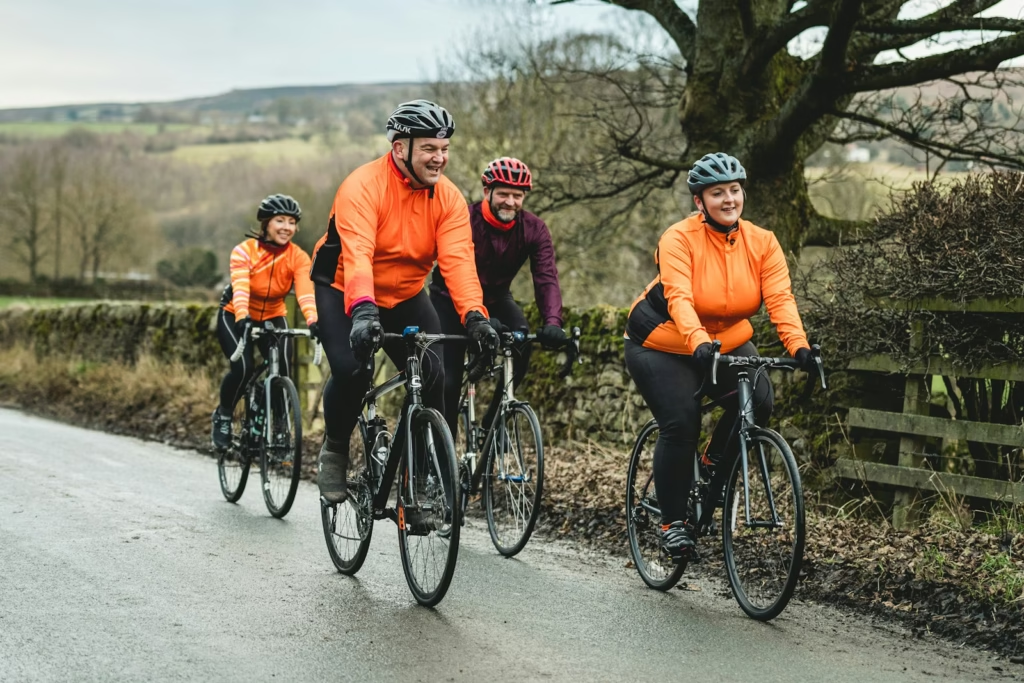
Charity rides often create a supportive, encouraging environment. There is usually less pressure to ride fast, and the motivation of riding for a cause can be surprisingly powerful when the legs start to fade. Sportives can feel more individual, with riders setting personal goals and riding at their own pace for most of the day.
Neither approach is better. What matters is choosing the one that suits your personality. If you enjoy riding with others and drawing energy from the group, a social charity ride is often a great first step. If you like setting personal challenges and riding to your own rhythm, a sportive may suit you better.
Pay attention to organisation and on-the-road support
Good organisation can make a first event feel calm and straightforward. Poor organisation turns small issues into unnecessary stress.
Well-run events usually have clear route signage, regular feed stations and visible support vehicles. That means fewer decisions to make on the road and less worry about navigation, food or minor mechanical problems. For a first ride, that reassurance matters.
Look at how often feed stations are placed and what they typically provide. Frequent stops reduce the pressure to carry lots of food and water. Mechanical support is not essential, but it adds a safety net that many first-timers appreciate.
Think about logistics before you sign up
Travel and timing shape your day more than you might expect. A brilliant route loses its appeal if it involves a very early start, long travel or complicated parking arrangements.
For a first event, staying local or within easy reach keeps things simple. Less time in the car means more energy for the ride itself. It also reduces pre-ride nerves, which can be surprisingly draining.
Check start times and whether the event uses wave starts. Early waves can feel rushed if you are not used to event mornings. Later waves are often calmer and more relaxed, which suits many first-time riders.
Match the event to your motivation
Some riders sign up because they want to test themselves. Others are drawn by a cause, a destination or the chance to ride closed roads. Being honest about why you want to do the event helps narrow the choice.
Charity rides offer emotional motivation and a strong sense of purpose. Sportives tend to appeal to riders who enjoy structured training and measuring progress. Both motivations are valid, and many riders eventually enjoy both styles.
Your first event should reinforce why you enjoy cycling in the first place.
Look beyond the event description
Marketing copy rarely tells the full story. Rider experiences are far more revealing. Reviews often highlight things like congestion at feed stations, route bottlenecks, road conditions or how welcoming the event feels to newcomers.
Pay particular attention to comments from riders doing the shorter or middle-distance routes. Their experience is likely to mirror yours more closely than that of riders tackling the longest option.
A final sense check before entering
Before committing, ask yourself a few simple questions:
- Can I train comfortably for this distance?
- Does the terrain suit my current riding?
- Will the organisation support a first-time rider?
- Does the atmosphere appeal to me?
- Are the travel and start logistics manageable?
If the answers feel reassuring rather than daunting, you are probably making the right choice.
Final thoughts
Your first sportive or charity ride is not about proving anything. It is about enjoying the process, testing yourself gently and finishing with a sense of satisfaction rather than relief. Choose an event that matches your fitness, your temperament and your reasons for riding.
Get that right and the day becomes a positive turning point, the moment cycling shifts from something you do to something you actively look forward to doing again.