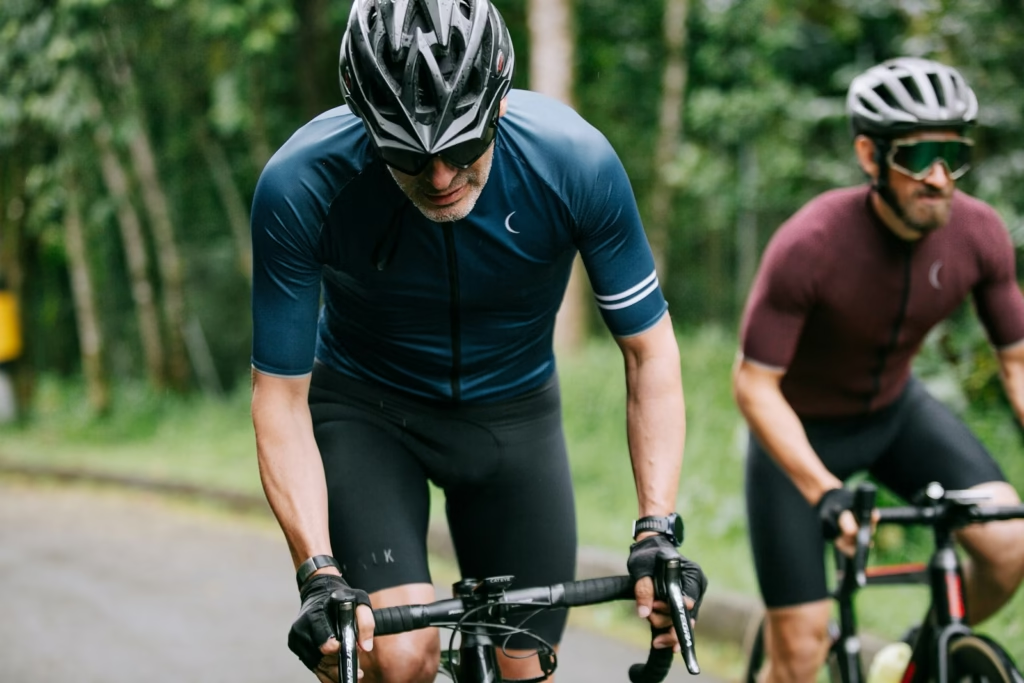
Starting road cycling at 40 can feel like a contradiction. You are old enough to know your body matters, but young enough to want progress, goals and a sense of momentum. The mistake many riders make is treating cycling like a test of toughness rather than a long-term project. Done well, cycling in your forties can improve fitness, energy and mental clarity. Done badly, it becomes a fast route to knee pain, exhaustion and frustration.
This guide is about starting sensibly, building gradually and enjoying the process without trying to ride like your twenty-five-year-old self.
Reset your expectations, not your ambition
One of the hardest adjustments at 40 is learning to separate ambition from impatience. You can still aim for sportives, long rides, and even racing, but the timeline matters more than the target.
Recovery takes longer than it once did. That does not mean progress stops, but it does mean consistency beats intensity. Riding four or five steady weeks in a row will take you further than one heroic week followed by burnout or injury.
Early on, focus less on speed and more on repeatability. Ask yourself whether you could ride again tomorrow but feel okay. That question becomes more useful than any average speed figure.
Build a base before chasing fitness
Many new riders at 40 jump straight into hard efforts because cycling feels low-impact. The joints might cope, but the supporting muscles and tendons often lag behind.
The first priority should be building aerobic endurance and muscular resilience. That means riding at a pace where conversation is possible, and your breathing stays controlled. These rides do not feel dramatic, but they lay the foundations that protect you later.
In practical terms:
- Start with two or three rides a week
- Keep most rides between 45 and 90 minutes
- Increase duration before intensity
- Leave at least one rest day between harder efforts
Hard riding has its place, but it should be the seasoning, not the main meal.
Get your position right early
At 40, comfort is not a luxury. It is injury prevention. A poor bike fit will not always hurt immediately, but small issues accumulate quickly.
You do not need a full professional fit on day one, but you do need the basics right. Saddle height, reach and handlebar drop should allow you to ride without excessive strain on knees, lower back or neck.
Pay attention to early warning signs:
- Persistent knee soreness
- Numb hands or feet
- Lower back tightness after short rides
- Shoulder or neck pain that lingers
Addressing these early often prevents weeks of lost riding later.

Ride easier than you think you should
This is where many riders in their forties go wrong. Cycling feels controllable, so it is easy to ride every session a little too hard. The problem is not the effort itself, but the lack of recovery.
A useful rule is that you should finish most rides feeling like you could have done another 15 minutes if needed. If every ride ends with you drained, you are riding too hard too often.
Use perceived effort rather than numbers if you are new:
- Easy rides feel steady and calm
- Moderate rides feel purposeful but controlled
- Hard rides feel demanding and require focus
Only one ride a week needs to feel genuinely hard in the early months.
Respect recovery as part of training
Recovery is not what happens when you stop training. It is part of the training. At 40, ignoring recovery is the quickest way to stall progress.
Sleep, food, and easy days matter. If you feel unusually fatigued, irritable or heavy-legged, listen to it. Pushing through every bad day rarely leads to long-term improvement.
Simple recovery habits that help:
- Eat soon after rides, especially after harder efforts
- Prioritise sleep on training days
- Include genuinely easy rides or rest days
- Accept that some weeks will feel flatter than others
Progress is rarely linear, especially later in life.

Strength and mobility are no longer optional
You can get away without strength work in your twenties. In your forties, it becomes essential.
Simple strength training helps protect joints, improves pedalling stability and reduces niggles. You do not need a gym. Short, consistent sessions at home are enough.
Focus on:
- Core stability
- Glute and hip strength
- Single-leg balance
- Basic mobility for hips and lower back
Two short sessions a week can make a noticeable difference to comfort and durability on the bike.
Choose goals that motivate, not intimidate
Goals help structure training, but they should pull you forward rather than create pressure. A first sportive, a local club ride, or a personal distance milestone are all valid targets.
Avoid comparing yourself to riders who have been cycling for decades. Your progress should be measured against where you started, not where others are.
Good early goals might include:
- Riding consistently for three months
- Completing a 100 km ride comfortably
- Joining a steady club ride without struggling
- Finishing a sportive feeling in control
These goals build confidence and momentum rather than stress.
Listen to your body without overreacting
At 40, you will notice sensations you may not have felt before. The key is learning to interpret them rather than fear them.
Normal sensations include:
- General muscle soreness after longer rides
- Stiffness that eases once you warm up
- Tired legs after harder sessions
Warning signs include:
- Sharp or localised pain
- Pain that worsens during a ride
- Discomfort that persists for days
The difference matters. One asks for patience. The other asks for an adjustment.
Final thoughts
Starting road cycling at 40 is not about chasing youth. It is about building a sustainable relationship with riding that fits your life, your body and your goals.
Ride consistently rather than aggressively. Get comfortable before getting fast. Treat recovery and strength work as allies, not obstacles. Do that, and cycling in your forties can be one of the most rewarding and durable fitness habits you ever build.