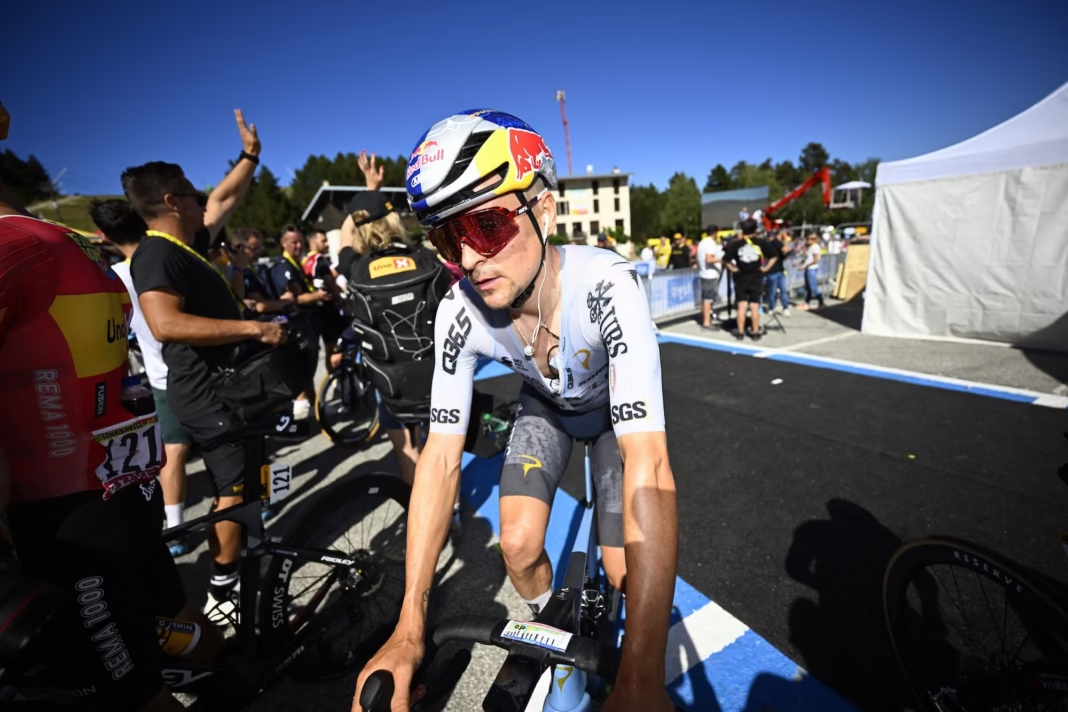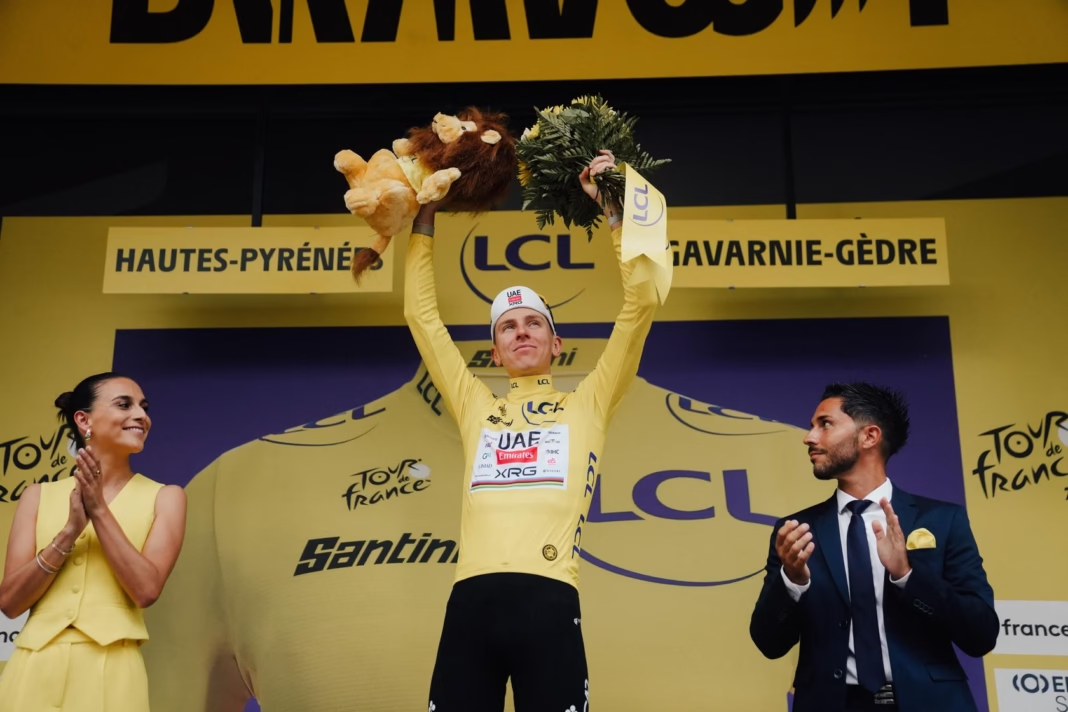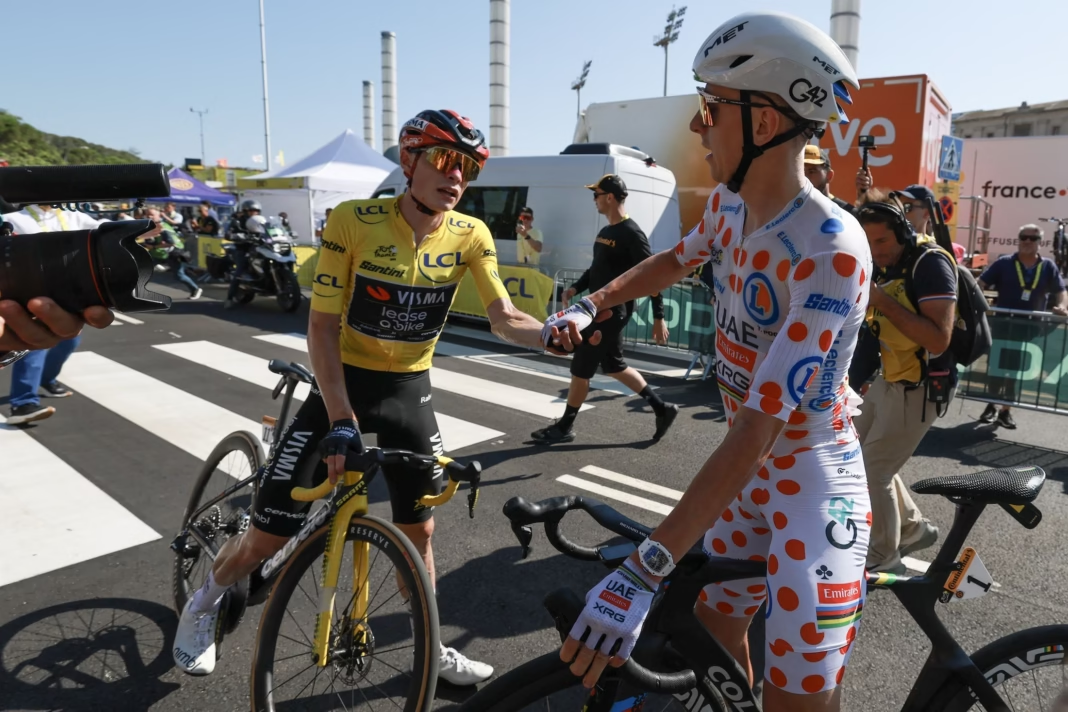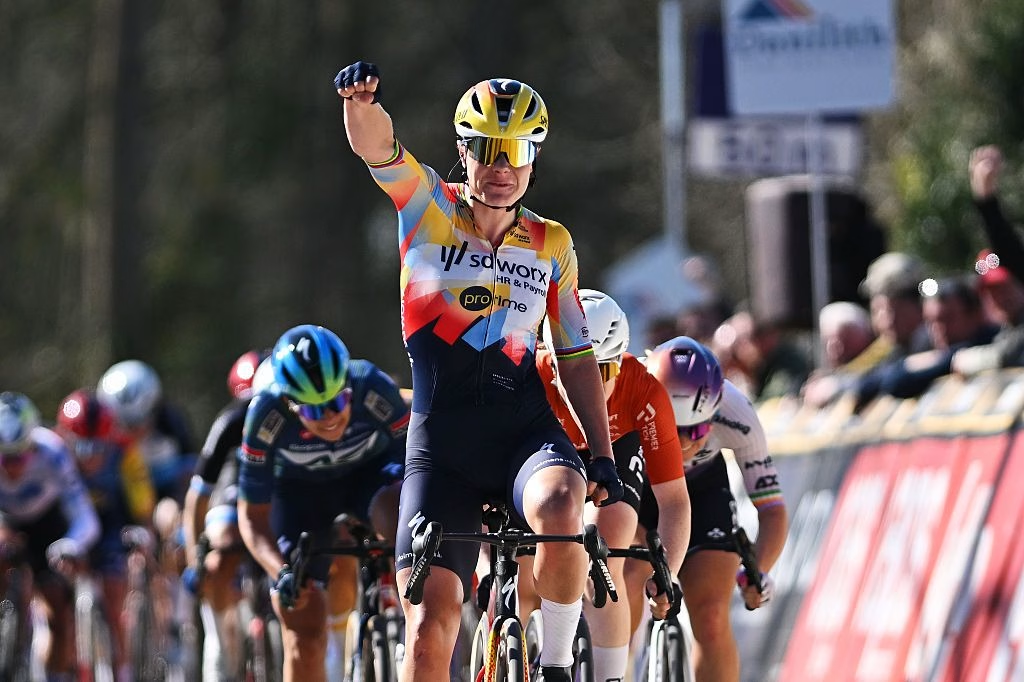
Lotte Kopecky’s spring needed a result that felt like her, not an explanation, not a “what if?”, not another afternoon where the story is bad luck rather than legs. In Nokere, she finally got it. The SD Worx-Protime leader took her first win of 2026 with a measured, clinical sprint on the Waregemsestraat, beating Charlotte Kool after an attritional, attack-heavy finale that repeatedly threatened to split, then snapped back together.
It was Kopecky’s third career win in Nokere Koerse, and it landed with visible relief. The Belgian had already been forced to chase back from a puncture earlier in the race, then she still tried to shape the finale with an attack on the Lange Ast, before calmly trusting the uphill sprint to deliver the finish she wanted. Kool had to settle for second, while Lara Gillespie continued her run of strong early-season form with third.
A quick break, and a steady day before the finale begins to bite
The early kilometres followed the pattern you expect in a semi-Classic built around a late sequence of cobbles and bergs. Five riders went clear and established the day’s break, with Mieke Docx the most recognisable name in a group that was always going to be measured rather than indulged. Their advantage hovered around three minutes at its best, enough to force teams to keep an eye on the gap, but never enough to cause panic.
As the race moved towards the key sector of the Lange Ast, the peloton’s mood changed. The speed lifted, the line tightened, and the break began to crack. Docx and Julie Stockman were the first to be shed from the front group as the terrain and tempo did what Nokere does best, it turns a calm morning into a nervous afternoon.
Behind, the bunch began to stretch and compress through the run of cobbles and short climbs, with teams using the approach roads as a positioning battle ahead of the decisive circuit.
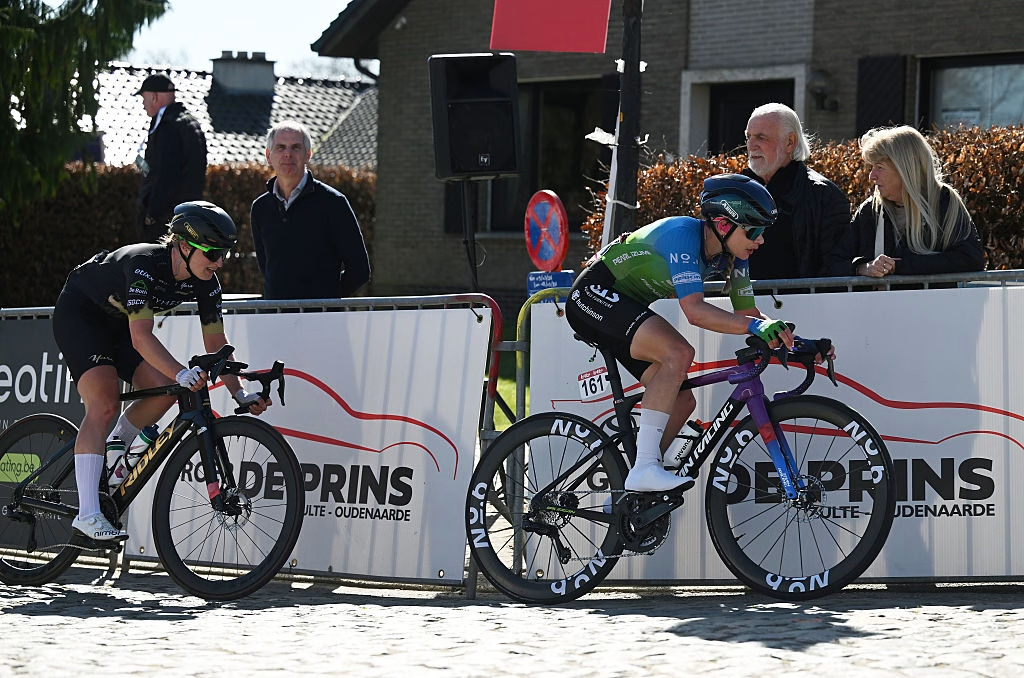 Photo Credit: Getty
Kopecky punctures, then resets the race on her own terms
Just as the race started to open up with moves from the bunch and the break’s lead evaporating, Kopecky was dealt the kind of interruption that has followed her too often this spring: a puncture as the pace was rising. The key detail here is not the puncture itself, it’s what came next. She didn’t panic, didn’t burn matches in a single desperate chase, she rode her way back into contention and reappeared in the front picture before the finale truly ignited.
With the break caught around the 40km-to-go mark, the race became a sequence of accelerations and counter-accelerations rather than one clean, decisive selection. Riders tried to anticipate the sprint, others tried to avoid it. The rhythm became jagged, the bunch reduced, and every lull lasted only long enough for the next attack.
The Lange Ast attack, the logic behind it, and why it didn’t stick
Kopecky did not wait passively for the finish. On the cobbles of the Lange Ast she hit the gas, trying to force a front group clear before the sprint could become inevitable. Charlotte Kool made the move too, and that was the problem for the attackers. With Kool present, the cooperation was always going to be complicated, and with the wind and the repeated climbs behind them, the chase had both reason and opportunity to organise.
The front move stalled, the gap stopped growing, and a reduced peloton clawed its way back. That rejoin didn’t reset the race into calm. It made it more nervous. Riders who had missed the split tried again. Teams with numbers tried to keep it together. Everyone knew the Waregemsestraat finish was coming, and nobody wanted to deliver Kopecky or Kool neatly to the final 200 metres.
Pluimers gambles, but the bunch will not be denied
With the race threatening to turn into a waiting game, Ilse Pluimers rolled the dice. Her solo move in the closing kilometres briefly created real tension because it arrived at the right moment: the bunch had been repeatedly strung out and reformed, and the teams behind were choosing their lead-outs rather than committing to a full chase.
Pluimers’ advantage stretched into double digits, and for a moment it looked like the kind of opportunistic winning move Nokere has rewarded before. But the finish is too close, the roads too controlled, and the sprint teams too well drilled. Once the pace lifted properly, her gap collapsed, and she was brought back inside the final couple of kilometres as the race finally committed to its endgame.
Kopecky waits, then wins with authority
When the sprint began to form, Kopecky did what the very best sprinters do in uphill finishes: she stayed patient. The Waregemsestraat drag is not a pure launchpad where you can go too early and hope for mercy; it is a place where the last effort is long enough to punish impatience.
Kool came fast and late, but Kopecky had already chosen her moment. She opened her sprint in the final 150 metres, held her speed, and created immediate separation. The gap at the line told the story: not a photo finish, not a squeeze, but a decisive win that felt like a statement, both physically and mentally.
After the Omloop het Nieuwsblad mechanical and the wrong-turn chaos of Strade Bianche, this was Kopecky putting the narrative back in her own hands. The first win of 2026 is in the bag, and with Milan-San Remo looming, she leaves Nokere with something more valuable than points: certainty.
Danilith Nokere Koerse Women 2026 result
Results powered by FirstCycling.com
Main photo credit: Getty