
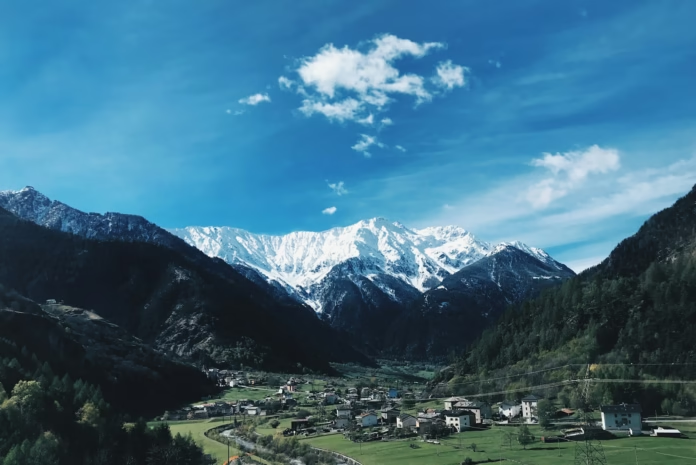
Livigno has a particular pull that road cyclists recognise immediately. It is not just a place you pass through on the way to somewhere grander. It is a destination where altitude shapes your pace, where roads feel improbably clean for the height and where the climbing comes with proper structure: steady grinds that you can pace, then sharper turns that ask for attention on the descent. After a few hours on the bike, you start to ride differently. You stop trying to “push through” and start reading the gradient, protecting rhythm and letting the thin air do some of the work.
This is why Livigno deserves a place on your riding list. The riding logic is excellent. There are a handful of key routes that radiate out from town, and many of them loop back without forcing you to commit to a single long out-and-back. You can build a day from connected climbs, carve out a half-day spin with a big payoff, or plan an extended week that alternates height work with recovery descents. The scenery is equally precise, framed by broad valley walls, larch-lined shoulders and the kind of light you only notice when you ride higher than you usually do.
Why Livigno matters for road cyclists
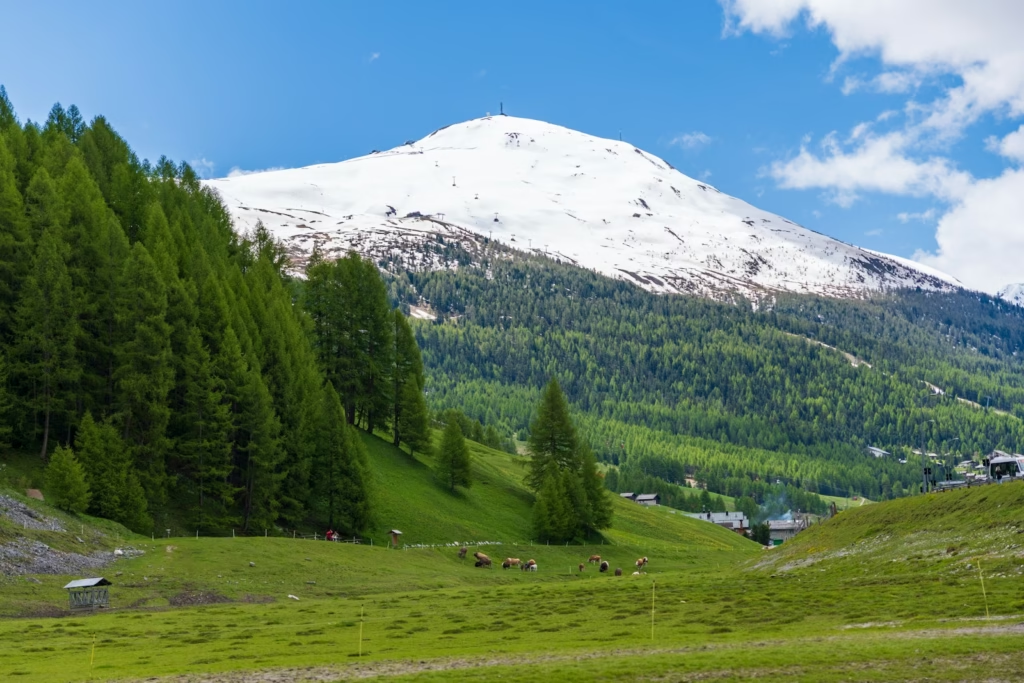
At around 1,800m, Livigno sits high enough to change the feel of every effort. The air is thinner, so acceleration and high-cadence surges feel different, but climbs also come with a clarity that can be oddly motivating. You are not guessing how hard a section is. Gradients read more truthfully, and your breathing becomes the metronome for the whole ascent.
Livigno also offers a rider’s kind of consistency. Alpine weather can be moody, but the road network around the valley is reliable, with main roads that are generally well-maintained and quiet enough away from peak commuter traffic. Even the “easy” routes feel purposeful because you are never far from a rise or a viewpoint. When you plan around the passes, you gain proper altitude gains without having to stitch together awkward roads or spend too much time on flat, frustrating stretches.
For cyclists, it ticks several practical boxes too: decent facilities in town, a reputation for the sort of riding where locals understand you are there to pedal, and a setting that makes it natural to turn rides into full days. If you have ever wanted an Alpine trip that feels like cycling first and sightseeing second, this is that.
If you are planning a wider Alps-focused itinerary, it is worth comparing Livigno’s high-lane feel with riding notes from elsewhere in northern Italy. A useful starting point is ProCyclingUK’s overview of cycling in the Dolomites.
Ride character: roads, texture and the logic of the valley
Most Livigno rides start with the same sensation: you leave town and the gradient begins to show itself, gradually at first, then with more deliberate intent. Road surfaces are typically smooth, with good edge definition and few of the rougher surprises you can find on higher mountain roads. That said, Alpine weather and snowmelt dictate how conditions feel from day to day. On warmer mornings, you can get a glassy grip that makes descents enjoyable, while after rain or lingering damp, the road can hold moisture on shaded sections.
The terrain is dominated by the valley shape. You get long sightlines across the valley floor, then sudden tightening as the road bends up towards a pass. That rhythm builds psychological momentum. You can feel the ride as a sequence of stages rather than one continuous grind. For road cyclists, that matters as much as the physical load. If you know where the steep sections begin, you can manage your energy and avoid the all-too-common trap of spending too much too early.
Livigno’s loop routes are a big part of why the riding works. Instead of chasing a single summit and retracing your steps, you can often turn climbing into progress: ascend to a pass, drop into another valley, then climb again along a different line. It keeps fatigue controlled. The legs get a rest in the descent, but you do not lose the day. You are still building, just with the right kind of recovery.
Climbs and climbs within climbs
Livigno’s biggest climbs are not just tall on paper. They are tall in the way they unfold. You often start with a modest gradient that lets you settle into cadence, then the road tilts more aggressively around switchbacks or as you approach the high points. The end of a climb frequently gives you something more than the summit sign. There is usually a final degree of ramping that makes the last effort feel earned, followed by a brief stretch where you can judge your line for the descent.
One constant is the quality of pacing options. Some approaches allow steady seated riding for long sections, which suits riders who prefer methodical output. Others force a rhythm shift as the bends tighten and the gradient steps up, favouring riders who can surge when needed or maintain momentum through short ramps.
For many visitors, the “hidden climb” is the approach itself. The roads out of Livigno often rise even if the target is more distant. That layering effect means you can rack up vertical metres without the day becoming one-dimensional. You might set out for a well-known pass, but you will come across secondary rises and staging points that make the day feel richer than the headline climb alone.
Descents: fast, clean lines and choices that matter
Descents from the Livigno area have a distinct character. The roads can be smooth enough to encourage confident speed, but they are not so wide and forgiving that you can ignore the job. Switchbacks demand preparation. You need to pick a line early, plan braking before the hairpin, and be aware that traffic patterns can change quickly around smaller settlements.
There is also the psychological counterpoint to the climbing. A good descent can reset your mind. You go from effort-brain to geometry-brain, reading the road surface and scanning for conditions, not just distance. That shift is part of why Livigno is memorable. Some riding destinations are defined purely by “how hard can you go”. Livigno rewards composure. Lean into the corners on a road that trusts your tyres, control speed into the tight sections, and you will feel on top of your ride rather than chased by it.
Fuel, fatigue and rider psychology in the high air
High-altitude riding changes your internal dialogue, especially if you are used to training at lower elevations. The early parts of climbs can feel deceptively manageable. Then, if you press, the body becomes aware of the atmosphere. The fix is rarely dramatic. It is cadence discipline, steady breathing and better timing with food and drink.
In practical terms, you are more likely to feel dehydrated even when you do not realise it. Bottle management needs intention. A lot of riders end up thinking later in the day that they “did fine” on the first climb and then suddenly struggle for recovery. At altitude, that judgement can be wrong. Plan to take in carbs before you feel empty, not after.
Livigno also makes it easier to address fatigue. You can build your week around days that alternate intensity and relief. A day with big pass climbs can be paired with a shorter loop and a longer descent back to town. That rhythm supports the mental side of cycling trips. You keep expectations realistic, and your final kilometres still feel like cycling, not damage control.
If you are looking for another high-altitude riding base to balance out the week, ProCyclingUK’s guide to cycling in the French Alps helps frame what to expect from road networks and tactics.
Scenery and atmosphere: larch, slate, and wide valley light
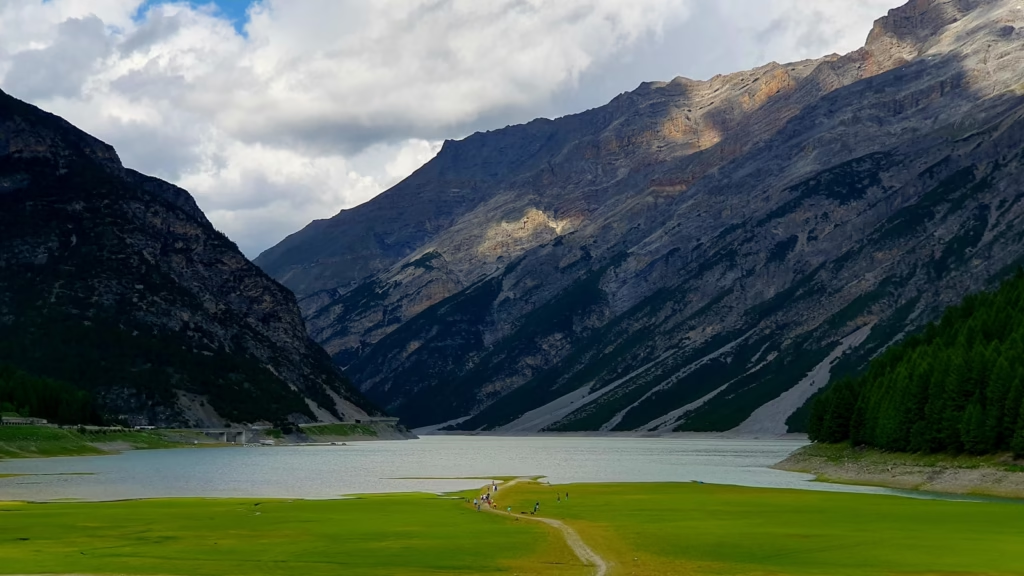
The landscape does not just sit in the background. It controls the mood of the ride. Valley sections feel expansive. You see mountain shoulders and far ridgelines while you pedal at a calmer tempo. Then the scenery tightens as you approach passes. The road threads between steep slopes, with rock faces close enough that you notice how they hold warmth into the afternoon. Cloud can sweep over quickly, changing the temperature and making descents feel cooler and sharper.
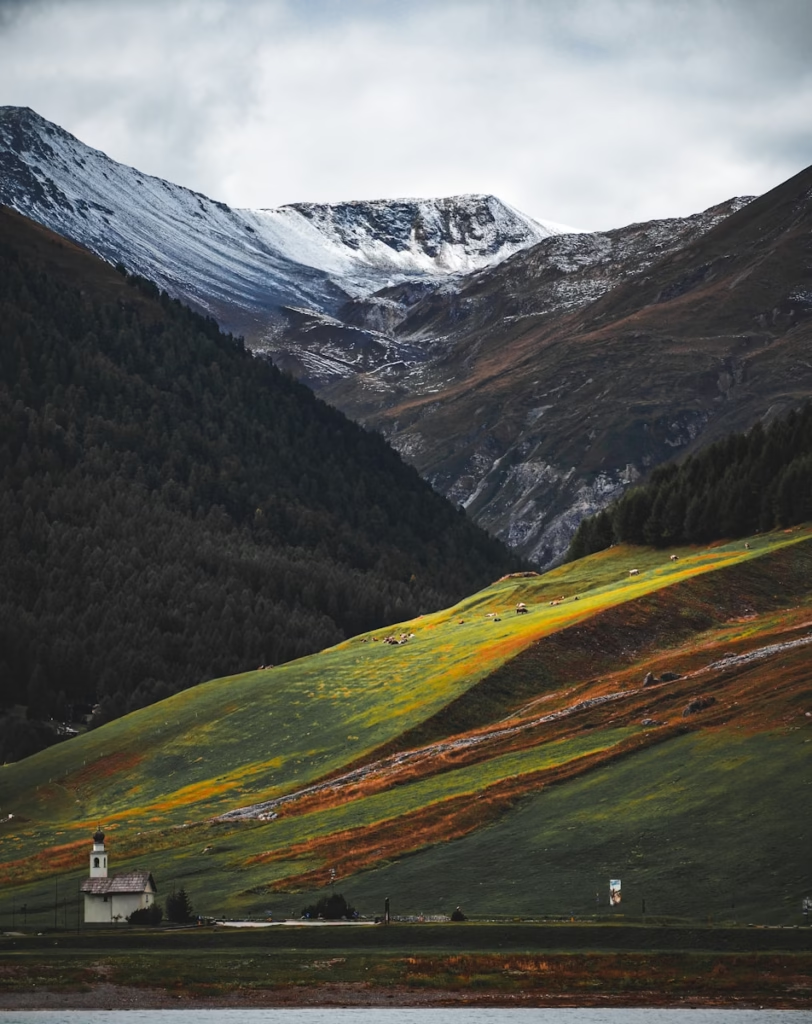
In seasons where the light is crisp, you get a clean mountain palette: fresh snow in the distance, dark timber lines in the near background, and the white ribbon of watercourses whenever the melt is working. Even on cloudy days, the high air tends to give views definition. It is not the heavy haze of lower valleys. The horizon reads clearly, which makes navigation feel less stressful and more rewarding.
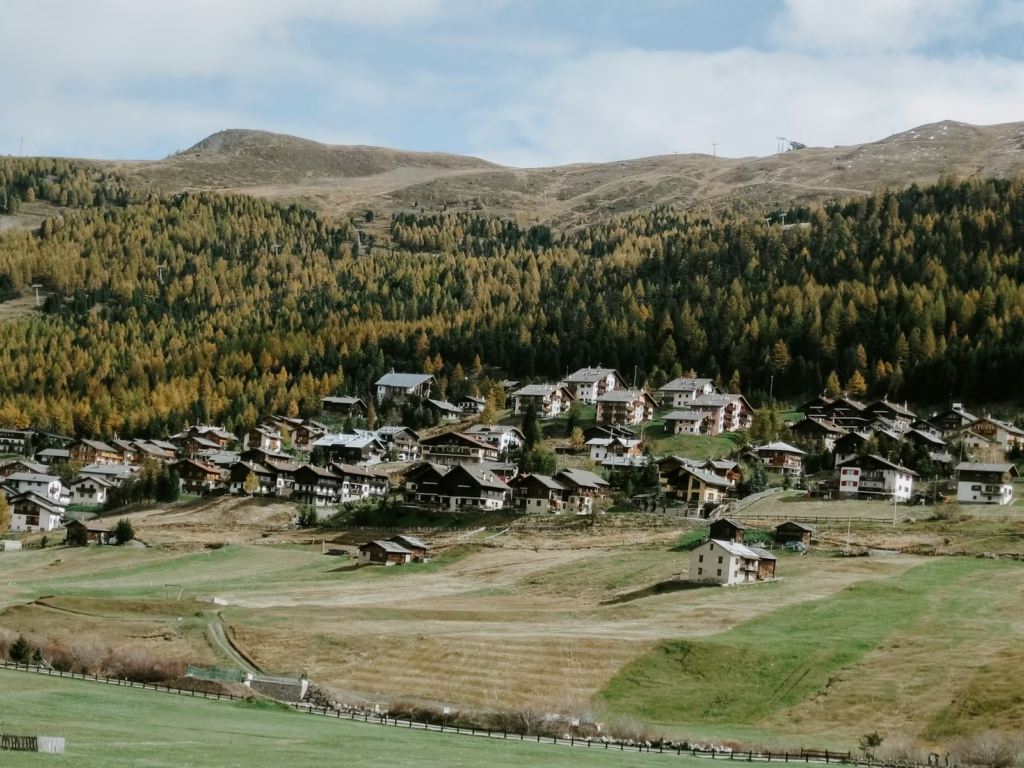
Livigno itself adds texture to your day. After a climb, town streets can feel pleasantly lively without becoming chaotic. You can get a relaxed meal, top up supplies and roll out the following morning without the sense of being dropped into a tourist bubble. The atmosphere supports riders who want to complete laps of the mountains rather than just tick off a single descent.
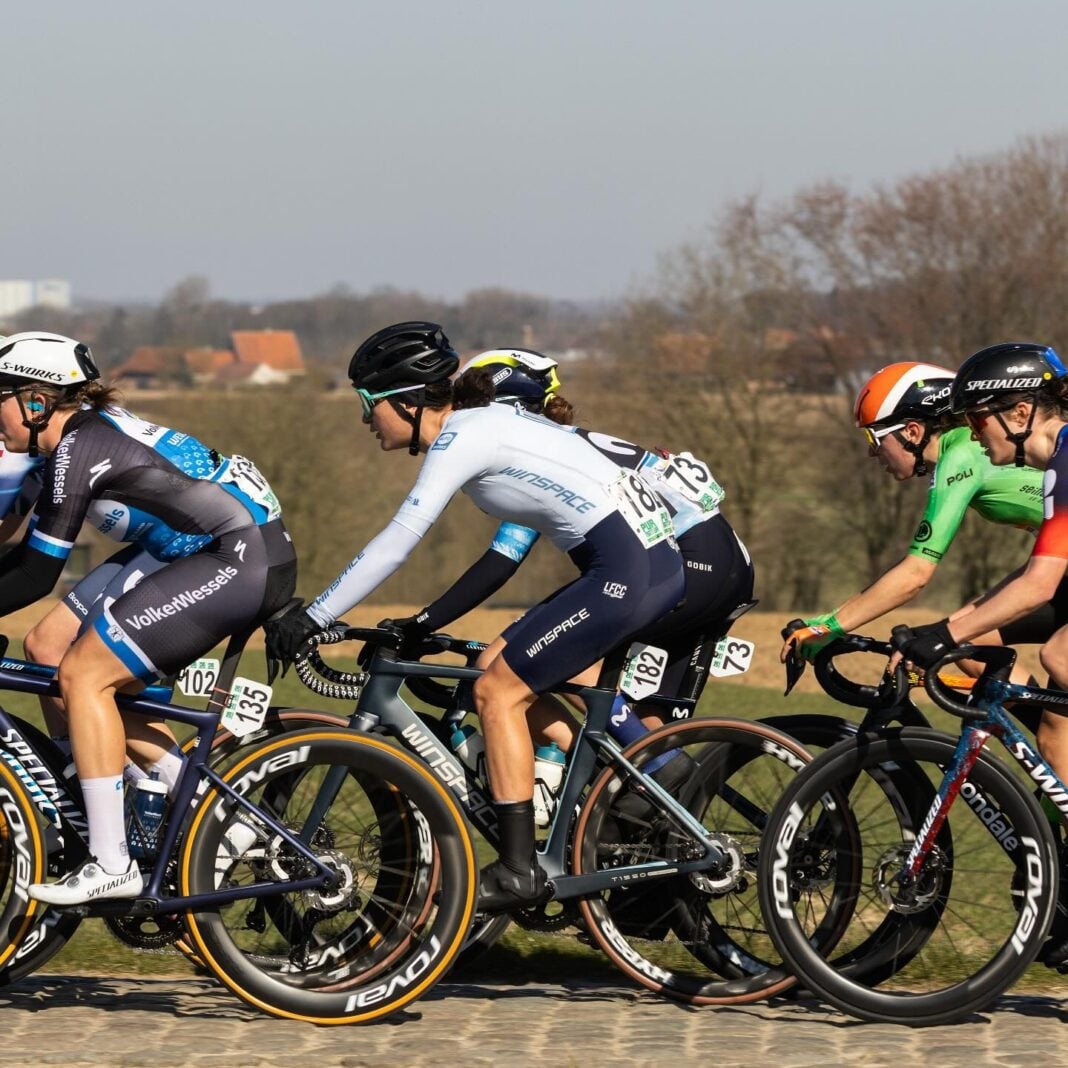
-
 Photo Credit: quentinphotographiebe
 -
 Photo Credit: Getty


Practical information: how to plan your Livigno rides
Location
Livigno is in the Upper Engadine valley in northern Italy, high in the Alps near the Austrian and Swiss borders. It is reached via roads from the surrounding valleys, with key cycling routes radiating out from town along main passes and connecting roads.
Riding
Plan for climbs that build through the day rather than arriving suddenly. Pack for altitude riding: heavier layers can matter because descents cool fast, especially with wind. Use fluid distribution that reflects higher exertion and drier air. Expect varying grip after rain, with shaded corners and valley entrances becoming slower to dry.
Road positioning can be important on bend-heavy descents. Keep an eye on surface changes at switchbacks and watch for occasional gravel or grit where the road meets side accesses. If you ride in busier periods, be ready for traffic at valley entry points and around towns along the descent routes.
When to go
For road cyclists, late spring through early autumn is the most dependable window for consistent openings and dry weather. Summer can be busy at peak times, while early-season rides reward patience with conditions that can shift quickly. If you are targeting high-altitude climbs and longer hours, aim for clearer spell days and build in a weather buffer for at least one shorter option.
Accommodation
Staying in Livigno keeps the riding simple. Pre-book a place that offers secure bike storage or a space to dry layers. Consider staying where you can start rides early without extra transport time. Many riders prefer lodging within easy reach of the town centre so refuelling and resupply do not eat into your day.
Watch-outs
Altitude fatigue shows up sooner than you might expect, especially on the first ascent after arrival. Do not assume your usual pacing will transfer. The weather is changeable on high ground, so check conditions before you commit to a high pass. Also be mindful of limited visibility near foggy patches and rapid temperature drops on descents.
Who Livigno suits best
Livigno fits road cyclists who like controlled climbs and rewarding descents, and who enjoy building a route by stitching together a few key hill lines rather than riding point-to-point only. If you prefer steady pacing to repeated all-out surges, the valley structure helps you keep output sensible. If you are a stronger rider who likes short attacks when the road kicks up, the bends and gradient steps give you places to change gears psychologically as well as physically.
It is also a good base for mixed fitness groups, provided riders are honest about climb length and choose routes accordingly. The ability to return to town efficiently, bolt on shorter segments or extend the day makes it easier to avoid creating mismatched expectations. For solo travellers and training camps, Livigno’s rhythm of high efforts and high-value recovery descents makes it feel like a proper training environment without losing the sense of adventure.
How to build your first Livigno road week
Start with a day that wakes up your breathing and road feel. Use a route that includes a decent climb but gives you a full descent return. The next day, add one headline pass and let the loop logic carry you. Keep one lighter day in the middle to absorb altitude, where you ride steady, eat well and focus on comfortable cadence rather than chasing vertical metres.
On your biggest day, think in sections. Aim to pace the first half so your body is ready for the steeper approach, not just the summit. Then, finish the day with confidence in the descent, letting speed and line choice turn the hard work into something fluent. Livigno rewards that kind of planning more than raw motivation. When the timing is right, the kilometres stack up naturally and the ride ends feeling earned rather than suffered.
For riders who want Alpine cycling that feels clean, logical and deeply atmospheric, Livigno delivers. It is not a single “bucket list climb” destination. It is a place to return to, because every loop gives you a new angle on the same mountain logic: altitude, rhythm, road texture and that moment when the valley opens into daylight.

