

Eschborn-Frankfurt returns on Friday, 1st May, with the 2026 edition using a significantly harder route than in recent years. The organiser describes it as the most demanding edition in race history, with 210 kilometres and more than 3,300 metres of climbing, including two ascents of the Feldberg, a double climb of the Mammolshainer Stich and the addition of the steep Burgweg.
That route detail shapes how the start list should be read. Eschborn-Frankfurt often attracts a field that sits somewhere between the spring Classics and the next run of stage-race goals, but a tougher course changes the balance. This no longer looks like a race that naturally points towards a routine bunch sprint. It looks more like a day for riders who can survive repeated climbing and still finish strongly in Frankfurt.
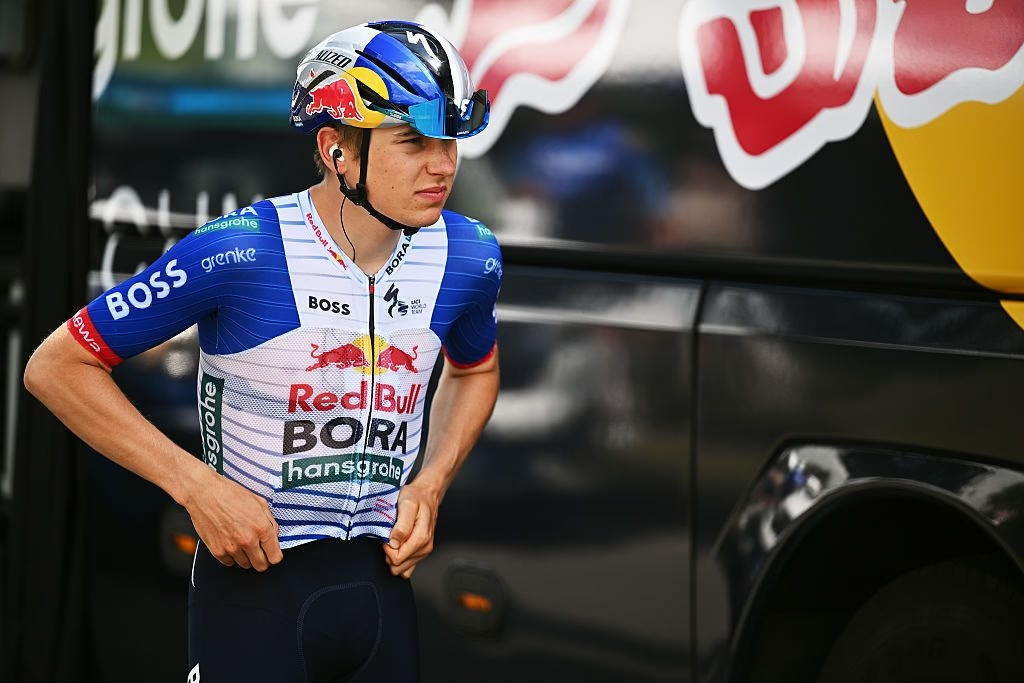
 Photo Credit: Getty
The race’s traditional 1st May slot also keeps its usual position in the season. It remains a WorldTour fixture in the transition from the spring Monuments to the national tours, which is exactly why the line-up tends to mix fast finishers, Classics specialists and stronger all-rounders. On a harder route like this, that blend becomes even more interesting. Sprinters often win, but it’s never guaranteed to be a normal sprint finish.
Data powered by FirstCycling.com
-
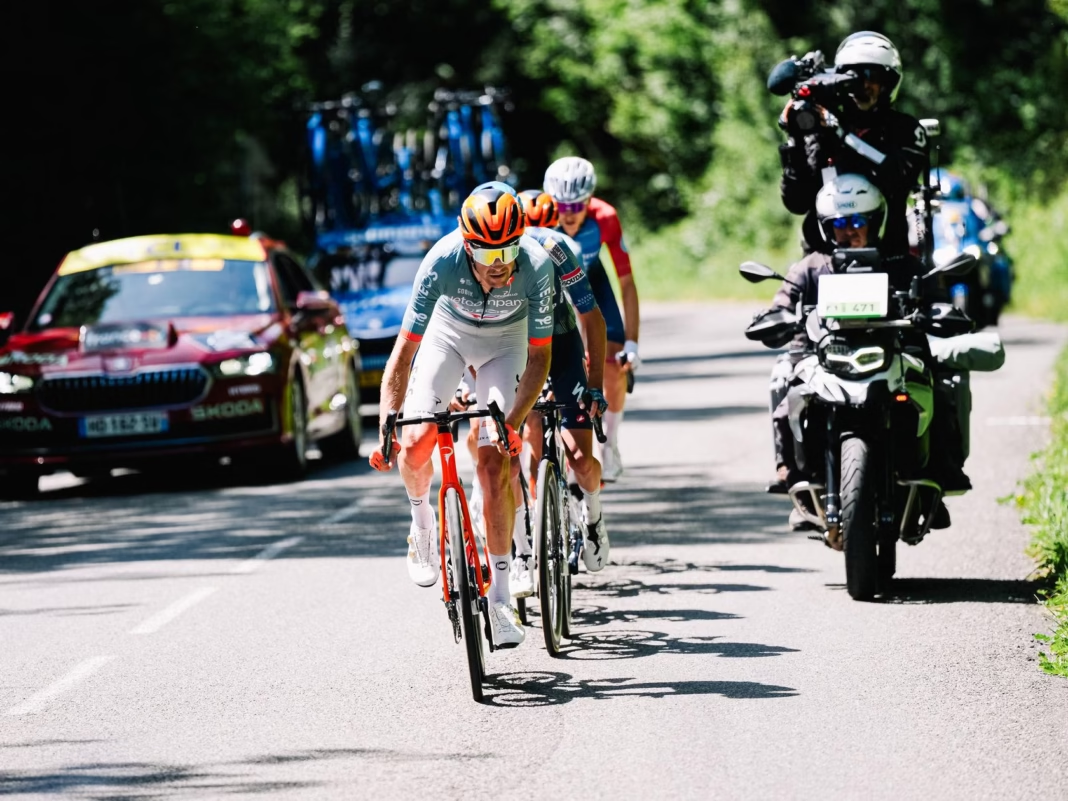
 Photo Credit: Gaetan Flamme

The start list matters more than usual here because the course should force a more selective race than the title alone might suggest. Riders who would normally wait for a flatter finish now need enough climbing resilience to stay in touch across a much harder day, while puncheurs and Classics-style riders have more reason to believe they can shape the outcome before the run-in to Frankfurt.
For the wider race picture, Eschborn-Frankfurt 2026 route guide is the best companion piece, because it explains why this year’s edition should feel more selective than a standard sprint-leaning German one-day race.

